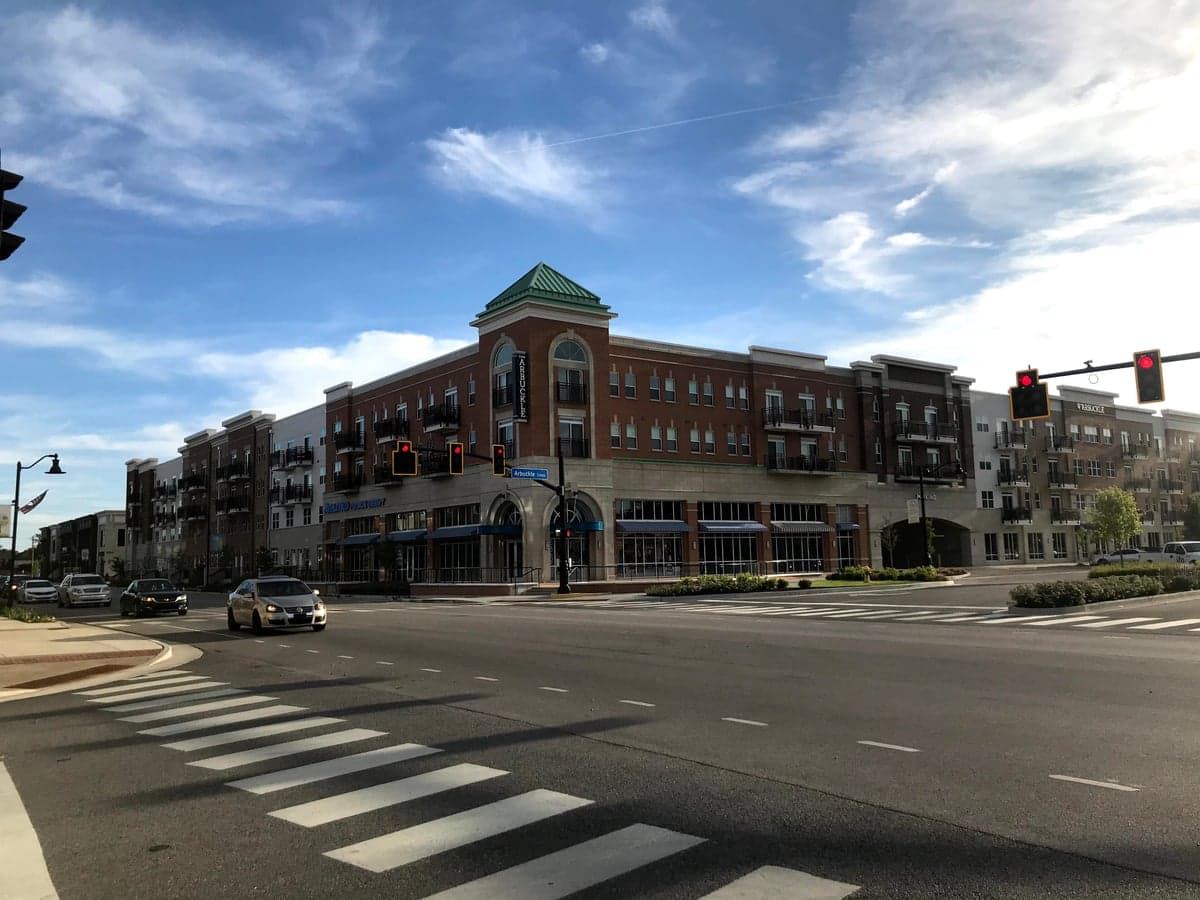
Photo: Wikipedia
Strategic Assessment of Brownsburg, IN
Multiple tactical vulnerabilities. Population density, target proximity, or disaster risk are likely compounding. A retreat property and exit planning is required.
What does the Strategic Assessment tell us?
Our Strategic Assessment grades tactical survivability of an area. Major population centers, military targets, fallout zones, natural disasters, and border exposure all drive risk — lower exposure means a more defensible position in a crisis.
This is heavily inspired by Joel Skousen's Strategic Relocation book. Highly recommended you checkout the book ($)What does this tell us?
Our Strategic Assessment grades tactical survivability of an area. Major population centers, military targets, fallout zones, natural disasters, and border exposure all drive risk — lower exposure means a more defensible position in a crisis.
This is heavily inspired by Joel Skousen's Strategic Relocation book. Highly recommended you checkout the book ($)Strategic Pillars

Key Distances
Regional Safe Places
Below is our recommended "safe zones" in Indiana and the surrounding area based on our strategic heuristics. For most people, it's unrealistic to live in a “safe zone” full-time due to work, family or other personal reasons. They tend to be more rural. However, many of these areas are perfect for second homes and retreat properties that double as a vacation home or even a short-term rental.

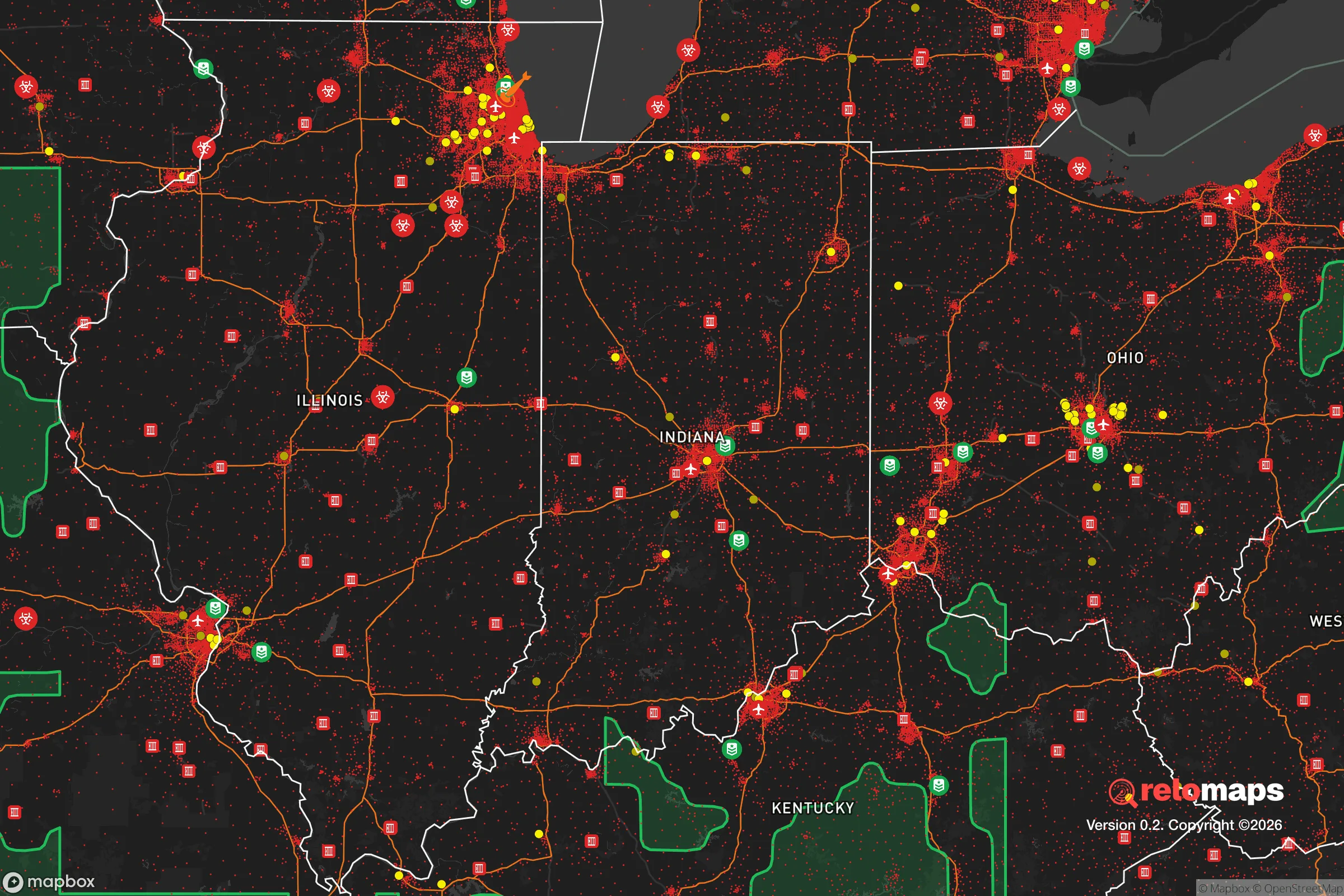


Important Note: For informational purposes only. This does not mean nothing bad ever happens in the green zones. Please use common sense. This is based on public data and modeled with AI. We tried to take a conservative approach but mistakes happen. We update this regularly as new information becomes available.
Solar Generator Recommendations
Backup power matters more here than in safer locations. We've picked three solar generators across budgets and capacity tiers — start with the budget unit if you only need a few essentials, or step up if you want to run a fridge and HVAC for days at a time.

Jackery Portable Power Station Explorer 300
Budget OptionPower on the Go: Weighing only 11 lbs, it's convenient to set up and store with book-sized foldable solar panels

BLUETTI Portable Power Station AC180
Designed for both indoor and outdoor scenarios, AC180 is highly capable as it has a robost capacity and continuous output power.

EF ECOFLOW DELTA Pro Ultra Power Station
Upgraded PickEcoFlow DELTA Pro Ultra is a whole-home energy system designed to grow with your family. Integrated with the Smart Home Panel 2, it scales to meet your evolving energy needs — keeping your home powered, intelligent, and secure through every stage of life.
We earn a commission, at no additional cost to you.
Strategic Assessment Analysis
Brownsburg, Indiana, sits in a sweet spot that resilience-minded relocators should take seriously: close enough to Indianapolis for supply runs and employment, yet far enough to avoid the worst of urban collapse scenarios. The town’s position along I-74 and its proximity to major rail and logistics corridors give it a strategic edge for both daily life and emergency movement, while Hendricks County’s status as one of the fastest-growing areas in the state means infrastructure is being upgraded, not abandoned. For a conservative-leaning individual or family looking to plant roots in a place that can weather civic unrest, supply chain disruptions, or natural disasters, Brownsburg offers a rare combination of access and buffer.
Geographic position and natural advantages for long-term stability
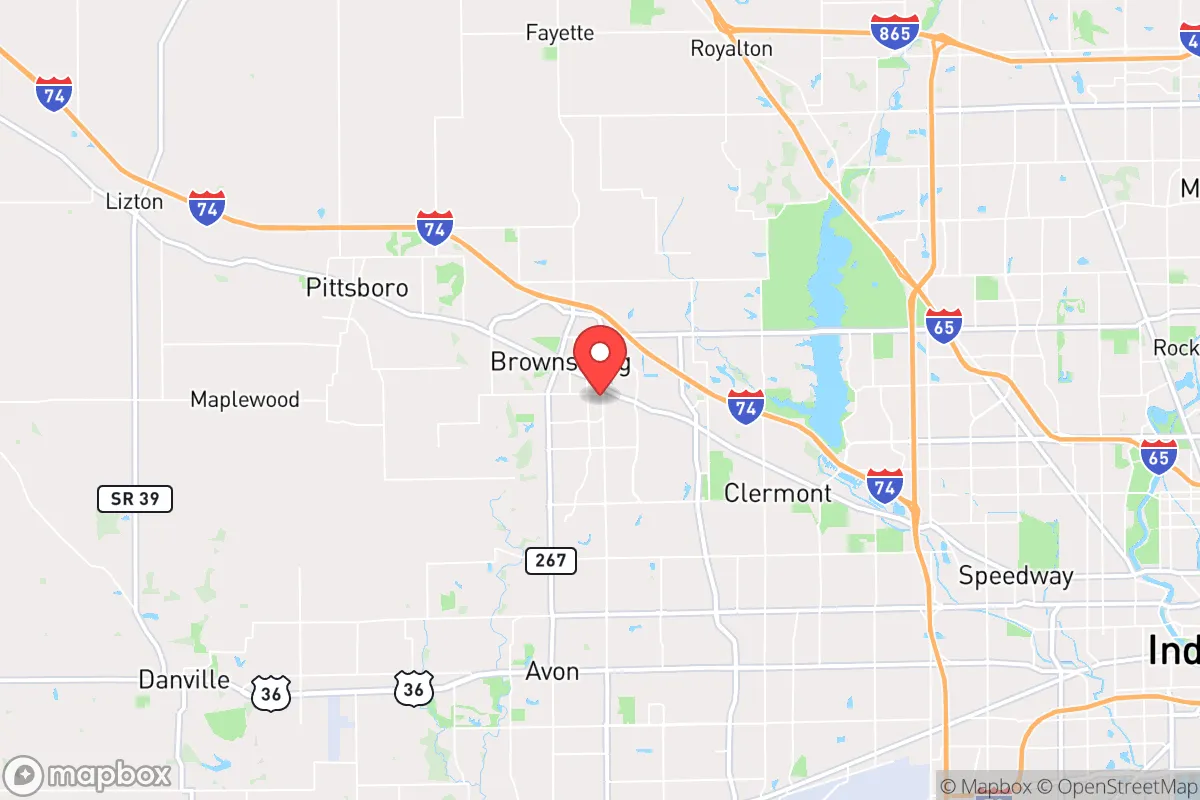
Brownsburg sits roughly 20 miles west of downtown Indianapolis, placing it outside the immediate blast radius of any major urban target while still within a reasonable drive of the state’s economic hub. The town is situated on the Tipton Till Plain, a flat, fertile region that supports local agriculture and reduces the risk of landslides or flash flooding common in hillier terrain. The area’s natural drainage is handled by small creeks like White Lick Creek, which flows into the White River system—a water source that, while not pristine, is accessible for emergency filtration. The region’s temperate climate means four distinct seasons, with winter storms being the most consistent natural threat, but the lack of hurricane, earthquake, or wildfire risk makes it a low-volatility choice for a long-term homestead. The flat topography also simplifies defensive positioning and off-grid construction, whether you’re building a root cellar or setting up solar panels.
Risks, exposures, and proximity to fallout-relevant landmarks
The most significant risk for Brownsburg is its proximity to Indianapolis, a city of nearly 900,000 that would be a primary target for civil unrest, mass casualty events, or even a coordinated attack. In a worst-case scenario—say, a dirty bomb or conventional strike on the city’s infrastructure—Brownsburg lies within the potential fallout zone, though prevailing westerly winds would push contamination eastward, away from the town. The nearby Indianapolis International Airport (about 15 miles east) and the massive FedEx hub at the airport are high-value targets that could draw attention in a conflict scenario. On the plus side, Brownsburg is not near any nuclear power plants (the closest is the now-decommissioned Marble Hill plant in southern Indiana, over 100 miles away), and the area lacks major military bases or chemical storage facilities that would make it a primary strike location. The town’s biggest exposure is its reliance on the interstate system for supply lines—if I-74 or I-65 are compromised, resupply becomes difficult. For a prepper, this means stockpiling and local sourcing are non-negotiable.
Practical resilience for a relocator: food, water, energy, and defensibility
Brownsburg’s practical resilience is solid but requires deliberate preparation. The town sits in the heart of Indiana’s agricultural belt, with corn, soybeans, and livestock operations within a 10-mile radius. Local farmers’ markets and CSAs are active, and the Hendricks County 4-H Fairgrounds host regular agricultural events—good for networking with producers who can supply food in a crisis. Water access is decent: the town draws from groundwater wells and the White River watershed, but municipal supply is vulnerable to power outages. A well on your property or a rainwater catchment system is a wise investment. Energy-wise, Brownsburg is served by Duke Energy, which has a mixed grid of coal, natural gas, and renewables. The area’s flat terrain and moderate sun exposure make solar panels viable, and wood-burning stoves are common in rural homes for winter heating. Defensibility is moderate: the town’s suburban layout with cul-de-sacs and limited choke points makes it harder to secure than a rural farmstead, but the community’s strong law enforcement presence (Hendricks County Sheriff’s Office and Brownsburg Police) and a generally conservative, self-reliant population mean neighbors are more likely to band together than flee. The town’s low crime rate—violent crime is about 60% below the national average—suggests a stable social fabric that would hold up better than most in a crisis.
Overall strategic picture for a conservative relocator
Brownsburg is not a bug-out location; it’s a live-and-prepare location. For a conservative individual or family who wants to maintain a normal life while building redundancy, the town offers a strong baseline: good schools, a growing economy anchored by logistics and manufacturing (Cummins, Rolls-Royce, and Amazon have a presence), and a population that skews center-right politically. The biggest strategic weakness is the proximity to Indianapolis—if the city collapses, Brownsburg will feel the ripple effects in the form of refugees, supply shortages, and potential civil unrest. But for those willing to invest in a well, solar panels, a deep pantry, and a network of like-minded neighbors, the town’s location, climate, and community make it a defensible, sustainable choice. The key is to treat it as a base camp, not a fortress: stay engaged with local emergency services, join a church or civic group, and keep a vehicle gassed up for a potential 50-mile relocation east or south if the situation deteriorates. Brownsburg won’t save you from a direct hit, but it will give you the time and resources to make a smart move when the time comes.

* Values derived from national, state, county, city and local statistics and may differ in a specific area. Last updated: 2026-04-22T10:35:35.000Z
Narrative content on this page is AI-generated and may contain mistakes. Verify any details that matter before acting on them.
ReloMaps may earn a commission from affiliate links at no extra cost to you.

