 Popular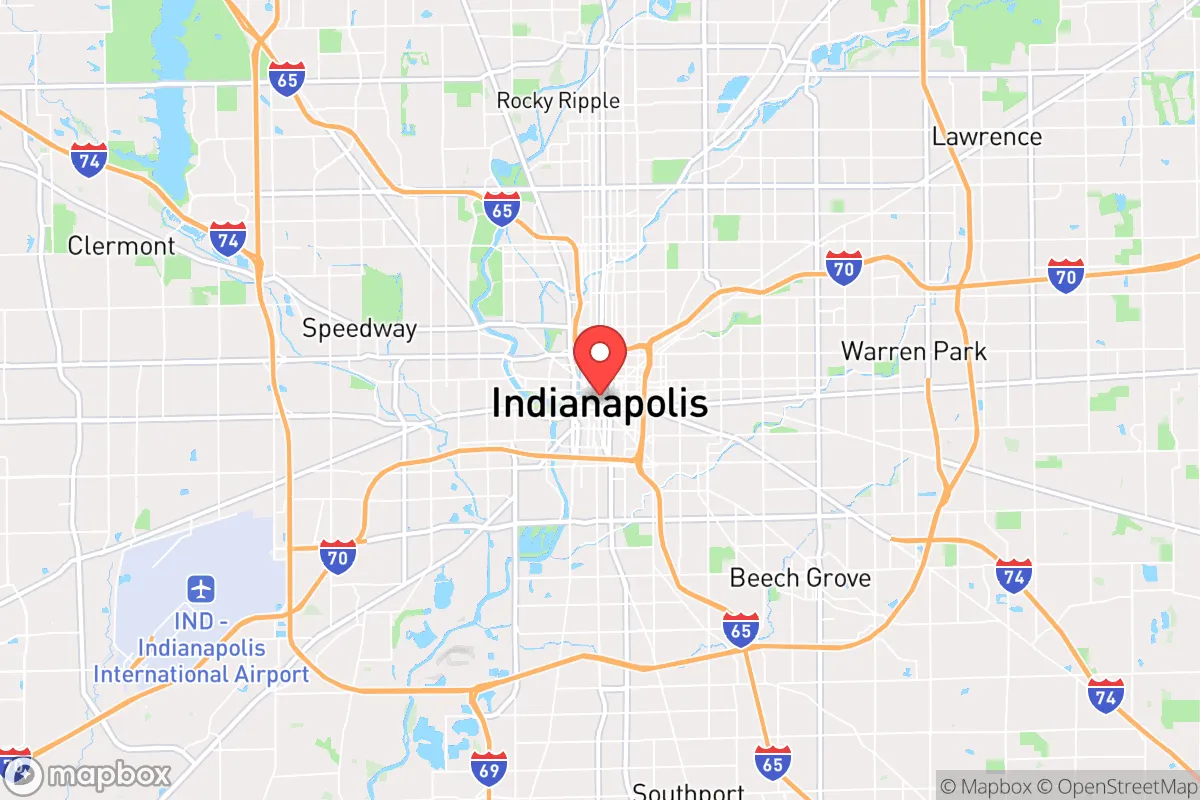
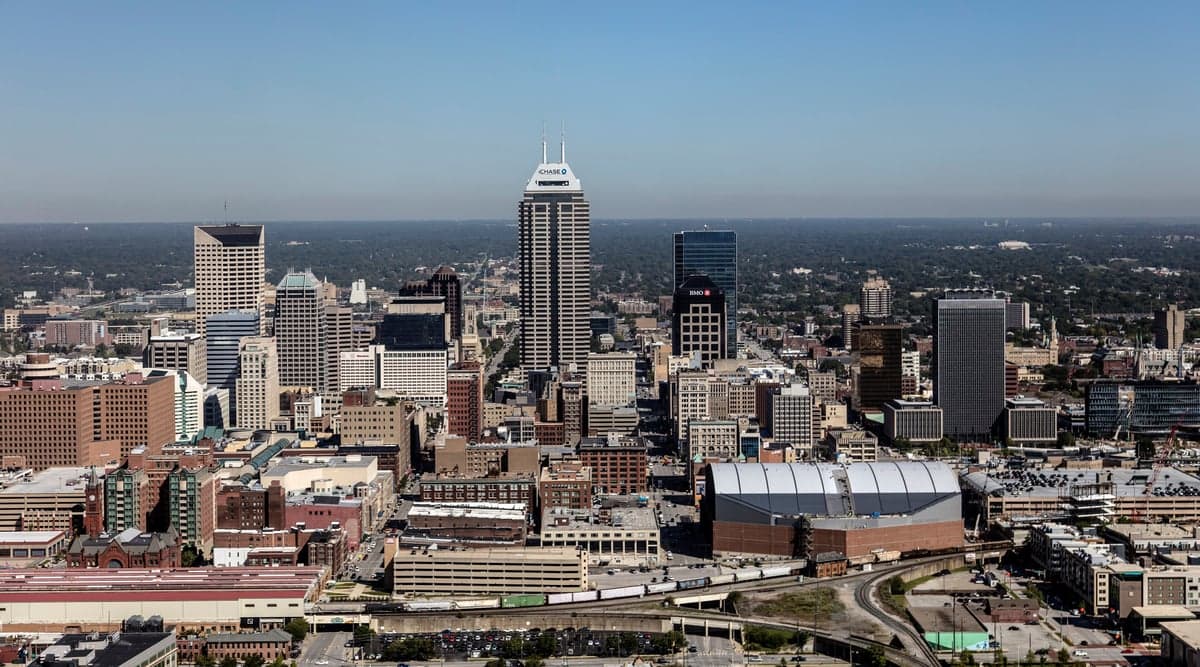
Photo: Wikipedia
Find The Best Places To Live
in Indianapolis
PRO TIP! You can paste a Zillow or Redfin link to get info on that property.
What It's Like Living in Indianapolis, IN
Living in Indianapolis feels a bit like being in on a secret that the rest of the country hasn’t quite discovered yet. It’s a big city with a small-town soul, where you can grab a world-class meal downtown on a Friday night and still run into your neighbor at the grocery store on Saturday morning. With a population just shy of 882,000, it’s large enough to offer serious career and cultural opportunities, but the median age of 34.1 and a median income of $62,995 tell you this is a place where people are building real, grounded lives—not just passing through.
The Daily Rhythm: Work, Commute, and Weekend Habits
For most people here, the workday is manageable. The average commute clocks in at just over 24 minutes, which means you’re not losing hours of your life to traffic like you would in Chicago or Atlanta. You’ll find a lot of residents working in healthcare (Eli Lilly and IU Health are massive), insurance (Anthem is a big player), or logistics (FedEx and Amazon have major hubs). The city’s layout is a clean grid, anchored by the Monument Circle downtown, so getting around is straightforward. Weekends often revolve around a few key activities: hitting a farmers market (the one at the Indianapolis City Market is a staple), grabbing brunch at a spot like Milktooth or Cafe Patachou, or heading to one of the many local breweries—Sun King and Bier Brewery are local favorites. People here are genuinely friendly, and it’s not unusual to strike up a conversation with a stranger at a coffee shop or a park bench.
Sports & Community: More Than Just the 500
If you live in Indianapolis, you will eventually be asked about the Indianapolis 500. It’s not just a race; it’s a month-long cultural event that transforms the city every May. But the sports identity runs much deeper. The Indiana Pacers (NBA) and the Indianapolis Colts (NFL) are the big pro teams, and game days at Lucas Oil Stadium or Gainbridge Fieldhouse are genuine community gatherings. High school basketball is also a very big deal—Hoosier Hysteria is real, and you’ll find packed gyms for sectional tournaments. For a more laid-back vibe, the Indianapolis Indians (Triple-A baseball) offer affordable, family-friendly games at Victory Field, which is consistently rated one of the best minor league ballparks in the country. The sports scene gives the city a constant, year-round rhythm of something to look forward to.
What’s There to Do: Festivals, Parks, and Hidden Gems
Indianapolis punches above its weight in entertainment. The Indiana State Fair in August is a massive, multi-week event with concerts, fried food, and livestock shows. The Penrod Arts Fair at the Indianapolis Museum of Art (Newfields) draws huge crowds every September. For music, the Hi-Fi in Fountain Square and the Vogue in Broad Ripple are the go-to venues for live acts. Outdoors, the White River State Park downtown offers a surprising amount of green space, and the Monon Trail is a 27-mile paved path that’s perfect for biking, running, or a leisurely walk—it connects several neighborhoods and is a true local treasure. For a quieter weekend, the Indianapolis Zoo and the Children’s Museum (one of the largest in the world) are top-tier. The food scene is underrated: you’ll find excellent steakhouses (St. Elmo’s is iconic for its shrimp cocktail), solid Mexican food on the south side, and a growing number of farm-to-table spots.
Pros and Cons of Living Here
Let’s be honest about the trade-offs. On the plus side, the cost of living is a major draw. The median home value is $207,000, which is remarkably affordable compared to most major metros. You can actually buy a decent house on a single median income here. The job market is stable, and the city is very family-oriented, with good public schools in the suburbs and a strong sense of community. The weather gives you four distinct seasons, which many people genuinely enjoy—fall is beautiful, and winter is cold but manageable (snow is usually cleared quickly).
On the downside, the violent crime rate is 577 per 100,000, which is higher than the national average. This is a real concern, and it’s concentrated in certain parts of the city—most notably the near-east and near-west sides. Property crime is also an issue in some neighborhoods. Longtime residents will also tell you that the city can feel a bit “spread out” and car-dependent; public transit (IndyGo) exists but isn’t robust enough to replace a car for most people. And while the city has a lot to offer, it lacks the sheer density and 24/7 energy of a New York or a Chicago—if you’re looking for non-stop nightlife or a huge variety of niche cultural scenes, you might find it a little quiet. But for someone who wants a solid, affordable, and genuinely friendly place to build a life, Indianapolis is hard to beat.

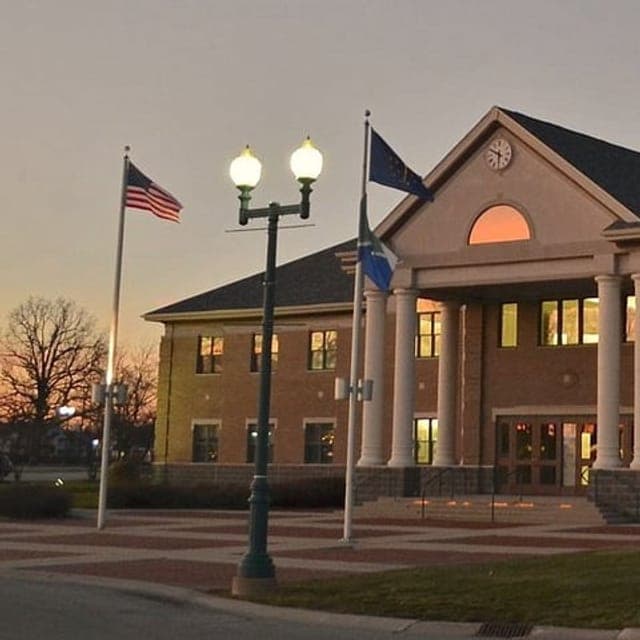
Similar mid-size cities to Indianapolis

* Values derived from national, state, county, city and local statistics and may differ in a specific area. Last updated: 2026-09-21T19:36:35.000Z
Narrative content on this page is AI-generated and may contain mistakes. Verify any details that matter before acting on them.
ReloMaps may earn a commission from affiliate links at no extra cost to you.

