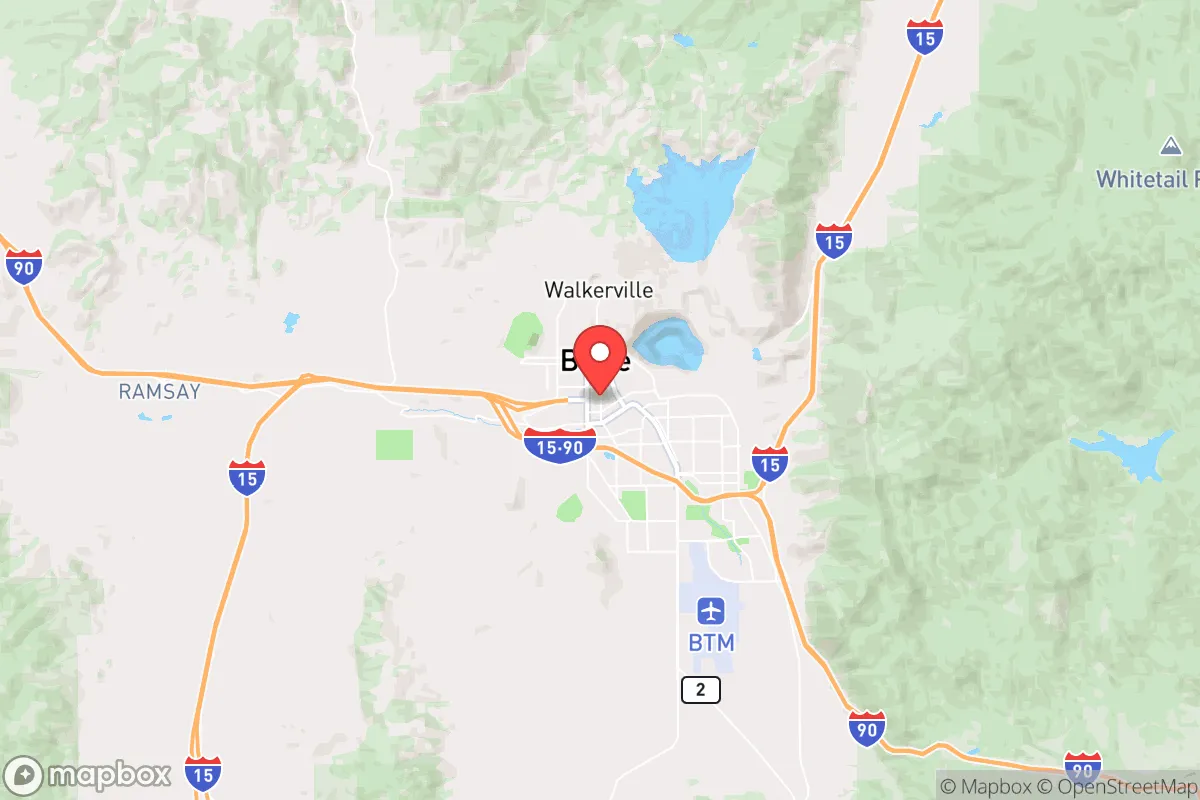
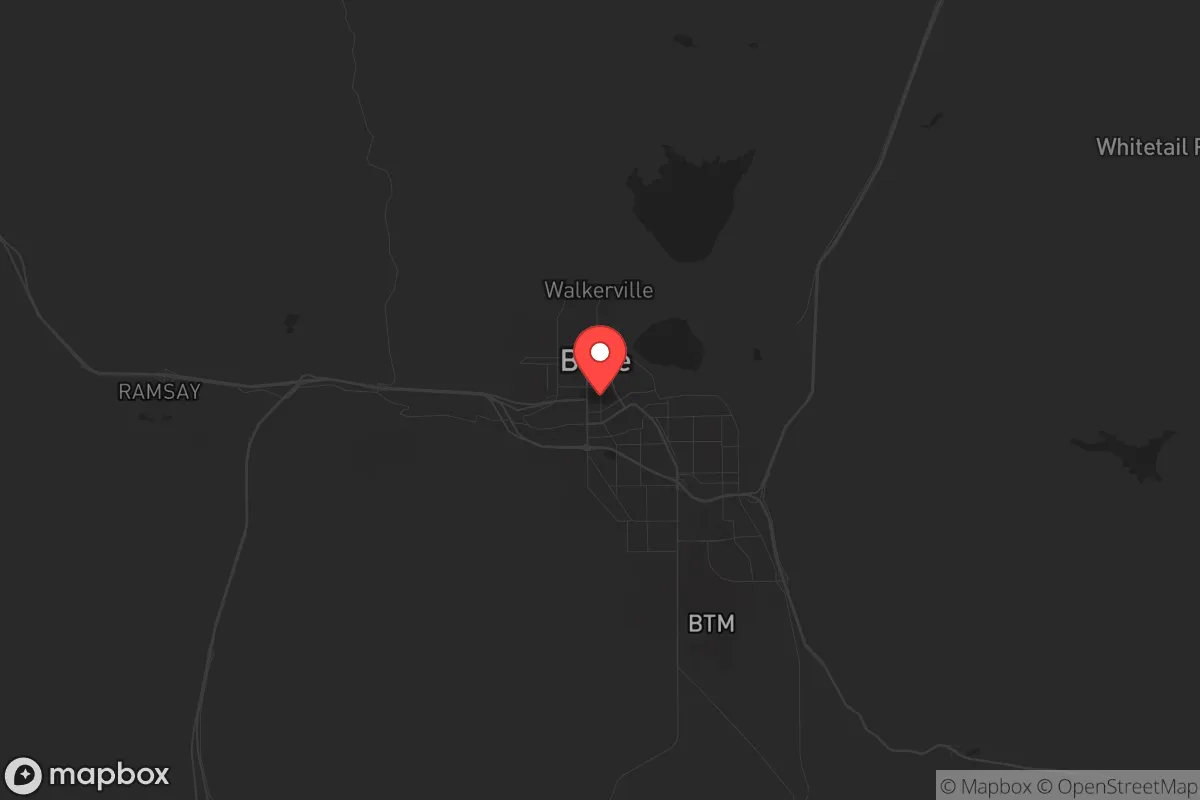
Quality of Life in Butte Silver Bow, MT
A high quality of life with strong walkability, manageable living costs, healthy neighborhood signals, and solid amenity access.
What does Quality of Life tell us?
Quality of Life blends cost of living, nearby amenities, socioeconomic signals, and neighborhood character. City-level scores represent the whole municipality; individual neighborhoods can differ.
What does this tell us?
Quality of Life blends cost of living, nearby amenities, socioeconomic signals, and neighborhood character. City-level scores represent the whole municipality; individual neighborhoods can differ.
Cost of Living
24% below national average
The Real Cost of Living in Butte Silver Bow, MT for 2026
| Tier | Individual | Family (4) |
|---|---|---|
| Survival | $17k | $32k |
| Comfortable | $31k | $46k |
| Luxury | $80k+ | $124k+ |
97%
The Area Signal
A metric tracking the socioeconomic signals of the area.
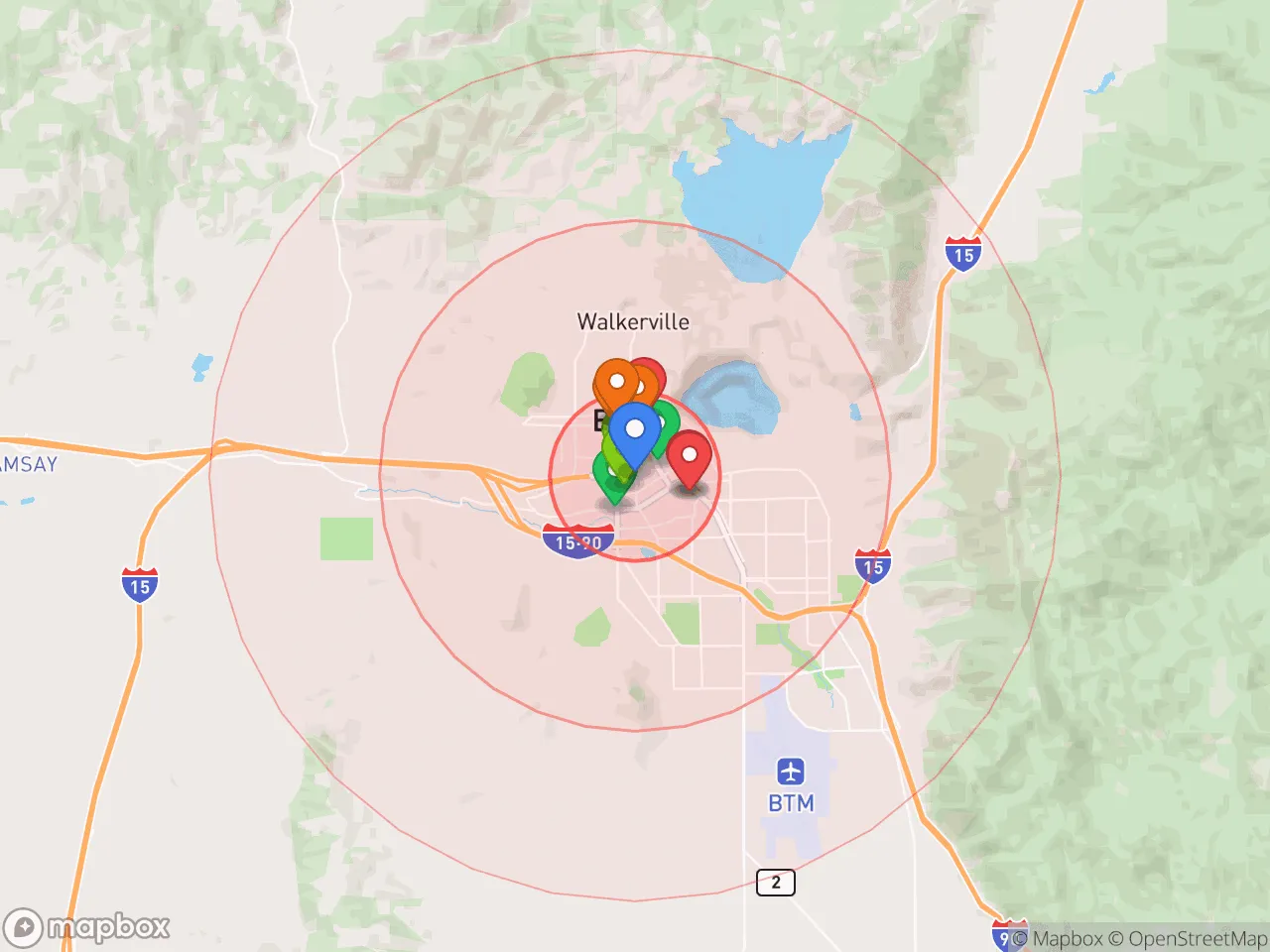
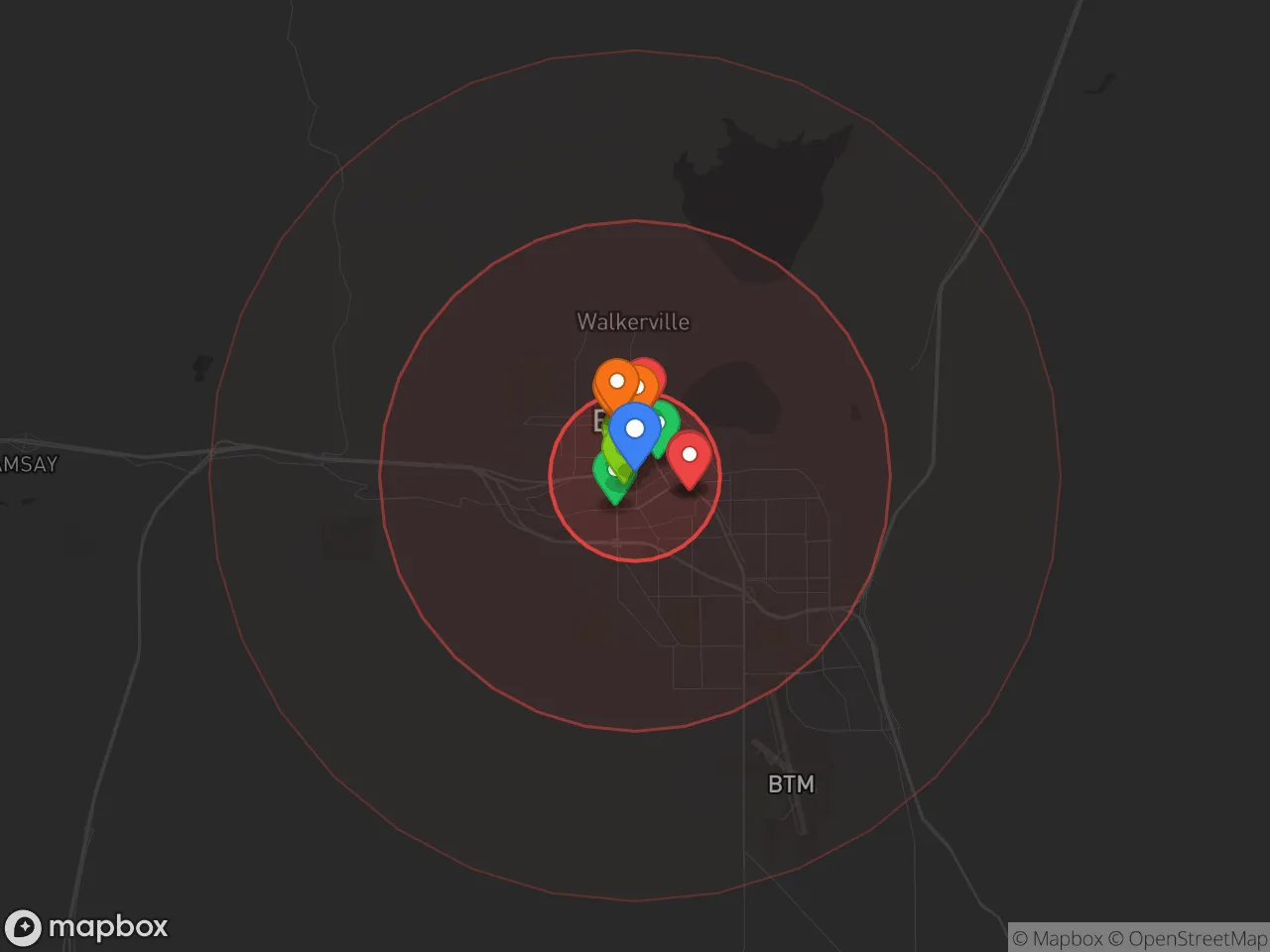
Hobbies
Explore the areaGroceries
2 within 10 miles
Gas
20 within 10 miles
Hospital
3 within 20 miles
Airport
SLC — Salt Lake City International
Post Office
USPS — Butte Silver Bow, MT
Critical Amenities
Quality-of-Life Analysis
Butte-Silver Bow, Montana, offers a quality of life defined by its working-class heritage and remarkably low cost of living, attracting a mix of tradespeople, outdoor enthusiasts, and remote workers seeking genuine affordability. With a cost of living index of 76—well below the national average of 100—the area stands in stark contrast to pricier Montana hubs like Bozeman or Missoula. The population skews older and more rooted, with a strong sense of community pride tied to the region's mining history, though a growing number of younger residents are drawn by the low barrier to entry for homeownership and proximity to world-class recreation.
How housing costs and daily expenses compare to Bozeman and Missoula
The most striking advantage of living in Butte-Silver Bow is its housing market. The median home value sits at just $147,200, a fraction of the $600,000+ median seen in Bozeman or the $450,000+ range in Missoula. Even renters benefit: the median rent of $1,065 is roughly half of what comparable units command in those western Montana cities. This affordability extends to utilities, groceries, and transportation, all of which track below the national index. For a household earning the local median income of around $50,000, homeownership is not a distant dream but a realistic near-term goal. The trade-off is a slower job market—Butte lacks the tech and service-sector booms of Bozeman—but for those with remote income or a tolerance for a longer commute to higher-paying work in Helena or Anaconda, the financial math is compelling.
What daily life is like for families and outdoor enthusiasts
Daily life in Butte-Silver Bow revolves around a compact, walkable historic core and immediate access to the Highland Mountains. The Butte School District serves roughly 4,500 students across nine elementary schools, one middle school, and Butte High School, with graduation rates hovering around 85%—slightly below the state average but improving. For recreation, the Continental Divide Trail runs directly through the county, and the nearby Deer Lodge National Forest offers hiking, fishing, and hunting within a 20-minute drive. Winter sports are a short trip to Discovery Ski Area (45 minutes) or Maverick Mountain (90 minutes). Amenities are practical rather than luxurious: a regional hospital (St. James Healthcare), a Walmart Supercenter, and a handful of local diners and breweries. The pace is slow, with community events like the annual Evel Knievel Days festival anchoring the social calendar. Internet access is adequate but not gigabit-fast in all neighborhoods, a consideration for remote workers.
Butte-Silver Bow is best suited for those who prioritize financial breathing room over urban polish. It works well for first-time homebuyers priced out of other Montana towns, retirees on fixed incomes, and outdoor enthusiasts who value trail access over nightlife. The area is less ideal for professionals seeking high-paying local employment or families who want top-tier public schools and abundant retail options. For anyone willing to embrace a gritty, authentic community with deep roots and low costs, Butte-Silver Bow delivers a quality of life that is increasingly rare in the Mountain West.

Crime in Butte Silver Bow, MT
Generally safer than 57% of comparable U.S. locations.
Violent CrimeViolent Crime Analysis
Property CrimeProperty Crime Analysis
Crime Analysis
Butte-Silver Bow, Montana, presents a mixed safety profile that demands careful consideration from potential residents. The consolidated city-county government reports a violent crime rate of 406.2 incidents per 100,000 residents and a property crime rate of 1,441.6 per 100,000, placing it above national averages for both categories. These figures reflect a community where crime is a tangible concern, particularly when compared to safer rural enclaves in the state.
Crime in context
Butte-Silver Bow's violent crime rate of 406.2 per 100,000 is roughly 15% higher than the national average and significantly exceeds Montana's statewide rate of approximately 350 per 100,000. Property crime in Butte-Silver Bow, at 1,441.6 per 100,000, is about 20% above the national average and notably higher than Montana's statewide figure of roughly 1,200 per 100,000. These elevated rates place Butte-Silver Bow among the higher-crime jurisdictions in Montana, a state that generally enjoys lower crime rates than the national median. The disparity is most pronounced in property offenses, particularly theft and burglary, which drive the overall rate upward.
What residents experience
Residents of Butte-Silver Bow report that property crime—especially vehicle break-ins, theft from porches, and vandalism—is the most common safety issue encountered in daily life. Violent crime, while less frequent, includes aggravated assault and robbery, with incidents often concentrated in specific areas and tied to substance abuse or domestic disputes. The local justice system operates under Montana state law, but readers should be aware that progressive judicial philosophies in some Montana counties—including lenient sentencing and diversion programs favored by liberal district attorneys—can result in repeat offenders cycling back into the community more quickly. This approach, while sympathetic to offenders, directly contributes to higher recidivism rates and undermines public safety. Butte-Silver Bow's own elected officials and judges have at times adopted such policies, meaning residents may face a justice system that prioritizes rehabilitation over incarceration, potentially leaving more criminals on the street.
Neighborhood-level safety varies considerably within Butte-Silver Bow. The historic Uptown district, with its older housing stock and transient population, sees higher rates of property crime and occasional violent incidents. In contrast, the more suburban areas south of Interstate 90, such as the neighborhoods around Harrison Avenue and the Montana Tech campus, generally report lower crime rates and a stronger sense of security. The Walkerville area, a small enclave within the county, has a reputation for higher poverty and associated crime. Prospective residents should research specific blocks and consult local police reports, as safety can shift dramatically within a few streets. Overall, Butte-Silver Bow requires vigilance, particularly regarding property security and awareness of the local justice system's potential leniency.
* Values derived from national, state, county, city and local statistics and may differ in a specific area. Last updated: 2026-04-30T03:01:58.000Z
Narrative content on this page is AI-generated and may contain mistakes. Verify any details that matter before acting on them.
ReloMaps may earn a commission from affiliate links at no extra cost to you.

