Political ClimatePolitical Climate in Butte Silver Bow, MT
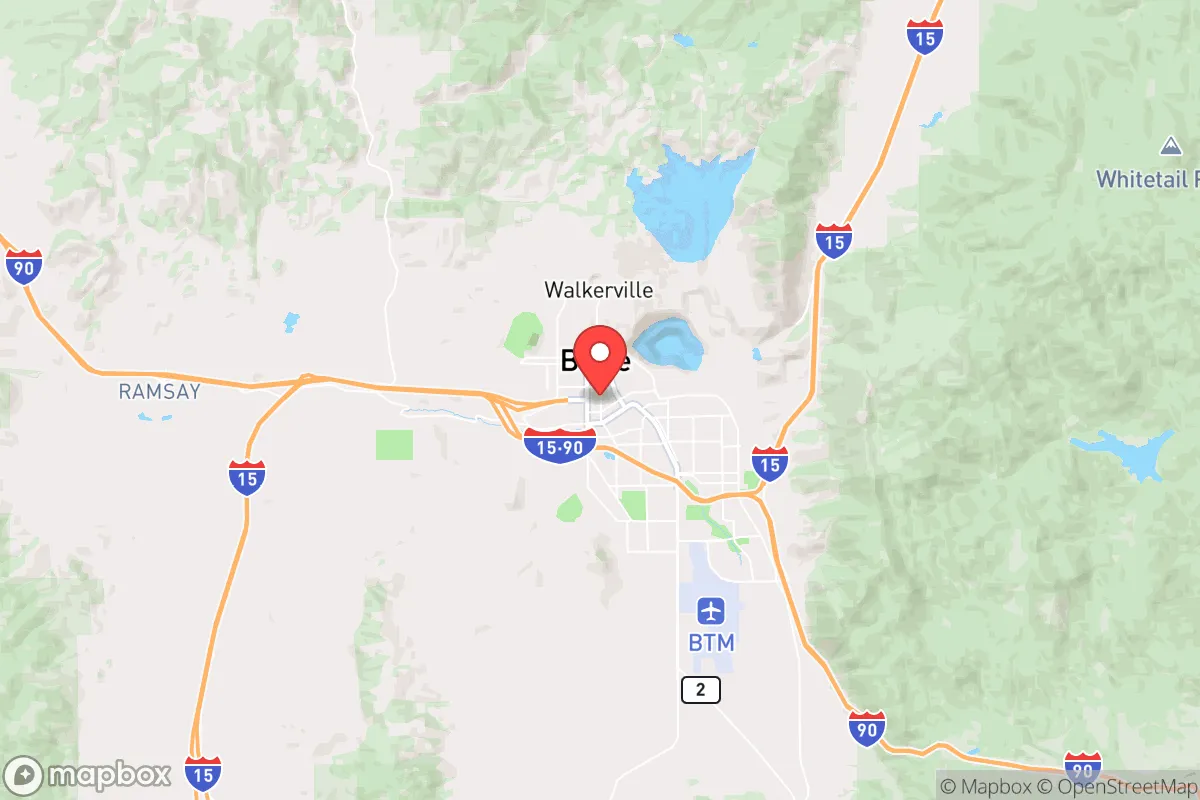
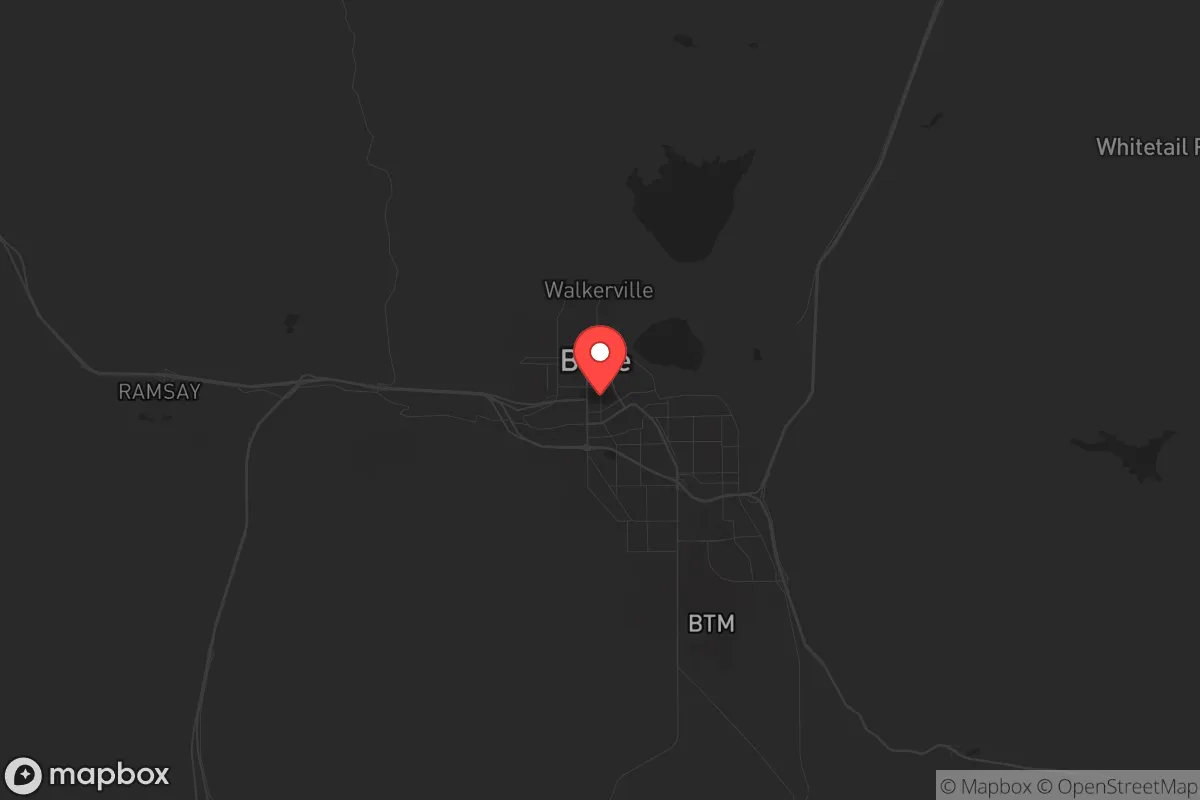
District shown is the primary district for this city’s centroid. Cities may span multiple districts.
Local Political AnalysisPolitical Analysis of Butte Silver Bow, MT
Butte-Silver Bow has long been a political outlier in Montana, a blue dot in a sea of red, but the ground is shifting under our feet. The area carries a Cook PVI of R+5, meaning it leans Republican overall, but that number masks a deep internal struggle. For decades, Butte was a union stronghold, a place where Democrats won by default because of the mining heritage. But the old guard is fading, and the county is slowly, sometimes painfully, realigning with the rest of the state. The 2024 election saw Trump improve his margin here compared to 2020, and that trend has a lot of folks I know—folks who used to vote straight-ticket Democrat—feeling more at home with the GOP’s message on local control and keeping the government out of our lives.
How it compares
Drive 90 miles east to Bozeman, and you’re in a different world—a rapidly growing, increasingly progressive college town where property taxes are through the roof and the city council seems more interested in bike lanes than keeping the streets plowed. Head west to Missoula, and you get the same vibe, only with more granola. Butte is different. We’re still a working-class town, and that shows in the voting patterns. While Gallatin County (Bozeman) has flipped back and forth in recent cycles, Silver Bow County has held the line, but it’s a thinner line every year. The contrast with nearby Anaconda (Deer Lodge County) is instructive: Anaconda is even more union-heavy and has resisted the shift longer, but even there, you see the same frustration with state-level mandates and federal overreach. The real battle here isn’t between Butte and the suburbs—it’s between the old-school, pro-union Democrats who still believe in big government solutions and the newer, more libertarian-leaning conservatives who just want to be left alone.
What this means for residents
For the average person living in Butte, the political climate translates directly into how much the government meddles in your daily routine. The county commission has been a battleground over issues like mask mandates, zoning restrictions, and even how much say the state health department has over local businesses. The shift toward a more conservative majority on the commission has meant fewer lockdowns, less red tape for small contractors, and a general sense that your property rights still mean something. But it’s not a done deal. The progressive faction, backed by out-of-state money and some local nonprofits, keeps pushing for more regulations on everything from short-term rentals to energy efficiency standards. If you value being able to run your own business without a dozen permits, or if you don’t want the county telling you what you can do with your land, the current trajectory is a relief—but it’s fragile. The 2026 midterms will be a real test of whether Butte stays on this path or slides back toward the kind of top-down control that drove so many of us away from the Democratic Party in the first place.
Culturally, Butte still has a distinct identity that sets it apart from the rest of Montana. We’re the “Richest Hill on Earth,” and that mining heritage breeds a fierce independence. You see it in the way people talk about the Berkeley Pit—a man-made environmental disaster that the feds and the state have been bickering over for decades, while locals just want a practical solution, not another study. There’s a deep skepticism of Helena and Washington here, a feeling that the people in charge don’t understand what it’s like to live in a place where winter lasts six months and the nearest big-box store is an hour away. That skepticism is healthy, in my book. It keeps the politicians honest, or at least reminds them that we’re watching. The biggest policy distinction you’ll notice is the county’s approach to land use: we don’t have the kind of strict planning codes you see in Bozeman or Missoula. You can still buy a fixer-upper on a quarter-acre and do what you want with it, within reason. That freedom is exactly what’s at stake in the coming years. If the progressive wave crests here, that independence will be the first thing to go. For now, though, Butte is still a place where a handshake matters more than a permit, and that’s worth fighting for.

State Political ClimatePolitical Climate in Montana
State Political AnalysisPolitical Environment in the State
Montana has long been a reliably Republican state in presidential elections, voting for the GOP candidate in every contest since 1992 except for Bill Clinton’s 1992 win. However, the state’s political identity is more nuanced than a simple red-state label. The dominant coalition is a mix of rural conservatives, libertarian-leaning ranchers, and a growing number of out-of-state transplants, many of whom are fleeing progressive policies elsewhere. Over the past 10-20 years, the state has seen a slow but steady rightward shift in statewide offices, with Republicans now holding a supermajority in the legislature and all statewide executive positions. Yet, the western mountain counties and the college town of Missoula have become increasingly blue, creating a sharp urban-rural divide that defines Montana’s political landscape today.
Urban vs. rural divide
The political map of Montana is a study in contrasts. The state’s largest population centers — Billings, Missoula, Bozeman, and Helena — are the primary drivers of the state’s political dynamics. Missoula County, home to the University of Montana, has become a Democratic stronghold, voting for Joe Biden by a 20-point margin in 2020. Bozeman’s Gallatin County, once reliably red, has flipped to a swing county in recent cycles, with Biden winning it by just 1.5 points in 2020 — a sign of the rapid in-migration of younger, more progressive professionals. Meanwhile, Billings (Yellowstone County) remains a Republican anchor, though its suburbs are seeing some Democratic inroads. The rural expanse — places like Glendive, Miles City, and Cut Bank — votes overwhelmingly Republican, often by margins of 70% or more. The divide is stark: the western mountain valleys are trending purple, while the eastern plains and small towns are solidly red. This geographic split means that state-level races are often decided by which side turns out more effectively, with rural voters currently holding the upper hand.
Policy environment
Montana’s policy environment is a reflection of its conservative legislature and governor. The state has no state sales tax, a major draw for conservatives, and a relatively low income tax rate (a flat 6.75% for most earners). Property taxes are moderate but vary by county. The regulatory posture is business-friendly, with limited zoning in most rural areas and a right-to-work law that has kept union influence in check. Education policy is a hot-button issue: the legislature passed a school choice bill in 2023 that expanded charter schools and education savings accounts, a win for parental rights advocates. Healthcare is a mixed bag — Montana expanded Medicaid under the Affordable Care Act in 2015, a decision that remains controversial among conservatives, but the state has not adopted a state-run insurance exchange. Election laws have been tightened: voter ID requirements were strengthened in 2021, and same-day voter registration was eliminated. The state also passed a law in 2023 banning ranked-choice voting, a move that pleased traditional conservatives but frustrated reform-minded libertarians.
Trajectory & freedom
On the freedom front, Montana has been a mixed bag in recent years. The good news for conservatives: the state passed constitutional carry in 2021, allowing permitless carry of firearms, and has a strong castle doctrine. Parental rights were bolstered with the 2023 “Parents’ Bill of Rights,” which requires schools to notify parents about curriculum changes and medical services. Property rights were strengthened with a 2021 law limiting the use of eminent domain for private projects. However, there are concerning trends. The state’s COVID-19 response was relatively light compared to blue states, but Governor Greg Gianforte did impose a mask mandate in 2020, which angered many libertarians. More recently, the legislature passed a law in 2023 banning transgender athletes from girls’ sports, a move that aligns with conservative values but has drawn legal challenges. The biggest red flag for freedom advocates is the state’s land use planning — while rural areas remain largely unregulated, Bozeman and Missoula have adopted growth boundaries and impact fees that some see as creeping government overreach. Overall, Montana is trending more conservative on social issues but is seeing a slow erosion of property rights in its fastest-growing counties.
Civil unrest & political movements
Montana is not known for widespread civil unrest, but there have been notable flashpoints. The Yellowstone Club controversy in 2021, where a private club in Big Sky was accused of discriminatory practices, sparked protests from left-leaning groups in Bozeman. More significantly, the Standing Rock pipeline protests in neighboring North Dakota drew Montana activists, but the state itself saw relatively little unrest. On the right, the Montana Freedom Caucus has become a powerful force in the legislature, pushing for stricter immigration enforcement and opposing any form of sanctuary city policies. The state has no sanctuary jurisdictions, and a 2023 law requires local law enforcement to cooperate with federal immigration authorities. Election integrity has been a major issue: the 2020 election saw allegations of irregularities in Missoula County, leading to a 2021 audit that found no widespread fraud but did recommend tighter procedures. The most visible political movement is the “Montana Land Alliance,” a property rights group that has successfully fought against proposed federal land transfers and local zoning expansions. For a new resident, the political climate is generally calm, but the divide between the progressive mountain towns and the conservative rural areas is palpable in everyday conversations.
Projection
Looking ahead 5-10 years, Montana’s political trajectory is uncertain but leans toward continued conservative dominance at the state level, with growing tension in the urban centers. The state is projected to gain a second congressional seat after the 2030 census, which will likely be a competitive district centered on the growing Bozeman-Missoula corridor. In-migration from California, Washington, and Oregon is accelerating — Gallatin County grew by 20% between 2020 and 2024 — and these newcomers tend to be more moderate or even left-leaning on cultural issues, even if they are fiscally conservative. This demographic shift could flip Gallatin County blue within a decade, making it a swing district that could determine control of the state legislature. However, the rural counties are also growing, albeit more slowly, and the state’s legislative map is heavily gerrymandered in favor of rural areas. The biggest wildcard is the 2024 election and the potential for a national Democratic wave that could flip the governor’s mansion. For a conservative moving in now, expect the state to remain a red stronghold for the next 5 years, but the cultural battles will intensify, especially in Bozeman and Missoula. The freedom landscape will likely see more fights over land use, school curriculum, and gun rights as the urban-rural divide deepens.
For a new resident, the bottom line is this: Montana offers a high degree of personal freedom compared to most states, especially on gun rights, taxation, and parental control over education. However, the state is not a libertarian paradise — property rights are under pressure in growing areas, and the influx of out-of-state money is driving up housing costs and changing the political calculus. If you’re moving here for the freedom, you’ll find it in the rural counties and small towns like Hamilton or Lewistown, but you’ll need to be prepared for the culture clash in the cities. The best advice: pick your county carefully, get involved in local politics, and don’t expect the state to stay exactly as it is today. The Montana you move to in 2026 will look different by 2036, and the direction it goes depends on who shows up to vote.
* Values derived from national, state, county, city and local statistics and may differ in a specific area. Last updated: 2026-04-30T03:01:58.000Z
Narrative content on this page is AI-generated and may contain mistakes. Verify any details that matter before acting on them.
ReloMaps may earn a commission from affiliate links at no extra cost to you.

