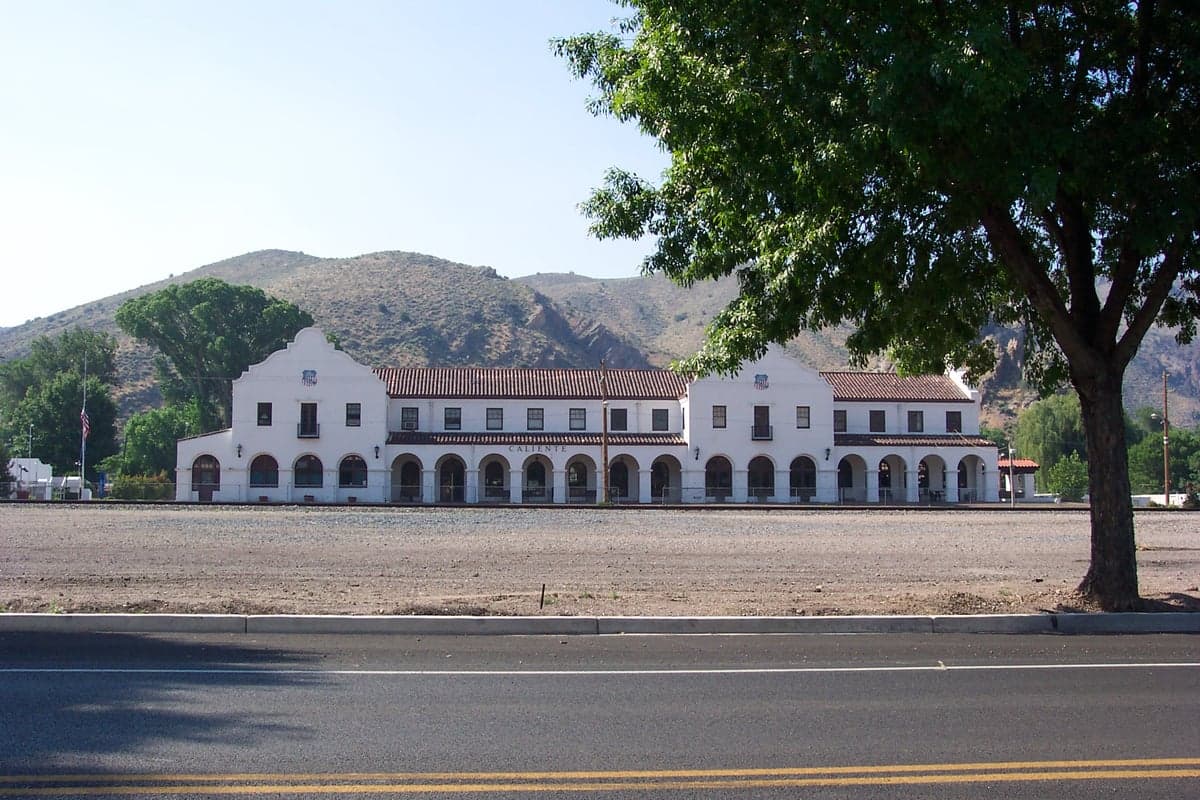
Photo: Wikipedia
Political ClimatePolitical Climate in Caliente, NV
District shown is the primary district for this city’s centroid. Cities may span multiple districts.
Local Political AnalysisPolitical Analysis of Caliente, NV
Caliente, Nevada, has long been a place where folks value their independence and don't take kindly to being told how to live their lives. While the Cook PVI rating of D+2 might suggest a slight Democratic lean on paper, the reality on the ground in Lincoln County is far more nuanced—and frankly, more conservative than that number implies. The town's political climate is rooted in a deep-seated skepticism of government overreach, a sentiment that's only grown stronger as progressive policies from Las Vegas and Carson City have started creeping into rural life. If you're looking for a place where your Second Amendment rights aren't up for debate and where local control still means something, Caliente is one of the last holdouts in a state that's shifting in troubling directions.
How it compares
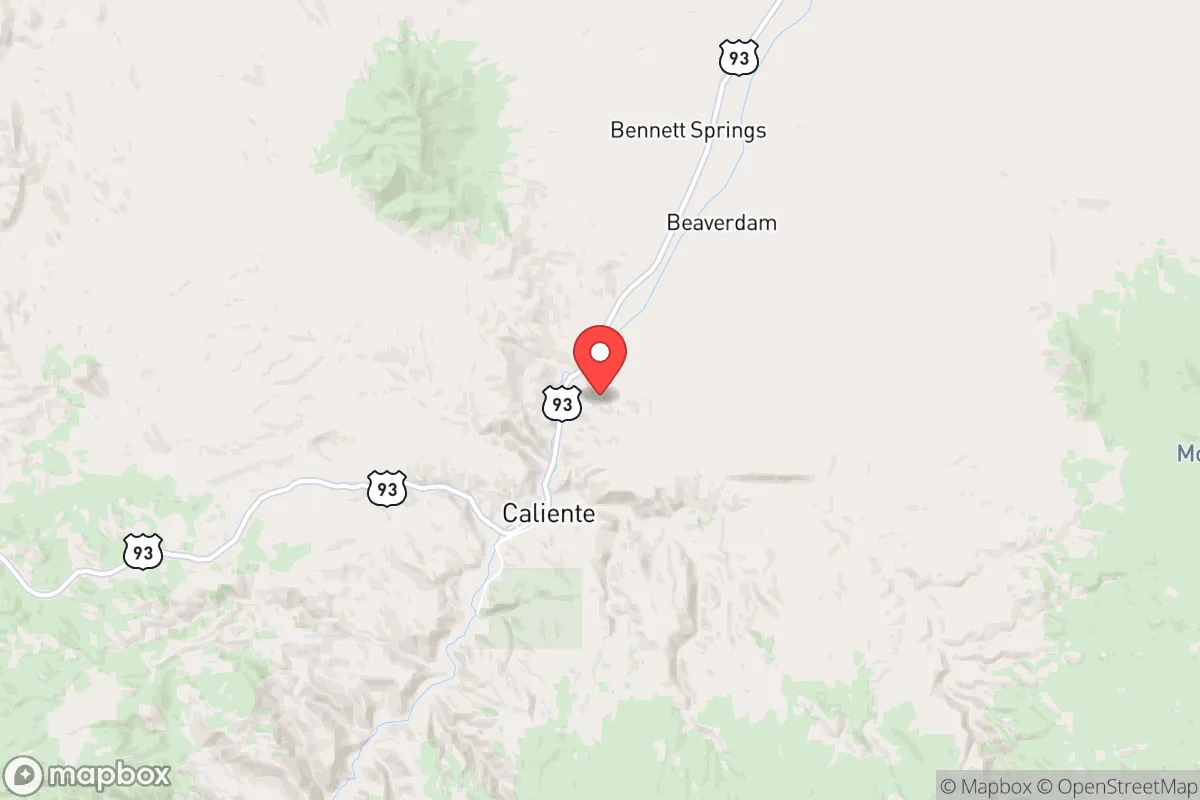
Drive an hour west to Pioche, and you'll find a similar independent streak, though it's a bit more weathered by time. But head south to Alamo or north to Ely, and the political vibe gets noticeably more conservative—those areas vote reliably red, with Ely's White Pine County often tipping +20 or more for Republican candidates. The real contrast, though, is with Las Vegas, about 150 miles southwest. That's where the state's political machine lives, pushing policies on gun control, land use, and water rights that feel like they were written by people who've never spent a day in a small town. Caliente's D+2 rating is largely a statistical artifact of a few transient residents and seasonal workers; the core community leans heavily toward traditional values and limited government. You won't find many yard signs for progressive candidates here, and the local county commission fights tooth and nail against any state mandates that threaten local autonomy.
What this means for residents
For someone moving here, the political climate means you can expect a government that stays out of your business—for now. Property taxes are low, zoning is minimal, and you can generally do what you want with your land without a dozen permits. But there's a growing unease. The state legislature in Carson City has been chipping away at local control, especially on issues like renewable energy mandates and water usage, which directly impact ranchers and small landowners. The long-term concern is that as Nevada's population grows and urbanizes, rural areas like Caliente will be increasingly outvoted on issues that matter most to them. If you value personal freedom—whether it's homeschooling your kids, carrying a firearm, or running a small business without red tape—Caliente is still a safe bet, but you'll need to stay engaged locally to keep it that way.
Culturally, Caliente stands apart from the rest of Nevada in a few key ways. It's one of the few towns in the state that still has a strong Mormon influence, which shapes community norms around family and self-reliance. You won't find the casino culture or 24-hour party scene that defines much of the state; instead, the social fabric is built around church potlucks, high school sports, and volunteer fire departments. Policy-wise, the town has resisted efforts to impose stricter building codes or land-use regulations, and the local sheriff's office is known for a "don't ask, don't tell" approach to minor personal choices that don't harm anyone. That said, the pressure is mounting. Water rights battles with the federal government and the Southern Nevada Water Authority are a constant headache, and there's a quiet fear that the state's push for green energy projects will bring unwanted federal oversight. For now, Caliente remains a place where you can live free, but you'll have to keep one eye on the horizon.

State Political ClimatePolitical Climate in Nevada
State Political AnalysisPolitical Environment in the State
Nevada’s political climate has shifted from a classic swing state to a competitive but left-leaning battleground over the past two decades, driven largely by explosive growth in Clark County (Las Vegas) and a shrinking rural base. The state’s overall partisan lean is now roughly D+3, with Democrats holding the governorship, both U.S. Senate seats, and both chambers of the legislature as of 2026. However, the trajectory is not a straight line—rural counties like Elko and Nye have hardened into Republican strongholds, while Washoe County (Reno) has become a true toss-up, and Clark County’s massive population continues to deliver Democratic victories by margins of 8-12 points in statewide races.
Urban vs. rural divide
The political map of Nevada is a tale of two worlds. The Las Vegas metro area—Clark County—accounts for roughly 73% of the state’s population and is the engine of Democratic power. The city of Las Vegas itself, along with suburbs like North Las Vegas and Henderson, votes reliably blue, though Henderson has shown some purple tendencies in local races. Reno and Sparks in Washoe County are more moderate; Washoe voted for Biden by just 2 points in 2020 and has elected both Republican and Democratic county commissioners. The rural expanse—places like Elko, Winnemucca, Pahrump, and the small town of Caliente—votes overwhelmingly Republican, often by 30-40 point margins. The divide is stark: a voter in Elko County might drive four hours to Reno and feel like they’ve entered a different country politically. This geographic split means that statewide elections are decided almost entirely in Clark County, which frustrates rural conservatives who feel their votes are drowned out by the Las Vegas machine.
Policy environment
Nevada’s policy environment is a mixed bag for conservatives. On the plus side, there is no state income tax, which is a major draw for individuals and businesses alike. Property taxes are relatively low, capped at 3% annual growth under the state constitution. However, the state has moved left on social and regulatory issues. In 2023, the legislature passed a red flag law (SB 143) allowing courts to temporarily seize firearms from individuals deemed a threat, which gun rights advocates see as a due process violation. The state also expanded mail-in voting permanently after the 2020 election, sending ballots to all active registered voters—a move that conservatives argue increases the risk of fraud. Education policy is a sore spot: Nevada consistently ranks near the bottom nationally in K-12 outcomes, and the state’s school choice options are limited compared to Arizona or Florida. The healthcare landscape is dominated by a few large systems, and the state expanded Medicaid under the Affordable Care Act, which has driven up costs. Election laws are relatively loose, with same-day registration and no voter ID requirement, which has been a flashpoint for election integrity concerns.
Trajectory & freedom
Nevada’s trajectory on personal freedom is concerning for conservatives. The state has become less free over the past five years, particularly on gun rights and parental autonomy. The 2023 red flag law (SB 143) was a clear expansion of government power, allowing judges to issue orders based on hearsay without a criminal conviction. In 2021, the legislature passed a law (AB 261) that removed the requirement for parental notification when a minor seeks an abortion, effectively giving children the ability to bypass their parents for medical procedures. On the economic freedom side, the state has avoided a state income tax, but the business regulatory environment has tightened with new labor laws, including a mandatory paid sick leave requirement passed in 2023. The silver lining is that Nevada’s rural counties have pushed back: Elko County passed a Second Amendment sanctuary resolution in 2020, and several counties have resisted state mandates on land use and water rights. But the overall trend in Carson City is toward more regulation and less individual liberty, driven by the Las Vegas delegation.
Civil unrest & political movements
Nevada has seen its share of political flashpoints. The 2020 election was a major battleground, with the state’s mail-in voting system leading to widespread allegations of irregularities, including the infamous “bus full of ballots” incident in Washoe County that was later debunked but fueled lasting distrust. The “Patriot” movement is active in rural areas, with groups like the Nevada Republican Assembly and the Elko County Tea Party holding regular meetings and pushing for election integrity reforms. In Las Vegas, the 2020 Black Lives Matter protests turned violent, with looting on the Strip and clashes with police, which hardened the divide between urban and rural residents. Immigration politics are a constant undercurrent: Nevada has a large Hispanic population (about 30%), and while many are conservative-leaning on social issues, the state’s sanctuary policies—like the 2019 law (AB 260) limiting local cooperation with ICE—have created tension. The “Keep Nevada Red” movement has gained traction in rural counties, with some activists floating the idea of a rural secession from Clark County, though it remains a fringe idea. The most visible flashpoint for a new resident would be the stark difference in political signage: in Pahrump, you’ll see “Trump Won” flags; in Las Vegas, “In This House We Believe” yard signs are common.
Projection
Over the next 5-10 years, Nevada is likely to continue its slow drift leftward, driven by in-migration from California and the growth of Clark County. The state’s population is projected to grow by about 1% annually, with most new arrivals settling in the Las Vegas suburbs of Henderson and Summerlin, which are trending more Democratic as younger, diverse families move in. The rural counties will continue to lose population and political influence, meaning that statewide races will become even more dependent on Clark County. However, there is a wild card: the “California exodus” has slowed, and some of the new arrivals are actually conservatives fleeing California’s policies, settling in places like Mesquite or the rural areas near the Utah border. If this trend accelerates, it could flip Washoe County back to red and make Clark County more competitive. The most likely scenario is a state that remains purple but leans blue, with a Republican governor occasionally winning in a low-turnout midterm, but the legislature staying in Democratic hands. A new resident moving in now should expect to see continued expansion of government programs, tighter gun laws, and a growing cultural divide between the urban core and the rural fringe.
Bottom line for a new resident: If you’re a conservative looking for a low-tax, low-regulation haven, Nevada still offers the no-income-tax advantage, but you’ll be fighting an uphill battle on social and cultural issues. The best bet is to settle in a rural county like Elko or Nye, where you can live among like-minded neighbors and avoid the worst of the Las Vegas machine. If you’re moving to the Reno area, be prepared for a politically mixed environment where your vote actually matters. But don’t expect the state to become more conservative—the demographic and political trends are clear, and the freedom you find here will depend heavily on which zip code you choose.
* Values derived from national, state, county, city and local statistics and may differ in a specific area. Last updated: 2026-05-03T20:32:23.000Z
Narrative content on this page is AI-generated and may contain mistakes. Verify any details that matter before acting on them.
ReloMaps may earn a commission from affiliate links at no extra cost to you.

