Photo: Wikipedia
Find The Best Places To Live in El Dorado County
PRO TIP! You can paste a Zillow or Redfin link to get info on that property.
Best Places to Live in El Dorado County
Cities & Towns in El Dorado County
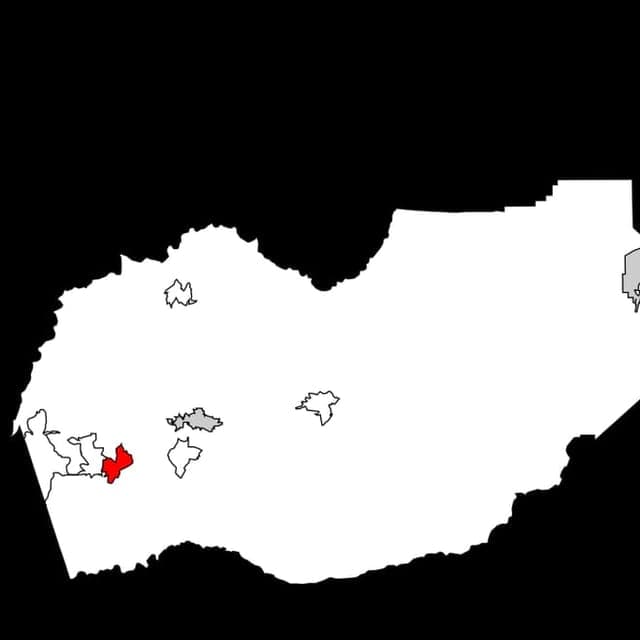
Cities in El Dorado County
What It's Like Living in El Dorado County, CA
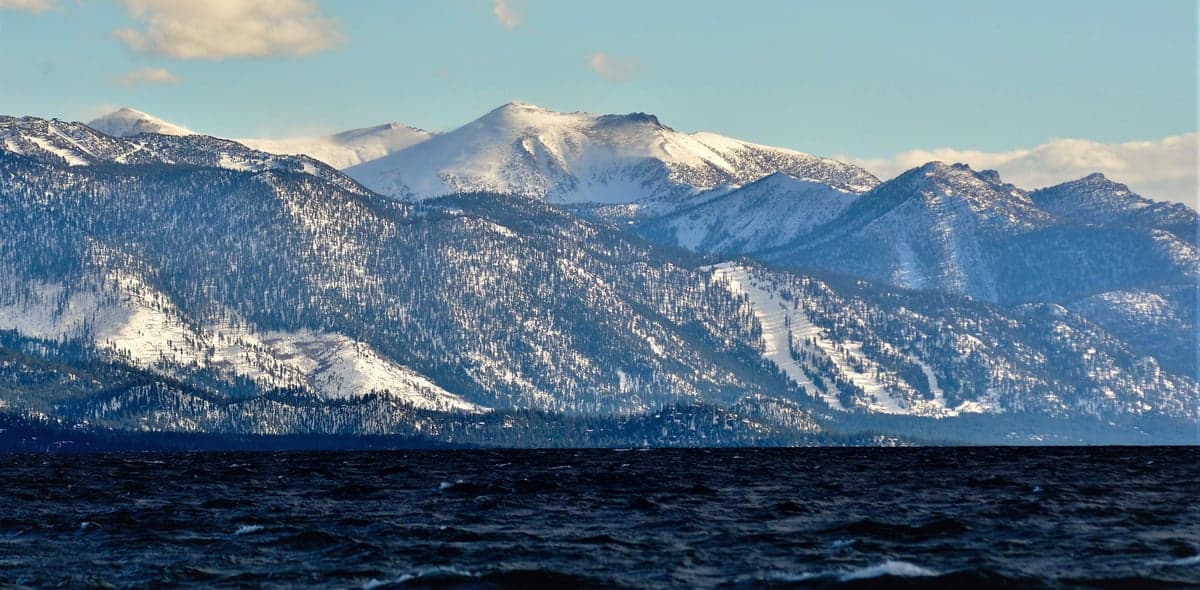
Living in El Dorado County means waking up to a landscape that shifts from the Sierra Nevada foothills up to the shores of Lake Tahoe, where the pace of life is dictated more by the seasons than by rush hour. It’s a place where you can spend a Saturday morning at a farmers market in Placerville, then be hiking a Pacific Crest Trail section by afternoon, and still make it home for a high school football game under the lights. The county’s identity is a blend of Gold Country history, outdoor recreation, and a growing commuter population that works in Sacramento or the tech hubs of Folsom and Roseville but wants a slice of mountain quiet.
Daily Rhythm: From Placerville’s Main Street to Pollock Pines’ Forest Trails
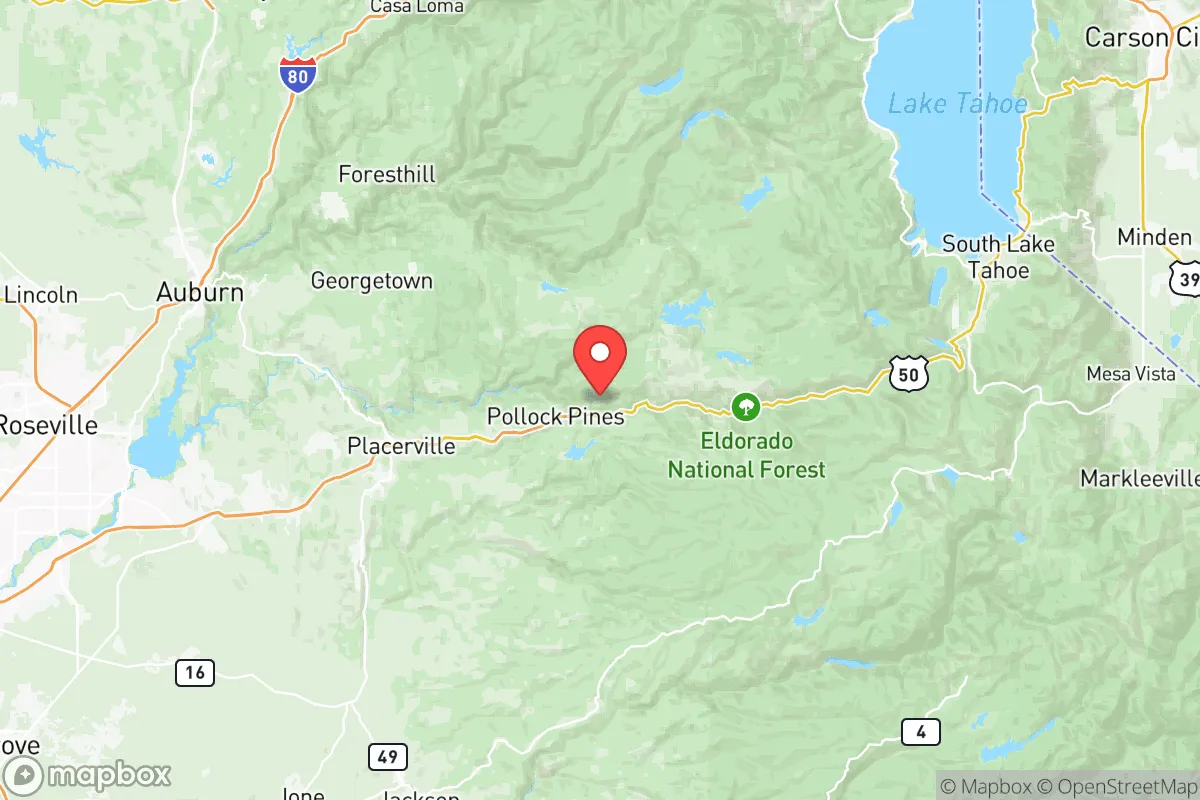
For most residents, daily life revolves around a handful of distinct hubs. Placerville, the county seat, is the commercial and social anchor—its historic Main Street is lined with independent shops, breweries like Solid Ground Brewing, and the long-running Placerville Farmers Market (May through October). People here don’t just shop at big-box stores; they know the butcher at Placerville Meat Market and grab coffee at Bella Bru before heading to work. El Dorado Hills, the county’s largest incorporated city (population roughly 50,000), feels more suburban and affluent, with master-planned neighborhoods, the El Dorado Hills Town Center (a walkable outdoor mall with a movie theater and upscale dining), and a strong sense of school-driven community. Cameron Park and Shingle Springs sit in between—more rural, with larger lots, horse properties, and a quieter vibe. Pollock Pines, up the hill, is where you go for cabin life, snow play in winter, and a slower, more isolated rhythm. The average commute of about 28 minutes is a real trade-off: many residents drive down the hill to jobs in Folsom or Sacramento, trading daily traffic for a home with acreage and trees.
Sports, Community, and the Weekend Vibe
High school sports are a genuine cultural touchstone here, not just a pastime. El Dorado High School in Placerville and Oak Ridge High School in El Dorado Hills draw big crowds for Friday-night football, and the rivalry games between the two can pack bleachers with families who’ve lived in the county for generations. There’s no major pro team in the county itself, but the Sacramento Republic FC (soccer) and Sacramento Kings (NBA) are a 40-minute drive away, and many residents hold season tickets. For outdoor enthusiasts, the weekend routine is built around the American River—rafting, fishing, and gold-panning in summer—and the Desolation Wilderness near Lake Tahoe for backpacking and skiing. The El Dorado County Fair in Placerville (every June) is a big deal: livestock shows, carnival rides, and a demolition derby that feels like a county-wide reunion. In El Dorado Hills, the Serrano Country Club and Empire Ranch Golf Course anchor a more polished social scene, while Placerville’s Hangtown Music Festival (bluegrass and folk) draws a younger, artsier crowd.
What Fits Here—and What Doesn’t
The county’s median age of 46.1 and median household income of $106,190 paint a picture of a place that’s settled, not transient. The kind of person who thrives here is someone who values space and quiet over nightlife, who doesn’t mind a 30-minute drive to the nearest Target, and who wants their kids to grow up with creeks to explore and neighbors who wave. Families are drawn by the school districts—especially Buckeye Union School District in El Dorado Hills and Gold Trail Union School District in Placerville—which are consistently rated among the best in the Sacramento region. The cost of living index at 175 (well above the US average of 100) is the biggest shock for newcomers, driven almost entirely by housing: the median home value of $640,500 means a modest three-bedroom in Placerville can cost as much as a larger house in Sacramento. Rentals are scarce and expensive, especially in El Dorado Hills. The violent crime rate of 434.5 per 100,000 is higher than the national average, but it’s concentrated in specific areas—property crime (vehicle break-ins, shed thefts) is the more common frustration for rural residents, especially near the Highway 50 corridor.
What longtime residents love most is the genuine four-season rhythm: mild, dry summers perfect for lake days at Folsom Lake or Jenkinson Lake (Sly Park), crisp autumns with apple picking at Apple Hill (a collection of 50+ family farms and bakeries that draws crowds from all over Northern California), and snowy winters that turn Pollock Pines and Grizzly Flat into a sledding and snowshoeing playground. What frustrates them is the traffic on Highway 50—the main artery through the county—which can turn a 20-minute commute into an hour during ski season or summer weekends, and the lack of high-paying local jobs outside of healthcare, education, and government. Many residents work remotely for tech companies or commute to Sacramento, which means the county’s 38.8% college-educated rate reflects a population that’s educated but often underemployed locally. The cultural quirks are real: you’ll see “Keep Tahoe Blue” bumper stickers next to “Don’t Tread on Me” plates, and the local politics lean conservative (the county voted +15 for Trump in 2020), but it’s a live-and-let-live conservatism—more about property rights and low taxes than social crusading. If you’re looking for a place where you can own a piece of land, raise kids with access to the outdoors, and still be within striking distance of a city, El Dorado County delivers—but you’ll pay for the privilege, and you’ll learn to love the drive.

* Values derived from national, state, county, city and local statistics and may differ in a specific area. Last updated: 2026-10-04T11:19:19.000Z
Narrative content on this page is AI-generated and may contain mistakes. Verify any details that matter before acting on them.
ReloMaps may earn a commission from affiliate links at no extra cost to you.

