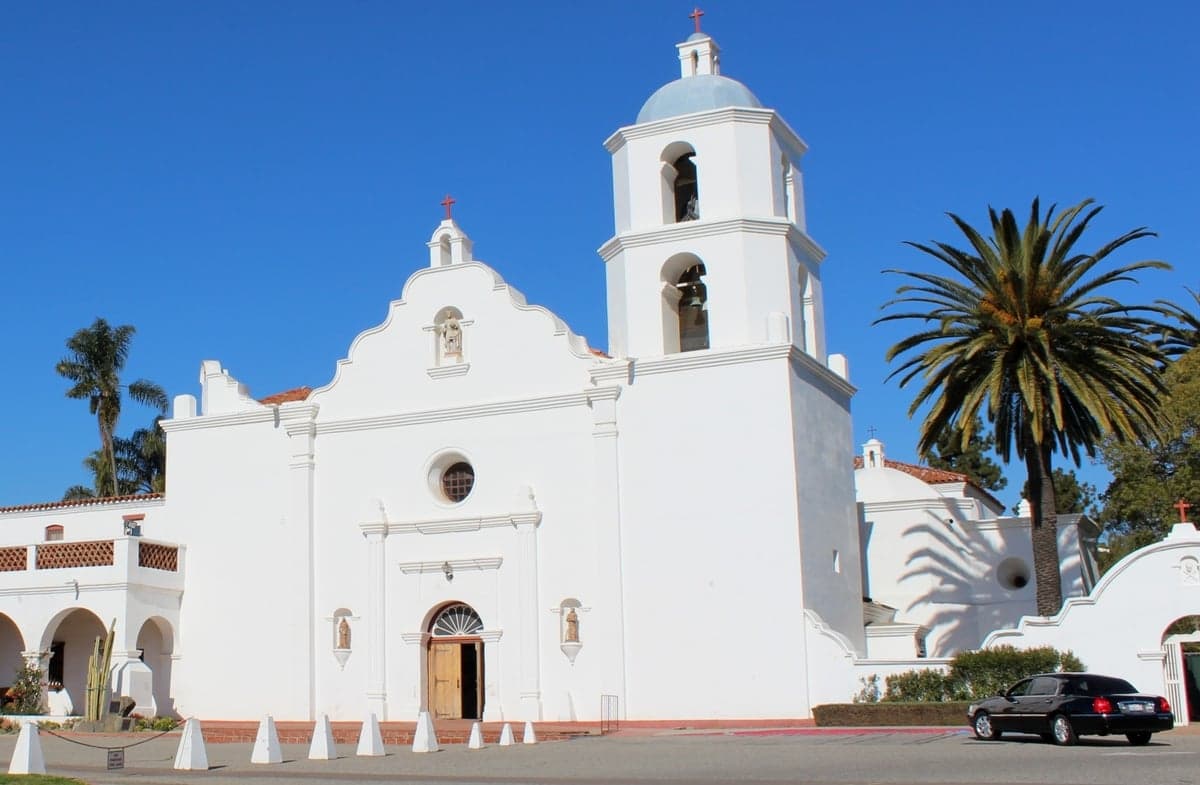
Photo: Wikipedia
Personal Sovereignty in San Diego County
Viable for self-reliance. Generally workable, though some barriers may limit total independence.
What does Personal Sovereignty tell us?
Personal Sovereignty measures your capacity for self-reliance and independence with minimal government friction. Higher scores mean fewer barriers between you and the way you want to live... but it assumes you have the space you need and good neighbors.
What does this tell us?
Personal Sovereignty measures your capacity for self-reliance and independence with minimal government friction. Higher scores mean fewer barriers between you and the way you want to live... but it assumes you have the space you need and good neighbors.
State Policy
Energy independence: Importer (33% of energy produced in-state)
Personal Liberty
Homesteading

Personal Liberty Analysis
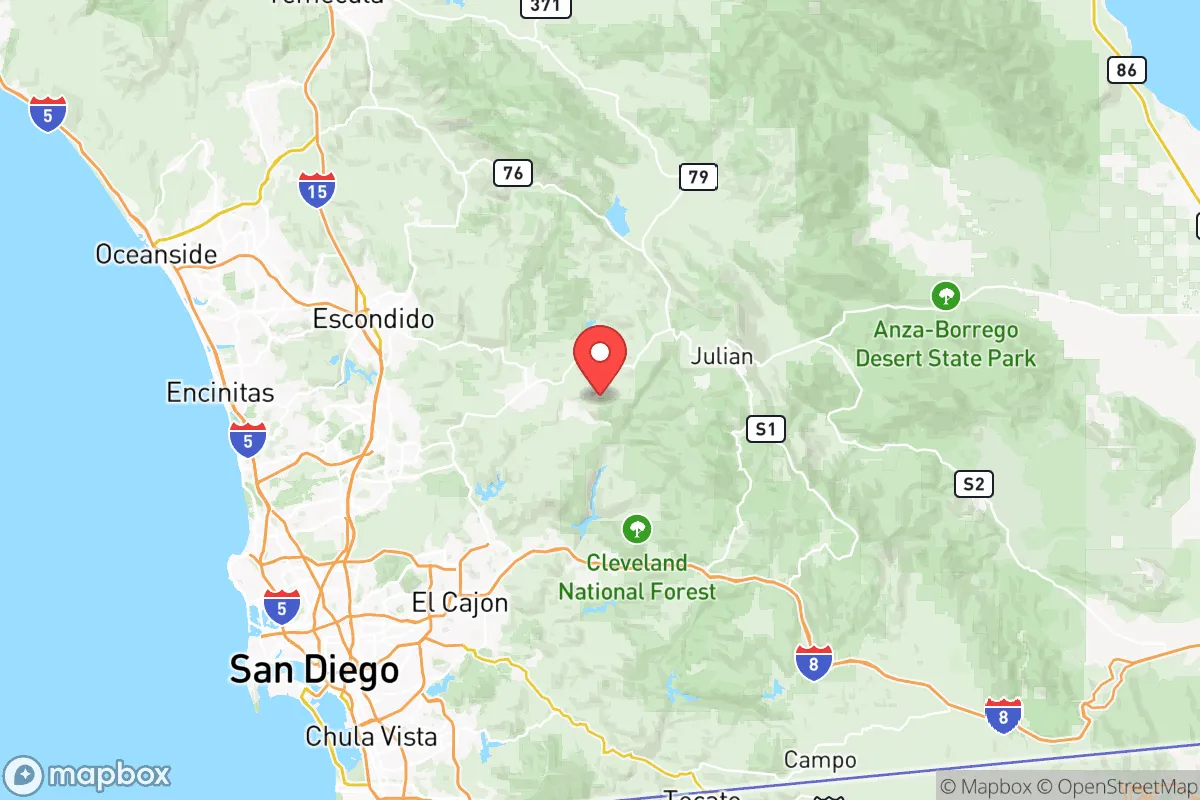
San Diego County presents a deeply conflicted environment for personal sovereignty, where California’s aggressive state-level overreach collides with a surprisingly resilient undercurrent of individualist culture in its eastern and northern hinterlands. While the coastal cities and urban core enforce a dense web of mandates on everything from energy use to medical choice, the county’s vast backcountry—stretching from the high desert of Julian to the chaparral of Potrero—offers pockets where a determined individual can still carve out a life with minimal government intrusion. For the single person or parent prioritizing autonomy, the key is understanding that San Diego County is not a monolith: your sovereignty will be radically different depending on whether you live within the city limits of San Diego or on a five-acre parcel near Boulevard.
Tax burden and regulatory posture in San Diego County
California’s tax regime is a direct assault on financial sovereignty, and San Diego County offers no escape. The state’s progressive income tax tops out at 13.3%, hitting high earners hard, while sales tax in most of the county hovers around 7.75% to 8.75% depending on the city. Property taxes, thanks to Prop 13, are capped at 1% of assessed value plus local bonds, which provides some stability but does nothing to shield you from the state’s appetite for your earnings. The regulatory posture is equally suffocating: California’s California Environmental Quality Act (CEQA) can be weaponized by anyone to delay or kill construction, energy projects, or even simple home improvements. In the city of San Diego, obtaining a permit for a backyard shed can take months and cost thousands. However, unincorporated areas like Jacumba Hot Springs or Campo operate under county zoning, which is more lenient than city codes but still requires adherence to state fire, water, and building codes. For a prepper or survivalist, the tax burden alone is a strong argument for earning income outside California or structuring assets to minimize exposure—but the regulatory drag on self-reliance projects is a constant friction.
Self-defense rights and gun law specifics in the region
California’s gun laws are among the most restrictive in the nation, and San Diego County is ground zero for enforcement. The state bans so-called “assault weapons,” standard-capacity magazines, and imposes a 10-day waiting period and a background check for every purchase. Concealed carry was historically difficult to obtain in San Diego County under the “good cause” standard, but the 2022 Supreme Court decision in Bruen forced the county to issue permits to law-abiding residents who complete a training course and pass a background check. As of 2025, the San Diego County Sheriff’s Department processes CCW applications with a typical wait of 90-120 days, and the permit is valid for two years. However, the state’s roster of approved handguns limits your choices, and ammunition purchases now require a background check and a $1 fee per transaction. For the self-defense-minded individual, the reality is that you can legally carry a firearm in San Diego County, but the process is burdensome and the state legislature is constantly pushing for more restrictions. In contrast, rural areas like Borrego Springs or Pine Valley have a strong gun culture where private land shooting is common, but you just need to be aware that even on your own property, discharging a firearm within 150 yards of an occupied dwelling is illegal. The legal landscape here is hostile to the armed citizen, and anyone serious about self-defense should consider whether the trade-offs of living in California are worth it.
Self-reliance and homesteading viability across the county
Homesteading in San Diego County is possible, but it requires navigating a maze of zoning, water rights, and fire regulations. In the unincorporated backcountry, minimum lot sizes vary: Julian and Santa Ysabel typically require 2-5 acres for a single-family home, while areas like Warner Springs or Lake Morena may allow 1-acre parcels. Off-grid living is technically feasible but heavily regulated. Solar panels are encouraged, but battery storage must meet state fire codes. Rainwater catchment is legal and even incentivized, but you must register your system with the county. Composting toilets are allowed in areas without sewer access, but they require a permit and annual inspection. The biggest hurdle is water: many backcountry parcels rely on wells, which require a permit, a pump test, and compliance with the Sustainable Groundwater Management Act (SGMA). In practice, this means drilling a well can cost $20,000-$50,000 with no guarantee of yield. Raising livestock is generally permitted on parcels of 2.5 acres or more in unincorporated areas, but chickens, goats, and bees are subject to setback requirements and noise ordinances. For the prepper, the Potrero and Boulevard areas offer the best balance of affordable land (still $10,000-$20,000 per acre as of 2025) and minimal county oversight, but you will never achieve the level of self-reliance possible in Texas or Arizona due to California’s pervasive regulatory state.
Personal liberties: parental rights, medical autonomy, speech, and property
California’s progressive consensus directly undermines several core personal liberties. Parental rights are under constant assault: the state’s “gender identity laws allow minors to access certain medical treatments without parental consent, and school districts like San Diego Unified have policies that can keep information about a child’s gender transition from parents. Medical autonomy is similarly constrained—California mandates COVID-19 and other vaccines for school attendance, and the state’s medical board aggressively prosecutes doctors who prescribe off-label treatments. Free speech is protected by the First Amendment, but California’s “hate speech” laws and workplace harassment standards create a chilling effect, particularly in public employment. Property rights are the most compromised: the California Coastal Commission has near-veto power over development within the coastal zone, which covers most of western San Diego County, and the state’s rent control laws (AB 1482) cap annual rent increases at 5% plus inflation, limiting what a landlord can do with their own property. For the conservative individual, these encroachments are a daily reality. The best strategy is to live in a county-supervised area like Valley Center or Fallbrook, where local politics lean more libertarian and enforcement of state mandates is less aggressive, but you cannot escape the long arm of Sacramento.
Overall, San Diego County offers a severely constrained version of personal sovereignty compared to states like Texas, Florida, or Arizona. The tax burden, gun laws, and regulatory environment are designed to limit individual autonomy in favor of collective outcomes. However, for those who are determined to stay—due to family, career, or climate—the eastern and northern backcountry provides a relative sanctuary where you can own land, carry a firearm, and raise your children with fewer daily intrusions than in the coastal cities. The key is to choose your location carefully, structure your finances to minimize state exposure, and accept that full sovereignty is not achievable here. San Diego County is a place to live strategically, not freely.

* Values derived from national, state, county, city and local statistics and may differ in a specific area. Last updated: 2026-05-17T12:01:21.000Z
Narrative content on this page is AI-generated and may contain mistakes. Verify any details that matter before acting on them.
ReloMaps may earn a commission from affiliate links at no extra cost to you.

