
Photo: Wikipedia
Quality of Life in San Diego County
A livable area that tracks near national norms for affordability, walkability, and neighborhood health.
What does Quality of Life tell us?
Quality of Life measures an area by evaluating factors like cost of living, nearby amenities, country club access, airport proximity, socioeconomic signals and neighborhood character. For large states, this is a general average — quality of life can vary dramatically between metro areas, suburbs, and rural communities within the same state.
What does this tell us?
Quality of Life measures an area by evaluating factors like cost of living, nearby amenities, country club access, airport proximity, socioeconomic signals and neighborhood character. For large states, this is a general average — quality of life can vary dramatically between metro areas, suburbs, and rural communities within the same state.
Cost of Living
123% above national average
55%
The Real Cost of Living in San Diego County for 2026
| Tier | Individual | Family (4) |
|---|---|---|
| Survival | $34k | $65k |
| Comfortable | $126k | $185k |
| Luxury | $185k+ | $286k+ |
| Elite (Top 5%) | $217k+ | $337k+ |
Quality-of-Life Analysis
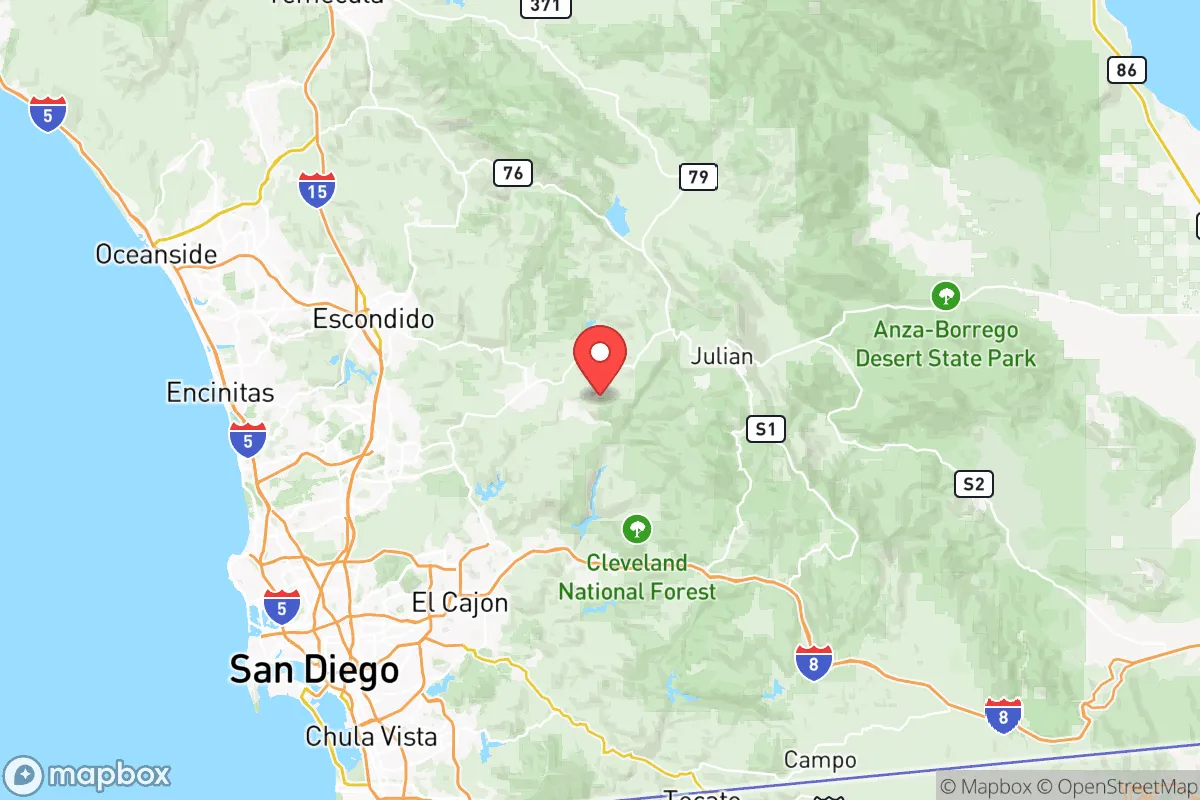
San Diego County offers one of the most dramatic quality-of-life spectrums in California, ranging from the dense urban core of San Diego proper to the agricultural valleys of North County and the remote desert communities of the East County. The county’s overall cost of living index sits at 223 (more than double the U.S. average), but that single number masks a wide spread: a tech worker in a coastal condo and a rancher in the backcountry face vastly different daily realities. People are drawn to different parts of the county based on whether they prioritize beach access, urban nightlife, suburban schools, or rural acreage.
Largest town(s) & population centers
The city of San Diego is the undisputed population anchor, home to roughly 1.4 million residents and the region’s primary employment hub. Daily life here is defined by a mix of dense urban neighborhoods like Downtown’s Gaslamp Quarter, the walkable beach communities of Pacific Beach and La Jolla, and sprawling suburban tracts in Mira Mesa and Rancho Bernardo. The county’s next-largest city, Chula Vista (pop. ~275,000), offers a more affordable, family-oriented alternative with a strong Latino cultural identity and growing biotech employment near the Otay Mesa border crossing. Oceanside (pop. ~175,000) and Escondido (pop. ~150,000) serve as North County’s commercial anchors, with Oceanside providing a classic surf-town vibe and Escondido offering inland access to wineries and the San Diego Zoo Safari Park. The average commute across the county is 25.9 minutes, but that figure can swell to over 40 minutes for residents commuting from inland suburbs like Temecula (technically Riverside County but part of the regional labor shed) into central San Diego.
Smaller towns & rural pockets
Beyond the major cities, San Diego County contains distinct smaller communities that offer a quieter or more rustic lifestyle. In the North County inland area, Fallbrook is known for its avocado groves and small-town agricultural character, while Julian (elevation 4,200 feet) is a historic gold-mining town that sees snow in winter and draws visitors for apple picking. In the East County, Borrego Springs sits within Anza-Borrego Desert State Park, offering a true desert experience with dark-sky ordinances and a population under 3,000. Ramona and Valley Center are unincorporated communities where horse properties and rural residential lots are common, with median home values significantly below the countywide $791,600. The unincorporated community of Potrero, near the Mexican border, has a population under 500 and offers some of the cheapest land in the county, though with limited services and long drives to grocery stores.
Cost & lifestyle range
The cost spread across San Diego County is extreme. At the high end, La Jolla and Del Mar command median home prices well above $2 million, with La Jolla’s coastal ZIP 92037 frequently ranking among the most expensive in the nation. Median rent countywide is $2,154, but a one-bedroom in La Jolla or coastal Carlsbad often exceeds $3,000. At the lower end, National City (south of downtown) and Lemon Grove offer median home values closer to $550,000–$600,000, though these areas have higher crime rates and older housing stock. The most affordable rural option is Jacumba Hot Springs in East County, where small homes can be found under $300,000, but residents face a 45-minute drive to the nearest major grocery store. Lifestyle varies accordingly: coastal residents enjoy year-round mild temperatures (60–75°F) and beach access, while inland valley communities like El Cajon and Santee experience summer highs above 100°F but offer larger lots and lower property taxes due to Mello-Roos districts.
Who thrives in San Diego County? The county works best for people who can align their housing expectations with their budget and commute tolerance. Remote workers who can afford coastal premiums and want outdoor recreation year-round find an ideal match. Families often gravitate to North County suburbs like Carlsbad or Poway for top-rated schools, while agricultural workers and backcountry enthusiasts find value in Fallbrook, Ramona, or Borrego Springs. The county’s sheer geographic and economic diversity means there is a niche for nearly every lifestyle—but the cost of entry, even in the cheapest pockets, remains well above the national average.

Crime in San Diego County
WARNING: The crime statistics are unreliable for this jurisdiction. Local authorities have either not reported or under reported their data to the FBI. This could be due to bad intentions, incompetence or technical issues. Regardless, we suggest skepticism.
Higher crime rates than 72% of comparable U.S. locations.
Violent CrimeViolent Crime Analysis
Property CrimeProperty Crime Analysis
Crime Analysis
San Diego County presents a mixed safety picture, with violent and property crime rates that consistently exceed national averages but remain below those of many other large California counties. In 2023, the county recorded a violent crime rate of 434 incidents per 100,000 residents and a property crime rate of 1,816.3 per 100,000, according to California Department of Justice data. While these figures are lower than in Los Angeles or Alameda counties, they still represent a significant challenge for residents and prospective movers, particularly in areas where progressive prosecutorial policies have been linked to rising recidivism and reduced accountability for offenders.
Crime in context
San Diego County’s violent crime rate of 434 per 100,000 is roughly 20% higher than the national average of about 380 per 100,000, while its property crime rate of 1,816.3 per 100,000 exceeds the U.S. average by approximately 15%. Compared to the rest of California, the county fares better than the state’s most dangerous jurisdictions: Los Angeles County (violent crime: 620 per 100K) and Alameda County (violent crime: 580 per 100K) both post substantially higher numbers. However, San Diego County still trails safer inland counties like San Luis Obispo (violent crime: 280 per 100K) and Orange County (violent crime: 310 per 100K). The gap is partly attributable to policy differences: San Diego County’s District Attorney’s office, under progressive leadership, has emphasized diversion programs and reduced sentencing for certain property and drug offenses, a approach critics argue has emboldened repeat offenders and contributed to the county’s stubbornly high property crime rate.
What residents experience
For daily life, the most tangible impact is property crime. Vehicle break-ins, package theft, and residential burglaries are common complaints, especially in denser urban corridors. In Downtown San Diego and the Gaslamp Quarter, property crime rates can exceed 3,000 per 100,000, driven by car burglaries and theft from parked vehicles. Chula Vista, the county’s second-largest city, reports property crime rates near 2,100 per 100,000, with auto theft a persistent issue. Violent crime, while less frequent, is concentrated in specific neighborhoods: National City and parts of Southeast San Diego (including the Encanto and Valencia Park neighborhoods) see aggravated assault and robbery rates double the county average. Residents in these areas often report feeling unsafe walking alone after dark, and local community groups have pushed for more police patrols and stricter enforcement of parole conditions. Conversely, Carlsbad and Encinitas in North County maintain violent crime rates below 200 per 100,000, offering a stark contrast to the urban core.
Neighborhood-level variation
Safety varies dramatically within San Diego County, often aligning with local law enforcement priorities and judicial policies. The progressive approach of the San Diego County District Attorney’s office—which has reduced felony charges for thefts under $950 and expanded pre-trial release—has drawn particular criticism in suburban and rural areas. In Escondido, residents have reported a surge in organized retail theft and home burglaries, with property crime rising 12% year-over-year in 2023. Meanwhile, San Marcos and Vista have seen increases in vehicle theft and shoplifting, which some attribute to lax sentencing for repeat offenders. In contrast, Poway and Rancho Santa Fe, which contract with the Sheriff’s Department for dedicated patrols, maintain property crime rates below 1,200 per 100,000. For prospective residents, the choice of neighborhood is critical: areas with strong community policing and conservative judicial oversight—such as those in the East County (e.g., La Mesa and Santee)—tend to offer lower crime rates and faster police response times, while neighborhoods under the direct influence of the county’s progressive DA policies often experience higher recidivism and a greater sense of insecurity among law-abiding residents.
* Values derived from national, state, county, city and local statistics and may differ in a specific area. Last updated: 2026-05-17T12:01:21.000Z
Narrative content on this page is AI-generated and may contain mistakes. Verify any details that matter before acting on them.
ReloMaps may earn a commission from affiliate links at no extra cost to you.

