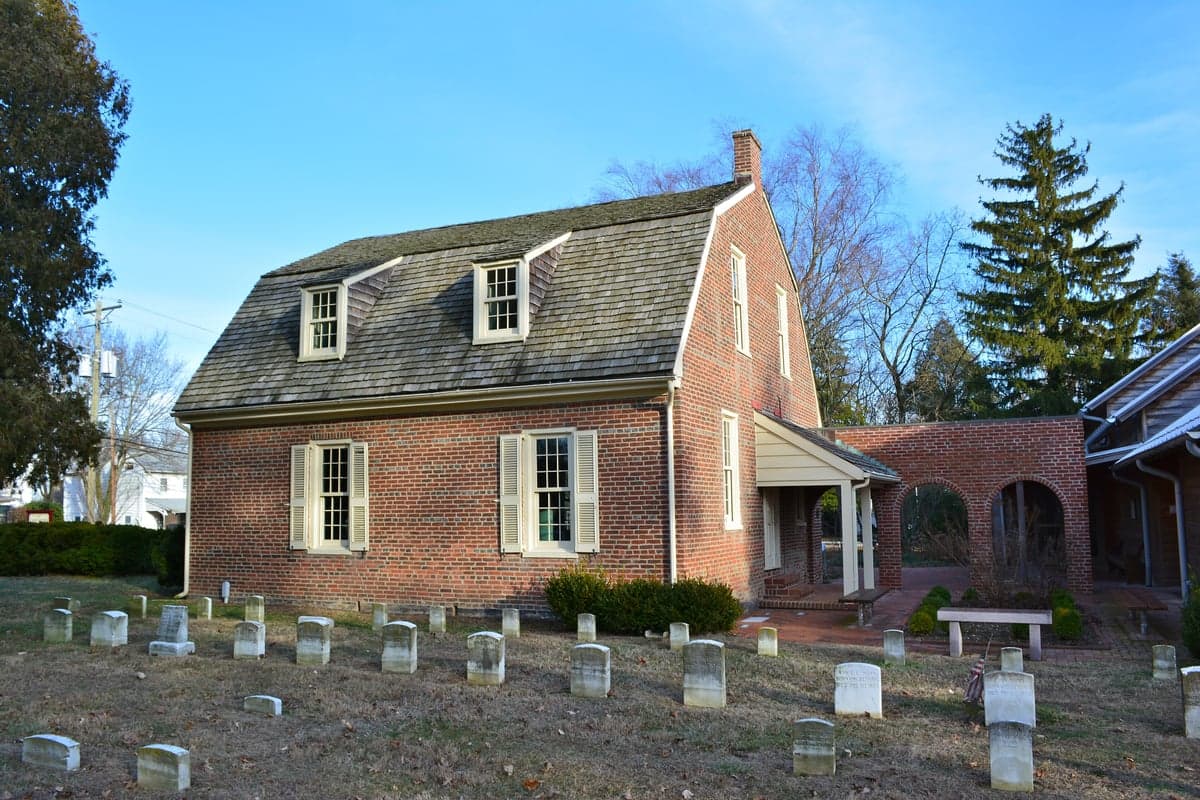
Photo: Wikipedia
Strategic Assessment of Camden, DE
Multiple tactical vulnerabilities. Population density, target proximity, or disaster risk are likely compounding. A retreat property and exit planning is required.
What does the Strategic Assessment tell us?
Our Strategic Assessment grades tactical survivability of an area. Major population centers, military targets, fallout zones, natural disasters, and border exposure all drive risk — lower exposure means a more defensible position in a crisis.
This is heavily inspired by Joel Skousen's Strategic Relocation book. Highly recommended you checkout the book ($)What does this tell us?
Our Strategic Assessment grades tactical survivability of an area. Major population centers, military targets, fallout zones, natural disasters, and border exposure all drive risk — lower exposure means a more defensible position in a crisis.
This is heavily inspired by Joel Skousen's Strategic Relocation book. Highly recommended you checkout the book ($)Strategic Pillars

Key Distances
Regional Safe Places
Below is our recommended "safe zones" in Delaware and the surrounding area based on our strategic heuristics. For most people, it's unrealistic to live in a “safe zone” full-time due to work, family or other personal reasons. They tend to be more rural. However, many of these areas are perfect for second homes and retreat properties that double as a vacation home or even a short-term rental.
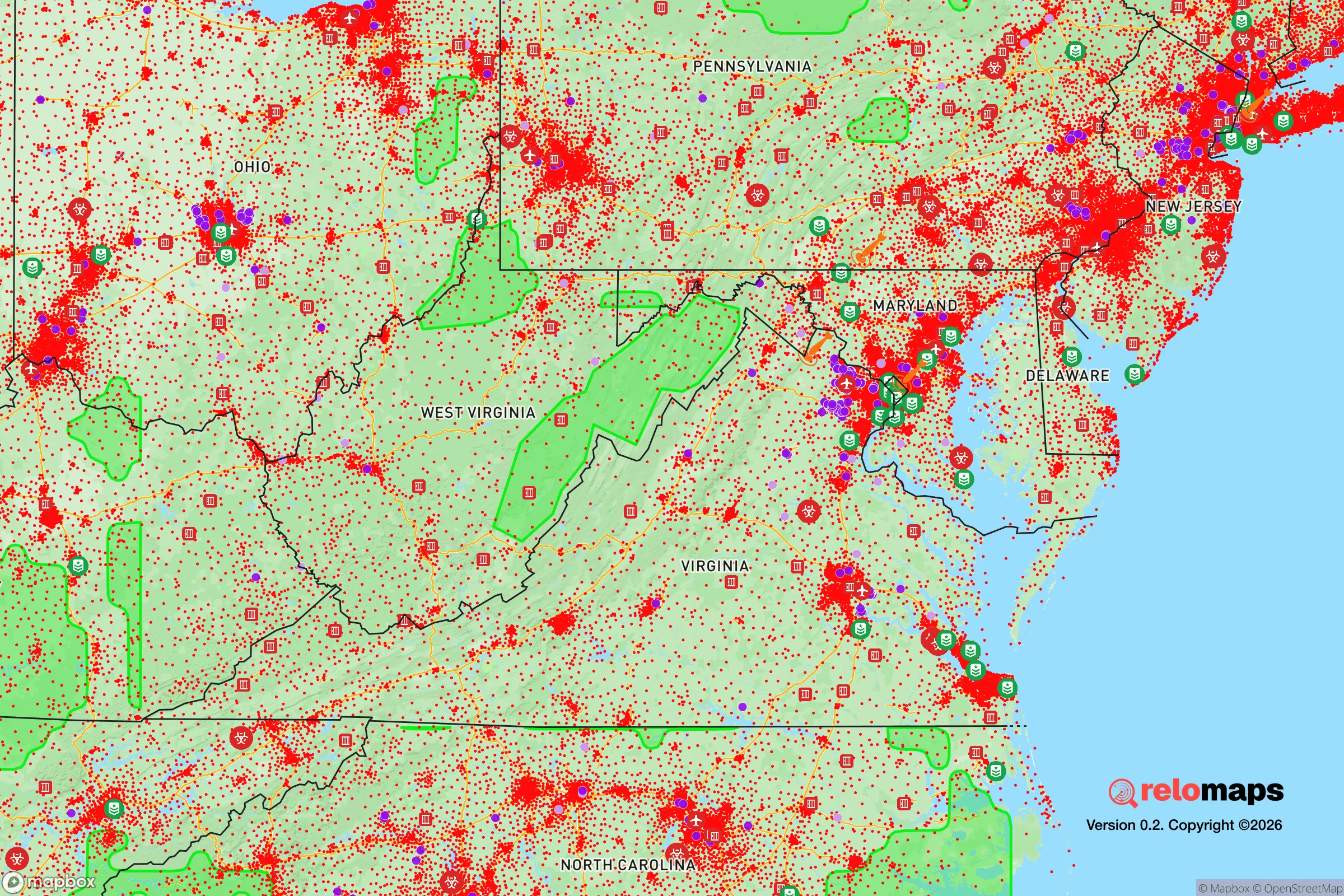
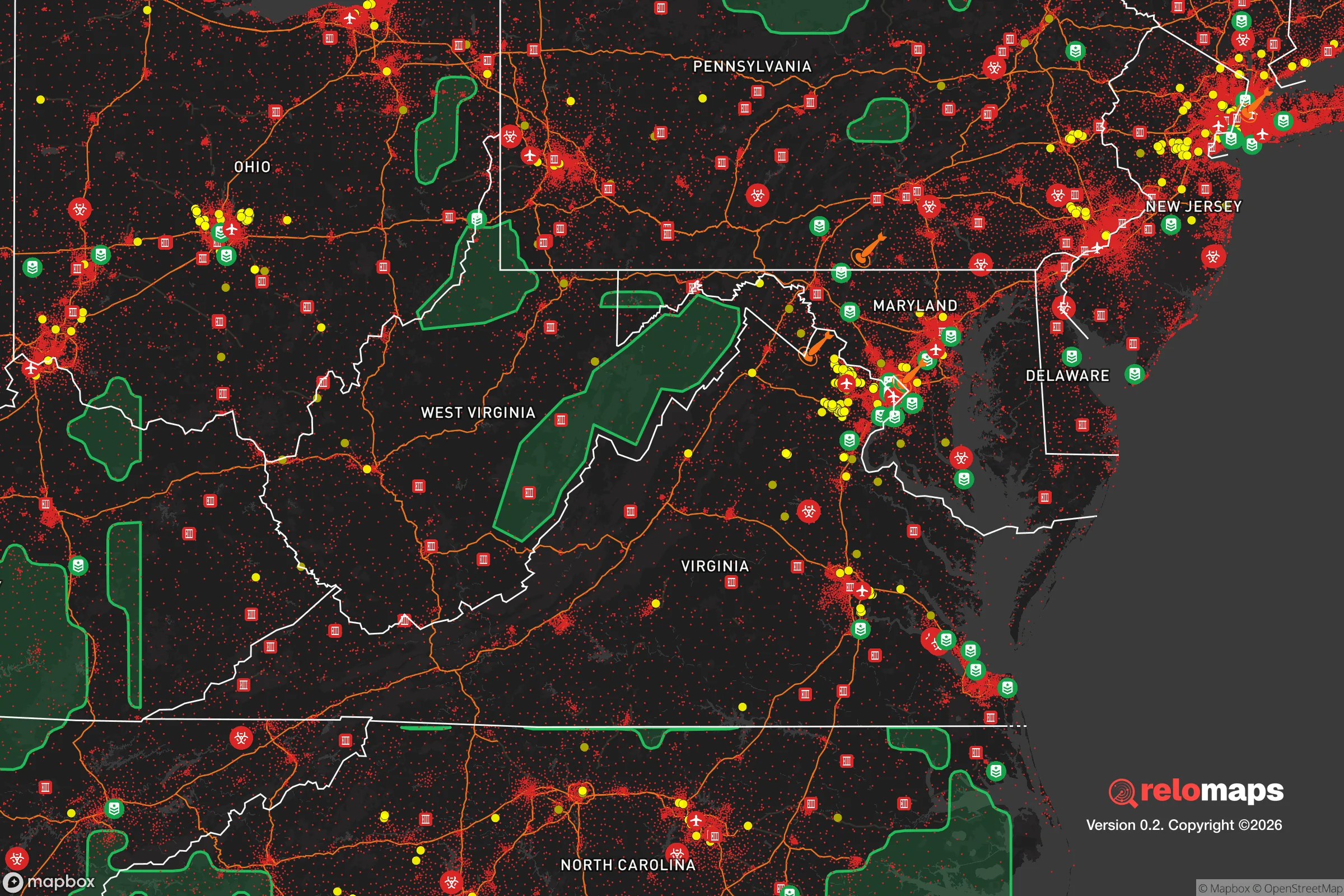


Important Note: For informational purposes only. This does not mean nothing bad ever happens in the green zones. Please use common sense. This is based on public data and modeled with AI. We tried to take a conservative approach but mistakes happen. We update this regularly as new information becomes available.
Solar Generator Recommendations
Backup power matters more here than in safer locations. We've picked three solar generators across budgets and capacity tiers — start with the budget unit if you only need a few essentials, or step up if you want to run a fridge and HVAC for days at a time.

Jackery Portable Power Station Explorer 300
Budget OptionPower on the Go: Weighing only 11 lbs, it's convenient to set up and store with book-sized foldable solar panels

BLUETTI Portable Power Station AC180
Designed for both indoor and outdoor scenarios, AC180 is highly capable as it has a robost capacity and continuous output power.

EF ECOFLOW DELTA Pro Ultra Power Station
Upgraded PickEcoFlow DELTA Pro Ultra is a whole-home energy system designed to grow with your family. Integrated with the Smart Home Panel 2, it scales to meet your evolving energy needs — keeping your home powered, intelligent, and secure through every stage of life.
We earn a commission, at no additional cost to you.
Strategic Assessment Analysis
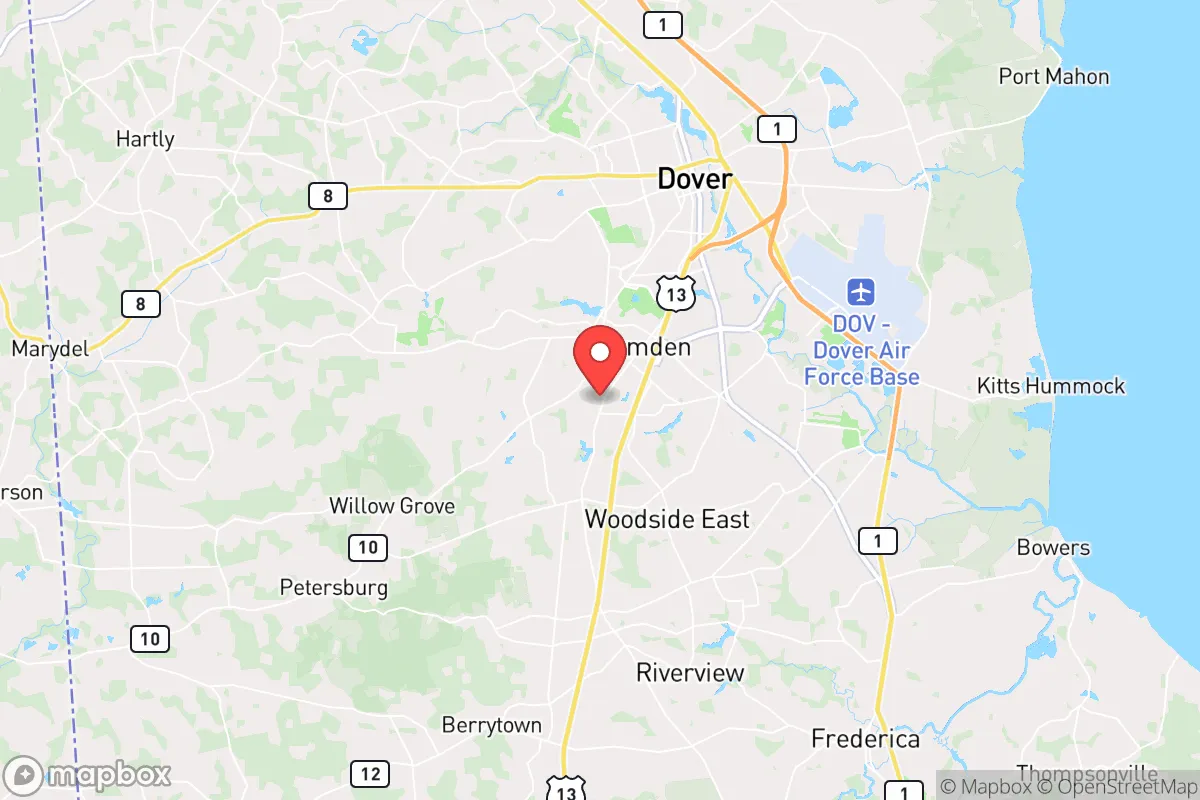
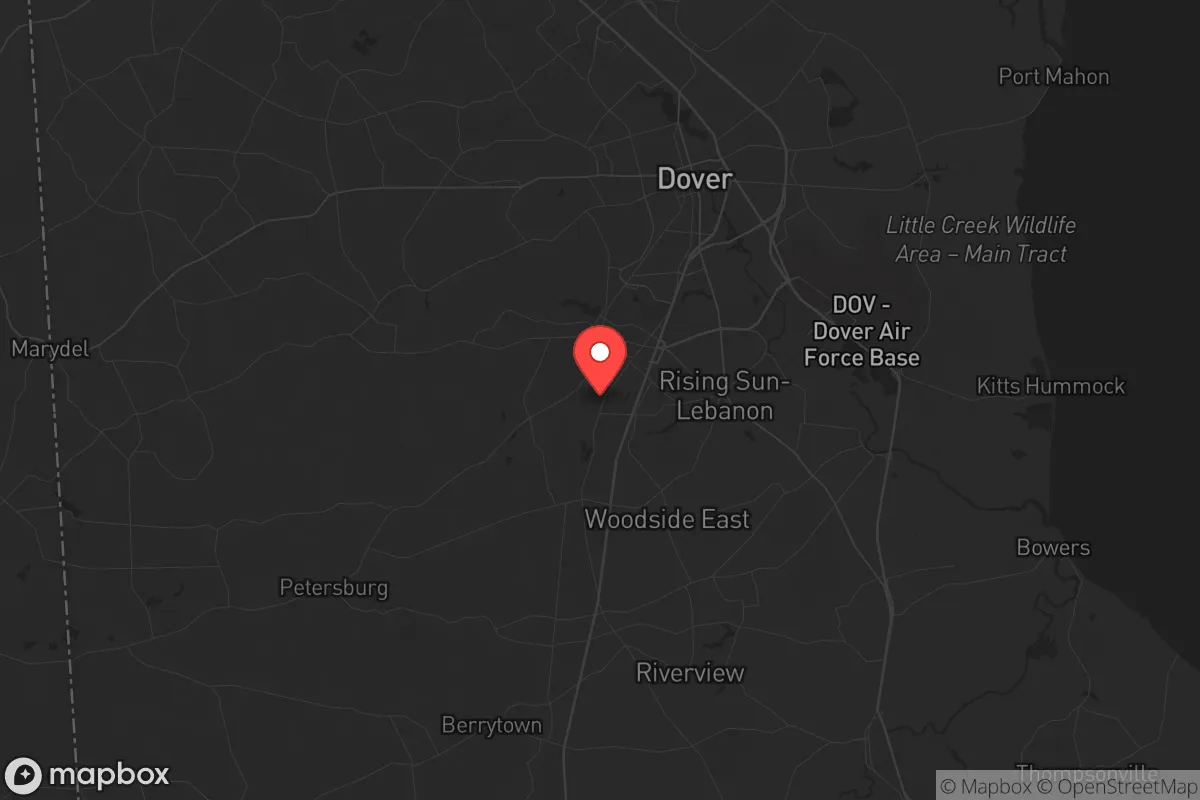
Camden, Delaware, sits in a deceptive pocket of the First State that offers genuine strategic depth for those planning around long-term instability, but it demands a clear-eyed understanding of its trade-offs. Located in Kent County, roughly 45 miles south of Wilmington and 30 miles north of the Chesapeake Bay Bridge, this small town of about 3,500 residents benefits from being far enough from major urban centers to avoid the immediate blast radius of a societal collapse, yet close enough to access critical supply corridors. The area’s resilience is rooted in its agricultural base, low population density, and position along the Delmarva Peninsula—a geographic bottleneck that can be both a shield and a trap depending on how events unfold.
Geographic position and natural advantages for long-term stability
Camden’s location on the Delmarva Peninsula is its strongest natural asset. The peninsula is bounded by the Delaware Bay to the east and the Chesapeake Bay to the west, creating a natural chokepoint that limits ingress from the mainland. The only land routes into the area are via the I-95 corridor through Wilmington or the Chesapeake Bay Bridge from Maryland—both of which can be monitored or controlled in a crisis. The surrounding Kent County is flat, fertile, and dominated by farmland, meaning local food production is not a theoretical luxury but a daily reality. The area sits atop the Columbia Aquifer, a massive groundwater system that provides reliable, shallow freshwater—critical if municipal systems fail. The climate is temperate, with moderate winters and humid summers, supporting year-round gardening and livestock operations. For a relocator, the ability to tap into local agriculture and groundwater without relying on fragile infrastructure is a significant advantage over suburban sprawl zones like Dover (just 5 miles north) or Middletown (20 miles north).
Risks, exposures, and proximity to fallout-relevant landmarks
The most glaring vulnerability is Camden’s proximity to Dover Air Force Base, located roughly 8 miles north. This is a double-edged sword: the base provides a potential source of military security and supply in a national emergency, but it also makes the area a high-value target for any adversary capable of striking the U.S. homeland. In a scenario involving civil unrest or foreign attack, Dover AFB would be a primary node for logistics and evacuation, drawing both official traffic and desperate crowds. The base’s C-5 and C-17 operations mean constant noise and a visible military footprint that could attract unwanted attention. Additionally, the nearby Delaware River and Bay are major shipping channels for petroleum and chemicals; a disruption at the Port of Wilmington or the Delaware City Refinery (25 miles north) could trigger supply chain failures that ripple down to Camden. The town itself sits along U.S. Route 13, a major north-south artery that funnels traffic from the Philadelphia metro area through the peninsula. In a mass evacuation scenario, this road would become a parking lot—or a chokepoint for looters and refugees moving south. The risk of being caught between a military target and a refugee wave is real, and any prepper should have a plan to bypass Route 13 via secondary roads like DE-10 or DE-15.
Practical resilience for a relocator: food, water, energy, and defensibility
For a single individual or family serious about self-sufficiency, Camden offers a workable baseline but requires deliberate upgrades. The local soil is sandy loam, well-drained, and suitable for vegetable gardens, though you’ll need to amend it with compost for heavy production. The growing season runs from April to October, with enough heat units for tomatoes, peppers, squash, and beans. Rain is reliable—averaging 45 inches annually—so rainwater catchment from a metal roof is a straightforward project. The Columbia Aquifer means a shallow well (typically 30-60 feet) can provide potable water without deep drilling, but you should test for agricultural runoff (nitrates from nearby chicken farms are a concern). Energy-wise, the area gets about 4.5 peak sun hours per day, making solar panels viable but not exceptional; a ground-mounted array with battery storage (e.g., 10 kW with a Tesla Powerwall or EG4 system) would cover a modest home’s needs. Natural gas is available in town, but propane tanks are more common in rural outskirts—stocking 500-gallon tanks for heating and cooking is wise. Defensibility is mixed: Camden’s residential lots are typically half-acre to one-acre, offering some buffer, but the town’s layout is a classic small-town grid with open fields on the periphery. A property on the southern or western edge, abutting farmland, provides better escape routes and fewer neighbors. The local police force is small (under 10 officers), and Kent County Sheriff’s Office response times in rural areas can exceed 20 minutes. A security plan should include perimeter lighting, reinforced doors, and a community network of like-minded neighbors—there are active prepper groups in the Dover area, but they tend to be private. Stockpiling ammunition for common calibers (9mm, .223, 12-gauge) is straightforward, as Delaware has no magazine capacity restrictions and allows open carry without a permit.
The overall strategic picture for Camden is one of cautious viability. It is not a hardened bunker location like the Appalachian foothills, nor is it a remote off-grid paradise. What it offers is a middle ground: a low-profile agricultural town with access to groundwater, local food, and a defensible peninsula geography, but with the looming shadow of Dover AFB and the vulnerability of Route 13. For a relocator who values being close enough to the Eastern Seaboard’s resources while maintaining a buffer from its chaos, Camden works—provided you invest in your own water, energy, and security systems. The conservative calculus here is that the state government in Dover (15 minutes north) leans left, but local Kent County governance is more pragmatic, and the rural culture is self-reliant. If you can tolerate the risk of being near a military target and the occasional traffic from the base, Camden offers a solid foundation for weathering the next decade’s uncertainties. Just don’t expect to be invisible—and have a bug-out route to the Eastern Shore of Maryland if the situation deteriorates beyond local control.

* Values derived from national, state, county, city and local statistics and may differ in a specific area. Last updated: 2026-04-30T03:13:12.000Z
Narrative content on this page is AI-generated and may contain mistakes. Verify any details that matter before acting on them.
ReloMaps may earn a commission from affiliate links at no extra cost to you.

