Photo: Wikipedia
Find The Best Places To Live
in Cape Girardeau
PRO TIP! You can paste a Zillow or Redfin link to get info on that property.
What It's Like Living in Cape Girardeau, MO
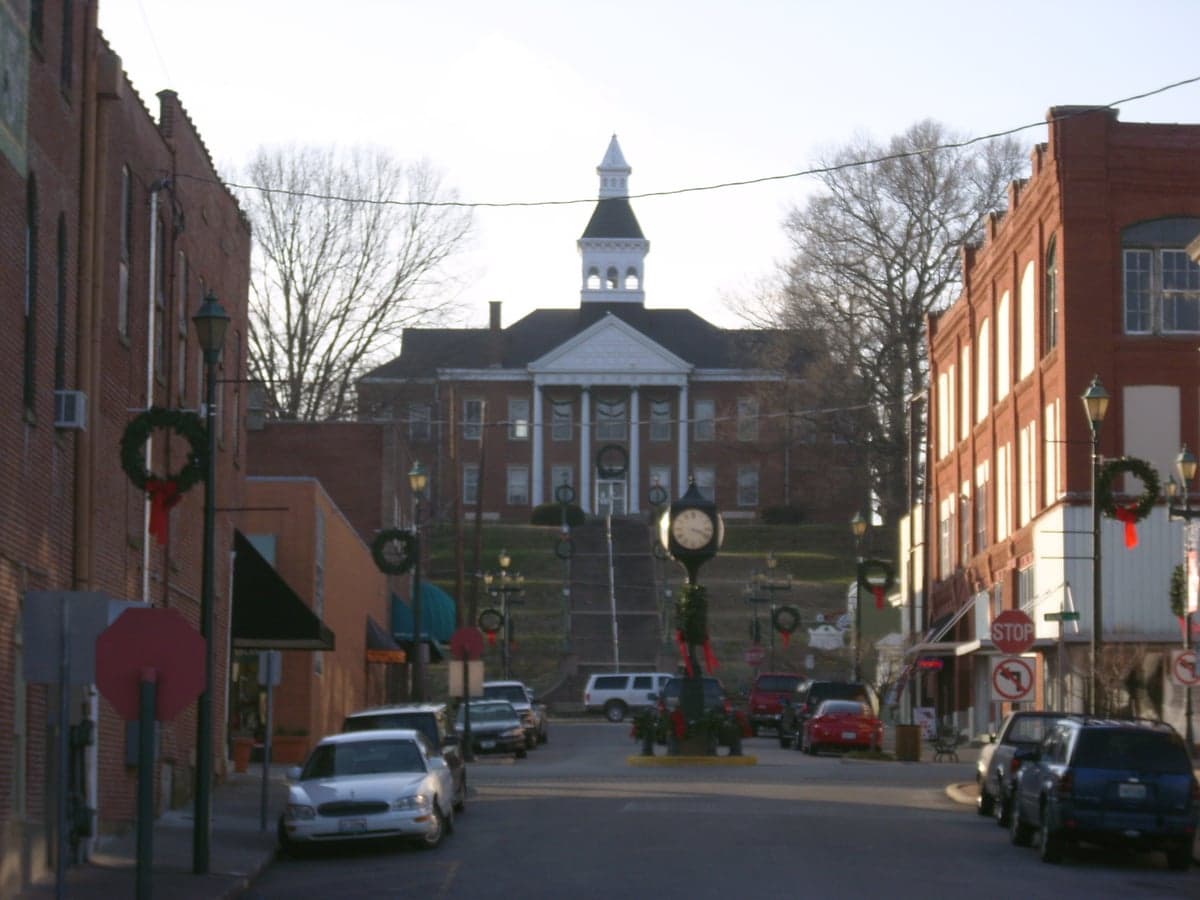
Cape Girardeau has a way of feeling bigger than its 40,000-person population suggests, thanks to a downtown that actually gets used and a university that keeps things from getting sleepy. Perched on a Mississippi River bluff, it’s the kind of place where people wave from pickup trucks and you can still get a table at a decent restaurant on a Friday night. It’s not trying to be Nashville or St. Louis, and that’s exactly the point — it’s a solid, self-contained city for people who want a lower-key pace without giving up good food, college sports, and a river view.
The Daily Rhythm: Work, Errands, and River Views
Most days here move at a deliberate, unhurried pace. The average commute clocks in at just under 16 minutes — short enough that you can run home for lunch or swing by the riverfront after work without it eating into your evening. People shop at the West Park Mall for basics, hit the local Schnucks or Hy-Vee for groceries, and make weekend trips to the Cape Girardeau Farmers Market for produce and baked goods. The median household income sits around $54,870, which goes further here than in most places: the cost of living index is 71, well below the national average of 100. That means a median home value of $186,100 buys a decent three-bedroom in a quiet neighborhood, not a fixer-upper. The kind of person who fits in here tends to be someone who values that trade-off — less earning potential than a big city, but a lot more breathing room and a house that’s actually affordable on a single income.
Sports, Saturdays, and Southeast Missouri State
Southeast Missouri State University (SEMO) is the cultural and athletic anchor of the town. On fall Saturdays, Houck Field fills up for Redhawks football, and the Show Me Center draws crowds for basketball — not just students, but families and retirees who’ve had season tickets for decades. High school sports are a genuine big deal here: Cape Central High School and Notre Dame Regional High School pack bleachers for Friday night football, and the rivalry games are the kind of events that get local businesses to close early. For a town this size, the sports culture punches above its weight, and it’s one of the main ways people connect across generations. There’s no pro team within two hours, so SEMO and the local high schools carry the full weight of the community’s sports enthusiasm.
What’s There to Do: Festivals, Riverfront, and the Bar Scene
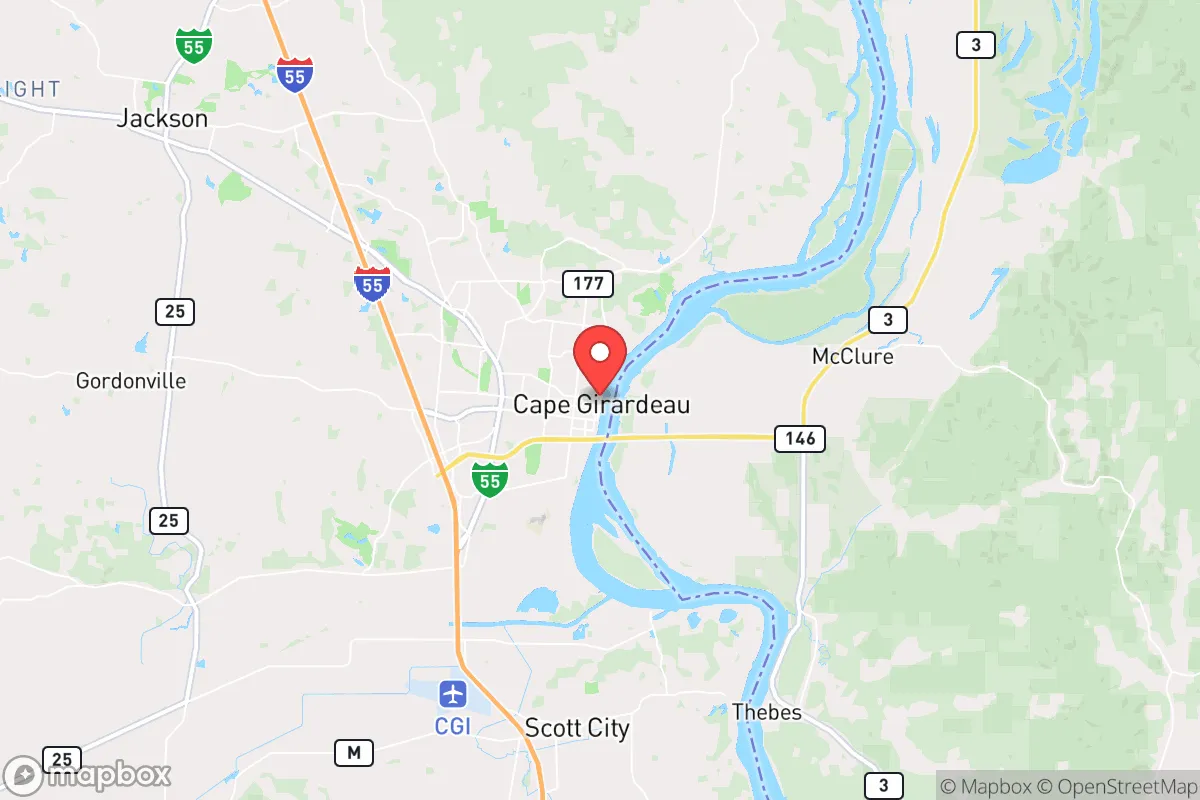
The riverfront is the heart of the city’s social life. The Riverfront Park hosts concerts and the annual Cape Riverfest, a summer weekend with live music, food vendors, and fireworks over the Mississippi. The Marquette Tower — a 40-foot stone cross on the bluff — is the landmark everyone uses for directions. Downtown Main Street has a mix of boutiques, coffee shops, and bars that actually feel lived-in: Broussard’s Cajun Cuisine is the go-to for crawfish étouffée, Ebb & Flow is a craft beer spot that draws a younger crowd, and Port Cape Girardeau has been the reliable steak-and-salad dinner spot for decades. For outdoor recreation, Trail of Tears State Park is 15 minutes north with hiking and Mississippi River overlooks, and the Cape LaCroix Bluffs Trail offers a quick wooded walk without leaving town. The main frustration locals voice is that entertainment options thin out after 10 p.m. — if you want live music past midnight or a late-night food scene, you’re driving to St. Louis (two hours north) or Memphis (two and a half hours south).
Pros and Cons of Living Here
The upsides are concrete and easy to list. The cost of living is genuinely low — you can own a home and still have money for travel or hobbies. The commute is negligible. The riverfront and downtown are walkable and active, especially in warm months. SEMO brings in young people and events that keep the town from feeling like a retirement community. The schools — particularly Cape Girardeau Public Schools and the private Notre Dame system — are well-regarded and serve as community hubs.
The downsides are just as real. The violent crime rate of 467.4 per 100,000 is higher than the national average, and while most of it is concentrated in specific areas, it’s something residents are aware of — especially parents choosing neighborhoods. The job market is dominated by healthcare (Saint Francis Medical Center and SoutheastHEALTH are the largest employers), education, and retail; if you’re in tech, finance, or corporate management, you’ll likely be commuting or working remotely. The weather runs in extremes: humid summers in the 90s, cold winters with occasional ice storms, and spring tornado season that keeps everyone’s phone alerts on. And while the median age of 34.2 suggests a relatively young population, the social scene can feel small — dating options are limited, and if you’re single and in your 30s, you’ll probably find yourself driving to St. Louis or Carbondale for a more varied night out.
What keeps people here — and what draws newcomers — is the sense that you can actually live a full life without the overhead of a big city. You can own a house, have a yard, walk to a river bluff at sunset, and still get a decent bowl of gumbo on a Tuesday night. It’s not flashy, but it’s honest, and for the right person, that’s exactly the point.

Similar towns to Cape Girardeau
* Values derived from national, state, county, city and local statistics and may differ in a specific area. Last updated: 2026-10-10T16:26:49.000Z
Narrative content on this page is AI-generated and may contain mistakes. Verify any details that matter before acting on them.
ReloMaps may earn a commission from affiliate links at no extra cost to you.

