Photo: Wikipedia
Strategic Assessment of Cape Girardeau, MO
Workable tactical position. Some exposure to population density or targets, but generally defensible in a crisis.
What does the Strategic Assessment tell us?
Our Strategic Assessment grades tactical survivability of an area. Major population centers, military targets, fallout zones, natural disasters, and border exposure all drive risk — lower exposure means a more defensible position in a crisis.
This is heavily inspired by Joel Skousen's Strategic Relocation book. Highly recommended you checkout the book ($)What does this tell us?
Our Strategic Assessment grades tactical survivability of an area. Major population centers, military targets, fallout zones, natural disasters, and border exposure all drive risk — lower exposure means a more defensible position in a crisis.
This is heavily inspired by Joel Skousen's Strategic Relocation book. Highly recommended you checkout the book ($)Strategic Pillars

Key Distances
Regional Safe Places
Below is our recommended "safe zones" in Missouri and the surrounding area based on our strategic heuristics. For most people, it's unrealistic to live in a “safe zone” full-time due to work, family or other personal reasons. They tend to be more rural. However, many of these areas are perfect for second homes and retreat properties that double as a vacation home or even a short-term rental.


Important Note: For informational purposes only. This does not mean nothing bad ever happens in the green zones. Please use common sense. This is based on public data and modeled with AI. We tried to take a conservative approach but mistakes happen. We update this regularly as new information becomes available.
Solar Generator Recommendations
Backup power matters more here than in safer locations. We've picked three solar generators across budgets and capacity tiers — start with the budget unit if you only need a few essentials, or step up if you want to run a fridge and HVAC for days at a time.

Jackery Portable Power Station Explorer 300
Budget OptionPower on the Go: Weighing only 11 lbs, it's convenient to set up and store with book-sized foldable solar panels

BLUETTI Portable Power Station AC180
Designed for both indoor and outdoor scenarios, AC180 is highly capable as it has a robost capacity and continuous output power.

EF ECOFLOW DELTA Pro Ultra Power Station
Upgraded PickEcoFlow DELTA Pro Ultra is a whole-home energy system designed to grow with your family. Integrated with the Smart Home Panel 2, it scales to meet your evolving energy needs — keeping your home powered, intelligent, and secure through every stage of life.
We earn a commission, at no additional cost to you.
Strategic Assessment Analysis
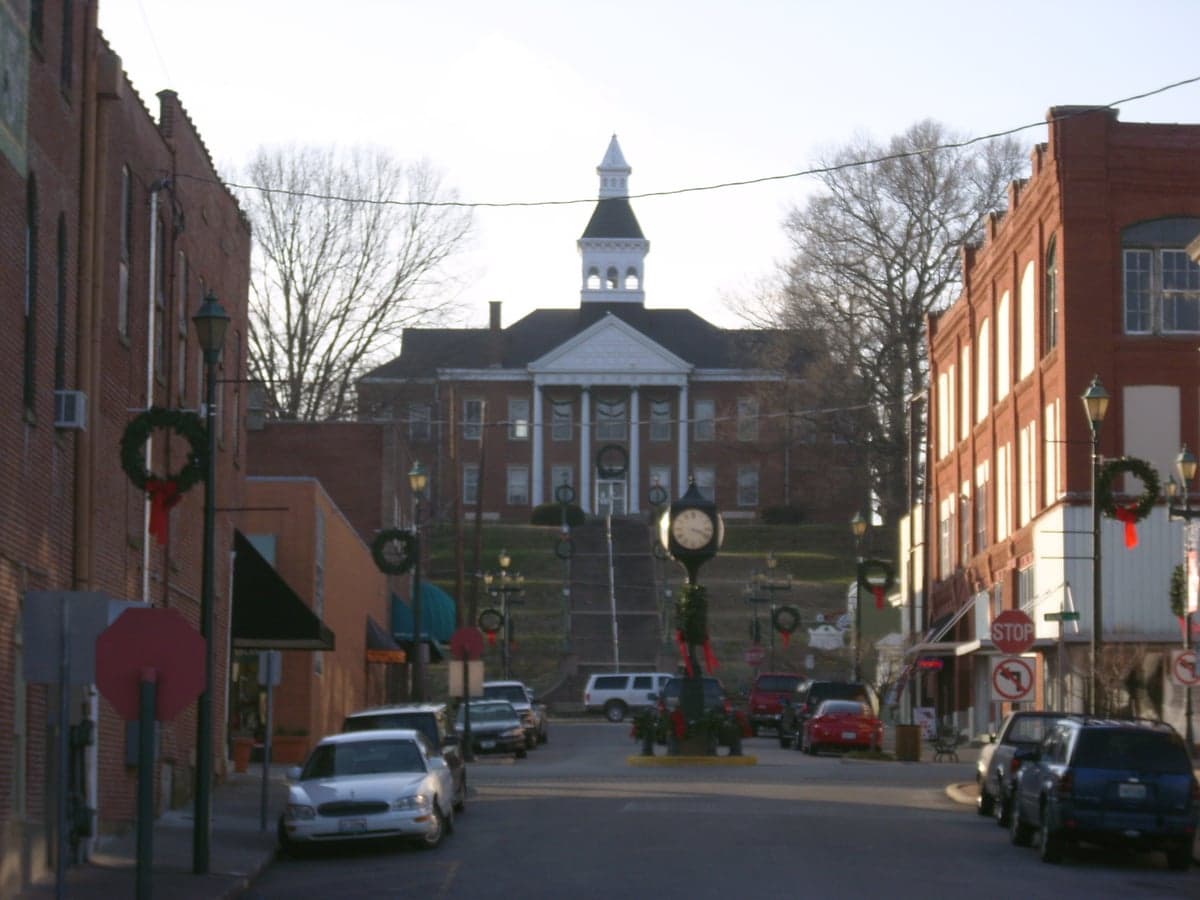
Cape Girardeau, Missouri, sits in a strategic sweet spot that resilience-minded relocators should take seriously. It’s far enough from major metropolitan chaos to avoid the worst of civil unrest and fallout dangers, yet close enough to critical infrastructure and supply lines to remain functional when things go sideways. The city’s position on the Mississippi River, combined with its modest population of roughly 40,000 and a surrounding region that leans heavily conservative and self-reliant, gives it a baseline resilience that many larger or more coastal locations simply cannot match. For someone thinking about where to ride out the next decade of potential instability, Cape Girardeau offers a defensible, resource-rich anchor point in the heart of the country.
Geographic position and natural advantages for long-term security
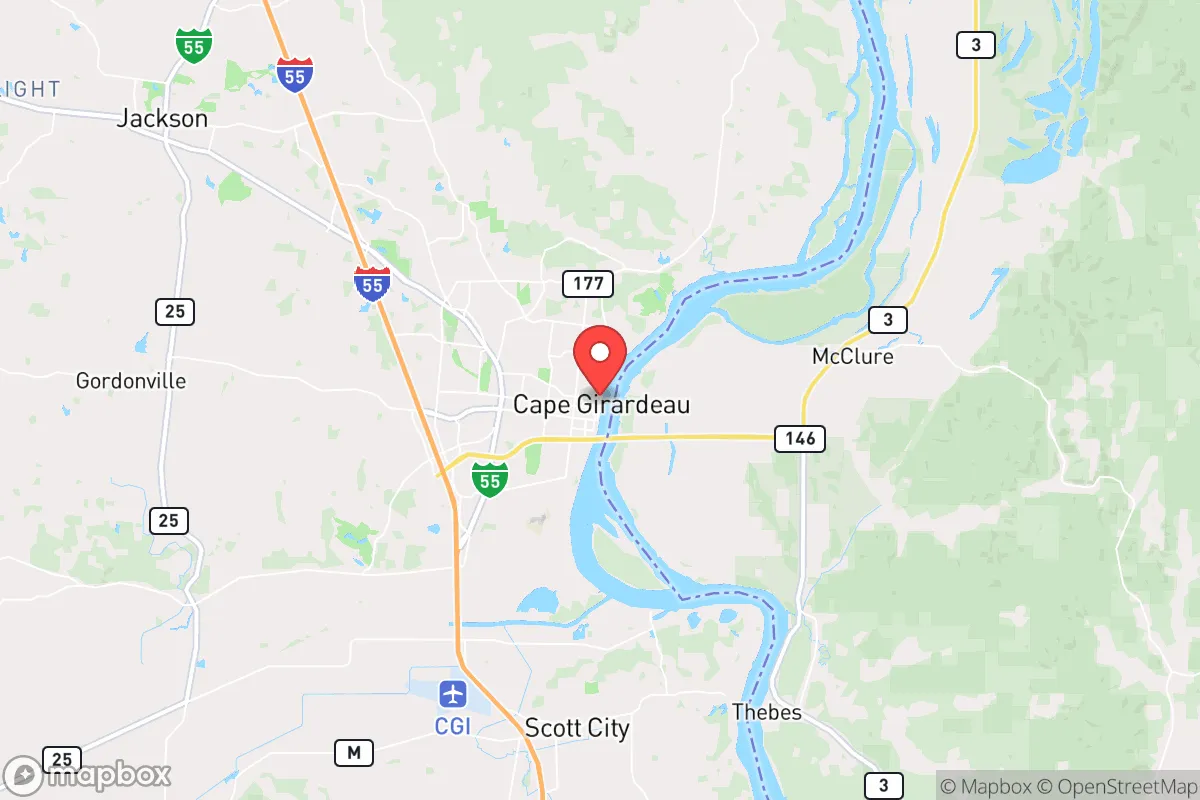
Cape Girardeau’s location is its strongest card. It sits on the western bank of the Mississippi River, roughly 100 miles south of St. Louis and 150 miles north of Memphis. That distance from major population centers is a deliberate advantage: you are far enough from St. Louis to avoid the immediate fallout of a major urban crisis—whether that’s a mass casualty event, civil unrest, or a supply chain collapse—but close enough to access the city’s medical and logistical resources if needed. The river itself provides a natural barrier to the east, limiting approach vectors and offering a reliable water source for both consumption and transport. The surrounding terrain is a mix of rolling hills, bluffs, and agricultural bottomland, which gives you defensible high ground and ample space for food production. The region sits in the New Madrid Seismic Zone, which is a real risk for earthquakes, but that same geology also means abundant groundwater and fertile soil. For a prepper, the trade-off is acceptable: you trade a low-probability seismic event for a high-probability buffer against urban collapse.
Risks, exposures, and proximity to fallout-relevant landmarks
No location is without its vulnerabilities, and Cape Girardeau has a few that demand attention. The most obvious is the New Madrid fault line. A major earthquake here would be catastrophic—think liquefaction, bridge failures, and potential river course changes. But the probability of a major event in any given decade is low, and the region’s building codes have improved since the 1811-1812 quakes. More immediate for a strategic relocator is the city’s proximity to the Mississippi River itself. A flood event could isolate parts of the city, especially low-lying areas near the riverfront. That said, the city has a well-maintained floodwall system and decades of experience managing high water. On the fallout side, Cape Girardeau is not near any major nuclear power plants—the closest is the Callaway Plant near Fulton, MO, about 120 miles northwest, which is far enough to be outside the primary danger zone for a meltdown or attack. There are no major military bases or strategic targets in the immediate area, which reduces the likelihood of being caught in a first-strike scenario. The biggest risk is probably the city’s reliance on a single major highway—Interstate 55—for north-south movement. If that gets cut, you’re looking at secondary roads that can handle traffic but will bottleneck quickly. For a prepper, the takeaway is clear: Cape Girardeau is low on the target list but not immune to natural or infrastructure-related disruptions.
Practical resilience for a relocator: food, water, energy, and defensibility
For someone actually moving here with a prepper mindset, the practical details matter. Food security is strong. The surrounding Bootheel region is some of the most productive agricultural land in the country—corn, soybeans, wheat, and rice are all grown within a 30-mile radius. Local farmers’ markets are active, and there are several small-scale meat processors and dairies within an hour’s drive. You can realistically source a significant portion of your diet locally without relying on national supply chains. Water is abundant from the Mississippi and the many smaller rivers and creeks in the area, but you’ll want a good filtration system—surface water in agricultural areas carries runoff. Groundwater is generally good, and many rural properties have private wells. Energy infrastructure is decent but not exceptional. The city has its own municipal utility, which tends to be more reliable than investor-owned grids, but it’s still connected to the regional grid. Solar is viable here—the area gets about 210 sunny days per year, which is average for the Midwest—and many rural properties have space for panels and battery storage. Defensibility is where Cape Girardeau really shines. The city is compact enough to be patrolled or secured by a small group, but the surrounding countryside offers plenty of rural properties with good sightlines, natural barriers, and limited access points. The local population is heavily armed and generally pro-Second Amendment, which means you’re not going to be the only one prepared. Law enforcement is professional but not overbearing, and the county sheriff’s office has a reputation for being responsive. For a single individual or a family, the key is to buy land outside the city limits—within a 15- to 20-minute drive—where you have space for a garden, a well, and a defensible perimeter.
The overall strategic picture for Cape Girardeau is one of calculated trade-offs. It is not a fortress, and it is not immune to the problems that plague the rest of the country—economic instability, political division, and the slow erosion of trust in institutions are all present here. But what it offers is a realistic base of operations for someone who wants to be prepared without living in a bunker. You have access to fresh water, fertile land, a like-minded community, and a location that is far enough from the major flashpoints to give you time to react. The risks—earthquakes, floods, infrastructure fragility—are manageable with proper planning. For a conservative-leaning relocator who sees the writing on the wall and wants a place that can sustain itself when the system stumbles, Cape Girardeau deserves a serious look. It’s not a secret, and it’s not untouched, but it is solid. And in a world that feels increasingly fragile, solid counts for a lot.

* Values derived from national, state, county, city and local statistics and may differ in a specific area. Last updated: 2026-10-10T16:26:49.000Z
Narrative content on this page is AI-generated and may contain mistakes. Verify any details that matter before acting on them.
ReloMaps may earn a commission from affiliate links at no extra cost to you.

