Photo: Wikipedia
Strategic Assessment of Cheswold, DE
Multiple tactical vulnerabilities. Population density, target proximity, or disaster risk are likely compounding. A retreat property and exit planning is required.
What does the Strategic Assessment tell us?
Our Strategic Assessment grades tactical survivability of an area. Major population centers, military targets, fallout zones, natural disasters, and border exposure all drive risk — lower exposure means a more defensible position in a crisis.
This is heavily inspired by Joel Skousen's Strategic Relocation book. Highly recommended you checkout the book ($)What does this tell us?
Our Strategic Assessment grades tactical survivability of an area. Major population centers, military targets, fallout zones, natural disasters, and border exposure all drive risk — lower exposure means a more defensible position in a crisis.
This is heavily inspired by Joel Skousen's Strategic Relocation book. Highly recommended you checkout the book ($)Strategic Pillars

Key Distances
Regional Safe Places
Below is our recommended "safe zones" in Delaware and the surrounding area based on our strategic heuristics. For most people, it's unrealistic to live in a “safe zone” full-time due to work, family or other personal reasons. They tend to be more rural. However, many of these areas are perfect for second homes and retreat properties that double as a vacation home or even a short-term rental.
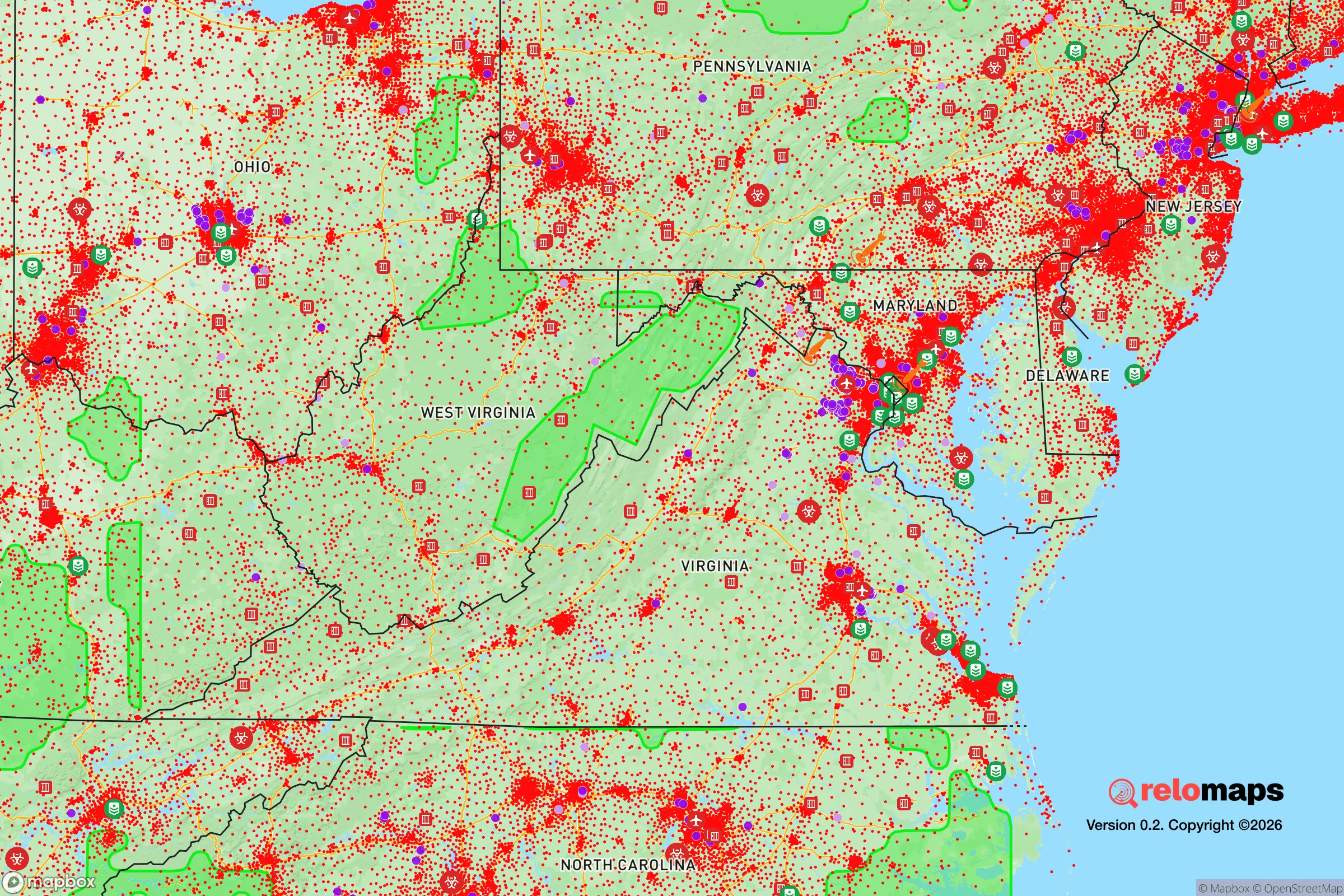
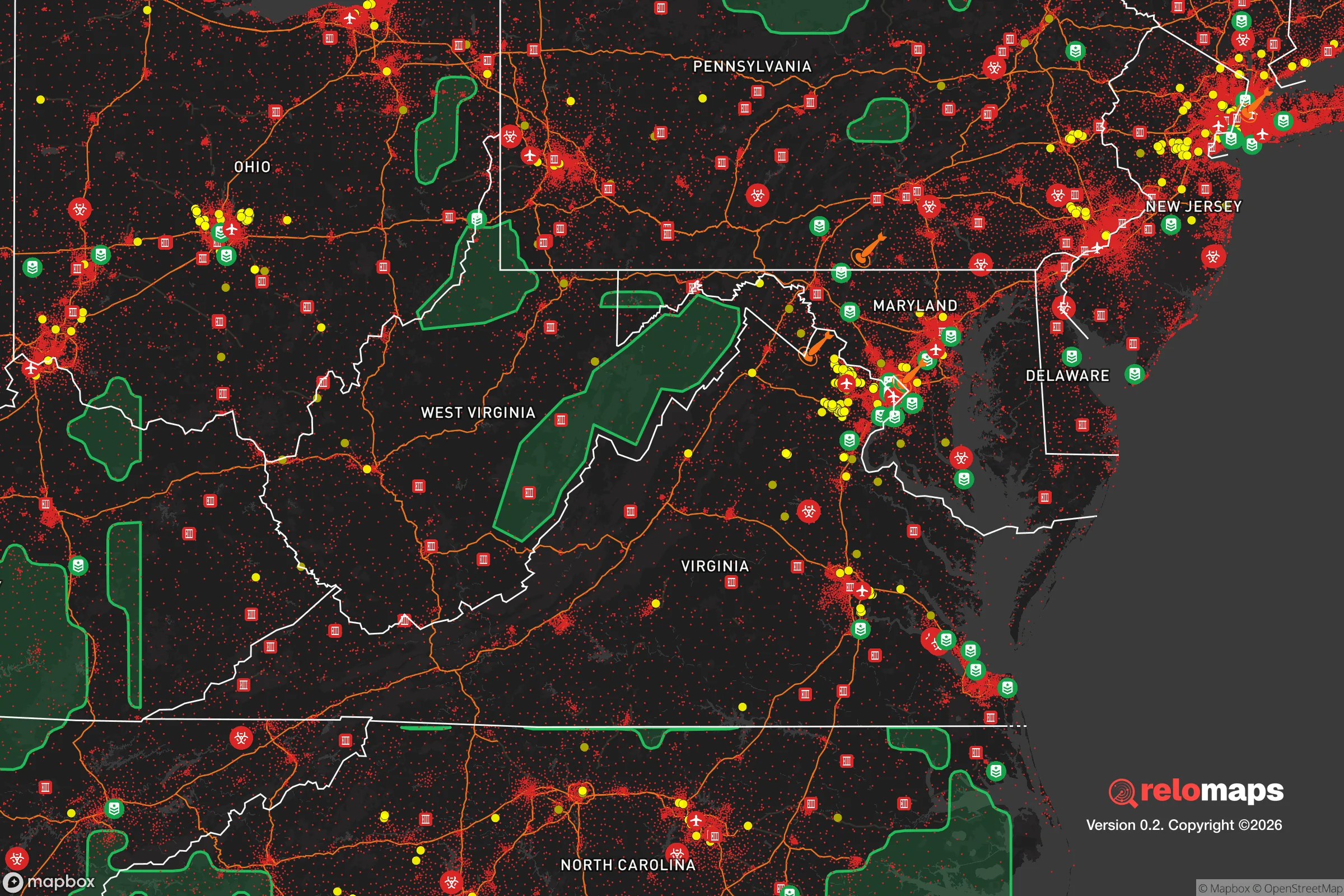


Important Note: For informational purposes only. This does not mean nothing bad ever happens in the green zones. Please use common sense. This is based on public data and modeled with AI. We tried to take a conservative approach but mistakes happen. We update this regularly as new information becomes available.
Solar Generator Recommendations
Backup power matters more here than in safer locations. We've picked three solar generators across budgets and capacity tiers — start with the budget unit if you only need a few essentials, or step up if you want to run a fridge and HVAC for days at a time.

Jackery Portable Power Station Explorer 300
Budget OptionPower on the Go: Weighing only 11 lbs, it's convenient to set up and store with book-sized foldable solar panels

BLUETTI Portable Power Station AC180
Designed for both indoor and outdoor scenarios, AC180 is highly capable as it has a robost capacity and continuous output power.

EF ECOFLOW DELTA Pro Ultra Power Station
Upgraded PickEcoFlow DELTA Pro Ultra is a whole-home energy system designed to grow with your family. Integrated with the Smart Home Panel 2, it scales to meet your evolving energy needs — keeping your home powered, intelligent, and secure through every stage of life.
We earn a commission, at no additional cost to you.
Strategic Assessment Analysis
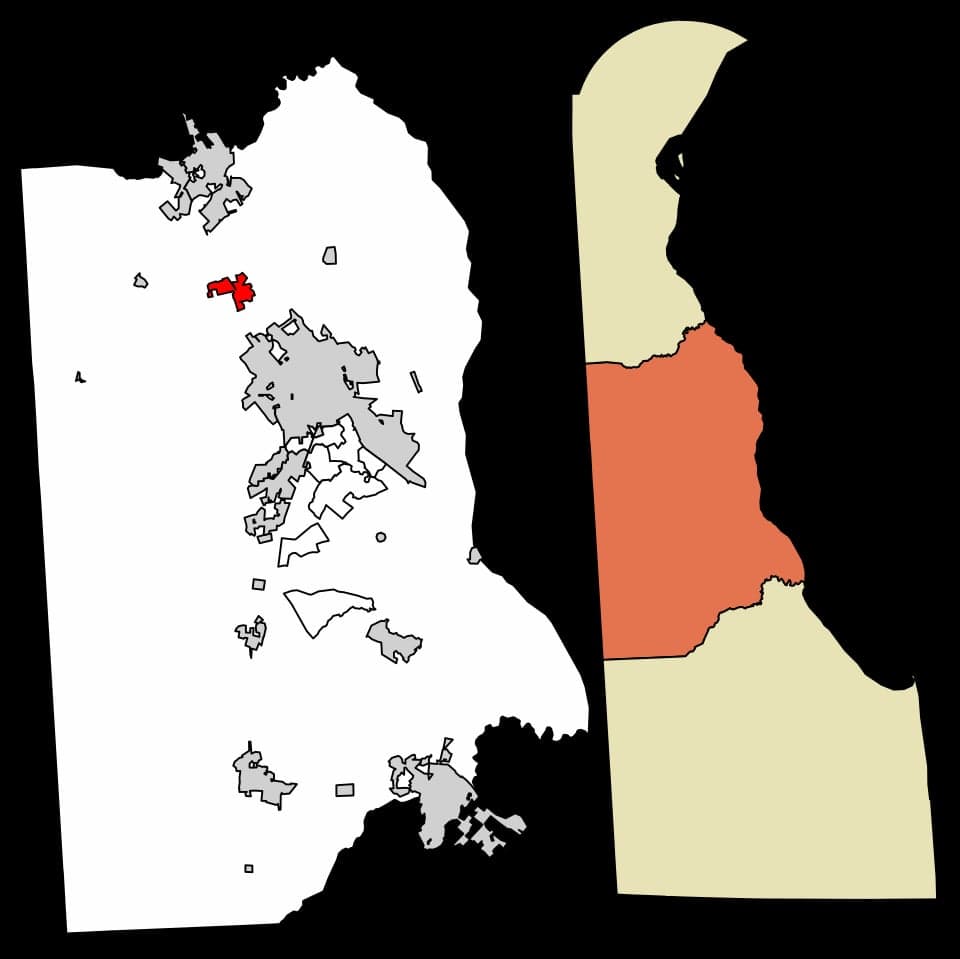
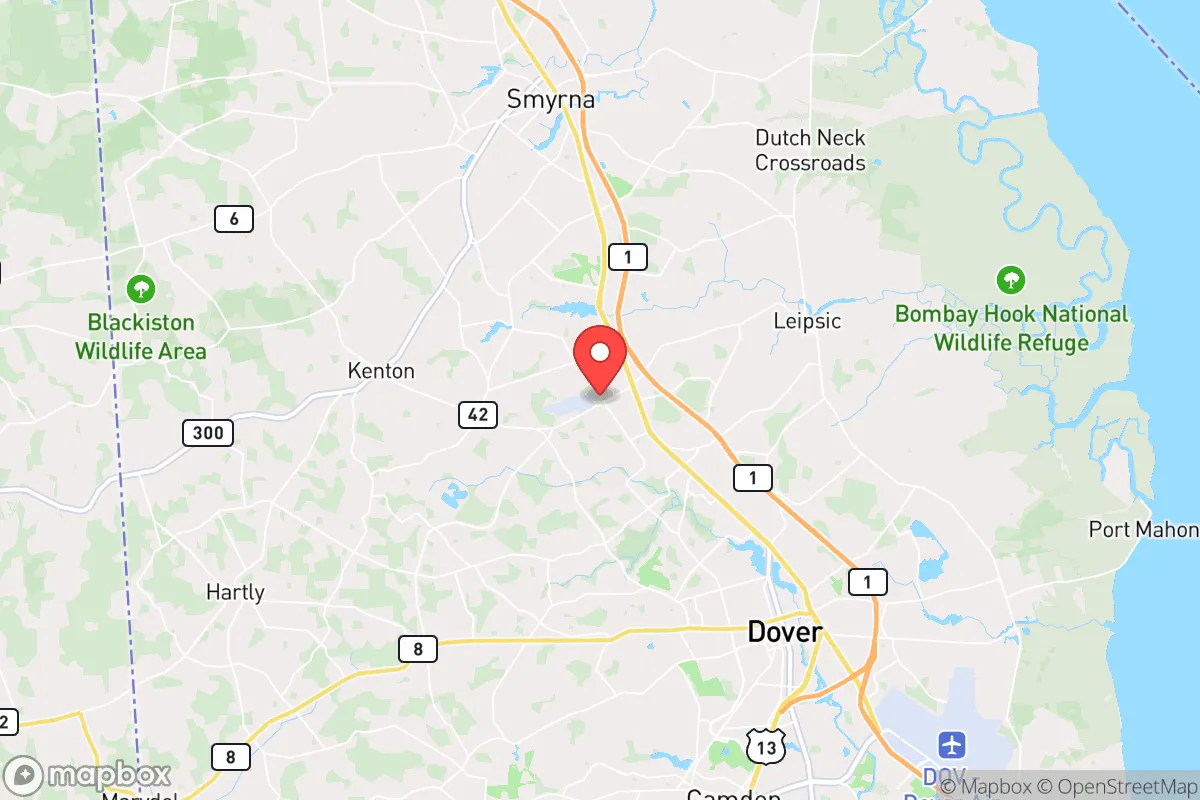
Cheswold, Delaware, sits in a precarious but potentially strategic pocket of Kent County, offering a mix of resilience and exposure that demands careful consideration for anyone serious about long-term preparedness. Its location—roughly 5 miles from Dover and 30 miles from Wilmington—places it within striking distance of major infrastructure and population centers, which is a double-edged sword in a collapse or crisis scenario. For a relocator with a survivalist mindset, Cheswold’s advantages lie in its rural character, access to agricultural land, and relative obscurity, but its proximity to Dover Air Force Base, major highways, and the Chesapeake Bay’s industrial corridor introduces real vulnerabilities that cannot be ignored.
Geographic position and natural advantages for long-term survival
Cheswold’s position in central Delaware places it on the Delmarva Peninsula, a region that offers a mix of flat farmland, tidal creeks, and forested patches that could support subsistence living. The area sits near the St. Jones River and is surrounded by agricultural fields, which means access to fertile soil for gardening and small-scale farming is a tangible asset—a critical factor when supply chains falter. The local water table is relatively high, and private wells are common in the surrounding rural areas, providing a decentralized water source that municipal systems cannot guarantee during grid failures. The climate is temperate, with a growing season long enough for staple crops like corn, beans, and squash, and the proximity to the Delaware Bay offers potential for fishing and crabbing as protein sources. Cheswold itself is a small town—population around 1,500—which means lower population density than nearby Dover, reducing competition for resources in a crisis. The flat terrain makes foot or bicycle travel feasible, and the network of back roads and farm lanes offers multiple escape routes if main arteries like Route 13 or Route 1 become clogged or contested. For a relocator, the natural advantages here are real but modest: the land can sustain a small group, but it lacks the defensive topography—hills, forests, chokepoints—that more rugged areas provide.
Risks, exposures, and proximity to fallout-relevant landmarks
The most glaring risk for Cheswold is its proximity to Dover Air Force Base, located just 10 miles south. Dover AFB is a major military logistics hub, home to the 436th Airlift Wing and the largest aerial port on the East Coast. In any major conflict, civil unrest, or mass casualty event, this base becomes a primary target for adversaries or a focal point for federal mobilization—either scenario draws unwanted attention to the surrounding area. The base also handles mortuary affairs for fallen service members, which could make it a logistical bottleneck during a pandemic or disaster. Additionally, Cheswold lies within 30 miles of the Chesapeake Bay’s industrial corridor, including oil refineries, chemical plants, and the Port of Wilmington, which handles hazardous materials. A major accident or attack on these facilities could produce toxic plumes or disrupt supply lines. The town is also bisected by railroad tracks and major highways, making it a potential chokepoint for evacuation or movement during unrest. Flooding is a concern: the St. Jones River and surrounding lowlands are prone to storm surge and heavy rain events, especially with climate shifts increasing hurricane intensity. For a prepper, these exposures mean that Cheswold is not a bug-out location in the traditional sense—it’s a place where you’d need to be ready to move quickly or fortify against external pressures.
Practical resilience for a relocator: food, water, energy, and defensibility
For a single individual or family looking to establish a resilient homestead, Cheswold offers a mixed bag. Food security is the strongest point: the surrounding farmland means local produce, livestock, and poultry are available from nearby farms, and the Amish and Mennonite communities in central Delaware provide a network of small-scale producers who operate outside industrial supply chains. You can realistically source eggs, meat, and vegetables within a 10-mile radius without relying on grocery stores. Water is manageable if you drill a well—most rural properties in Kent County have them, and the water quality is generally good, though testing for agricultural runoff is wise. Energy independence is more challenging: the grid is reliable in normal times but vulnerable to storms and cyberattacks, and solar potential is decent but not exceptional due to frequent cloud cover. A backup generator with propane storage is a practical investment, and wood-burning stoves are viable given the local timber supply. Defensibility is the weak link. Cheswold is flat, open, and intersected by roads, making it hard to secure a perimeter without significant investment in fencing, surveillance, and neighbor coordination. The town’s small size means everyone knows everyone, which can be a social asset for mutual aid but also a liability if outsiders target the area. The local police presence is minimal—Cheswold has its own small department, but response times in rural parts of the county can stretch. For a relocator, the practical takeaway is that Cheswold works best as a base for a self-sufficient lifestyle with a low profile, not as a fortress. Stockpiling supplies, building community ties with like-minded neighbors, and having a secondary bug-out location further inland or south are essential.
The overall strategic picture for Cheswold is one of cautious opportunity. It offers the land and resources to support a semi-independent existence, with access to fresh food, water, and a small-town social fabric that can foster mutual aid. But the proximity to Dover AFB, major highways, and industrial zones introduces risks that cannot be mitigated by preparedness alone—you are betting that the chaos stays away from the base and the corridor. For a conservative-leaning relocator concerned about civic unrest, economic collapse, or mass casualty events, Cheswold is a viable option if you are willing to invest in hardening your property, building a local network, and maintaining a low profile. It is not a remote sanctuary, but it is a place where a determined individual or family can carve out a resilient life—provided they keep one eye on the horizon and a plan for the worst.

* Values derived from national, state, county, city and local statistics and may differ in a specific area. Last updated: 2026-04-29T19:23:14.000Z
Narrative content on this page is AI-generated and may contain mistakes. Verify any details that matter before acting on them.
ReloMaps may earn a commission from affiliate links at no extra cost to you.

