Photo: Wikipedia
Find The Best Places To Live
in Chula Vista
PRO TIP! You can paste a Zillow or Redfin link to get info on that property.
What It's Like Living in Chula Vista, CA
Chula Vista has a reputation as San Diego’s big, family-oriented southern neighbor, and that’s pretty accurate. It’s a city of roughly 275,000 people that feels less like a tourist destination and more like a place where people actually settle down, raise kids, and commute to jobs in the larger metro area. The vibe is distinctly suburban, with a strong Mexican-American cultural influence that shows up in the food, the festivals, and the everyday rhythm of life.
Daily Rhythm: What People Actually Do
Most weekdays in Chula Vista start early. The average commute clocks in at just under 29 minutes, which is a bit longer than the national average but standard for the San Diego region. Many residents head north or west toward downtown San Diego, the tech and biotech hubs of Sorrento Valley, or the military bases on Coronado and Point Loma. The city itself is a major employment center too, anchored by the sprawling Otay Mesa industrial district, where warehousing, logistics, and cross-border trade with Tijuana drive a lot of local jobs. The median household income here is $105,173, noticeably above the national median, which reflects a mix of dual-income professional families and workers in the trade and manufacturing sectors.
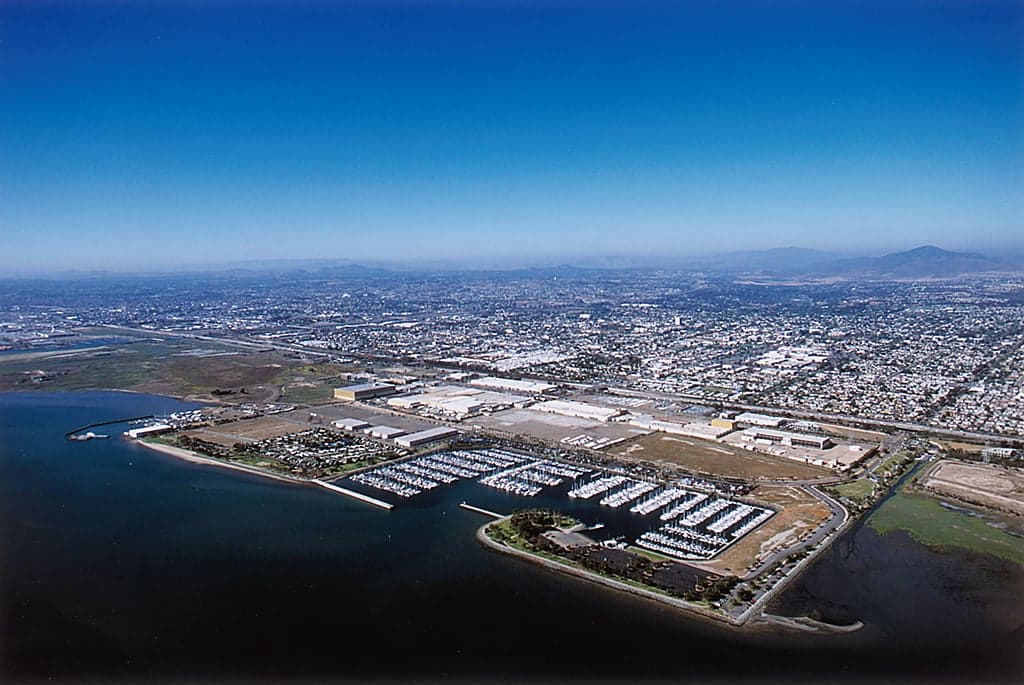
After work and on weekends, life revolves around the neighborhood. Shopping centers like the Otay Ranch Town Center and the Plaza Bonita mall are the main retail hubs, but the real character comes from the smaller strip malls and taco shops scattered across the city. Third Avenue in the downtown core has a growing collection of independent restaurants and breweries, though it’s not a late-night party scene. Families spend a lot of time at the city’s many parks, especially the sprawling Otay Valley Regional Park, which offers miles of hiking and biking trails, and the waterfront Bayshore Park along the San Diego Bay, where the views of the downtown skyline are hard to beat.
Sports, Community, and Local Identity
High school sports are a genuinely big deal here. Chula Vista is home to several large public high schools, and Friday night football games at places like Otay Ranch High School or Eastlake High School draw sizable crowds of parents, alumni, and local boosters. The rivalry between these schools is real, and it’s one of the few things that gives the city a small-town feel despite its size. For pro sports, residents are naturally San Diego fans, which means loyalty to the Padres (baseball) and the Chargers (now in Los Angeles, though many locals still hold a grudge). The city’s location also puts it within a 20-minute drive of Petco Park in downtown San Diego, so catching a Padres game is a common weekend activity.
Culturally, the city’s identity is deeply tied to its proximity to the Mexican border. The annual Fiesta de la Luna in August is a major event, drawing thousands for live music, food vendors, and a fireworks show over the bay. The Chula Vista Lemon Festival is another quirky local tradition, celebrating the area’s agricultural history with lemon-themed food, contests, and a carnival. You’ll also find a strong sense of community at the Chula Vista Elite Athlete Training Center, a world-class track and field facility that hosts Olympic hopefuls and local meets alike.
What’s There to Do: Entertainment, Outdoors, and Food
Outdoor life is a major draw. Beyond the regional parks, the Living Coast Discovery Center on the bay is a small but excellent zoo and aquarium focused on local wildlife, popular with young families. The Chula Vista Marina offers boat rentals and waterfront dining, and the nearby Silver Strand State Beach is a short drive for actual ocean swimming. For a more urban outing, the AMC Theatres at Otay Ranch and the Bowling at The Lanes are standard suburban entertainment, but the real gems are the local restaurants. Places like Taqueria El Gordo (for authentic Tijuana-style tacos) and Romesco Mexi-Cali Bistro (for a higher-end take on regional cuisine) are local institutions. The craft beer scene has grown too, with breweries like Chula Vista Brewing Company and Border X Brewing offering taprooms that double as community gathering spots.
Pros and Cons of Living Here
Longtime residents will tell you the upsides are real. The weather is nearly perfect year-round—warm and dry, with marine layer clouds burning off by late morning. The schools are generally well-regarded, especially in the Eastlake and Otay Ranch neighborhoods, and the city has invested heavily in parks and libraries. The cost of living, however, is the biggest frustration. With a cost of living index of 208 (more than double the national average) and a median home value of $697,400, buying a house here is a stretch for many, even with above-average incomes. Rent is similarly high, and the traffic on the I-5 and I-805 corridors can be brutal during peak hours. The violent crime rate of 362.8 per 100,000 is higher than the national average, though it’s concentrated in certain areas and most residents feel safe in their own neighborhoods.
Another honest downside is the lack of a true urban core. Chula Vista is a collection of master-planned communities and older neighborhoods, and while it has its own identity, it doesn’t have the walkable, 24-hour energy of downtown San Diego. For singles and young professionals without kids, the social scene can feel limited, and many end up driving north for nightlife. For parents, though, the trade-off is clear: good schools, safe streets in the newer developments, and a community that actually knows its neighbors. The median age here is 37, and 32.3% of adults hold a bachelor’s degree or higher, which aligns with a population that is solidly middle-class and family-focused. If you’re looking for a place where you can put down roots, enjoy consistent sunshine, and accept a long commute as the price of space and affordability relative to coastal San Diego, Chula Vista makes a lot of sense.

Similar mid-size cities to Chula Vista
* Values derived from national, state, county, city and local statistics and may differ in a specific area. Last updated: 2026-04-24T09:52:18.000Z
Narrative content on this page is AI-generated and may contain mistakes. Verify any details that matter before acting on them.
ReloMaps may earn a commission from affiliate links at no extra cost to you.

