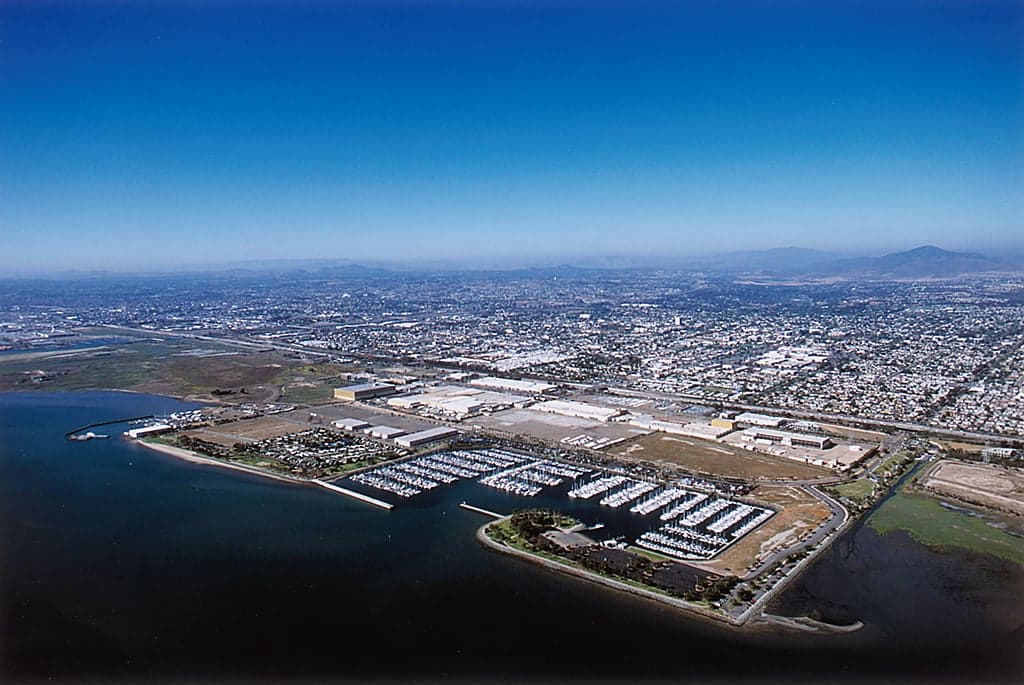
Photo: Wikipedia
Quality of Life in Chula Vista, CA
A high quality of life with strong walkability, manageable living costs, healthy neighborhood signals, and solid amenity access.
What does Quality of Life tell us?
Quality of Life blends cost of living, nearby amenities, socioeconomic signals, and neighborhood character. City-level scores represent the whole municipality; individual neighborhoods can differ.
What does this tell us?
Quality of Life blends cost of living, nearby amenities, socioeconomic signals, and neighborhood character. City-level scores represent the whole municipality; individual neighborhoods can differ.
Cost of Living
108% above national average
The Real Cost of Living in Chula Vista, CA for 2026
| Tier | Individual | Family (4) |
|---|---|---|
| Survival | $34k | $64k |
| Comfortable | $107k | $157k |
| Luxury | $157k+ | $243k+ |
| Elite (Top 5%) | $184k+ | $285k+ |
67%
The Area Signal
A metric tracking the socioeconomic signals of the area.
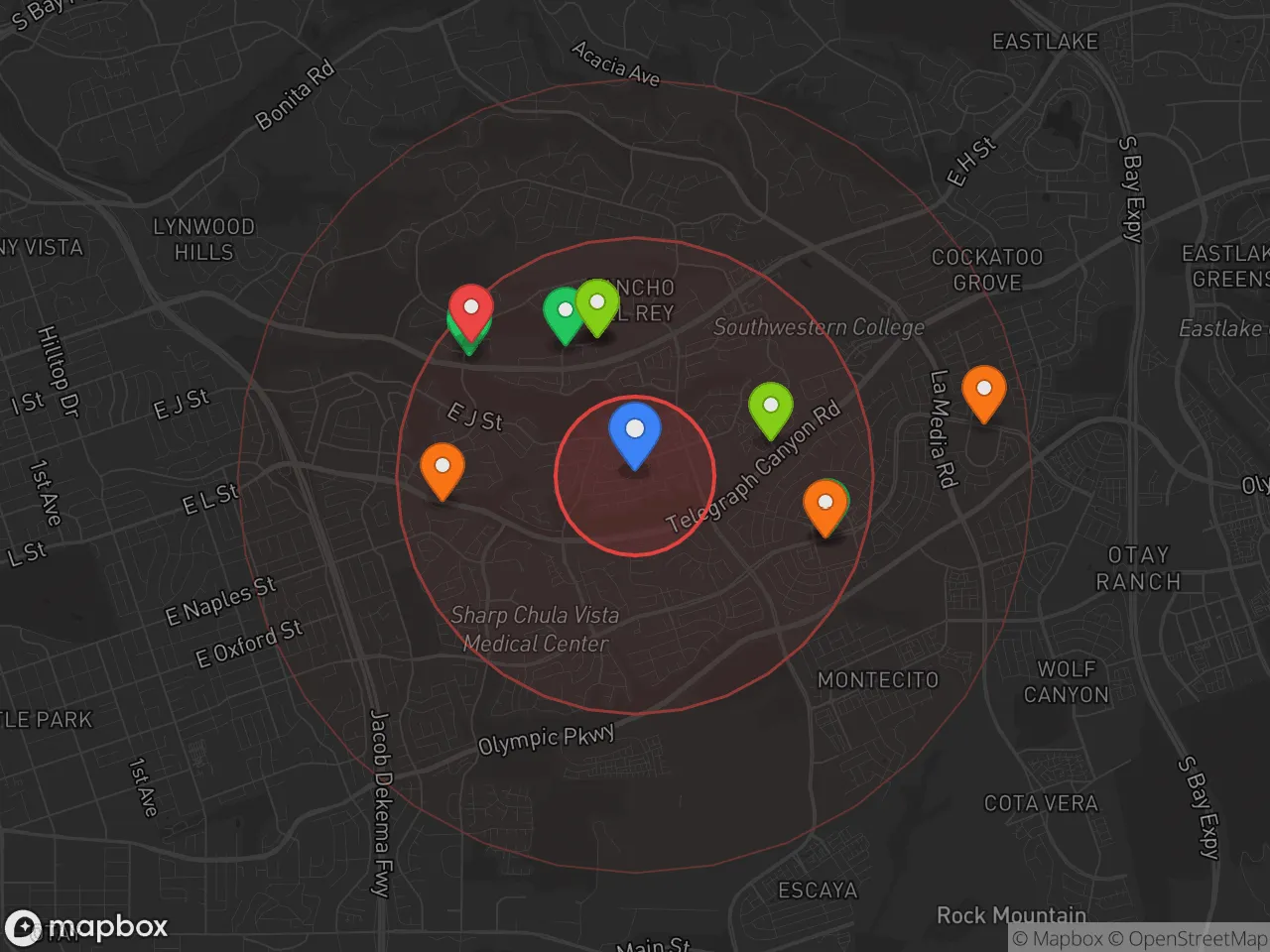
Hobbies
Explore the areaGroceries
7 within 10 miles
Gas
20 within 10 miles
Hospital
20 within 20 miles
Airport
SAN — San Diego International
Post Office
USPS — Chula Vista, CA
Critical Amenities
Quality-of-Life Analysis
Chula Vista is a large, family-oriented suburb of San Diego where the cost of living index sits at 208—more than double the national average—yet the city attracts a diverse mix of middle- and upper-middle-class households, many of whom work in the region’s biotech, defense, and tourism sectors. The city’s median household income hovers around $90,000, and its population of roughly 280,000 includes a significant number of dual-income families, long-term homeowners, and professionals who commute into San Diego proper. While not as affluent as coastal enclaves like La Jolla or Coronado, Chula Vista offers a comparatively attainable entry point into the San Diego metro area for those seeking suburban space and newer housing stock.
Cost of living, housing affordability, and how Chula Vista compares to nearby cities
With a cost of living index of 208, Chula Vista is significantly more expensive than the U.S. average but remains one of the more affordable options within San Diego County. The median home value is $697,400, which is roughly $200,000 less than the San Diego city median and about $150,000 below the countywide figure. Median rent sits at $2,122, compared to over $2,500 in downtown San Diego and $3,000+ in coastal neighborhoods. However, these prices still represent a steep premium over inland cities like El Centro or Temecula. The average commute time is 28.6 minutes, slightly above the national average of 26 minutes, reflecting the fact that many residents drive north on Interstate 5 or State Route 125 to jobs in San Diego’s tech and defense hubs. Property taxes in Chula Vista are roughly 0.73% of assessed value, lower than the California average of 0.77%, but state income taxes remain high at a top marginal rate of 13.3%.
Neighborhood amenities, school quality, and the daily rhythm of life
Chula Vista’s daily life revolves around its extensive park system, with over 80 parks including the 316-acre Otay Valley Regional Park and the waterfront Bayshore Park along San Diego Bay. The city’s school system, the Sweetwater Union High School District and Chula Vista Elementary School District, includes several schools rated 8 or higher on GreatSchools, such as Eastlake Elementary and Olympian High School. The Otay Ranch and Eastlake master-planned communities anchor much of the newer housing, offering walkable shopping centers, community pools, and trails. Dining and entertainment are concentrated along Third Avenue in the downtown village and the Otay Ranch Town Center, a large outdoor mall. The city’s proximity to the U.S.-Mexico border means a strong binational influence on local cuisine and culture, with numerous taquerias, panaderias, and mercados. Traffic congestion is a daily reality, particularly on the I-5 and I-805 corridors during peak hours, but the city’s investment in the South Bay Rapid bus system and the planned extension of the Blue Line trolley aim to improve transit options.
Families and professionals who prioritize newer suburban housing, access to parks, and a lower price point than central San Diego will find Chula Vista a practical fit. The city works best for those who can absorb the high overall cost of living—especially the housing premium—and who are willing to accept a commute of roughly half an hour to reach downtown San Diego or the biotech clusters in Torrey Pines. Retirees on fixed incomes may struggle with the expense, but dual-income households with school-age children consistently rank Chula Vista among the most livable suburbs in Southern California.

Crime in Chula Vista, CA
WARNING: The crime statistics are unreliable for this jurisdiction. Local authorities have either not reported or under reported their data to the FBI. This could be due to bad intentions, incompetence or technical issues. Regardless, we suggest skepticism.
Higher crime rates than 64% of comparable U.S. locations.
Violent CrimeViolent Crime Analysis
Property CrimeProperty Crime Analysis
Crime Analysis
Chula Vista presents a mixed safety profile for potential residents. The city's violent crime rate of 362.8 incidents per 100,000 residents is notably lower than the national average, but its property crime rate of 1,055 per 100,000 sits close to the national median. However, the broader San Diego region, like many large metro areas in California, operates under a justice system influenced by progressive policies that prioritize rehabilitation over incarceration, a factor that directly impacts public safety by keeping more offenders on the street.
Crime in context
Chula Vista's violent crime rate is roughly 20% lower than the U.S. average, placing it among the safer large cities in California for personal safety. Property crime, however, is a more pressing concern. The rate of 1,055 per 100,000 is comparable to the national average but significantly higher than in many suburban communities outside the state. This pattern is common in California's border-adjacent metro areas, where property crimes like vehicle break-ins and theft from parked cars are persistent issues. The presence of a progressive district attorney in San Diego County, who has implemented policies such as reduced cash bail and diversion programs for non-violent offenders, means that many property crime cases result in minimal jail time, contributing to a cycle of repeat offenses that frustrates residents.
What residents experience
In daily life, Chula Vista residents report feeling safe in their neighborhoods, particularly in the eastern and newer master-planned communities like Otay Ranch and Eastlake. These areas feature higher home values, active homeowners' associations, and private security patrols that deter casual crime. Conversely, older neighborhoods closer to the I-5 corridor and the downtown core, such as the area around Third Avenue, see more frequent incidents of theft, vandalism, and drug-related activity. The city's proximity to the U.S.-Mexico border also introduces unique safety dynamics, including occasional vehicle thefts and smuggling-related activity. A significant concern for many families is the impact of Proposition 47, which reclassified many drug and property felonies as misdemeanors, a progressive reform that has led to a noticeable increase in shoplifting and petty theft at local retail centers like the Otay Ranch Town Center.
Neighborhood-level variation is substantial. The safest pockets are the gated communities and newer subdivisions in the eastern hills, where violent crime is virtually nonexistent and property crime is low. In contrast, the western half of the city, particularly areas near the San Diego Bay and the Sweetwater River corridor, experience higher rates of gang-related incidents and property crime. For a family or individual prioritizing safety, choosing a home in the eastern neighborhoods is strongly recommended, while the western areas require more vigilance, especially regarding vehicle security and home burglary prevention. The overarching reality is that Chula Vista's safety is relative: it is safer than downtown San Diego but less secure than many inland suburbs, with the progressive legal environment in San Diego County acting as a persistent undercurrent that weakens deterrence for property and drug-related offenses.
* Values derived from national, state, county, city and local statistics and may differ in a specific area. Last updated: 2026-04-24T09:52:18.000Z
Narrative content on this page is AI-generated and may contain mistakes. Verify any details that matter before acting on them.
ReloMaps may earn a commission from affiliate links at no extra cost to you.

