 Popular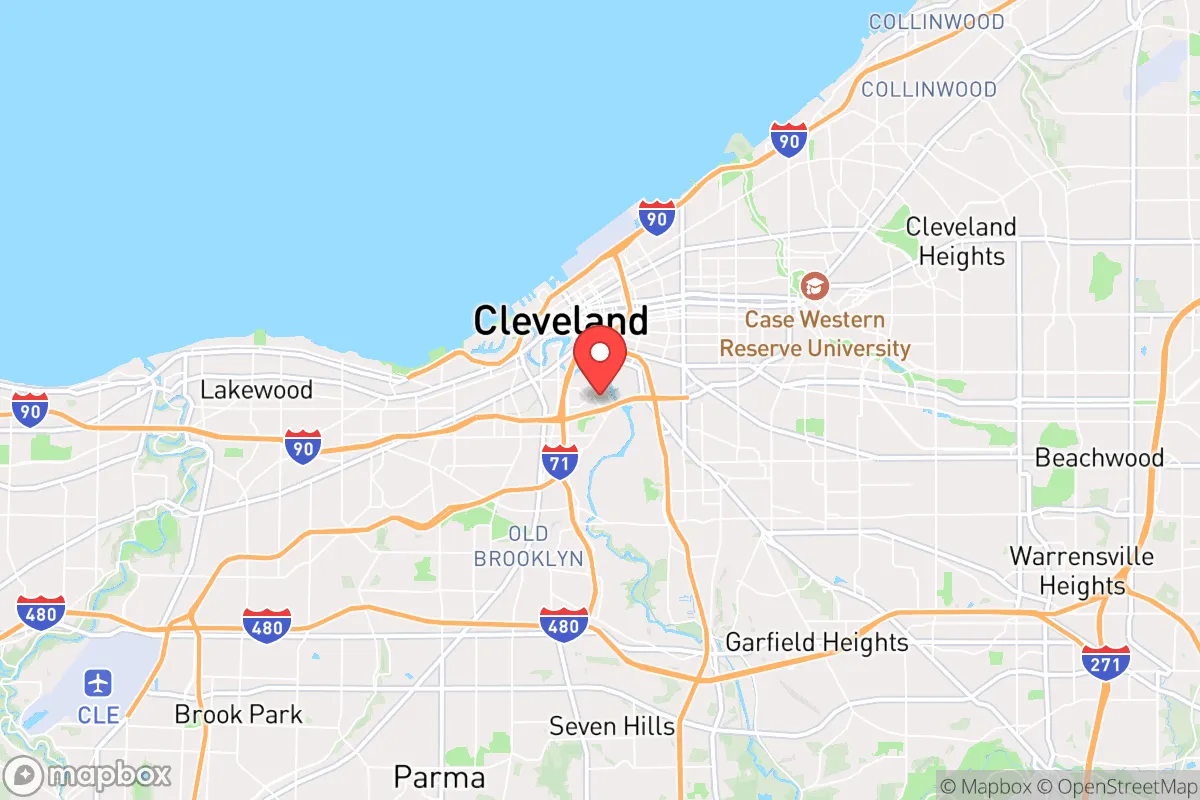
Photo: Wikipedia
Personal Sovereignty in Cleveland, OH
Viable for self-reliance. Generally workable, though some barriers may limit total independence.
What does Personal Sovereignty tell us?
Personal Sovereignty measures your capacity for self-reliance and independence with minimal government friction. Higher scores mean fewer barriers between you and the way you want to live... but it assumes you have the space you need and good neighbors.
What does this tell us?
Personal Sovereignty measures your capacity for self-reliance and independence with minimal government friction. Higher scores mean fewer barriers between you and the way you want to live... but it assumes you have the space you need and good neighbors.
State Policy
Energy independence: Importer (40% of energy produced in-state)
Personal Liberty
Homesteading

Personal Liberty Analysis
Cleveland, Ohio, presents a mixed bag for those prioritizing personal sovereignty, offering a relatively low cost of entry but burdened by a complex web of state and local regulations that can chafe against a self-reliant lifestyle. While the Buckeye State provides a constitutional framework for gun rights and some measure of local control, the city of Cleveland itself operates under a progressive municipal code that often expands government reach into daily life. For the survivalist or prepper, the core tension here is between the affordability of land and housing versus the administrative overhead and cultural headwinds that come with living in a major Great Lakes urban center.
Tax burden and regulatory posture in Cleveland and Cuyahoga County
Ohio’s state-level tax structure is moderately burdensome, with a flat income tax rate of 3.5% as of 2026, but Cleveland adds its own 2.5% municipal income tax on residents and a 2.0% tax on non-residents working within city limits. This combined effective rate of 6.0% on earned income is among the highest in the Midwest for a major city. Property taxes in Cuyahoga County are also steep, with effective rates often exceeding 2.0% of assessed home value, driven by high levies for schools and county services. For a prepper looking to minimize recurring government extraction, this is a significant drag. Regulatory posture at the city level is interventionist: Cleveland enforces strict building codes, rental registration requirements, and a point-of-sale home inspection ordinance that forces sellers to bring properties up to code before transfer, adding cost and friction to property transactions. Business licensing and permitting processes are described by many small-scale operators as slow and costly, discouraging the kind of side-hustle or home-based enterprise that fosters self-reliance.
Self-defense and gun law specifics in Cleveland and Ohio
Ohio is a “constitutional carry” state, meaning no permit is required to carry a concealed handgun for anyone 21 or older who can legally possess a firearm. This is a strong positive for personal sovereignty. However, Cleveland imposes its own local restrictions that create a legal minefield. The city bans the possession of firearms in all city-owned recreation centers, parks, and on public transit property, including RTA buses and trains. Carrying in a Cleveland city park without a permit is a misdemeanor, even though state law generally preempts local gun ordinances—a conflict that has led to legal challenges and confusion. Stand-your-ground laws apply statewide, removing the duty to retreat before using deadly force in self-defense. Magazine capacity and “assault weapon” bans are not in effect at the state level, but Cleveland has attempted to pass such bans in the past, and the political climate remains hostile to gun ownership. For the prepper, the practical takeaway is that while Ohio law is favorable, operating within Cleveland city limits requires careful legal navigation and a willingness to potentially face local enforcement actions that contradict state statutes.
Self-reliance and homesteading viability in Cleveland’s neighborhoods
Cleveland’s aging industrial footprint offers a unique opportunity for the urban homesteader: large lots and vacant land are available at shockingly low prices in many east-side and west-side neighborhoods. Zoning in much of the city is R-1 or R-2, which permits single-family homes with accessory structures, but raising livestock (chickens, goats, bees) is heavily restricted—chickens are allowed only with a special permit and strict coop setback requirements, and larger animals are generally prohibited. Off-grid feasibility is low: the city mandates connection to municipal water and sewer, and solar panel installations require electrical permits and grid-tie agreements with Cleveland Public Power or FirstEnergy. Rainwater collection for potable use is not explicitly prohibited but is subject to Ohio EPA regulations that make it impractical for primary water supply. The best bet for a prepper is to target neighborhoods like Old Brooklyn, Kamms Corners, or parts of Slavic Village, where lot sizes can exceed a quarter-acre and neighbors are more tolerant of DIY landscaping and gardening. Even then, the city’s code enforcement is active, and complaints about “unkept” properties can trigger inspections and fines.
Personal liberties in Cleveland: parental rights, medical autonomy, speech, and property
Parental rights in Ohio are generally strong, with a state law requiring parental consent for minors’ medical procedures, including abortion. However, Cleveland’s school board and city council have pushed for policies that can override parental authority, such as mandated social-emotional learning curricula and LGBTQ+ inclusive materials that some parents find intrusive. Medical autonomy is constrained by state-level vaccine mandates for school attendance, though Ohio does not require COVID-19 vaccines for children. The city of Cleveland has a history of aggressive health department orders, including mask mandates and business closure orders during the pandemic, which many sovereignty-minded individuals view as overreach. Free speech is protected under the First Amendment, but Cleveland has a noise ordinance and parade permit system that can be used to limit spontaneous protests or public gatherings. Property rights are the weakest link: the city has an active land bank (Cuyahoga County Land Reutilization Corporation) that can seize tax-delinquent properties and sell them to developers, and the city’s strict rental registration and inspection regime gives officials broad discretion to enter and inspect private property. For the prepper, the message is clear: you can own property in Cleveland, but you don’t have full control over it.
Compared to other Rust Belt cities, Cleveland offers a lower barrier to entry for those seeking affordable land and a constitutional carry environment, but the trade-off is a dense layer of municipal regulation that can feel like a slow-motion erosion of autonomy. For the strategic relocator with a survivalist mindset, the smart play is to buy on the outskirts of the city—perhaps in suburbs like Parma, Strongsville, or Mentor—where zoning is looser, taxes are lower, and local government is less intrusive. Inside Cleveland proper, the sovereignty picture is one of constant vigilance and legal friction, where every garden shed, chicken coop, and firearm holster requires a permit or a prayer. If you value low taxes, minimal government interference, and the ability to live as you see fit, Cleveland is a compromise—not a sanctuary, but a place where a determined individual can carve out a niche if they’re willing to fight for it.

* Values derived from national, state, county, city and local statistics and may differ in a specific area. Last updated: 2026-04-21T18:57:31.000Z
Narrative content on this page is AI-generated and may contain mistakes. Verify any details that matter before acting on them.
ReloMaps may earn a commission from affiliate links at no extra cost to you.

