 Popular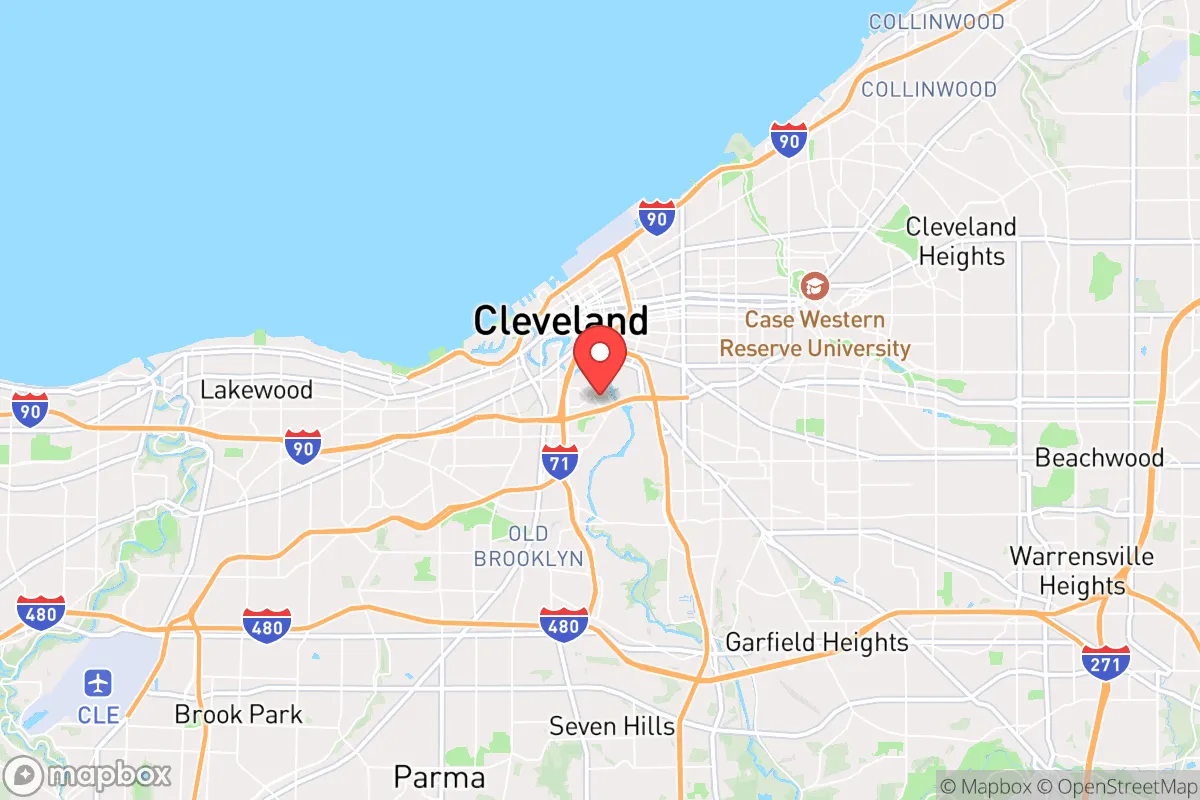
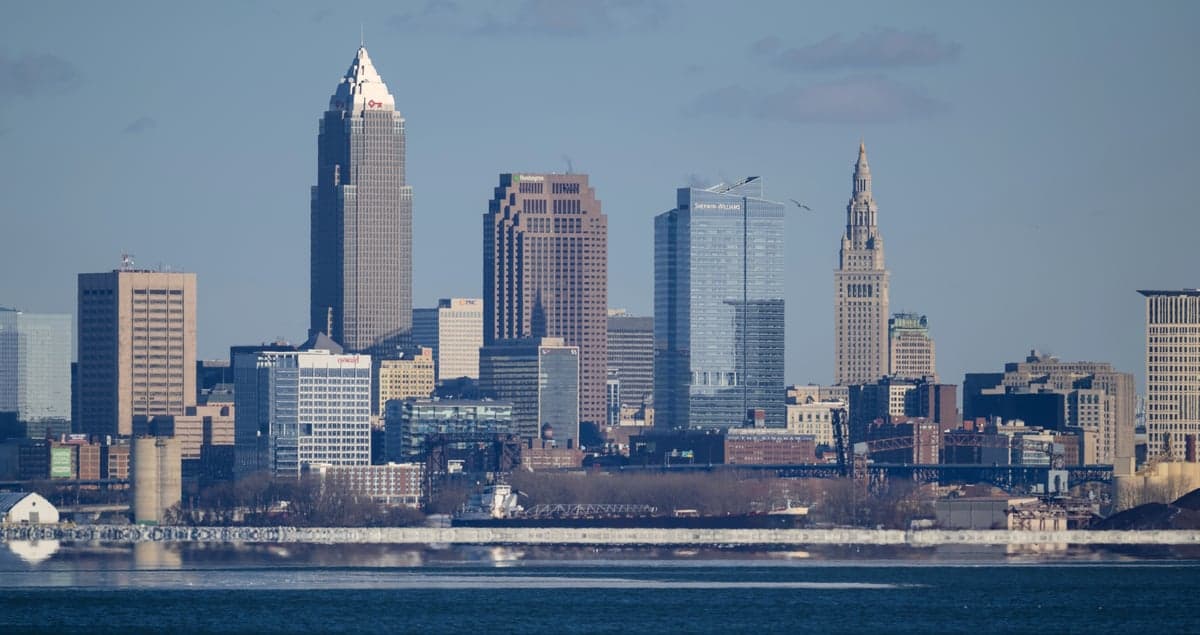
Photo: Wikipedia
Political ClimatePolitical Climate in Cleveland, OH
District shown is the primary district for this city’s centroid. Cities may span multiple districts.
Local Political AnalysisPolitical Analysis of Cleveland, OH
Cleveland, Ohio, is a deep blue stronghold with a Cook Partisan Voting Index of D+28, meaning it votes nearly 30 points more Democratic than the national average. That’s not a recent shift—this city has been reliably liberal for decades, but the character of that liberalism has changed. Back in the day, you had a lot of union Democrats, working-class folks who were socially moderate and fiscally cautious. Now, the political energy here is driven by progressive activists, and the city council and county government have moved sharply left on everything from policing to land use. If you value personal freedoms and limited government, this is a place where you’ll feel the weight of the machine.
How it compares
Drive 20 minutes west to Lakewood or Rocky River, and you’ll find a more moderate, mixed-voting population—still blue, but with a healthier dose of skepticism about tax hikes and zoning overreach. Head south to Strongsville or Medina, and you’re in solidly red territory where people still wave Gadsden flags and talk about property rights. Cleveland itself, though, is an island of intense progressive governance. The city has a strong-mayor system, and the current administration has pushed through things like a “right to counsel” for tenants in eviction cases and a $15 minimum wage for city contractors. Compare that to the surrounding Cuyahoga County suburbs, where many towns still have Republican mayors and more restrained budgets. The contrast is stark: inside Cleveland, you get a government that’s deeply involved in housing, policing, and business regulation; outside, you get a lot more breathing room.
What this means for residents
For a resident who values personal autonomy, the biggest red flag is the city’s approach to property rights and public safety. Cleveland has a strict rental registry and inspection program that gives the city broad authority to enter rental units—something that feels like an overreach if you own a duplex or manage a small building. The police department has been under a federal consent decree since 2015, and the city council has passed ordinances limiting police use of force and requiring body cameras, but the result is a lot of bureaucratic friction and a sense that the city is more focused on compliance than on keeping neighborhoods safe. Taxes are another sore spot: Cleveland has one of the highest income tax rates in Ohio at 2.5% for residents, plus a 2% commuter tax that hits anyone who works in the city. That’s a heavy load for a city that still struggles with basic services like road repair and trash pickup. The progressive agenda sounds good on paper, but in practice, it often means more rules, more fees, and less freedom to run your own life.
On the cultural side, Cleveland is a city of strong neighborhoods and deep roots, but the political climate has become more divisive. You’ll find plenty of folks who are proud of the city’s diversity and its blue-collar heritage, but the conversation has shifted from “how do we fix the potholes” to “how do we dismantle systemic oppression.” That’s a hard sell for a lot of longtime residents who just want the city to be safe, affordable, and free from endless government meddling. Looking ahead, the trajectory is concerning: as the state legislature in Columbus continues to pass preemption laws that block local gun control and minimum wage hikes, Cleveland’s leaders are fighting back with more local ordinances and lawsuits. That tug-of-war means more uncertainty for residents. If you’re considering a move here, my honest advice is to look at the inner-ring suburbs where you can still enjoy the city’s amenities without being under the thumb of its most ambitious politicians.

State Political ClimatePolitical Climate in Ohio
State Political AnalysisPolitical Environment in the State
Ohio has long been the quintessential bellwether state, but over the past decade it has shifted from a classic purple battleground to a solidly red-leaning state, with Donald Trump winning it by 8 points in 2020 and 11 points in 2024. The dominant coalition is now a mix of working-class voters in small cities and rural areas, combined with suburban conservatives who have grown wary of progressive overreach. This trajectory has been steady since 2012, when the state voted for Obama but then swung hard right in 2016, and the trend shows no signs of reversing as in-migration from blue states accelerates into places like the Cincinnati suburbs and the Columbus exurbs.
Urban vs. rural divide
The political map of Ohio is a textbook study in the urban-rural split. The three major metros—Cleveland, Columbus, and Cincinnati—are deep blue islands, with Cuyahoga County (Cleveland) delivering 68% for Biden in 2020 and Franklin County (Columbus) at 62%. But the real story is the red wave outside these cities. The rural counties of Mercer, Auglaize, and Holmes routinely vote 75-80% Republican, while the Appalachian counties in the southeast, like Belmont and Monroe, flipped hard from Obama to Trump. The suburbs are where the action is: Delaware County (north of Columbus) went from a 52-48 Romney win in 2012 to a 62-38 Trump win in 2024, while Warren County (north of Cincinnati) is now one of the most reliably red counties in the state. The divide is stark: drive 20 minutes outside any major city, and you’re in Trump country.
Policy environment
Ohio’s policy environment is a mixed bag for conservatives, but trending in the right direction. The state income tax was cut from a top rate of 4.75% to 3.5% in 2023, and property taxes are relatively low compared to the national average. The regulatory posture is business-friendly, with right-to-work laws not on the books but a strong anti-union sentiment in the legislature. Education policy is a flashpoint: the state passed universal school vouchers in 2023 (the EdChoice expansion), allowing any family to use public funds for private or homeschool expenses—a huge win for parental rights. On healthcare, Ohio did not expand Medicaid under the Affordable Care Act until 2014, and the current legislature has resisted further expansion. Election laws have tightened: voter ID requirements were strengthened in 2023, and early voting windows were reduced, which conservatives see as election integrity measures. However, the state still has no constitutional carry (permitless carry was passed in 2022 but only for those 21+), and medical marijuana is legal but recreational use remains illegal—a point of frustration for libertarian-leaning residents.
Trajectory & freedom
Ohio is becoming more free in several key areas, but the trajectory is uneven. The biggest win for personal liberty was the passage of House Bill 99 in 2022, which eliminated the requirement for a concealed carry permit—a clear expansion of Second Amendment rights. Parental rights got a boost with the Parents’ Bill of Rights (HB 8) in 2023, which requires schools to notify parents of any medical or mental health services provided to minors and prohibits instruction on sexual orientation in grades K-3. On the downside, the state still has a sales tax on groceries (though it was reduced to 0% in 2024), and property taxes in high-growth areas like Delaware County have risen sharply due to school levies. Medical autonomy took a hit with the passage of Issue 1 in 2023, which enshrined abortion rights in the state constitution—a move that many conservatives view as government overreach in the other direction. The state also banned local governments from enacting sanctuary city policies (HB 180 in 2023), which is a win for rule of law but a loss for local control.
Civil unrest & political movements
Ohio has seen its share of political flashpoints. The 2020 protests in Columbus and Cincinnati over the George Floyd killing were large but largely peaceful, though the state saw some property damage in the Short North district. The most visible movement on the right is the “Ohio Freedom Alliance” and local Moms for Liberty chapters, which have been active in school board races in Warren County and Butler County. Immigration politics are less heated than in border states, but the influx of Haitian migrants into Springfield (Clark County) in 2023-2024 sparked local tensions, with the city council passing a resolution opposing the resettlement. Election integrity remains a live issue: the 2020 election in Ohio was certified without major controversy, but the 2024 cycle saw lawsuits over drop box locations in Cuyahoga County. There’s no serious secession talk, but the “Ohio is a red state” sentiment is strong, and the state legislature has passed preemption laws to block local gun control and minimum wage ordinances—a clear signal that local progressive governments are seen as overreaching.
Projection
Over the next 5-10 years, Ohio is likely to become more conservative as in-migration from blue states like California, Illinois, and New York continues to flow into the Cincinnati suburbs (Mason, West Chester) and the Columbus exurbs (Powell, Sunbury). These newcomers tend to be fiscally conservative and socially moderate, which could push the state toward a more libertarian-leaning Republicanism. The demographic shift is real: Ohio’s population is aging and white, but the growth is in the red suburbs, not the blue cities. The state legislature will likely pass a school choice expansion and further tax cuts, but the abortion rights amendment (Issue 1) will remain a flashpoint, with potential legislative attempts to regulate clinic standards. The biggest risk is that the urban-rural divide widens, with Cleveland and Columbus becoming more progressive while the rest of the state hardens its red hue. For a conservative moving in, expect a state that is broadly friendly to your values but still has pockets of progressive governance that require vigilance at the local level.
Bottom line for a new resident: Ohio is a solid bet for conservatives who want a lower cost of living, strong gun rights, and a state government that respects parental authority. You’ll find your values reflected in the statehouse and in most communities outside the major cities, but you’ll need to pick your county carefully—Delaware, Warren, and Geauga counties are your best bets for a like-minded community. The trajectory is positive, but the fight over local control and education will continue, so get involved in your school board and township meetings if you want to keep it that way.
* Values derived from national, state, county, city and local statistics and may differ in a specific area. Last updated: 2026-04-21T18:57:31.000Z
Narrative content on this page is AI-generated and may contain mistakes. Verify any details that matter before acting on them.
ReloMaps may earn a commission from affiliate links at no extra cost to you.

