 Popular
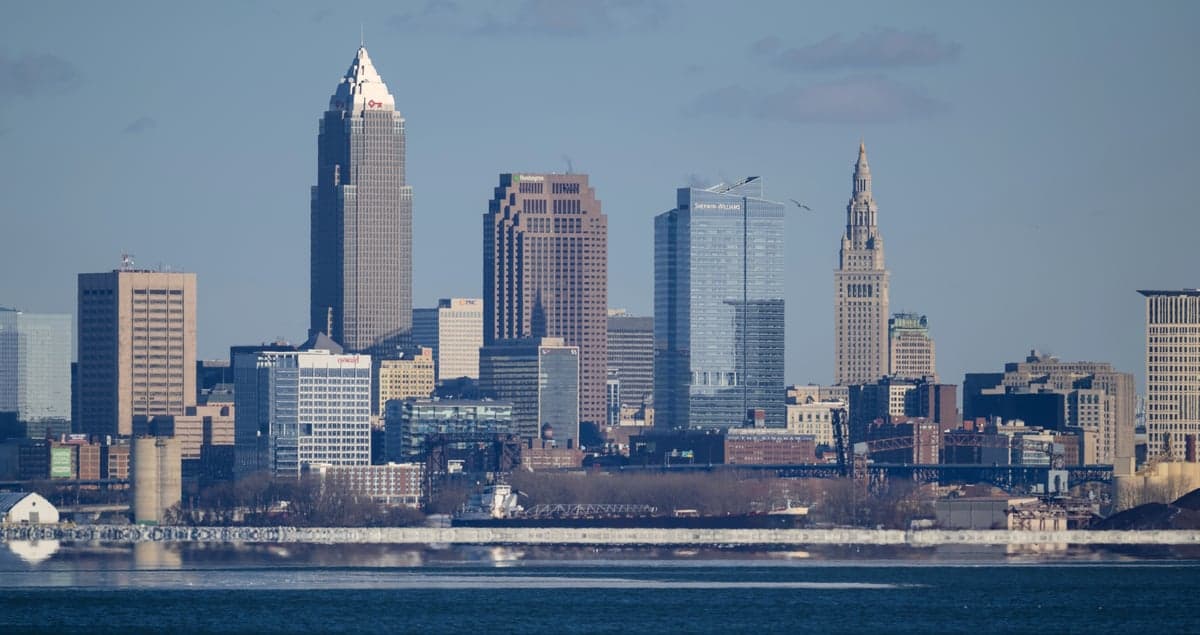
Photo: Wikipedia
Quality of Life in Cleveland, OH
A high quality of life with strong walkability, manageable living costs, healthy neighborhood signals, and solid amenity access.
What does Quality of Life tell us?
Quality of Life blends cost of living, nearby amenities, socioeconomic signals, and neighborhood character. City-level scores represent the whole municipality; individual neighborhoods can differ.
What does this tell us?
Quality of Life blends cost of living, nearby amenities, socioeconomic signals, and neighborhood character. City-level scores represent the whole municipality; individual neighborhoods can differ.
Cost of Living
41% below national average
The Real Cost of Living in Cleveland, OH for 2026
| Tier | Individual | Family (4) |
|---|---|---|
| Survival | $14k | $27k |
| Comfortable | $23k | $34k |
| Luxury | $71k+ | $110k+ |
| Elite (Top 5%) | $98k+ | $152k+ |
114%
The Area Signal
A metric tracking the socioeconomic signals of the area.
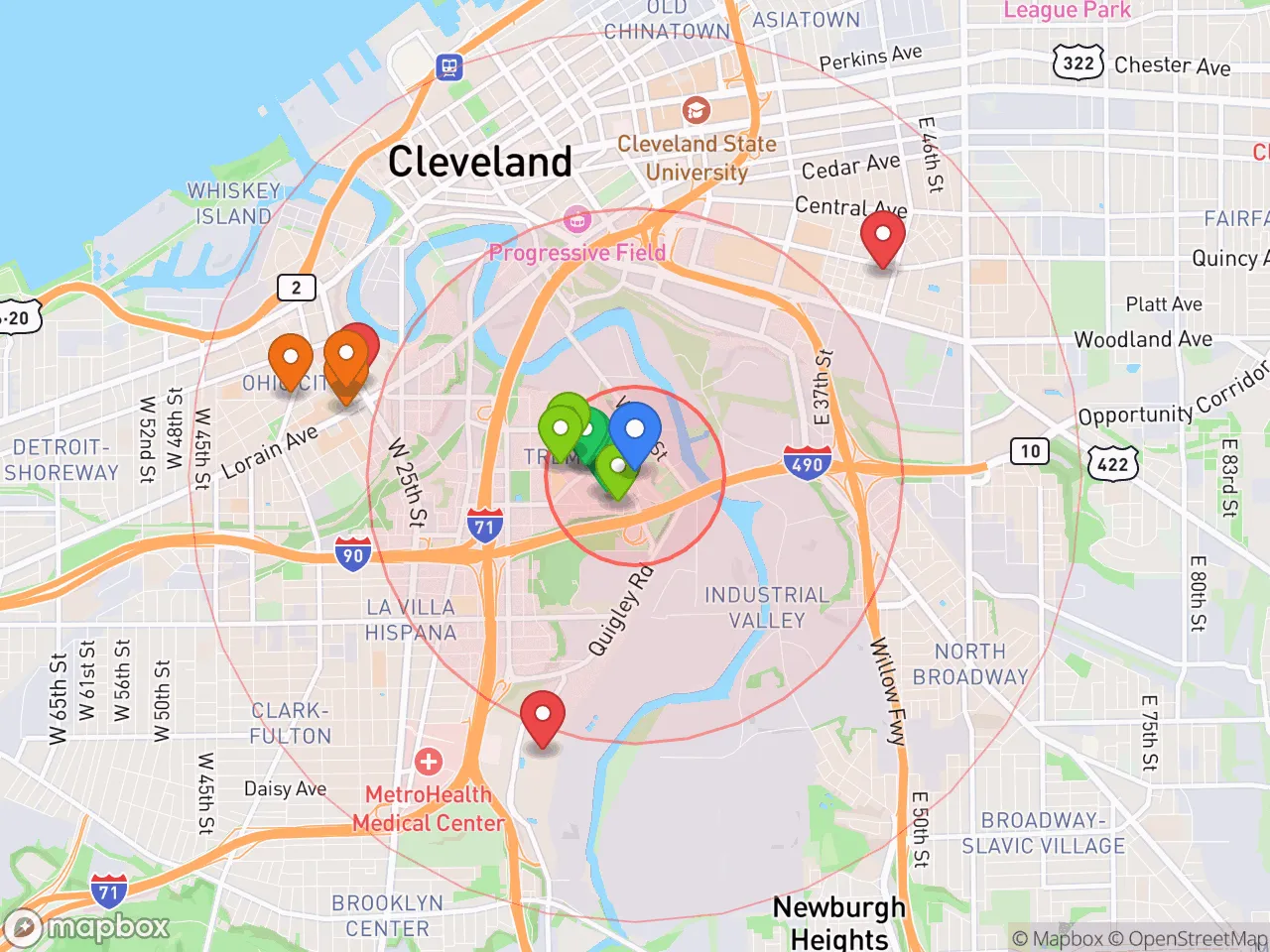
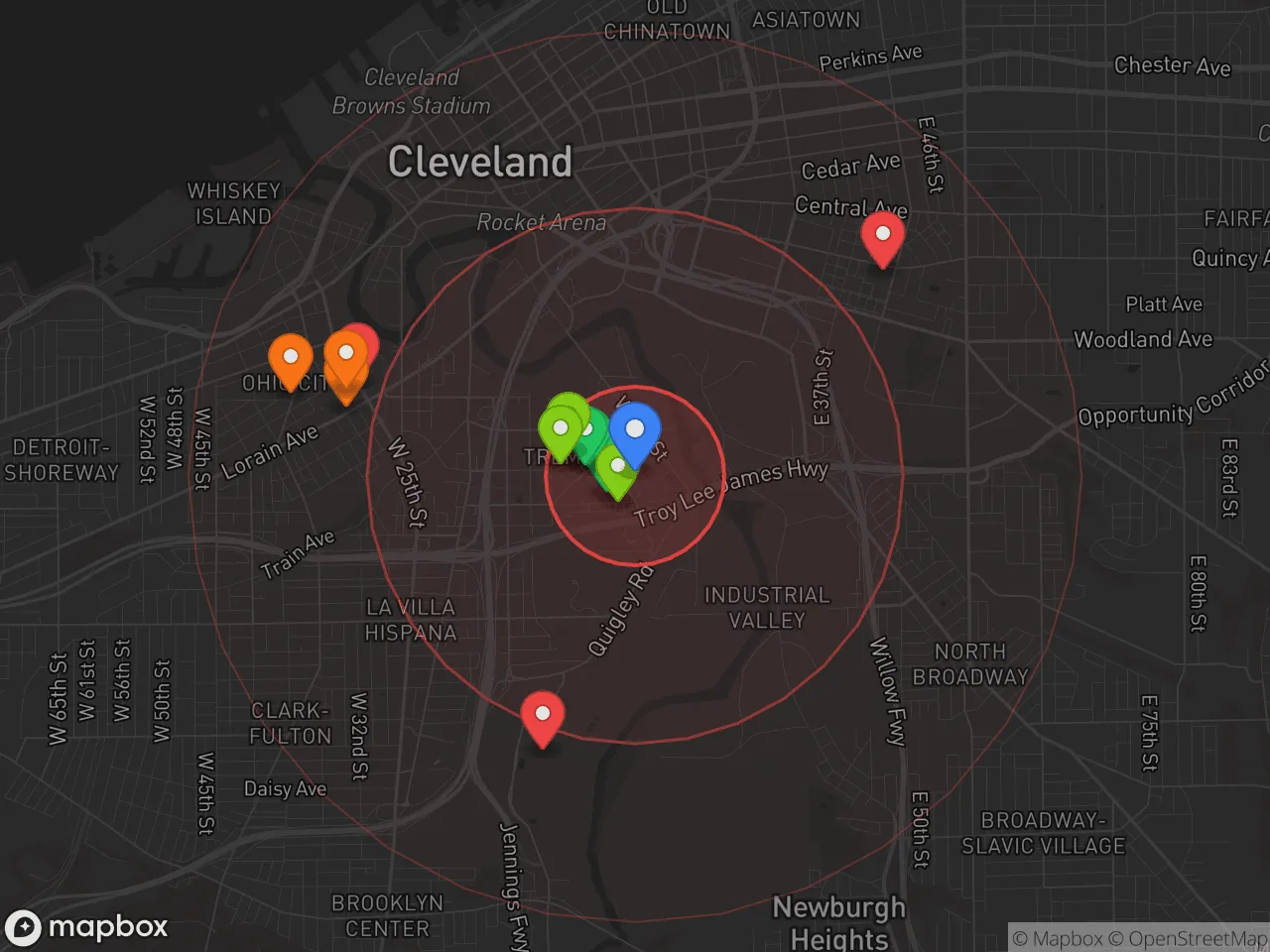
Hobbies
Explore the areaGroceries
5 within 10 miles
Gas
20 within 10 miles
Hospital
20 within 20 miles
Airport
DTW — Detroit Metropolitan Wayne County
Post Office
USPS — Cleveland, OH
Critical Amenities
Quality-of-Life Analysis
Cleveland, Ohio, presents a distinctive quality-of-life profile defined by its remarkably low cost of living and a population that values urban authenticity, cultural depth, and community resilience. With a cost-of-living index of 59—41% below the national average—the city attracts a mix of young professionals, artists, and long-term residents who prioritize affordability and access to world-class institutions over suburban sprawl. The median home value of $94,100 and median rent of $894 create a housing market where homeownership is attainable for many, while the average commute of just under 23 minutes offers a rare balance between urban employment and manageable travel times.
How Cleveland's cost of living and housing compare to nearby suburbs
Cleveland’s affordability stands in stark contrast to its surrounding suburbs and peer Midwestern cities. The city’s median home value of $94,100 is less than half that of nearby Lakewood ($210,000) or Shaker Heights ($180,000), and significantly below the national median of roughly $350,000. Renters also benefit: the median rent of $894 is roughly 30% lower than in Cleveland Heights or Ohio City, where rents often exceed $1,200 for comparable units. This low barrier to entry allows residents to allocate more income toward savings, travel, or discretionary spending. However, the trade-off includes higher property taxes—Cuyahoga County’s effective rate is around 2.1%—and older housing stock that may require maintenance. For those willing to invest in renovation, neighborhoods like Detroit-Shoreway and Slavic Village offer substantial equity upside. The average commute of 22.86 minutes is shorter than the national average of 27 minutes, aided by the city’s compact layout and the RTA’s rail and bus network, though car ownership remains the primary mode for most workers.
What daily life is like for families and professionals in Cleveland
Daily life in Cleveland balances big-city amenities with a slower, more neighborly pace. The Cleveland Metropolitan School District (CMSD) has struggled with low graduation rates (around 70%) and underfunding, but magnet schools like Cleveland School of Science and Medicine and the Cleveland School of the Arts offer strong options for motivated students. Families often supplement with charter schools or consider suburban districts like Solon or Beachwood, though this adds commute time. For professionals, the city’s anchor employers—including the Cleveland Clinic, University Hospitals, and KeyBank—provide stable, high-paying jobs in healthcare and finance. Cultural amenities are a standout: the Cleveland Museum of Art offers free admission, Playhouse Square is the second-largest performing arts center in the U.S., and the West Side Market provides a vibrant food scene. Outdoor recreation is accessible via the Cleveland Metroparks system, which spans over 23,000 acres and includes the Emerald Necklace of trails and reservations. The city’s walkability varies by neighborhood—Downtown and Tremont score well, while others require a car—but the overall rhythm is less frantic than in Chicago or New York, with a strong sense of local identity and community events like the Cleveland International Film Festival.
Cleveland is best suited for individuals and families who prioritize affordability, cultural depth, and a slower urban pace over prestige school districts or high-end retail. Those who thrive here are often resourceful, community-oriented, and willing to navigate the city’s challenges—such as aging infrastructure and economic inequality—in exchange for genuine neighborhood character and financial breathing room. It is less ideal for those seeking top-tier public schools without a commute, luxury housing, or a fast-paced career in tech or finance outside of healthcare. For artists, healthcare workers, retirees on fixed incomes, and young professionals willing to invest in a city with strong bones and a resilient spirit, Cleveland offers a quality of life that is both grounded and unexpectedly rich.

Crime in Cleveland, OH
Significantly higher crime rates than 94% of comparable U.S. locations.
Violent CrimeViolent Crime Analysis
Property CrimeProperty Crime Analysis
Crime Analysis
Cleveland, Ohio, faces significant public safety challenges, with crime rates that substantially exceed both state and national averages. The city's violent crime rate stands at 257.1 incidents per 100,000 residents, while property crime occurs at a rate of 1,326.2 per 100,000. These figures place Cleveland among the higher-crime large metro areas in the Midwest, a reality shaped by a combination of socioeconomic factors and local criminal justice policies.
Crime in context
To understand Cleveland's safety landscape, it is essential to compare its rates to broader benchmarks. The national violent crime rate is approximately 380 per 100,000, and Ohio's state average is roughly 290 per 100,000. Cleveland's violent crime rate of 257.1 per 100,000 is lower than the national average but still elevated relative to many peer cities of similar size. However, the property crime rate of 1,326.2 per 100,000 is notably high, exceeding both the national average (around 1,950) and the Ohio average (approximately 1,800). A critical factor in these numbers is the progressive judicial philosophy prevalent in Cuyahoga County. Elected officials, including judges and the county prosecutor, have implemented policies emphasizing diversion, reduced bail, and shorter sentences for non-violent offenders. While intended to reduce incarceration, these policies have a direct, negative consequence: more offenders remain on the street, increasing the risk of recidivism and undermining public safety. This approach, while sympathetic to offenders, negatively impacts justice for victims and the general public by prioritizing rehabilitation over accountability in a high-crime environment.
What residents experience
For those living in Cleveland, crime is not an abstract statistic but a daily concern. Property crime, including theft, burglary, and motor vehicle theft, is the most common type of incident residents encounter. Car break-ins and package thefts are frequent complaints in many neighborhoods. Violent crime, while less common, is concentrated in specific areas and often involves disputes among individuals known to each other. The city's police department has faced staffing shortages and budget constraints, which can affect response times and proactive patrols. Residents often report feeling safest in their own homes and immediate blocks, but express wariness about venturing into unfamiliar areas, particularly after dark. The combination of high property crime and a justice system perceived as lenient creates a climate of frustration and vigilance among law-abiding citizens.
Neighborhood-level variation is stark. Areas like Downtown, Ohio City, and Tremont have seen significant investment and generally report lower crime rates, benefiting from higher foot traffic and private security. In contrast, neighborhoods on the city's east side, such as Hough, Glenville, and St. Clair-Superior, experience violent crime rates that are several times the city average. Property crime is more evenly distributed but still spikes in areas with high poverty and vacant housing. Prospective residents should research specific neighborhoods and blocks, as safety can change dramatically within a few streets. Consulting local crime maps and speaking with current residents is strongly advised before making a relocation decision.
* Values derived from national, state, county, city and local statistics and may differ in a specific area. Last updated: 2026-04-21T18:57:31.000Z
Narrative content on this page is AI-generated and may contain mistakes. Verify any details that matter before acting on them.
ReloMaps may earn a commission from affiliate links at no extra cost to you.

