Photo: Wikipedia
Find The Best Places To Live in Boulder County
PRO TIP! You can paste a Zillow or Redfin link to get info on that property.
Best Places to Live in Boulder County
Cities & Towns in Boulder County
Cities in Boulder County
What It's Like Living in Boulder County, CO
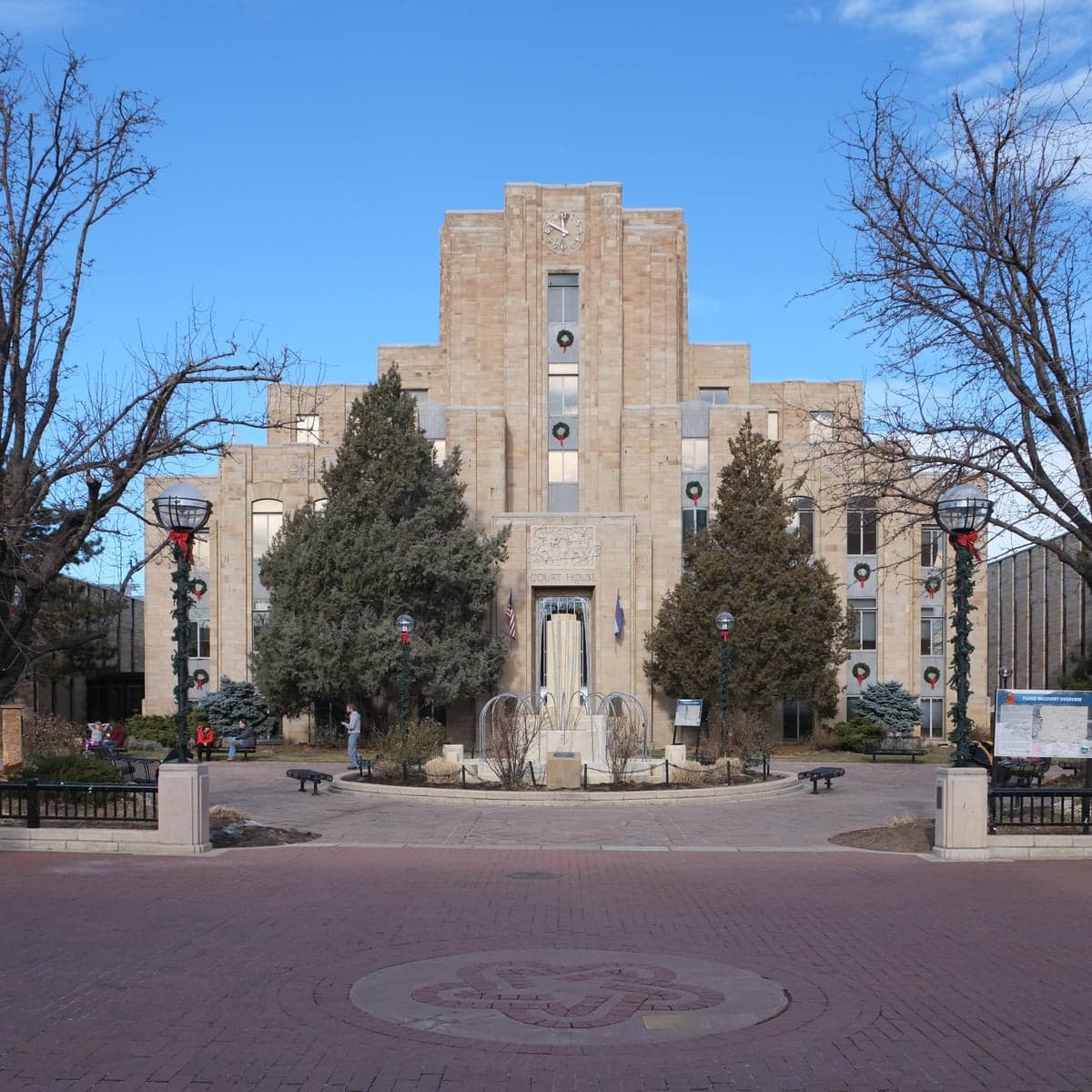
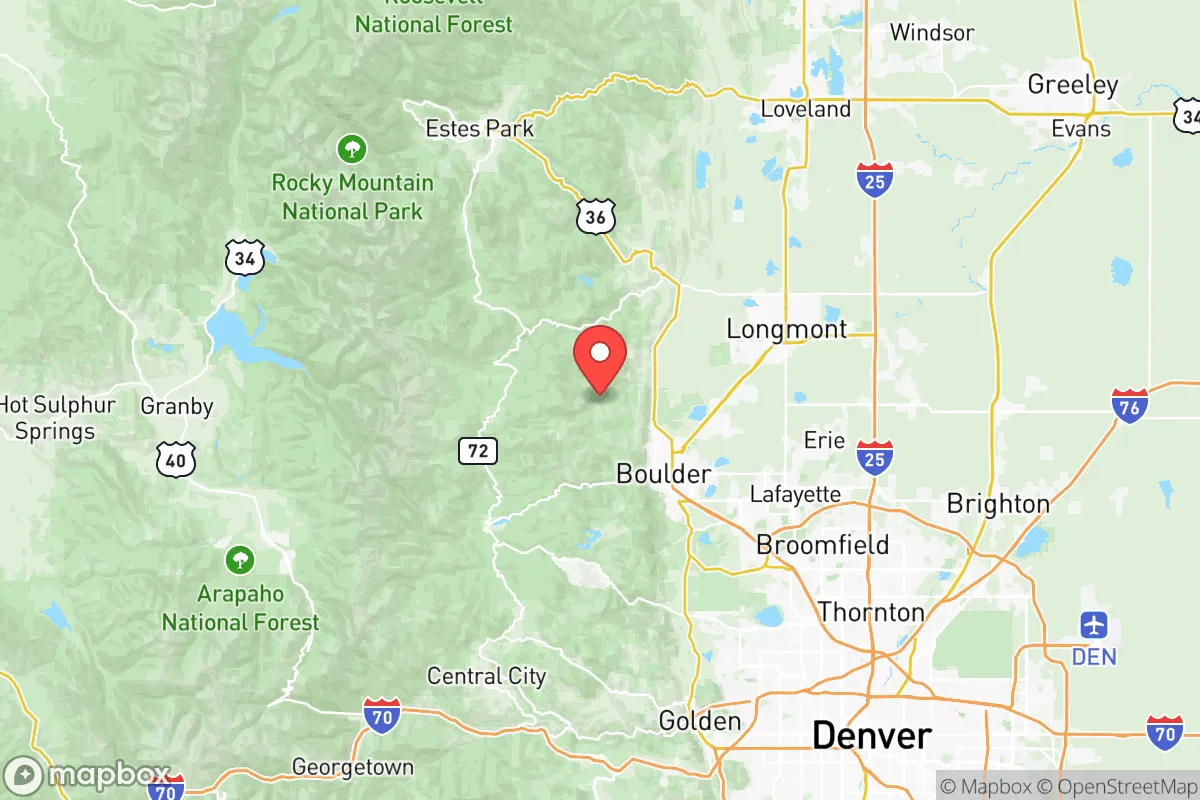
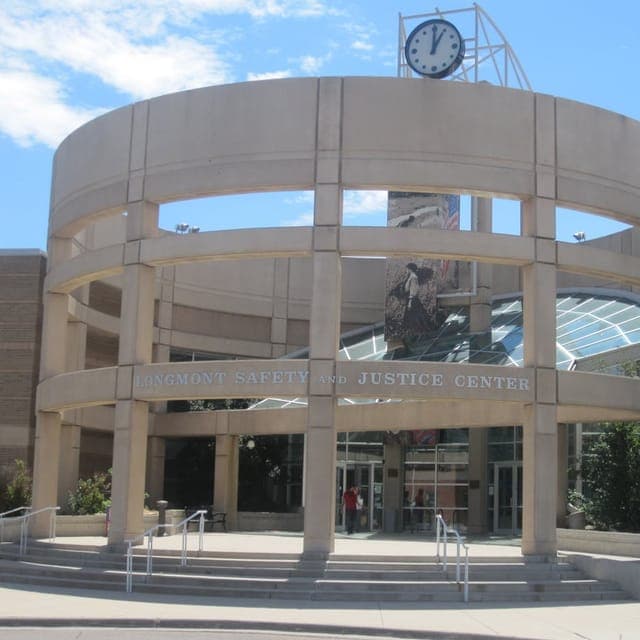
Living in Boulder County means trading strip-mall sameness for a landscape where the Flatirons dominate your daily view and the local culture is a mix of outdoor obsession, academic energy, and a stubborn independent streak that can feel both inspiring and exhausting. It’s not one place but a collection of distinct communities—from the bustling university town of Boulder itself to the quieter, more conservative towns of Longmont, Lafayette, and Lyons, plus the rural stretches near Nederland and Ward. Whether you’re a tech worker, a farmer, or a retiree, the county’s identity is shaped by its geography: you’re never far from a trailhead, a farmers market, or a conversation about land use.
Daily Rhythm: Where You Shop, Eat, and Spend Weekends
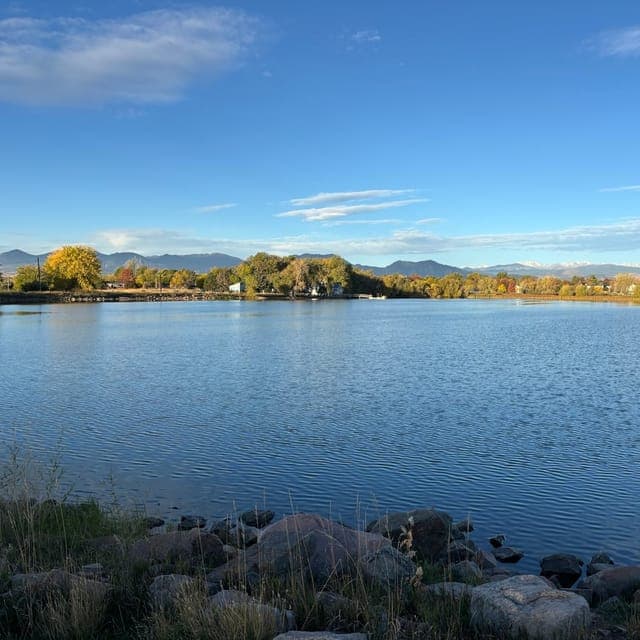
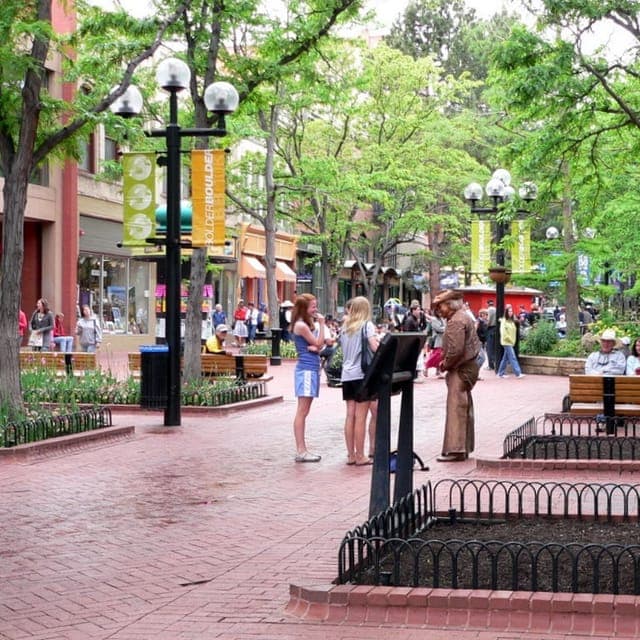
Weekends in Boulder County often start with a run or bike ride on the Boulder Creek Path, followed by a stop at the Boulder Farmers Market (one of the best in the state) or a hike up Mount Sanitas. In Longmont, the rhythm is more laid-back—locals grab breakfast at The Roost or Longmont Public House, then head to McIntosh Lake for a paddle. Lafayette leans into its small-town feel with Lafayette Florist and The Post Brewing Co., a favorite for fried chicken and craft beer. Lyons, a tiny gateway to Rocky Mountain National Park, is where you’ll find Oskar Blues Grill & Brew, the birthplace of canned craft beer. Shopping is mostly local: Pearl Street Mall in Boulder is the county’s retail hub, but Longmont’s Main Street and Lafayette’s Old Town offer independent shops and antique stores. For groceries, Whole Foods and Lucky’s dominate in Boulder, while Longmont and Lafayette rely on King Soopers and Sprouts.
The workday commute is a real factor. The average commute in Boulder County is about 23 minutes, but that number hides a split: Boulder residents often bike or bus to work, while those in Longmont or Lafayette face a 30- to 45-minute drive to Denver or Boulder. Traffic on U.S. 36 and Colorado 119 can be stop-and-go during peak hours, and winter snowstorms can double that time. Many residents work in tech (Google, IBM, Ball Aerospace), education (University of Colorado Boulder), or outdoor recreation (REI’s headquarters is in Boulder). The county’s median income of $102,772 reflects this professional tilt, but the cost of living index of 199 (double the national average) means that income gets stretched thin, especially for families.
Sports, Community, and the Local Identity
Sports in Boulder County are less about pro teams and more about participation and college fandom. The University of Colorado Buffaloes (football, basketball, and skiing) are the biggest draw—Folsom Field fills up for fall games, and the Ralphie the Buffalo tradition is a genuine spectacle. High school sports are a big deal in Longmont (Silver Creek, Skyline) and Lafayette (Centaurus), where Friday-night football games are community events. For pro sports, Denver’s teams (Broncos, Nuggets, Rockies) are a 45-minute drive, but many locals prefer to watch at bars like The Sink in Boulder or Pumphouse Brewery in Longmont. The county’s outdoor sports culture is intense: trail running, road cycling, rock climbing (Eldorado Canyon State Park), and backcountry skiing (Berthoud Pass) are year-round obsessions. The Boulder International Film Festival and Longmont’s Rhythm on the River music series draw crowds, but the biggest annual event is the BolderBOULDER 10K on Memorial Day, which turns the city into a sea of runners and spectators.
The cultural identity here is proudly progressive in Boulder itself, but the county as a whole is more mixed. Longmont and Lafayette lean moderate-to-conservative, with a strong agricultural history and a growing Hispanic population. Lyons is a quirky mix of artists, musicians, and retirees. The county’s median age of 37.5 skews younger due to the university, but there are plenty of families and empty-nesters. The kind of person who fits in here is someone who values access to nature over nightlife, doesn’t mind paying a premium for a small house, and is comfortable with a culture that can feel self-absorbed about its own lifestyle. The 63.9% college-educated rate means conversations often turn to politics, environmental issues, or the latest trail conditions.
Pros and Cons of Living Here
What residents love:
- Unmatched outdoor access—hiking, biking, skiing, and climbing are minutes from your door, not a weekend trip.
- Strong local food scene: farm-to-table restaurants, craft breweries (over 20 in the county), and year-round farmers markets.
- Good schools: Boulder Valley School District and St. Vrain Valley School District are highly rated, and the University of Colorado adds educational resources.
- A genuine sense of community in smaller towns like Lyons and Nederland, where neighbors know each other and local festivals (Nederland’s Frozen Dead Guy Days) are weird and wonderful.
What frustrates longtime residents:
- Housing costs are brutal. The median home value of $713,900 puts homeownership out of reach for many, and even renting a one-bedroom in Boulder can cost $2,000+. People priced out move to Longmont or Lafayette, pushing those prices up too.
- The violent crime rate of 426.6 per 100,000 is higher than the national average, though it’s concentrated in certain areas of Boulder and Longmont. Property crime (bike theft, car break-ins) is a persistent annoyance.
- Traffic is getting worse, especially on the Diagonal Highway (CO 119) between Boulder and Longmont. The county’s population of 328,317 has grown steadily, and infrastructure hasn’t kept pace.
- The cultural divide between Boulder and the rest of the county can feel stark—Boulder’s affluence and progressive politics sometimes clash with the more working-class, conservative values in Longmont and Lyons.
Weather is a mixed bag: summers are warm and dry (80s and 90s), winters are cold but sunny, with occasional snowstorms that dump a foot overnight and melt by noon. The seasonal rhythm is defined by the changing aspen leaves in September and the first snowfall in October. Schools are a central part of community life, especially in Longmont and Lafayette, where PTA meetings and youth sports leagues are well-attended. If you’re considering a move here, the honest truth is that Boulder County rewards people who can afford it and who prioritize the outdoors over convenience. For everyone else, it’s a beautiful place to visit—and a challenging place to make a life.

* Values derived from national, state, county, city and local statistics and may differ in a specific area. Last updated: 2026-06-08T18:37:48.000Z
Narrative content on this page is AI-generated and may contain mistakes. Verify any details that matter before acting on them.
ReloMaps may earn a commission from affiliate links at no extra cost to you.

