 Popular
Photo: Wikipedia
Find The Best Places To Live
in Denver
PRO TIP! You can paste a Zillow or Redfin link to get info on that property.
What It's Like Living in Denver, CO
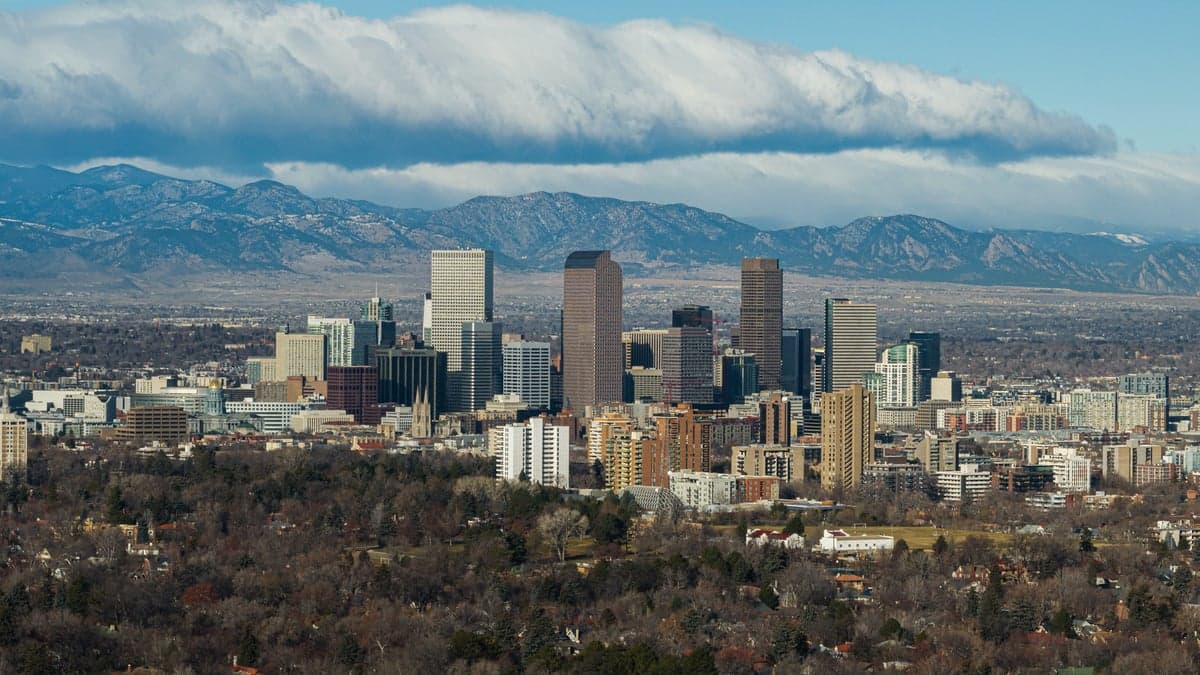
Denver has a way of making you feel like you’re getting away with something. The air is thinner, the sun feels closer, and the Rockies loom on the western horizon like a constant invitation to play hooky. But underneath that outdoor-adventure postcard, Denver is a real, working city—one with traffic jams, a soaring cost of living, and a cultural identity that’s equal parts cowboy, hipster, and corporate transplant. It’s a place that rewards ambition and a tolerance for crowds, but it can also frustrate anyone who misses the quiet predictability of a smaller town.
The Daily Rhythm: Work, Play, and the 303 Mentality
Most Denverites live by a simple creed: get outside before the afternoon thunderstorms roll in. A typical weekday starts early, with people hitting trails like Washington Park or City Park for a run before the 9-to-5 grind. The average commute clocks in at about 25 minutes, which is manageable compared to coastal cities, but don’t let that number fool you—I-25 and I-70 can turn into parking lots during ski season or a Broncos game. The median age here is 35.2, and you feel it: the city is full of young professionals and couples who prioritize experiences over square footage. 55.6% of residents hold a bachelor’s degree or higher, which gives the city a polished, ambitious feel—think startup founders, remote tech workers, and healthcare professionals from the massive Anschutz Medical Campus.
Weekends are sacred. Locals flock to Red Rocks Amphitheatre for concerts or sunrise yoga, grab brunch at Snooze, an A.M. Eatery (expect a wait), or browse the stalls at Union Station Farmers Market. The food scene punches above its weight: Buckhorn Exchange serves up rattlesnake and elk for the adventurous, while Linger offers rooftop views of downtown. But the real Denver ritual is the Great American Beer Festival in fall, where the city’s craft brewery obsession—over 150 breweries in the metro area—reaches its frothy peak.
Sports, Community, and the Broncos Faith
If you move to Denver, you will be asked one question within your first week: “Broncos or Chiefs?” The answer is non-negotiable. Broncos Country is a religion, and Empower Field at Mile High is its cathedral. Game days transform the entire city, with tailgates spilling into parking lots and bars like Stoney’s Bar & Grill packed to the rafters. The Colorado Rockies (baseball) and Denver Nuggets (NBA) draw passionate but less fanatical crowds—though the Nuggets’ 2023 championship reignited some old fire. High school sports are a big deal in the suburbs (think Cherry Creek or Regis Jesuit), but within city limits, the focus is on adult recreational leagues—kickball, softball, and volleyball at City Park are how many transplants make friends.
This is a city that loves its rituals. The National Western Stock Show in January brings a dose of cowboy culture to downtown, while PrideFest in June is one of the largest in the country. The Denver Art Museum and Museum of Contemporary Art anchor a surprisingly robust arts scene, but the real cultural heartbeat is the RiNo (River North) Art District, where graffiti-covered warehouses house galleries, breweries, and the best tacos in town at La Diabla.
The Hard Truths: Cost, Crime, and Crowds
Let’s be honest about the downsides. The cost of living index sits at 175 (75% above the national average), and the median home value of $586,700 means that a starter home in a decent neighborhood like Congress Park or Berkeley will set you back half a million. Rent isn’t much friendlier—a one-bedroom in a trendy area like LoDo (Lower Downtown) can easily hit $2,200. The median household income of $91,681 sounds solid, but it gets eaten up fast by housing and the state’s flat 4.4% income tax. Many longtime residents are being priced out, replaced by out-of-state buyers with remote salaries.
The violent crime rate of 875.3 per 100,000 is a real concern—well above the national average. Property crime, especially car break-ins and bike thefts, is rampant in neighborhoods near downtown and Capitol Hill. Locals learn to lock everything and never leave a bag visible in a car. Traffic is another sore spot: I-70 westbound on Friday afternoons is a crawl, and the RTD light rail is reliable for commuting downtown but doesn’t reach many suburbs efficiently. The weather, while sunny 300 days a year, can be schizophrenic—a 70°F day in January followed by a foot of snow the next morning is normal. Locals call it “Denver weather” and just shrug.
Who Thrives Here (and Who Doesn’t)
Denver is ideal for the active, career-driven single or couple who values access to nature over a big house. If you ski, hike, or mountain bike, you’ll find your tribe instantly. Parents face a tougher equation: good public schools exist (like Dora Moore or Bromwell Elementary), but they’re concentrated in expensive neighborhoods, and the city’s Denver Public Schools system has struggled with equity and funding. Many families decamp to suburbs like Littleton or Highlands Ranch by the time kids hit middle school. The city’s political leanings are solidly blue, which can feel isolating for conservative-leaning residents—though the suburbs and rural areas to the south and east offer a more balanced mix. If you’re looking for quiet, cheap, and slow-paced, Denver will frustrate you. But if you want a city that feels like a perpetual summer camp for adults, with mountains as a backdrop and a beer in your hand, it’s hard to beat.

Similar mid-size cities to Denver
* Values derived from national, state, county, city and local statistics and may differ in a specific area. Last updated: 2026-04-20T08:04:19.000Z
Narrative content on this page is AI-generated and may contain mistakes. Verify any details that matter before acting on them.
ReloMaps may earn a commission from affiliate links at no extra cost to you.

