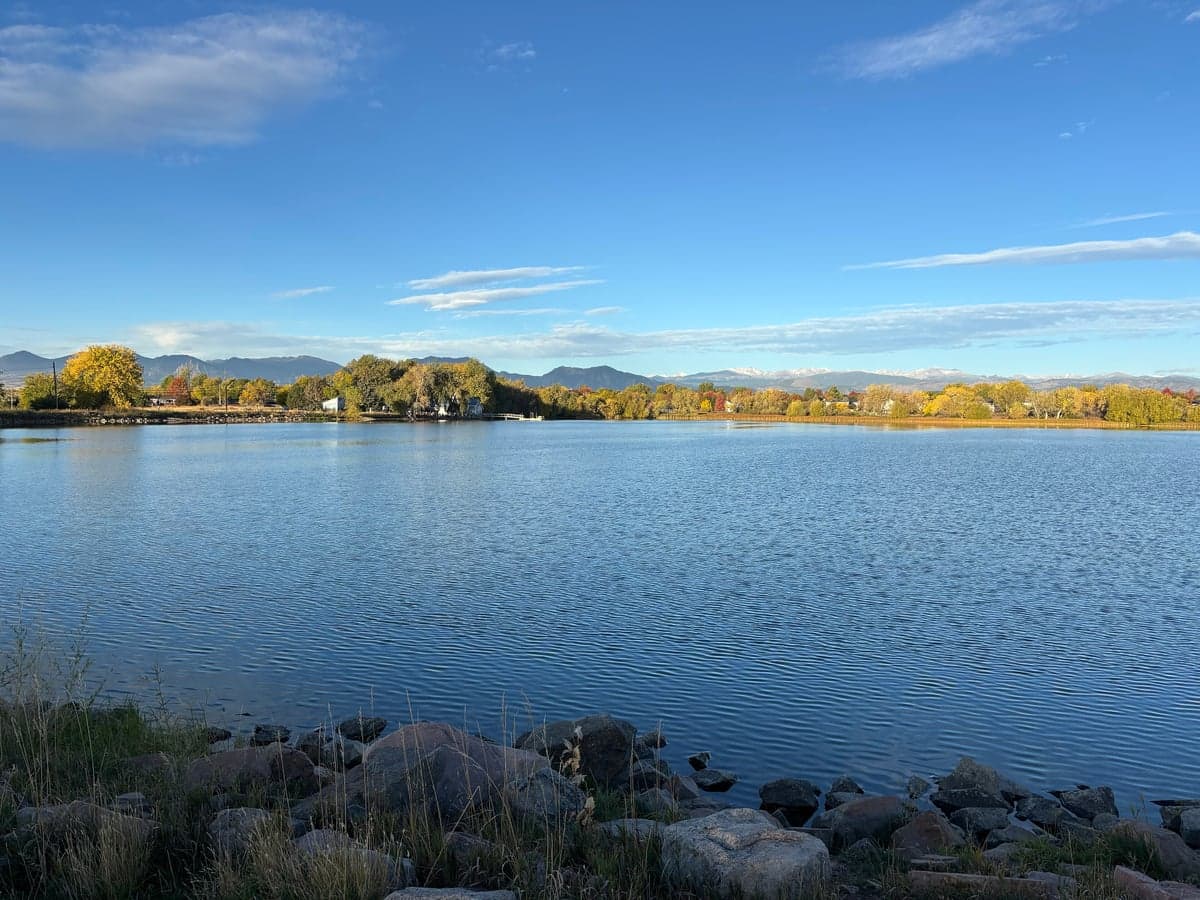
Photo: Wikipedia
Find The Best Places To Live
in Lafayette
PRO TIP! You can paste a Zillow or Redfin link to get info on that property.
What It's Like Living in Lafayette, CO
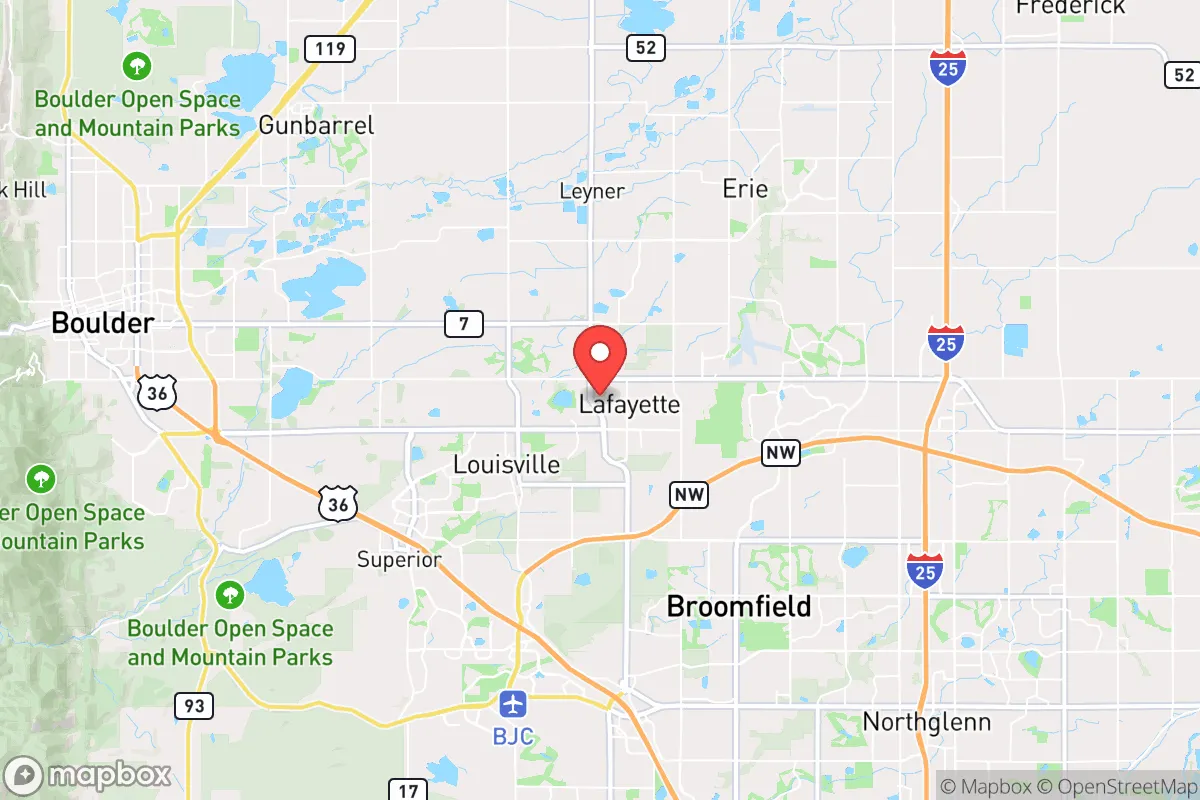
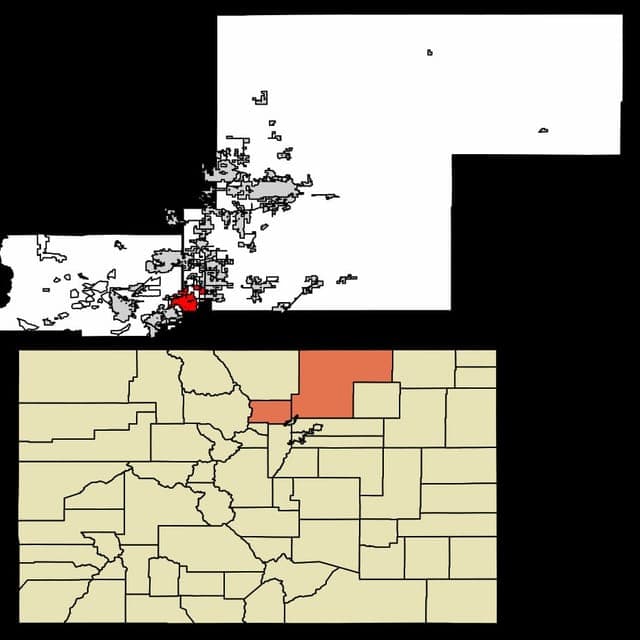
Lafayette, Colorado, is the kind of town that feels like a small, independent-minded island in the middle of the fast-growing Denver-Boulder corridor. It’s not a shiny new suburb or a sleepy farm town—it’s a former coal-mining community that’s held onto its blue-collar bones while quietly becoming a magnet for people who want Boulder’s outdoor access without the price tag or the political intensity. With about 30,000 residents, it’s big enough to have its own identity but small enough that you’ll start recognizing faces at the post office or the coffee shop before long.
Daily Rhythm: What People Actually Do
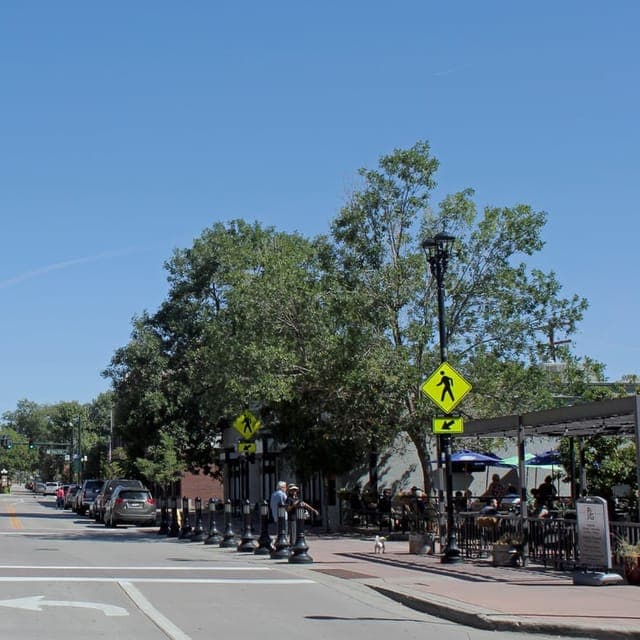
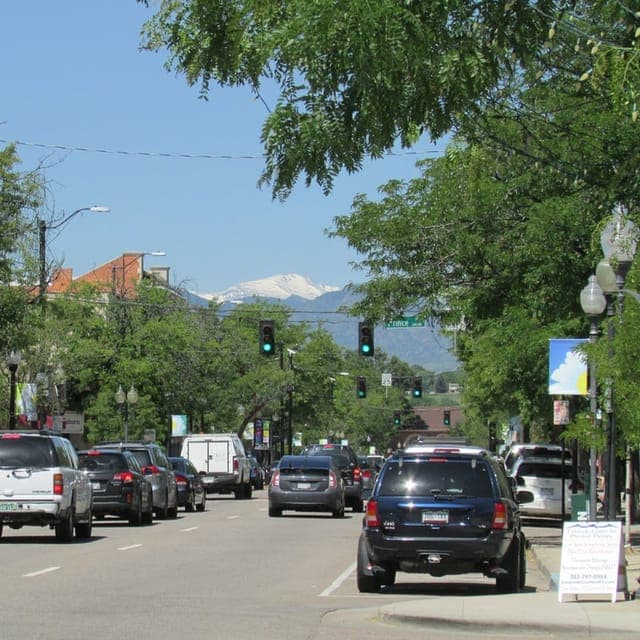
Most days in Lafayette start with a walk or bike ride on the Coal Creek Trail, a paved path that snakes through town and connects to the larger regional trail network. The median age here is 39.4, and the median household income sits at $110,431—so you’re looking at a population of established professionals, many of whom work in Boulder (about 15 minutes west) or Denver (about 30 minutes southeast). The average commute is just over 24 minutes, which feels reasonable by Front Range standards. Weekends often revolve around Old Town Lafayette, the historic core along Public Road, where you’ll find local spots like The Post Brewing Co. (a fried chicken and beer joint that’s always packed) and Lafayette Florist, which doubles as a gift shop and community bulletin board. The Saturday farmers market at the Public Road roundabout is a genuine gathering spot, not a tourist attraction—people actually shop for their week’s produce there.
Sports & Community: High School Pride and Pro Access
High school sports are a real deal here. Centaurus High School (the Warriors) draws solid crowds for Friday night football and basketball games, and the rivalry with nearby Monarch High in Louisville is genuine—families plan their weekends around it. For pro sports, Lafayette residents are within a 30-minute drive of Coors Field (Rockies), Empower Field at Mile High (Broncos), and Ball Arena (Nuggets and Avalanche). But honestly, the bigger sporting culture here is participatory: people run, bike, and ski. The nearby Indian Peaks Golf Course is a municipal course that’s well-maintained and affordable, and the Boulder Reservoir (10 minutes away) is where locals go for paddleboarding and open-water swimming in summer. Winter weekends mean heading up to Eldora Mountain Resort (about 40 minutes) for skiing or snowboarding—no need to brave I-70 traffic to Summit County.
What’s There to Do: Festivals, Food, and Quirks
Lafayette punches above its weight for a town its size when it comes to events. The Peach Festival in August is a beloved tradition—it’s a free street fair with live music, a pie-eating contest, and, yes, Palisade peaches trucked in from the Western Slope. The Lafayette Art Night (second Friday of each month) turns Public Road into a gallery walk with wine and live demos. For music, the Lafayette Public House hosts local bands and open mic nights, and the Mary Miller Theater (a restored 1920s movie house) shows indie films and live performances. Outdoor enthusiasts gravitate to Waneka Lake Park in nearby Louisville or Greenlee Preserve for a quick nature fix. One cultural quirk: Lafayette has a strong “keep it local” ethos. You’ll see more Subarus and cargo bikes than luxury SUVs, and the town has a ban on new oil and gas drilling within city limits—a point of pride for many residents.
Pros and Cons of Living Here
What longtime residents love: The sense of community is real—neighbors know each other, and local businesses are supported fiercely. The schools (Boulder Valley School District) are strong, with a 65.6% college-educated adult population feeding into a culture that values education. The median home value of $647,600 is steep, but it’s still cheaper than Boulder (where the median is over $1 million) and offers more space. The cost of living index of 197 (nearly double the national average) is the biggest practical hurdle—housing and groceries are expensive, and that $110K median income doesn’t go as far as it would in, say, Texas or Ohio.
What frustrates residents: Traffic on South Boulder Road and US-287 can be a slog during peak hours, especially as the area continues to grow. The violent crime rate of 284 per 100,000 is slightly above the national average (roughly 380 per 100K nationally), but most crime is property-related—car break-ins and package thefts are the common complaints, not violent incidents. Some locals grumble that the town has gotten “too expensive for what it is,” meaning the old mining-town charm is fading as new apartment complexes and chain stores creep in along the highway. And if you’re looking for nightlife beyond a few breweries and a wine bar, you’ll need to drive to Boulder or Denver.
The bottom line: Lafayette works best for people who want a walkable, community-oriented town with strong schools and easy access to the outdoors, and who can stomach the high cost of living. It’s less crunchy than Boulder, less corporate than Broomfield, and more interesting than most suburbs—but it’s not cheap, and it’s not for anyone who needs a big-city pace or a low housing payment.

Similar towns to Lafayette
* Values derived from national, state, county, city and local statistics and may differ in a specific area. Last updated: 2026-04-22T23:26:31.000Z
Narrative content on this page is AI-generated and may contain mistakes. Verify any details that matter before acting on them.
ReloMaps may earn a commission from affiliate links at no extra cost to you.

