Quality of Life in Colstrip, MT
A high quality of life with strong walkability, manageable living costs, healthy neighborhood signals, and solid amenity access.
What does Quality of Life tell us?
Quality of Life blends cost of living, nearby amenities, socioeconomic signals, and neighborhood character. City-level scores represent the whole municipality; individual neighborhoods can differ.
What does this tell us?
Quality of Life blends cost of living, nearby amenities, socioeconomic signals, and neighborhood character. City-level scores represent the whole municipality; individual neighborhoods can differ.
Cost of Living
40% below national average
The Real Cost of Living in Colstrip, MT for 2026
| Tier | Individual | Family (4) |
|---|---|---|
| Survival | $10k | $19k |
| Comfortable | $38k | $55k |
| Luxury | $118k+ | $183k+ |
| Elite (Top 5%) | $139k+ | $215k+ |
155%
The Area Signal
A metric tracking the socioeconomic signals of the area.
Hobbies
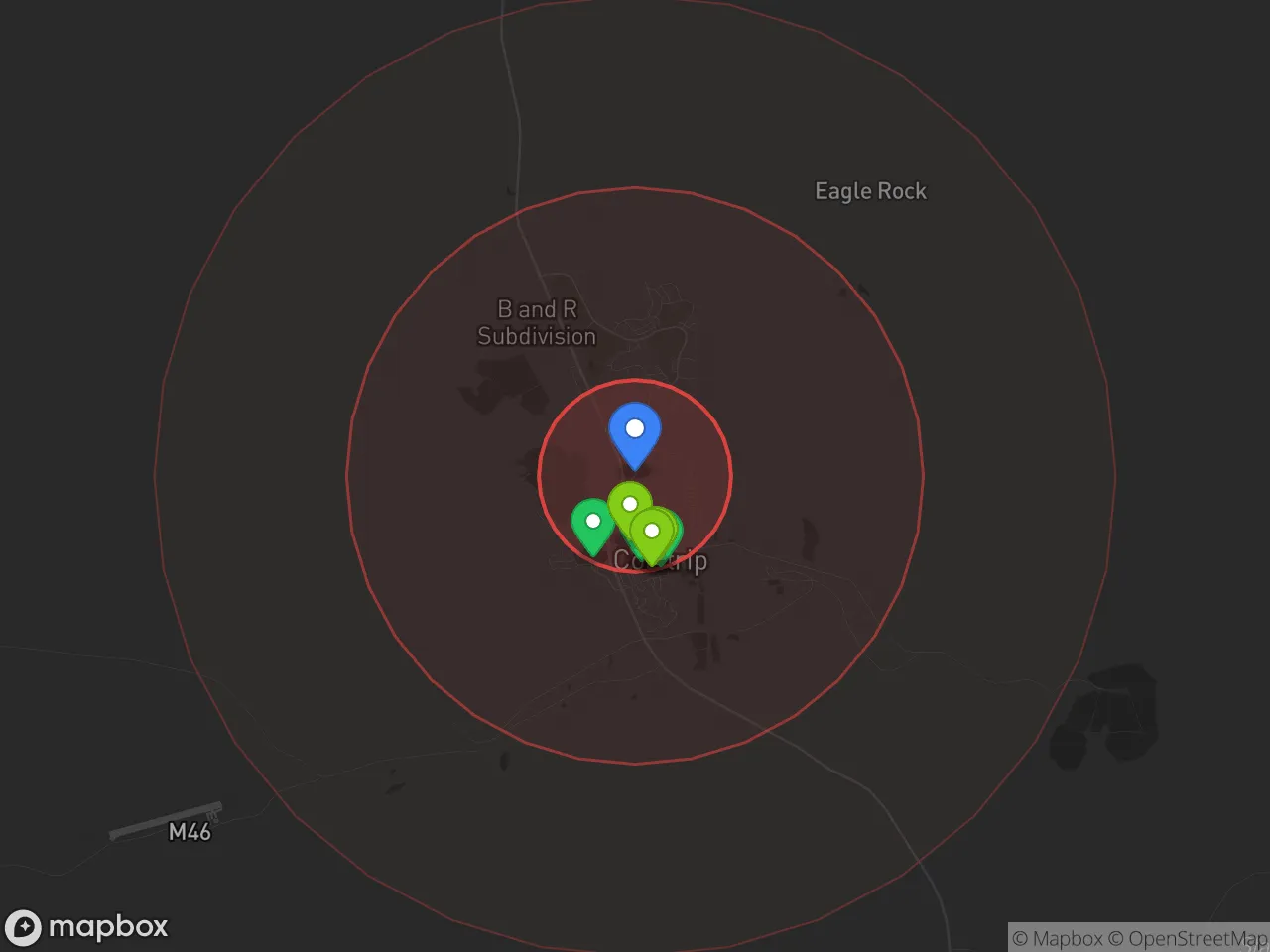
Explore the areaGroceries
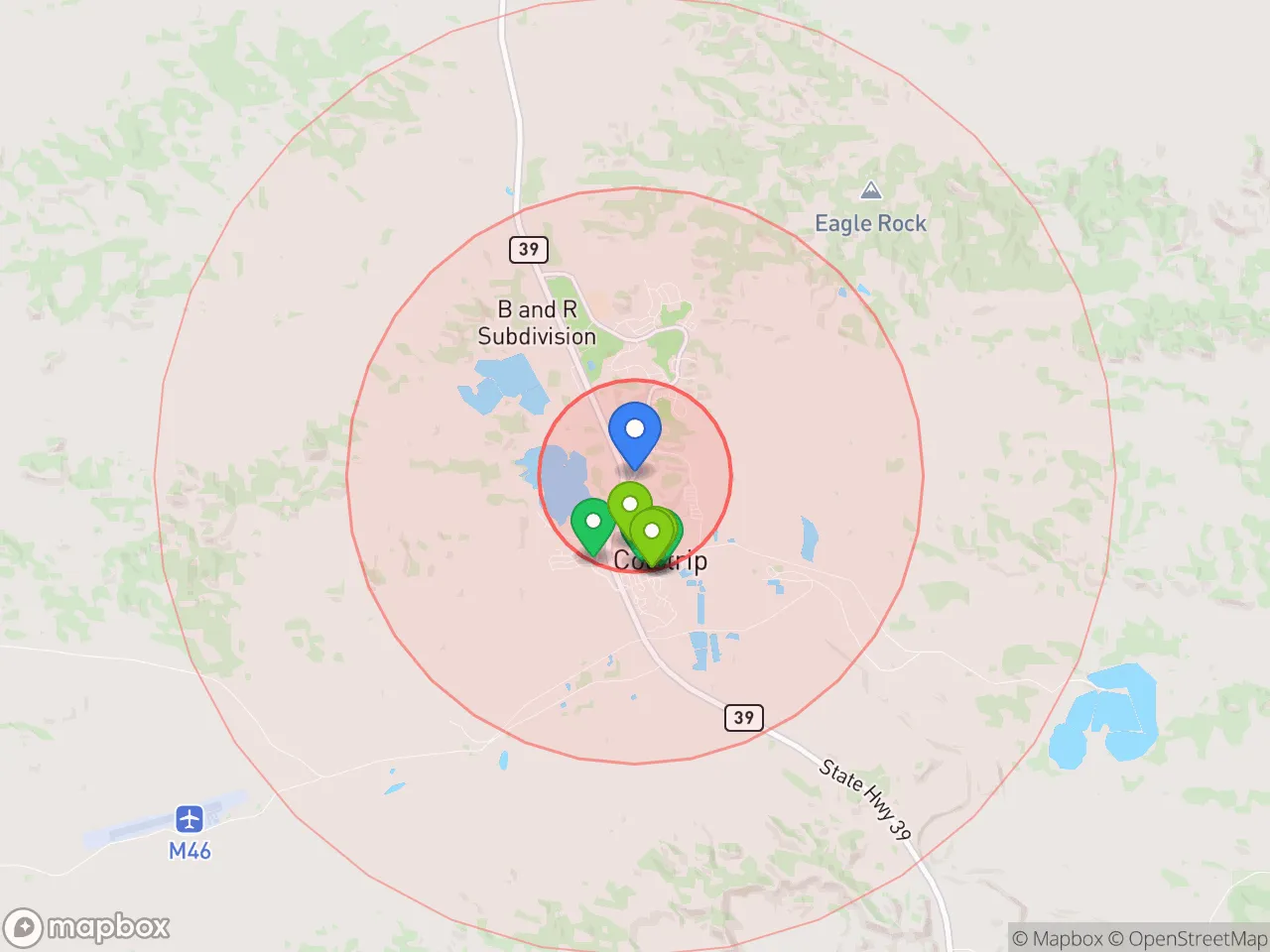
0 within 10 miles
Gas
1 within 10 miles
Hospital
0 within 20 miles
Airport
DEN — Denver International
Post Office
USPS — Colstrip, MT
Critical Amenities
Quality-of-Life Analysis
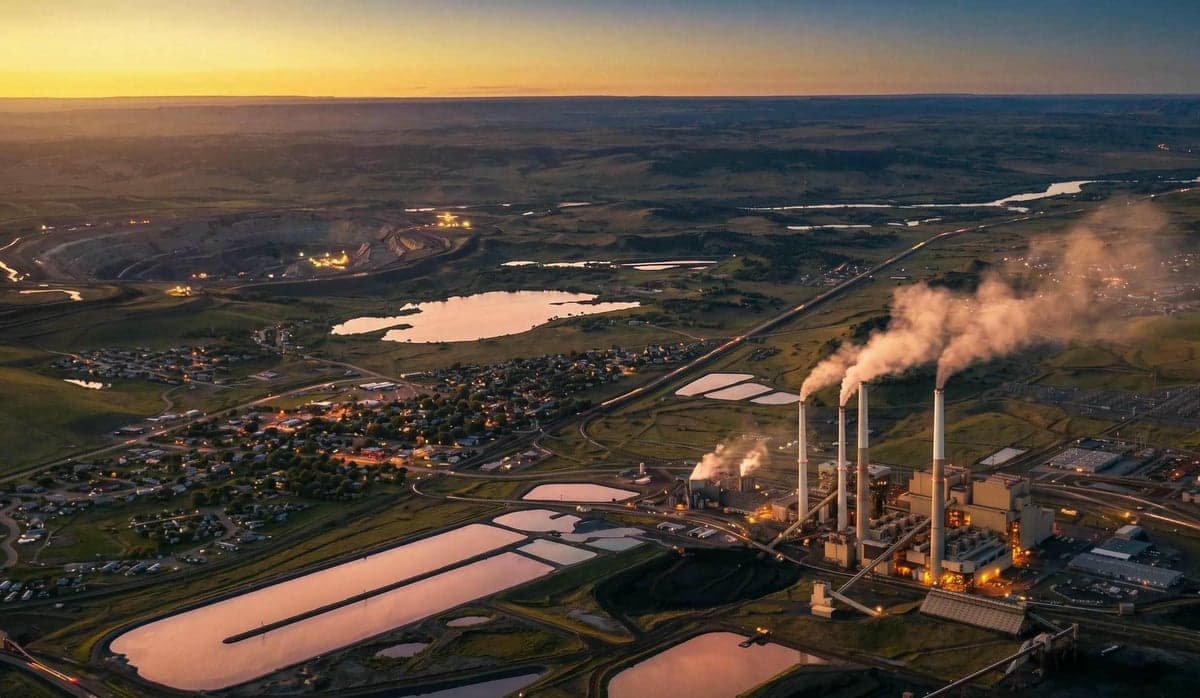
Colstrip, Montana, presents a unique quality-of-life profile shaped by its industrial roots and remote eastern Montana location. With a cost of living index of 60—40% below the national average—the town attracts a mix of energy-sector workers, long-time ranching families, and those seeking affordable rural living. The median home value of $193,700 and median rent of $632 place Colstrip among the most affordable communities in the state, though this low cost reflects limited economic diversification and distance from major job centers.
Cost of living, housing, and how Colstrip compares to nearby towns
Colstrip’s housing market is dramatically cheaper than Montana’s booming western cities. The median home value of $193,700 is less than half of Bozeman’s ($650,000+) and significantly below Billings ($350,000), the nearest large city 120 miles west. Renters pay a median of $632 per month, roughly 40% less than the state average. The overall cost of living index of 60 means groceries, utilities, and transportation are all well below national norms. However, this affordability comes with trade-offs: the average commute of 19 minutes is short by national standards, but the town’s isolation means residents drive long distances for specialized shopping, healthcare, or entertainment—Billings is a 2-hour drive. Property taxes remain low, but the local economy’s heavy reliance on the Colstrip coal-fired power plant (which employs roughly 400 people) creates uncertainty about long-term housing demand as the plant faces potential closure.
What daily life is like for families: schools, amenities, and community rhythm
Daily life in Colstrip revolves around a tight-knit, blue-collar community. The Colstrip School District (K-12) serves roughly 700 students and maintains a student-teacher ratio of about 14:1, with graduation rates consistently above 90%. The town’s amenities are modest but functional: a public library, a community swimming pool, several parks, and a small hospital (Rosebud Health Care Center) for basic needs. For groceries and daily errands, residents rely on a local supermarket and a few convenience stores; for major shopping or dining variety, the drive to Billings is necessary. The community’s rhythm is shaped by shift work at the power plant and seasonal outdoor recreation—hunting, fishing, and camping on nearby Custer National Forest lands. Winters are harsh (average January high of 32°F), and the town’s remote location means limited cultural or nightlife options. The median age of 38 reflects a stable workforce population, though younger residents often leave for college or jobs in larger Montana cities.
Colstrip is best suited for those who prioritize low housing costs, a quiet rural lifestyle, and a strong sense of community over urban amenities and career diversity. It works well for energy-sector employees, remote workers who can tolerate limited internet speeds, and retirees on fixed incomes. Families with school-age children will find safe neighborhoods and small class sizes, but should plan for the isolation and limited extracurricular options. Those seeking vibrant nightlife, frequent cultural events, or proximity to a major airport will find Colstrip too remote. The town’s future hinges on the power plant’s fate—a factor any prospective resident should weigh carefully against the undeniable appeal of $632 rent and a 19-minute commute.

Crime in Colstrip, MT
Lower crime rates than 99% of comparable U.S. locations.
Violent CrimeViolent Crime Analysis
Property CrimeProperty Crime Analysis
Crime Analysis
Colstrip, Montana, is one of the safest small towns in the state, with a violent crime rate of 0 per 100,000 residents and a property crime rate of 194.6 per 100,000. These figures place Colstrip far below both the Montana state average and the national median, making it a notably low-crime community. The absence of violent incidents and a property crime rate roughly one-third of the national average reflect a tight-knit, resource-based town where residents generally know their neighbors and law enforcement maintains a visible presence.
Crime in context
Colstrip’s violent crime rate of zero is exceptional, even by rural Montana standards. The state’s violent crime rate hovers around 480 per 100,000, while the national rate is approximately 380 per 100,000. Property crime in Colstrip (194.6 per 100K) is also significantly lower than Montana’s statewide rate of roughly 2,100 per 100,000 and the U.S. average of about 1,950 per 100,000. This stark contrast is largely attributable to Colstrip’s isolated geography—it is a company town built around the Colstrip coal-fired power plant and nearby mines—and its small population of roughly 2,200. Unlike larger Montana cities such as Billings or Missoula, Colstrip does not contend with the property crime pressures associated with urban centers, nor does it face the systemic challenges linked to progressive prosecutorial policies seen in some metropolitan areas. The local justice system operates with a focus on public safety and accountability, which helps keep recidivism low and community trust high.
What residents experience
Daily life in Colstrip is characterized by a strong sense of security. Residents commonly leave doors unlocked, children play outside without constant supervision, and neighborhood watch is informal but effective. The most frequently reported incidents are minor thefts from vehicles or outbuildings, typically opportunistic rather than organized. Drug-related crime, a concern in many rural Montana towns, is present but contained, with local law enforcement maintaining close ties to county and state agencies. The town’s economic stability—anchored by the power plant and mining operations—reduces the desperation-driven crime seen in communities with higher unemployment. For families and retirees seeking a low-stress environment, Colstrip offers a level of safety that is increasingly rare in the United States.
Neighborhood-level variation in Colstrip is minimal. The town is compact and largely homogeneous in housing stock and income levels, with most residents employed by the energy sector. The few reported property crimes tend to occur near the main highway corridor (Montana Highway 59) or in areas with higher rental turnover, but no single neighborhood stands out as significantly more dangerous. Overall, Colstrip’s crime profile is consistent across the community, reinforcing its reputation as one of Montana’s safest places to live.
* Values derived from national, state, county, city and local statistics and may differ in a specific area. Last updated: 2026-04-30T06:18:26.000Z
Narrative content on this page is AI-generated and may contain mistakes. Verify any details that matter before acting on them.
ReloMaps may earn a commission from affiliate links at no extra cost to you.

