Political ClimatePolitical Climate in Colstrip, MT
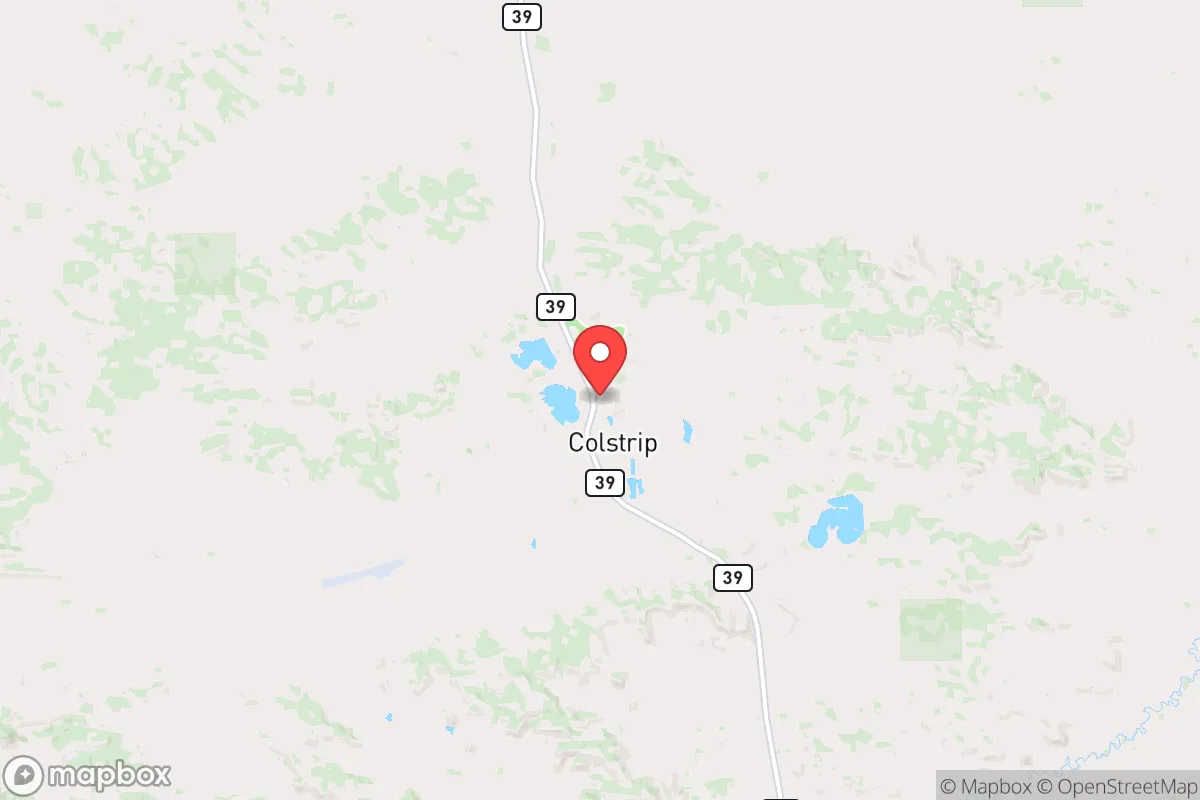
District shown is the primary district for this city’s centroid. Cities may span multiple districts.
Local Political AnalysisPolitical Analysis of Colstrip, MT
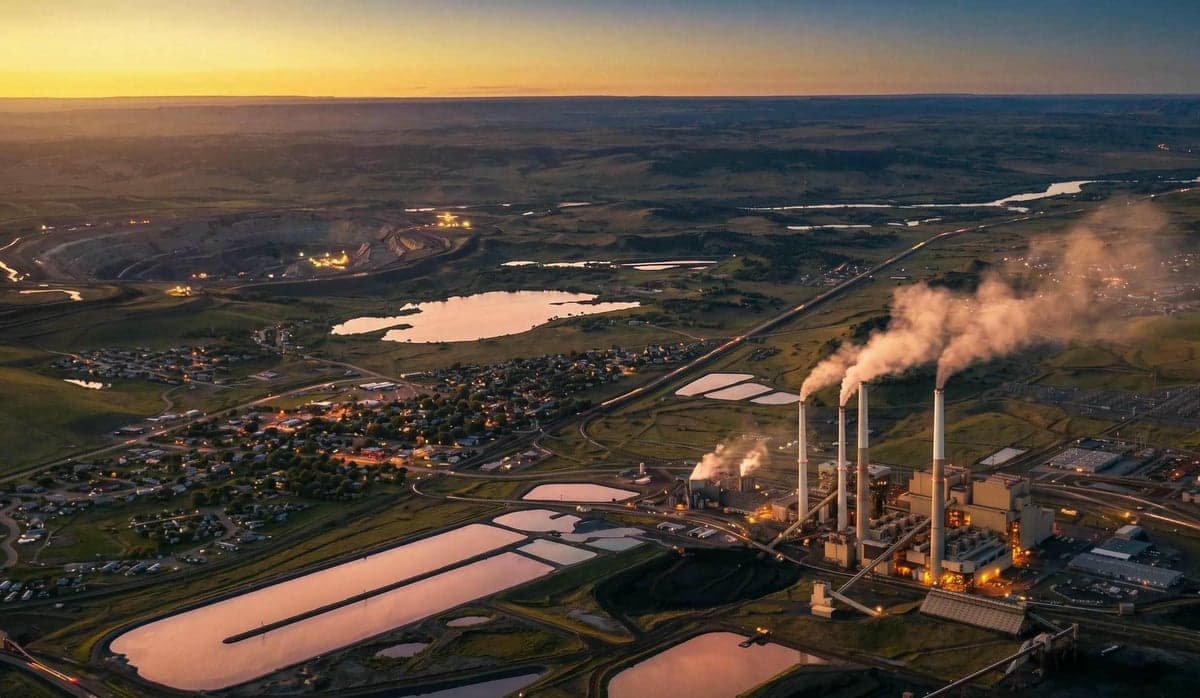
Colstrip, Montana, sits in a deeply conservative corner of the state, and that’s not changing anytime soon. The Cook PVI of R+15 tells you the math, but the real story is the culture: this is a town built by coal miners and power plant workers, where hard work and self-reliance aren’t just values, they’re survival skills. For decades, the political lean here has been rock-ribbed Republican, and while the national winds shift, Colstrip’s trajectory remains steady—folks here vote for candidates who promise to keep the government out of their lives, their energy jobs, and their backyards. You don’t see the kind of suburban drift toward the left that’s happening in places like Bozeman or Missoula; Colstrip is still the kind of place where a “moderate” Democrat is a rare sight, and progressive ideas are met with a healthy dose of skepticism.
How it compares
Drive an hour west to Billings, and you’ll find a more mixed bag—Yellowstone County is still red, but Billings itself has pockets of blue, especially around the college and medical centers. Head north to Miles City or south to Hardin, and you’re back in familiar territory: solidly conservative, with a focus on agriculture and energy. But Colstrip is distinct even among those towns. It’s a company town at heart, and that means the politics are tied directly to the fate of the coal-fired power plants. When the plants are under threat from federal regulations or state-level green mandates, the community rallies hard against what they see as government overreach. In contrast, a place like Bozeman, with its tech transplants and outdoor recreation economy, has seen a steady influx of voters who prioritize environmental policy over energy jobs—that’s a world away from Colstrip’s reality.
What this means for residents
For the people who live here, the political climate means a lot of trust in local institutions and a deep suspicion of outside interference. You won’t find many folks here who think the federal government has their best interests at heart, especially when it comes to energy policy. The push to shut down coal plants isn’t seen as environmental stewardship; it’s seen as a direct attack on the town’s livelihood and a violation of personal freedom—the freedom to work, to provide for your family, and to make your own choices about energy. Any shift toward progressive ideology, like carbon taxes or stricter emissions rules, is met with immediate concern because it threatens the very foundation of the community. Long-term, the worry is that if the plants close, the town could wither, and that’s a future that feels like a slow-motion government overreach.
Culturally, Colstrip is a place where the Second Amendment is a given, not a debate, and where local school boards and county commissions are dominated by folks who believe in limited government. There’s a strong sense of neighborly obligation—if someone’s truck breaks down, you help—but a fierce resistance to being told what to do by Helena or Washington. You’ll see “Don’t Tread on Me” flags alongside American flags, and the local coffee shop conversations are more likely to be about property taxes or the latest EPA ruling than national politics. The policy distinction that matters most here is energy independence: Colstrip residents want the freedom to produce power, use it, and sell it without a bureaucrat in a distant city deciding their future. That’s the lens through which every election, every policy debate, and every political shift is viewed.

State Political ClimatePolitical Climate in Montana
State Political AnalysisPolitical Environment in the State
Montana has long been a reliably Republican state at the presidential level, voting for the GOP candidate in every election since 1968 except for Bill Clinton’s 1992 win. However, the state’s political climate is far more nuanced than a simple red-state label suggests, with a deep urban-rural divide and a growing tension between libertarian-leaning independence and a recent influx of out-of-state progressives. Over the last 10-20 years, the dominant coalition has been a mix of traditional ranchers, resource-extraction workers, and fiscal conservatives, but the rapid growth of cities like Bozeman and Missoula is slowly shifting the balance, making the state a fascinating battleground for the soul of the West.
Urban vs. rural divide
The political map of Montana is starkly divided. The eastern two-thirds of the state, anchored by towns like Billings, Glendive, and Miles City, are deeply conservative, with many counties routinely voting 70-80% Republican. These areas are the backbone of the state’s ranching, farming, and energy industries. In contrast, the western mountain valleys have become blue islands. Missoula County, home to the University of Montana, is the state’s most reliably Democratic stronghold, often voting 60%+ for Democrats. Gallatin County, which includes the booming tech and outdoor recreation hub of Bozeman, has been a key swing area that is trending leftward as wealthy, educated newcomers from California and Colorado flood in. Lewis and Clark County (Helena) and Silver Bow County (Butte) also lean Democratic, while the Flathead Valley, including Kalispell and Whitefish, is a mix of libertarian-leaning conservatives and a growing progressive presence. The 2022 Senate race saw this divide in sharp relief, with Democrat Jon Tester winning by narrow margins in the urban islands while Republican Tim Sheehy swept the rural counties.
Policy environment
Montana’s policy environment is a mixed bag for a conservative audience. On the plus side, the state has no sales tax, a flat income tax rate of 5.9% (recently reduced from 6.75%), and a relatively light regulatory touch on businesses and property rights. The 2023 Montana Land Use Planning Act, however, has raised eyebrows among property rights advocates, as it imposes state-level zoning mandates on local governments, a potential overreach that many see as a step toward centralized control. Education policy is a bright spot: the state has a robust school choice landscape, including a new Education Savings Account (ESA) program signed into law in 2023, allowing parents to use public funds for private or homeschool expenses. Healthcare is a mixed bag—Montana expanded Medicaid under the Affordable Care Act, which some conservatives view as a federal overreach, but the state has also passed laws to protect medical conscience rights and limit vaccine mandates. Election laws are solidly conservative: the state requires voter ID, has no same-day registration, and in 2021 passed a law requiring absentee ballots to be received by 8 PM on Election Day (not just postmarked), a move that tightened ballot security.
Trajectory & freedom
Montana is at a crossroads regarding personal freedom. On one hand, the state has been a national leader in protecting Second Amendment rights, with constitutional carry (no permit needed to carry a concealed firearm) in effect since 2021. The 2023 passage of the Montana Firearms Freedom Act further asserts that firearms made and kept in Montana are not subject to federal regulation, a direct challenge to federal overreach. Parental rights have also been strengthened, with a 2023 law requiring schools to notify parents of any curriculum involving sexuality or gender identity. However, the state’s trajectory on medical freedom is concerning. In 2023, the legislature passed a law banning gender-affirming care for minors, which many conservatives support, but the same session saw a bill to ban COVID-19 vaccine mandates fail, leaving private employers free to impose them. The biggest red flag for freedom advocates is the rapid growth of government spending: the state budget has ballooned by over 40% since 2020, driven by federal COVID relief funds and a booming economy. This has led to a creeping expansion of state bureaucracy, particularly in the Department of Environmental Quality and the Department of Public Health and Human Services, which some worry is laying the groundwork for more regulation.
Civil unrest & political movements
Montana has seen relatively little civil unrest compared to coastal states, but the political temperature is rising. The most visible flashpoint is the Yellowstone Club and the broader debate over growth in Bozeman, where local activists on both sides clash over zoning, affordable housing, and environmental regulations. In 2020, protests over George Floyd’s death were small and largely peaceful in Missoula and Bozeman, but they sparked a backlash that helped fuel the rise of the Montana Freedom Caucus, a hardline conservative group in the state legislature that has pushed for nullification of federal gun laws and election integrity measures. Immigration politics are less heated than in border states, but the issue of undocumented workers in the agricultural and construction sectors is a simmering concern. The state has no sanctuary city policies, and in 2023, the legislature passed a law requiring local law enforcement to cooperate with federal immigration authorities. Election integrity remains a hot-button issue: after the 2020 election, a partisan audit of the results in Flathead County found no evidence of widespread fraud, but the controversy has fueled ongoing distrust and calls for hand-counting ballots, which the legislature is currently debating.
Projection
Over the next 5-10 years, Montana is likely to become more politically competitive, but not necessarily more liberal. The in-migration of conservatives from blue states, particularly to places like Kalispell and the Bitterroot Valley, is offsetting the progressive influx to Bozeman and Missoula. The state’s growing Hispanic population, concentrated in the agricultural areas around Havre and the Yellowstone Valley, is trending more conservative as well. However, the biggest wildcard is the state’s changing economy. As tech and remote work continue to drive growth in the western valleys, the political center of gravity will shift toward the issues that matter to these newcomers: housing affordability, environmental protection, and public lands access. This could lead to a more moderate Republican party, or it could fracture the GOP into a libertarian wing and a more establishment, pro-growth wing. The 2024 election will be a key test: if Democrats can flip the state’s lone House seat or make gains in the legislature, it will signal a realignment. For now, the state remains solidly red at the state level, but the margins are shrinking.
For a new resident, the bottom line is this: Montana offers a high degree of personal freedom in many areas—gun rights, low taxes, and school choice—but the state is not immune to the national trends of government overreach and cultural conflict. If you’re moving here, expect to find a place where your vote matters more than in a deep blue state, but also a place where you’ll need to stay engaged in local politics to protect the freedoms that drew you here. The state is still a bastion of independence, but it’s under pressure from both sides. Keep an eye on local zoning battles, school board elections, and the state legislature—that’s where the real fights are happening.
* Values derived from national, state, county, city and local statistics and may differ in a specific area. Last updated: 2026-04-30T06:18:26.000Z
Narrative content on this page is AI-generated and may contain mistakes. Verify any details that matter before acting on them.
ReloMaps may earn a commission from affiliate links at no extra cost to you.

