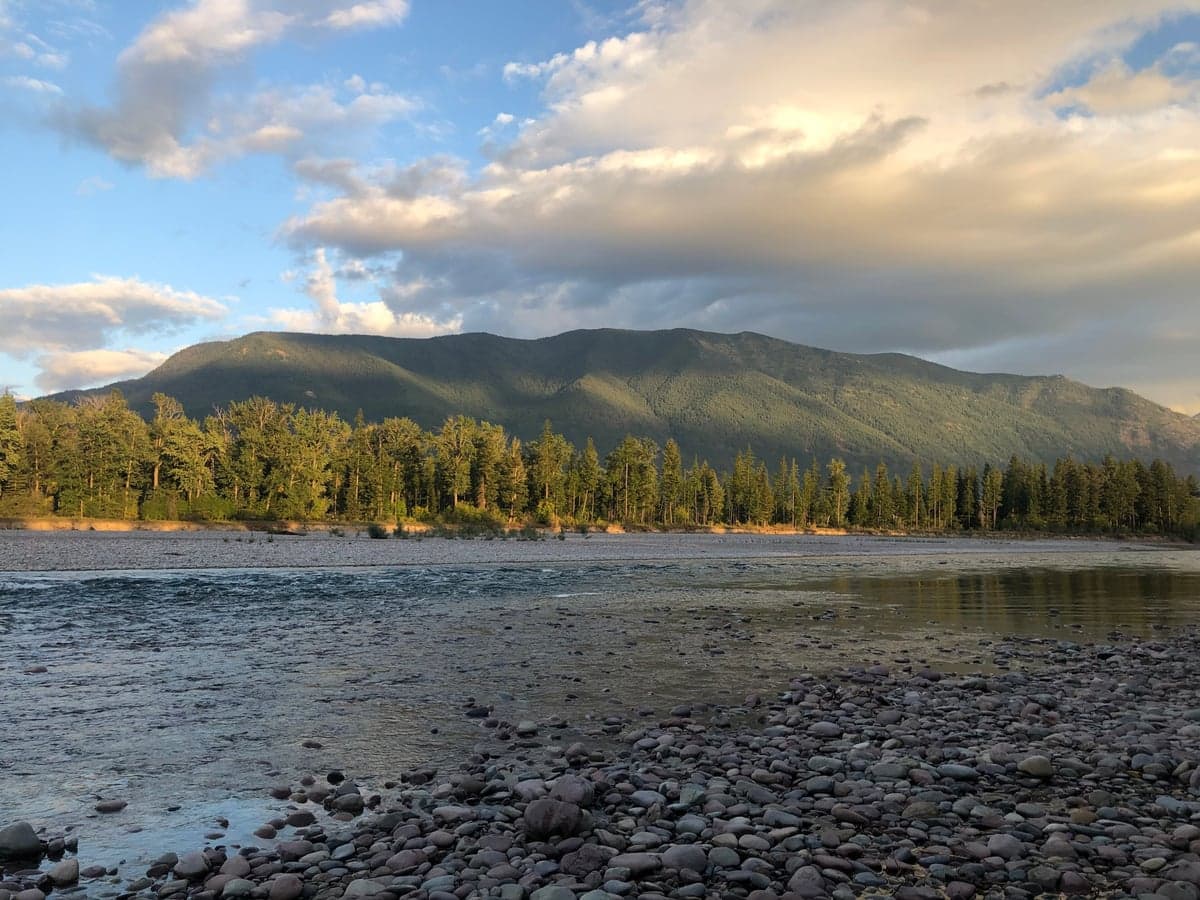
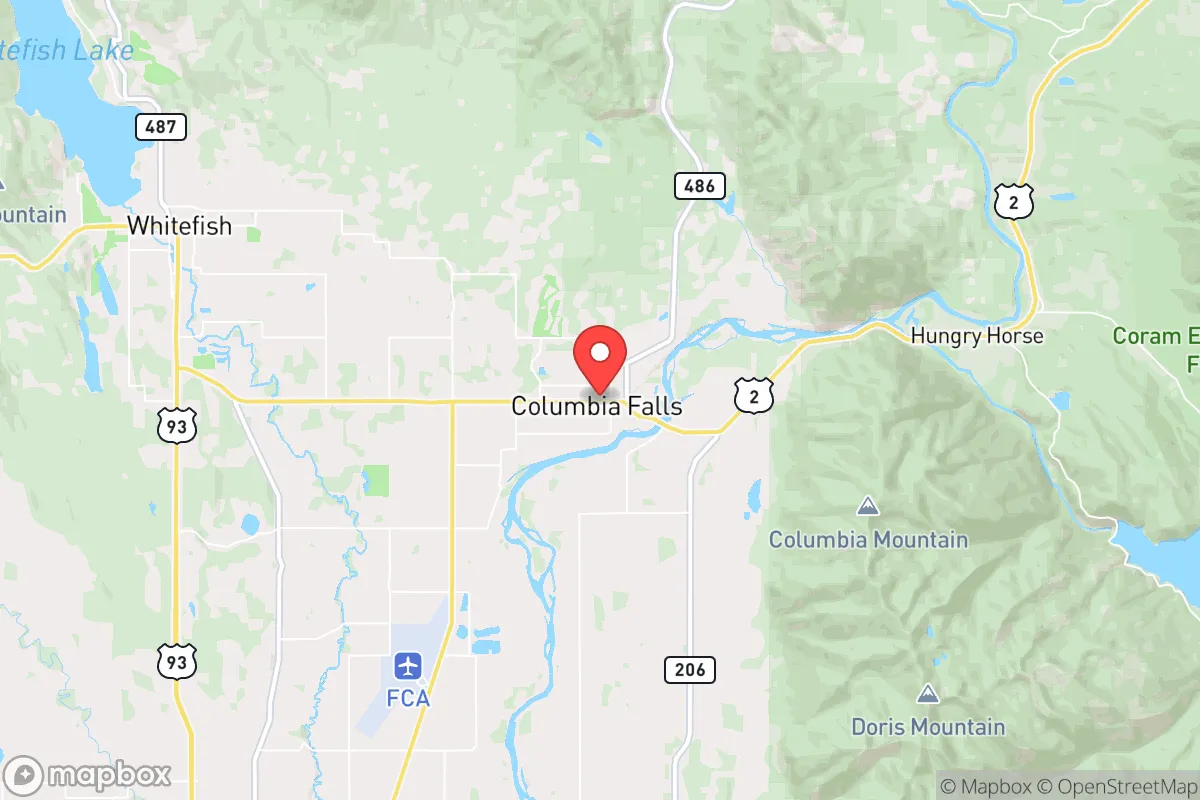
Photo: Wikipedia
Quality of Life in Columbia Falls, MT
A high quality of life with strong walkability, manageable living costs, healthy neighborhood signals, and solid amenity access.
What does Quality of Life tell us?
Quality of Life blends cost of living, nearby amenities, socioeconomic signals, and neighborhood character. City-level scores represent the whole municipality; individual neighborhoods can differ.
What does this tell us?
Quality of Life blends cost of living, nearby amenities, socioeconomic signals, and neighborhood character. City-level scores represent the whole municipality; individual neighborhoods can differ.
Cost of Living
1% above national average
The Real Cost of Living in Columbia Falls, MT for 2026
| Tier | Individual | Family (4) |
|---|---|---|
| Survival | $16k | $30k |
| Comfortable | $60k | $89k |
| Luxury | $89k+ | $137k+ |
| Elite (Top 5%) | $104k+ | $161k+ |
74%
The Area Signal
A metric tracking the socioeconomic signals of the area.
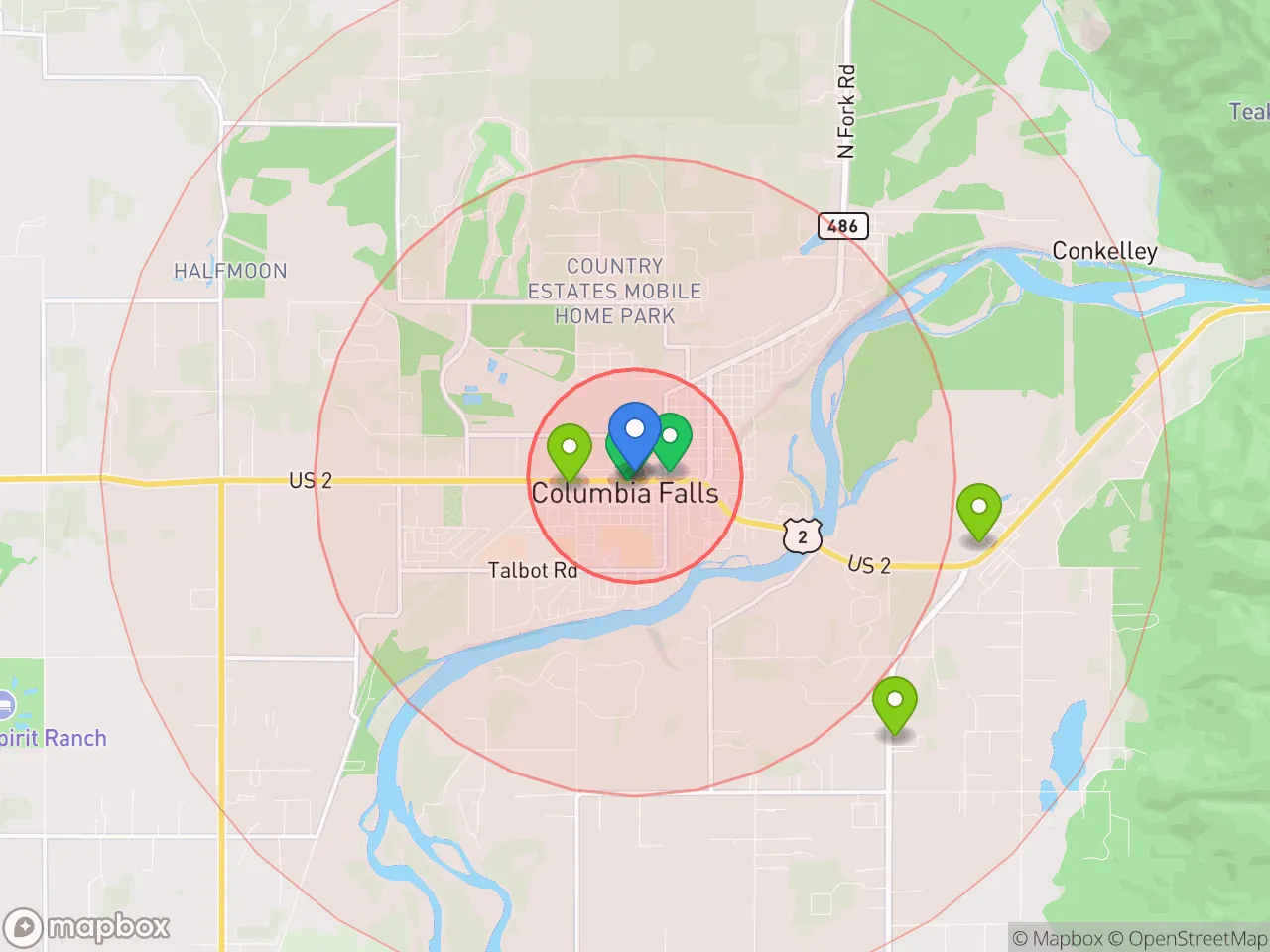
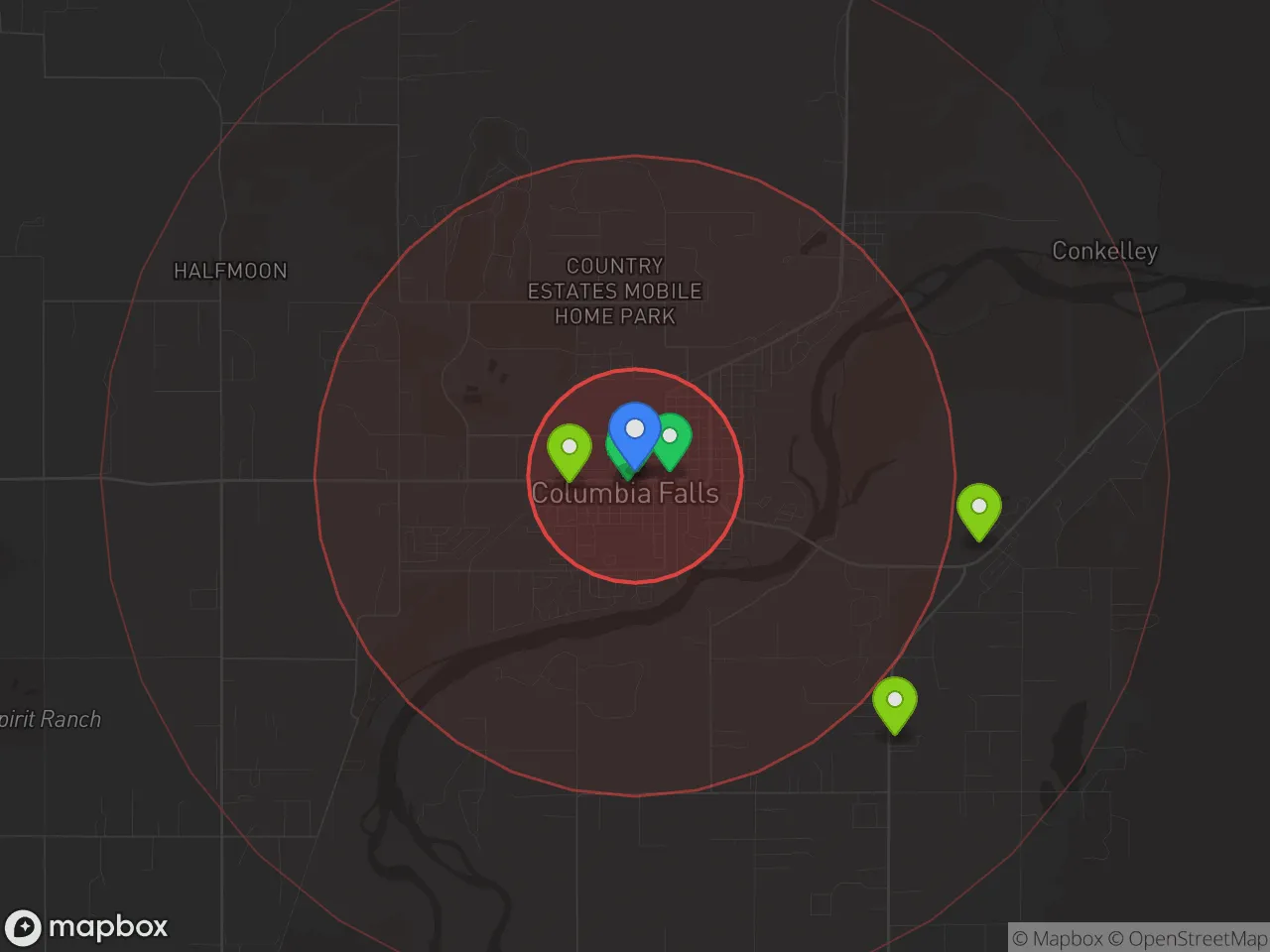
Hobbies
Explore the areaGroceries
1 within 10 miles
Gas
19 within 10 miles
Hospital
2 within 20 miles
Airport
SEA — Seattle–Tacoma International
Post Office
USPS — Columbia Falls, MT
Critical Amenities
Quality-of-Life Analysis
Columbia Falls, Montana, presents a quality of life defined by its position as a more affordable gateway to Glacier National Park, attracting a mix of outdoor-recreation professionals, remote workers, and families seeking a quieter pace than nearby Whitefish or Kalispell. The city's cost-of-living index sits at 101 (on par with the U.S. average), yet its median home value of $346,700 and median rent of $1,003 offer a tangible affordability advantage over the pricier resort towns to the west. This balance draws a population that values direct access to world-class hiking, skiing, and fishing without the premium price tag or tourist congestion found in Whitefish, while still maintaining a working-class and service-industry backbone that keeps the local economy grounded.
Cost of living, housing affordability, and how Columbia Falls compares to Whitefish and Kalispell
Columbia Falls offers a significant cost-of-living discount compared to its more famous neighbors. While the overall COL index of 101 matches the national average, the median home value of $346,700 is roughly 30% lower than Whitefish's median (often exceeding $500,000) and about 10% lower than Kalispell's. Renters benefit even more: the median rent of $1,003 is notably below the Flathead Valley average, making it one of the most attainable rental markets in the region for workers in hospitality, construction, and healthcare. However, inventory remains tight, and homes under $350,000 often sell quickly, particularly those within a 15-minute drive of Glacier National Park's west entrance. The average commute of just over 19 minutes is shorter than Kalispell's 22-minute average and far less than the 30+ minute drives common in Whitefish during peak tourist season, reflecting Columbia Falls' compact layout and lower traffic volume.
Local amenities, schools, and what daily life is like for families and outdoor enthusiasts
Daily life in Columbia Falls revolves around outdoor access and a small-town schedule. The Columbia Falls School District serves roughly 1,800 students across three elementary schools, one middle school, and Columbia Falls High School, which consistently posts graduation rates above 90% and offers strong vocational and dual-credit programs. For groceries and errands, residents rely on a local Super 1 Foods and a handful of independent shops; for major retail or dining variety, most drive 12 minutes south to Kalispell. The city's crown jewel is its proximity to Glacier National Park—the park's west entrance is just 12 miles north, making it feasible to hike before work or after school. In winter, the Big Mountain ski area at Whitefish Mountain Resort is a 20-minute drive. The town itself hosts a weekly farmers market from June through September, a public library with robust programming, and the Cedar Creek Golf Course. Nightlife is minimal; the social rhythm is built around outdoor recreation, school sports, and community events like the annual Columbia Fall Festival.
Columbia Falls is best suited for those who prioritize affordable access to Glacier National Park and the Flathead Valley's outdoor amenities over urban conveniences or a vibrant social scene. Families will appreciate the strong school system and short commutes, while remote workers and retirees can leverage the lower housing costs relative to Whitefish. The trade-off is a limited local job market—most employment is in construction, tourism, or healthcare—and a quiet downtown that lacks the dining and shopping options of Kalispell. For anyone who values a 19-minute commute to world-class hiking and a home under $350,000, Columbia Falls offers a rare blend of affordability and wilderness access in one of Montana's most desirable regions.

Crime in Columbia Falls, MT
Lower crime rates than 85% of comparable U.S. locations.
Violent CrimeViolent Crime Analysis
Property CrimeProperty Crime Analysis
Crime Analysis
Columbia Falls, Montana, reports a violent crime rate of 120.8 per 100,000 residents, which is significantly lower than both the Montana state average and national figures, making it one of the safer small towns in the Flathead Valley. However, its property crime rate of 1,052.4 per 100,000 sits notably higher than the national median, a pattern common in gateway communities near Glacier National Park where seasonal tourism and transient populations drive up theft and vehicle break-ins. The overall safety picture is mixed: residents enjoy a low risk of violent confrontation but face a tangible, everyday threat to personal property, particularly during the peak summer travel months.
Crime in context
Columbia Falls’ violent crime rate of 120.8 per 100,000 is roughly one-third the national average and well below Montana’s statewide rate of approximately 400 per 100,000. This places the town in the safest tier of Montana communities for personal safety, comparable to smaller rural towns rather than larger regional hubs like Kalispell or Missoula. Property crime, however, tells a different story: at 1,052.4 per 100,000, it exceeds the national average of roughly 1,950 per 100,000 but is elevated relative to many inland Montana towns of similar size. The disparity is driven largely by larceny-theft and vehicle burglaries, which spike during the tourist season when transient populations pass through the area. Flathead County as a whole has seen property crime rates fluctuate with economic cycles, but Columbia Falls’ proximity to Glacier National Park’s west entrance makes it a consistent target for opportunistic theft.
What residents experience
For daily life in Columbia Falls, the low violent crime rate means most residents feel safe walking downtown or letting children play in neighborhood parks without fear of assault or robbery. The most common complaints reported to local law enforcement involve unlocked vehicle prowling, shed burglaries, and package theft, particularly in subdivisions near Highway 2 and the Cedar Creek area. Residents who secure their property—using motion lights, locking vehicles, and installing basic cameras—report very few incidents. The Columbia Falls Police Department maintains a visible presence, and community policing efforts are strong, with officers regularly attending neighborhood meetings and school events. However, the town’s proximity to Kalispell (15 miles south) means that some property crime is linked to individuals traveling from the larger metro area, where progressive justice policies in Flathead County courts have been criticized by local conservatives for lenient sentencing on repeat property offenders, a concern echoed by many residents who feel the revolving-door approach undermines deterrence.
Neighborhood-level variation is modest but noticeable. The historic downtown core and newer subdivisions west of the river (e.g., the Meadow Lake area) see the lowest property crime rates, while older rental-heavy neighborhoods near the railroad tracks and the Highway 2 corridor experience slightly higher theft and vandalism. The Glacier Gateway area, closest to the park entrance, sees seasonal spikes in vehicle break-ins at trailheads and vacation rental properties. Overall, Columbia Falls is a safe community where vigilance against property crime—rather than fear of violence—defines the local safety experience.
* Values derived from national, state, county, city and local statistics and may differ in a specific area. Last updated: 2026-04-29T22:11:44.000Z
Narrative content on this page is AI-generated and may contain mistakes. Verify any details that matter before acting on them.
ReloMaps may earn a commission from affiliate links at no extra cost to you.

