Photo: Wikipedia
Find The Best Places To Live
in Comanche
PRO TIP! You can paste a Zillow or Redfin link to get info on that property.
What It's Like Living in Comanche, TX
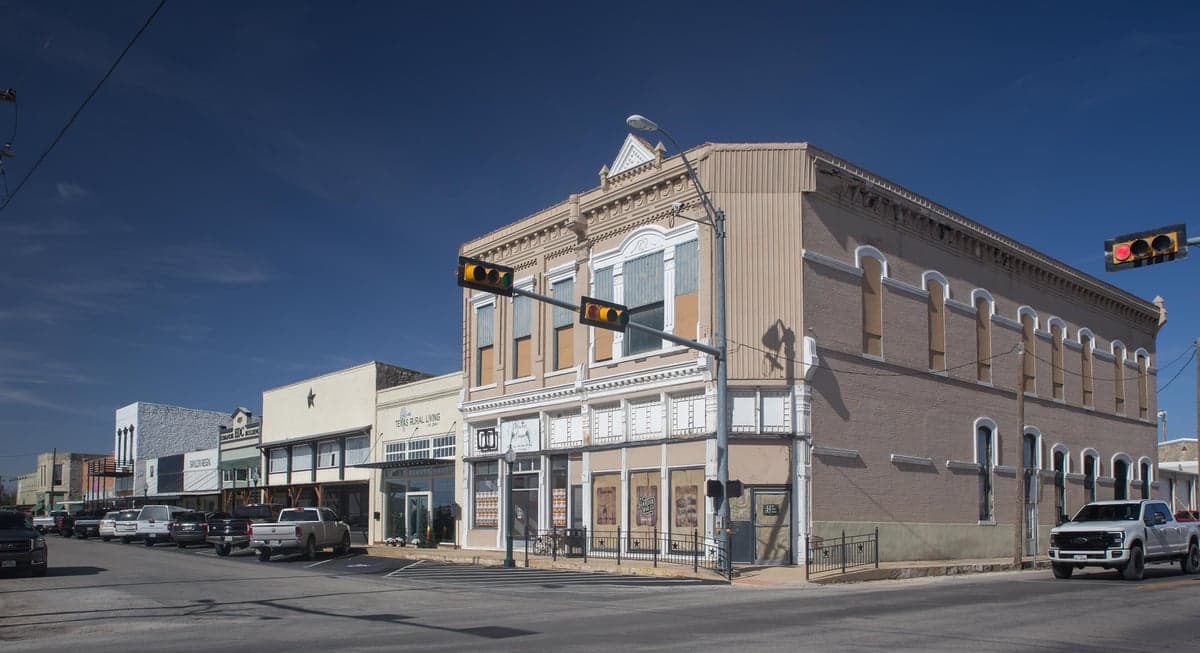
Comanche, Texas, feels like a place where time moves a little slower and people still wave at you from their pickup trucks. It’s a small town with a population hovering around 4,200, and it wears its rural identity proudly—think Friday night lights, deer leases, and a main street that hasn’t been swallowed by chain stores. If you’re looking for a quiet, affordable slice of Central Texas where you can actually know your neighbors, this might be your spot. But if you need urban amenities, a diverse job market, or a bustling social scene, you’ll want to keep driving east toward Fort Worth or Austin.
Daily Rhythm: What Life Actually Looks Like
Most mornings in Comanche start early. People here work with their hands—ranchers, oil field hands, teachers at Comanche High School, and folks at the local hospital or the nearby cement plant. The median household income is about $48,600, which goes a long way when your cost of living index sits at 60 (well below the national average of 100). A median home value of $118,200 means a young family or a single person can actually buy a house here without a six-figure salary. The average commute is roughly 27 minutes, but that’s often a drive to a job in Brownwood or Stephenville, not a slog through interstate traffic.
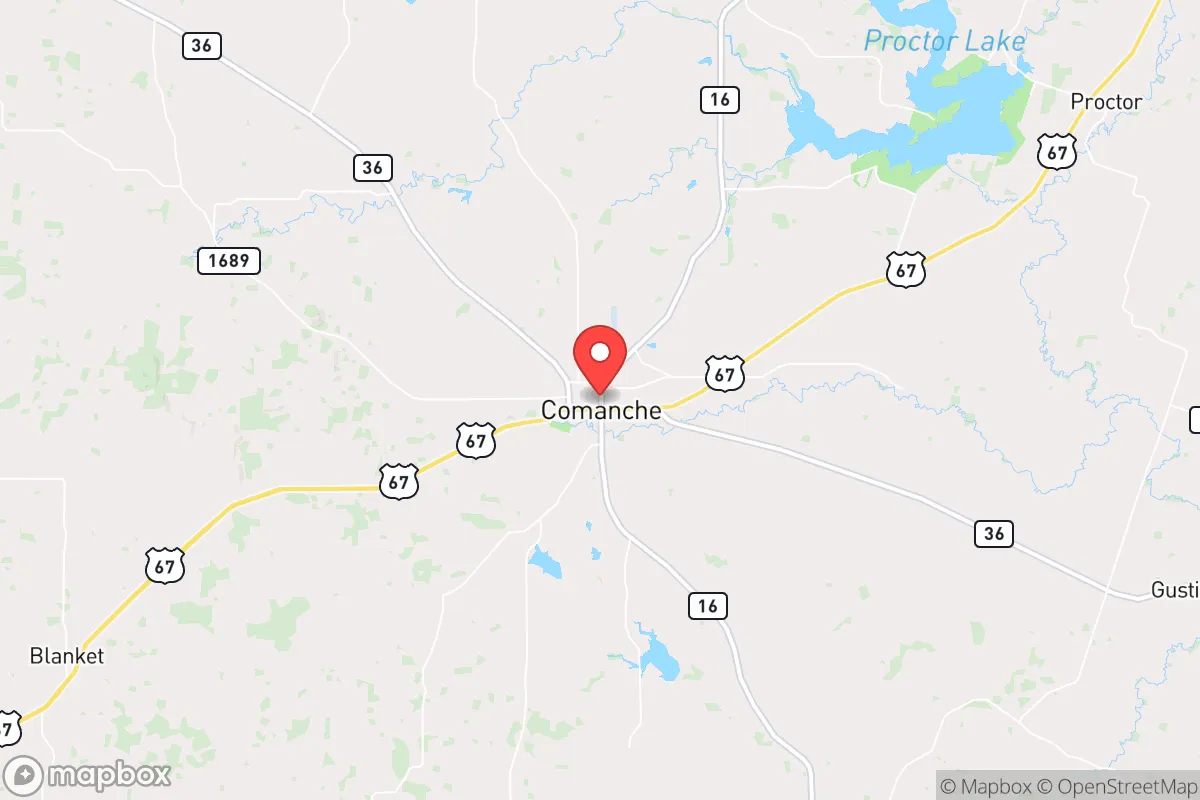
Weekends revolve around family, church, and the outdoors. You’ll see folks at the local feed store, at the lake (Proctor Lake is a 15-minute drive), or grabbing breakfast at a diner like the Comanche Drug Store—yes, the old-school soda fountain is still there. Evenings are quiet; the town rolls up early, and the biggest decision might be whether to catch a movie at the historic Ritz Theatre or grab a beer at a local spot like Jake’s Place. It’s not a nightlife town, but it’s a town where you can actually hear yourself think.
Sports, Community, and What Brings People Together
High school sports are the heartbeat of Comanche. Friday nights in the fall mean the Comanche Indians football team, and the whole town shows up—grandparents, business owners, kids running around the bleachers. Basketball and baseball are big too, and the gym gets loud during district games. There’s no pro or college team nearby (the nearest Division I action is in Waco or Fort Worth), but that doesn’t matter; the local team is the team.
The biggest annual event is the Comanche County Powwow, held every September, which draws in folks from across the region for rodeo events, a parade, and live music. It’s a genuine community gathering, not a tourist trap. There’s also the Comanche Rodeo in June, and smaller festivals like the Bluegrass Festival at the county fairgrounds. If you’re into hunting or fishing, you’re in the right place—deer leases are a common topic of conversation, and Proctor Lake is a solid spot for bass fishing and camping.
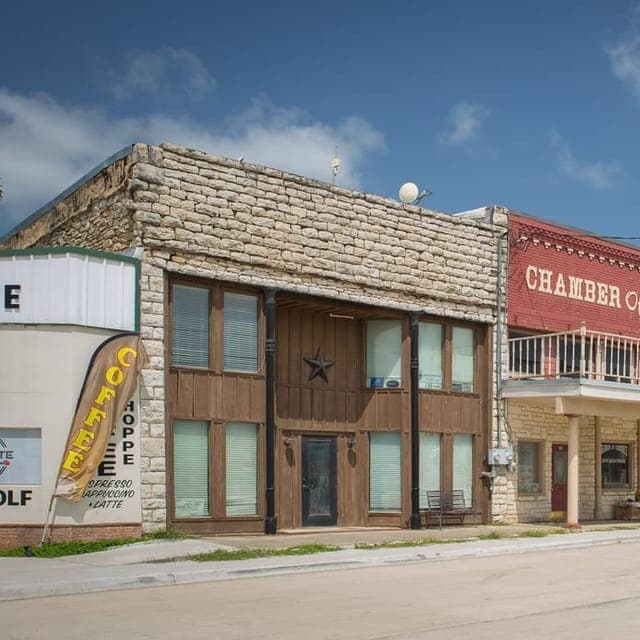
One quirky local tradition: the Comanche County Courthouse square is still the social hub. On Saturday mornings, you’ll see farmers and ranchers parked around it, drinking coffee and catching up. It’s the kind of place where the local newspaper, the Comanche Chief, still gets read cover to cover.
Pros and Cons of Living in Comanche
What longtime residents love:
- Affordability. You can buy a decent home for under $120,000, and your dollar stretches further than in almost any city in Texas. Rent is cheap too—a two-bedroom apartment might run you $700–$800.
- Safety (mostly). The violent crime rate is 292.2 per 100,000, which is higher than the national average but still feels manageable in a town this small. Most crime is property-related, and people still leave their doors unlocked in some neighborhoods.
- Community. If you’re the kind of person who wants to know your mail carrier’s name and have your kid’s teacher wave at you in the grocery store, this is it. The median age is 32.1, so there’s a decent mix of young families and retirees.
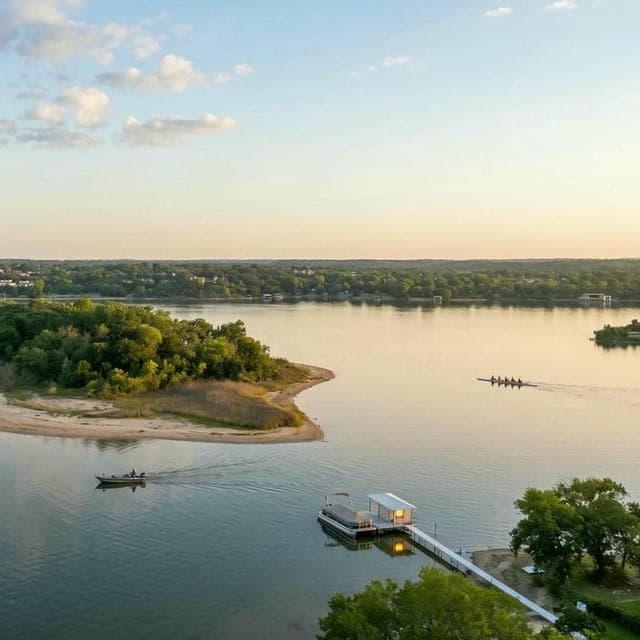
- Outdoor access. Proctor Lake, the Leon River, and miles of ranchland mean you can hunt, fish, hike, or just sit on a porch and watch the stars without light pollution.
What frustrates people:
- Limited jobs and career growth. Only about 12.8% of adults have a college degree, and the local economy leans heavily on agriculture, oil, and small retail. If you’re a professional, you’ll likely commute to Brownwood (25 minutes) or Stephenville (30 minutes). Remote workers can make it work, but the local internet can be spotty in some areas.
- Not much to do for singles. If you’re under 30 and not into hunting, church, or high school sports, you might feel isolated. There’s no real nightlife, no coffee shop scene, and dating options are thin.
- Weather extremes. Summers are hot and humid (90s with high humidity), and winters can bring ice storms that shut down the town. Tornado warnings are a springtime reality.
- Healthcare limitations. The local hospital handles basics, but for anything serious, you’re driving to Brownwood or even Fort Worth (about 90 minutes).
Comanche isn’t for everyone. It’s for people who value quiet, space, and community over convenience and career ladder-climbing. If that sounds like you, you’ll find a town that’s genuine, affordable, and surprisingly full of character.

Similar small towns to Comanche

* Values derived from national, state, county, city and local statistics and may differ in a specific area. Last updated: 2026-05-13T17:09:54.000Z
Narrative content on this page is AI-generated and may contain mistakes. Verify any details that matter before acting on them.
ReloMaps may earn a commission from affiliate links at no extra cost to you.

