
Photo: Wikipedia
Political ClimatePolitical Climate in Connecticut
Political Environment in the State
Connecticut is a solidly Democratic state with a Cook PVI of D+8, meaning it votes about eight points more Democratic than the national average in presidential elections. Over the past 10-20 years, the state has shifted steadily leftward, driven by the dominance of its wealthy, highly educated suburban counties and the urban core of Hartford, New Haven, and Bridgeport. While the state was once a classic "blue-collar Democrat" stronghold with a strong Republican presence in the suburbs, the GOP has been reduced to a rump party in most statewide races, and the legislature has been under Democratic supermajority control for most of the last decade. For a conservative considering relocation, the political climate is increasingly hostile to traditional values, fiscal conservatism, and personal liberty.
Urban vs. rural divide
The political map of Connecticut is a textbook case of the urban-rural divide, but with a twist: the wealthy suburbs of Fairfield County are now as reliably blue as the cities. Fairfield County, home to hedge fund managers and corporate executives in towns like Greenwich, Stamford, and Westport, votes overwhelmingly Democratic, driven by social liberalism and a deep distrust of the GOP on climate and social issues. The urban core—Hartford, New Haven, and Bridgeport—is heavily Democratic and reliably delivers massive margins for the party. The rural and exurban areas, particularly in the eastern part of the state (the "Quiet Corner") and the northwestern hills, are where Republicans still hold sway. Litchfield County and towns like Torrington and Winsted vote Republican, but their populations are small and shrinking. The key battlegrounds are the suburban towns of the lower Connecticut River Valley, like Middletown and Old Saybrook, which have trended blue in recent cycles. The result is a state where Democrats can win statewide by 10-15 points without ever setting foot in the rural areas.
Policy environment
Connecticut’s policy environment is a case study in progressive governance with a heavy price tag. The state has one of the highest tax burdens in the nation: a progressive income tax that tops out at 6.99%, a state sales tax of 6.35%, and some of the highest property taxes in the country, with median effective rates above 2%. The regulatory posture is aggressive, with strict environmental rules, a $15 minimum wage, and a paid family leave program funded by a payroll tax. Education policy is dominated by the teachers' unions, with per-pupil spending among the highest in the nation but mediocre outcomes. The state has a "sanctuary state" law (the Trust Act) that limits cooperation with federal immigration enforcement. Election laws are among the most liberal: no-excuse absentee voting, early voting (passed in 2023), and automatic voter registration. For a conservative, the policy environment feels like a slow-motion squeeze on personal finances and local control.
Trajectory & freedom
Connecticut is becoming less free by almost any measure, particularly in the areas of gun rights, parental rights, and taxation. In 2023, the legislature passed a sweeping gun control law (HB 6667) that banned the open carry of firearms, raised the minimum age to purchase a long gun to 21, and expanded the state's assault weapons ban. This was on top of already strict laws requiring a permit to purchase any firearm and a registry of "assault weapons." On parental rights, the state has moved in the opposite direction of many red states: in 2021, it passed a law (SB 1) that requires schools to adopt policies affirming transgender students' gender identity without parental notification, effectively overriding parental rights. The state also passed a law in 2023 that prohibits "conversion therapy" for minors, which conservatives see as a restriction on parental choice. On medical autonomy, Connecticut expanded abortion access in 2022 with a law (HB 5414) that protects providers from out-of-state lawsuits and allows advanced practice nurses to perform abortions. Property rights are under pressure from high property taxes and a strong eminent domain regime. The overall trajectory is toward more government control over personal decisions, with little sign of reversal.
Civil unrest & political movements
Connecticut has seen relatively little of the large-scale civil unrest seen in other states, but there are active political movements on both sides. The left is dominated by the Working Families Party, which often runs candidates in Democratic primaries and pushes for more progressive policies like a "public option" for health insurance and rent control. The right is organized around the Connecticut Citizens Defense League (CCDL), a gun rights group that has been active in opposing the state's gun laws, and local conservative groups in towns like Danbury and Waterbury. Immigration politics are a flashpoint: the Trust Act has been criticized by conservatives for protecting illegal immigrants, and there have been protests at state capitol over sanctuary policies. Election integrity controversies have been muted compared to other states, but the 2020 election saw some disputes over absentee ballot procedures. A new resident would notice the political divide most acutely in the suburbs: in towns like Glastonbury or Simsbury, you'll see "Black Lives Matter" signs and "In This House We Believe" yard signs alongside a few "Don't Tread on Me" flags. The flashpoints are less about street protests and more about school board meetings, where battles over curriculum and parental rights have become heated.
Projection
Over the next 5-10 years, Connecticut is likely to become more Democratic and more progressive. Demographic trends favor the left: the state's population is aging, but the young, educated professionals moving into Fairfield County and the Hartford suburbs are overwhelmingly liberal. In-migration from New York City is accelerating this trend, as wealthy liberals flee high taxes in New York only to bring their politics with them. The Republican Party is in a structural decline, with no obvious path to statewide victory unless the national environment shifts dramatically. The state's fiscal situation is precarious—pension liabilities are massive, and the state has a habit of raising taxes rather than cutting spending—which could lead to further out-migration of middle-class families and businesses. For a conservative moving in now, expect to see more gun control, more restrictions on parental rights, and higher taxes. The state will likely pass a "public option" for health insurance and possibly a wealth tax. The only silver lining is that the state's small size and high cost of living may limit the most extreme policies, as the legislature is aware of the risk of driving away the tax base.
Bottom line for a new resident: If you're a conservative, Connecticut is a tough place to live politically. You'll be in a permanent minority, paying high taxes for government services you may not agree with, and watching your personal freedoms erode year by year. The state is beautiful, with excellent schools in many suburbs, but the political climate is increasingly hostile to traditional values. If you're considering a move, look at the rural towns in Litchfield County or the eastern part of the state, where you'll find more like-minded neighbors, but understand that statewide elections will always go against you. For a single person or a parent, the trade-off is between a high quality of life in many respects and a political environment that feels like a constant headwind.

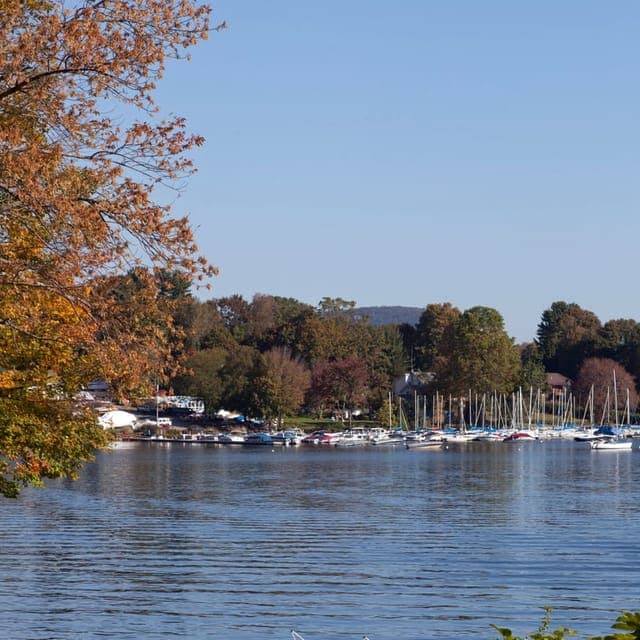
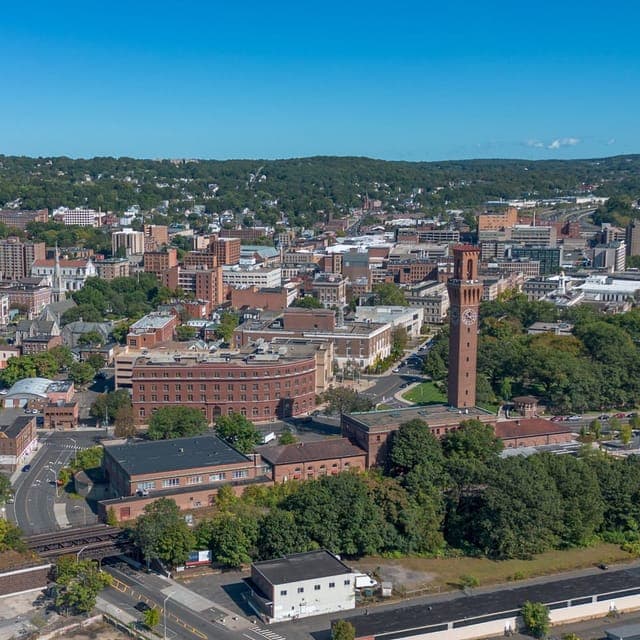
Most Conservative Cities in Connecticut


Most Liberal Cities in Connecticut
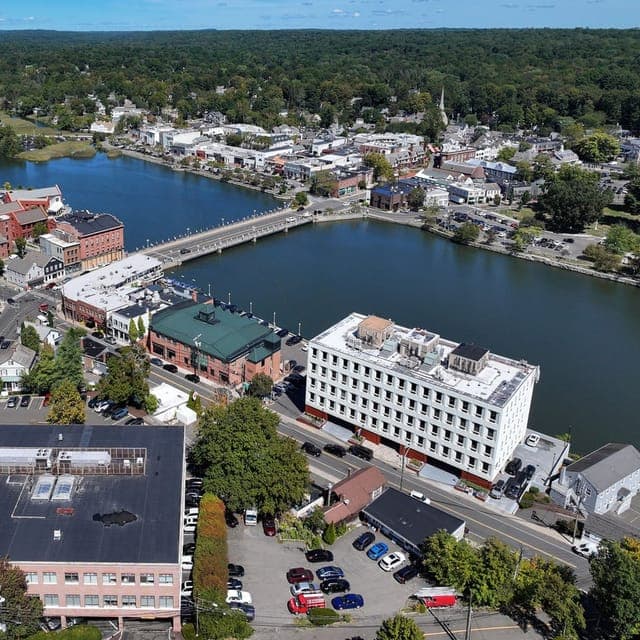
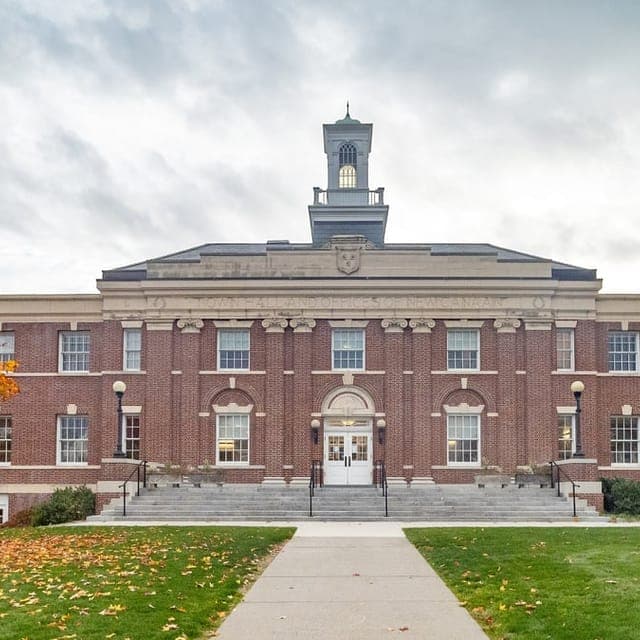
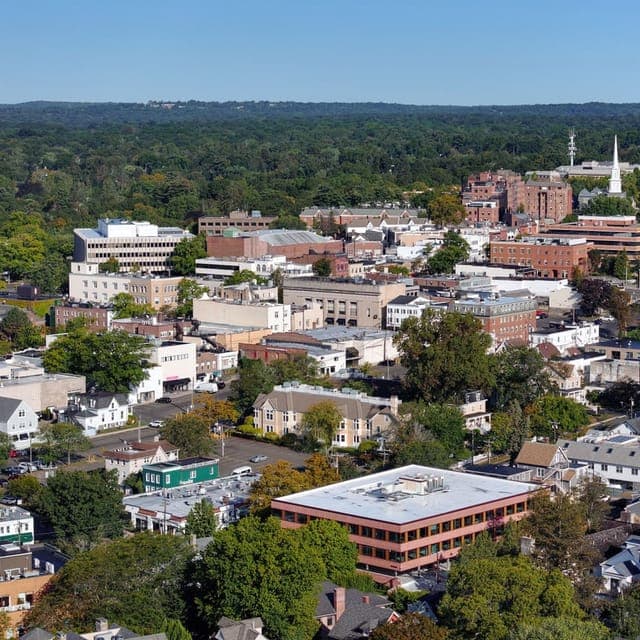
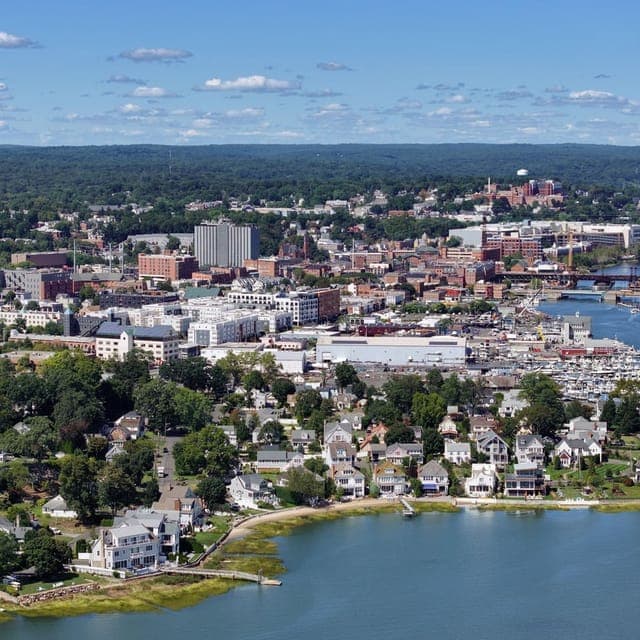
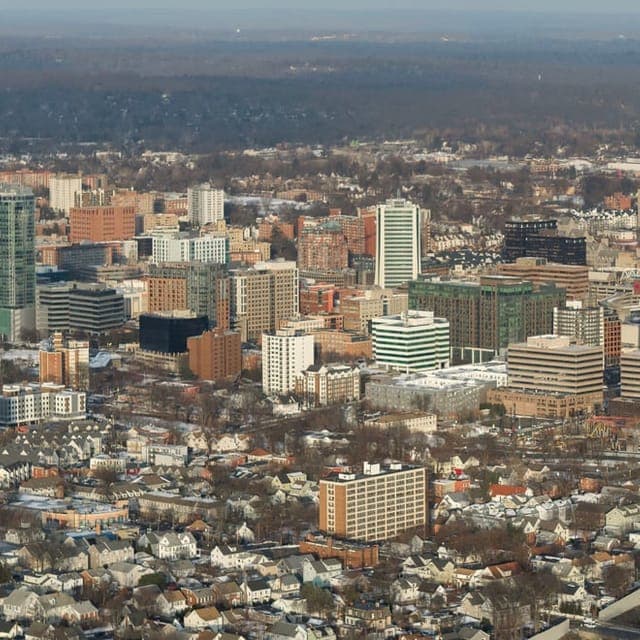
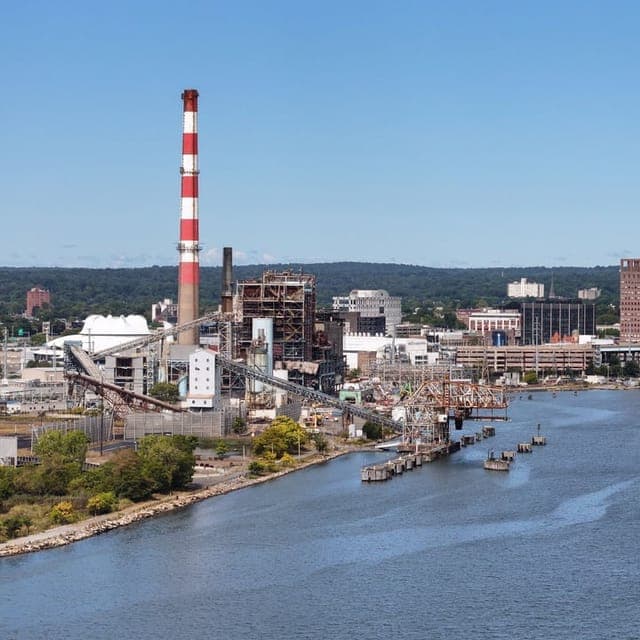
* Values derived from national, state, county, city and local statistics and may differ in a specific area. Last updated: 2026-04-18T00:20:00.000Z
Narrative content on this page is AI-generated and may contain mistakes. Verify any details that matter before acting on them.
ReloMaps may earn a commission from affiliate links at no extra cost to you.

