
Photo: Wikipedia
Quality of Life in Connecticut
A livable area that tracks near national norms for affordability, walkability, and neighborhood health.
What does Quality of Life tell us?
Quality of Life measures an area by evaluating factors like cost of living, nearby amenities, country club access, airport proximity, socioeconomic signals and neighborhood character. For large states, this is a general average — quality of life can vary dramatically between metro areas, suburbs, and rural communities within the same state.
What does this tell us?
Quality of Life measures an area by evaluating factors like cost of living, nearby amenities, country club access, airport proximity, socioeconomic signals and neighborhood character. For large states, this is a general average — quality of life can vary dramatically between metro areas, suburbs, and rural communities within the same state.
Cost of Living
23% above national average
96%
The Real Cost of Living in Connecticut for 2026
| Tier | Individual | Family (4) |
|---|---|---|
| Survival | $23k | $43k |
| Comfortable | $67k | $98k |
| Luxury | $169k+ | $263k+ |
| Elite (Top 5%) | $232k+ | $359k+ |
Quality-of-Life Analysis
Connecticut offers a remarkably broad spectrum of quality-of-life options, from dense, transit-oriented urban centers to quiet, forested rural hamlets, all within a state that ranks 123 on the cost-of-living index (100 = U.S. average). The state’s compact size—roughly 110 miles from Greenwich to the Massachusetts border—means that a person’s choice of town often determines not just their commute time (statewide average: 26.6 minutes) but also their access to industry, culture, and outdoor recreation. Broadly, the state divides into three lifestyle tiers: the affluent, job-rich Gold Coast and Hartford suburbs; the mid-size cities and college towns offering a balance of cost and culture; and the rural Litchfield Hills and Quiet Corner, where space and nature take priority over convenience.
Major metros
Connecticut’s three major metro areas—Hartford, New Haven, and Bridgeport—each serve a distinct urban niche. Hartford, the state capital, is the insurance and finance hub, home to companies like The Hartford and Travelers, with a walkable downtown and a median home value ($343,200) that is more attainable than coastal peers. New Haven, anchored by Yale University, offers a vibrant arts and dining scene, a strong biotech and medical sector, and a dense, walkable core that attracts academics and young professionals. Bridgeport, the largest city by population, is a working-class port city with a growing arts district and more affordable housing, though it faces higher crime rates than its neighbors. For those seeking urban living with access to New York City, the southwestern cities of Stamford and Norwalk function as commuter suburbs, offering high-rise living, corporate headquarters (e.g., Charter Communications in Stamford), and Metro-North rail service to Manhattan in under an hour.
Mid-size cities & college towns
Connecticut’s mid-size cities and college towns provide a middle ground between urban intensity and rural quiet. Middletown, home to Wesleyan University, blends a lively downtown with a strong arts scene and a median home value around $250,000, making it a draw for creatives and academics. New London, on the Thames River, offers a revitalized waterfront, the U.S. Coast Guard Academy, and a growing food scene, with home prices often below $200,000. Willimantic, anchored by Eastern Connecticut State University, is a low-cost college town with a historic mill district and a median home value near $180,000, appealing to students and budget-conscious families. Danbury, in western Connecticut, combines a strong manufacturing and retail base (home to Praxair and Cartus) with access to Candlewood Lake, offering a suburban feel with a median home value around $330,000. Norwich, in the eastern part of the state, provides a slower pace, historic architecture, and home values often under $200,000, attracting retirees and remote workers.
Small towns & rural areas
For those seeking a slower pace, Connecticut’s small towns and rural areas offer deep-rooted communities and natural beauty. The Litchfield Hills in the northwest—towns like Kent, Litchfield, and Sharon—are known for rolling hills, covered bridges, and antique shops, with median home values ranging from $300,000 to $500,000. These towns attract second-home owners from New York and retirees who value hiking, skiing at Mohawk Mountain, and a quiet, seasonal lifestyle. The Quiet Corner in the northeast—including Woodstock, Pomfret, and Thompson—offers even lower density, with farmland, state forests, and home values often below $250,000. This region appeals to farmers, equestrians, and those seeking a self-sufficient rural life. Coastal small towns like Stonington and Old Lyme provide a maritime vibe, with historic homes, marinas, and median home values above $400,000, drawing boaters and artists.
Luxury vs. affordable living
The cost-of-living spread across Connecticut is dramatic. Luxury enclaves like Greenwich, Darien, and Westport on the Gold Coast feature median home values above $1 million, top-ranked public schools, and direct rail access to Manhattan, attracting hedge fund executives and corporate leaders. Inland, Avon and Simsbury in the Farmington Valley offer estate homes and country clubs with median values around $400,000–$500,000, appealing to Hartford-area professionals. At the affordable end, Waterbury and Meriden in central Connecticut offer median home values near $150,000–$200,000, with older housing stock and access to I-84 and I-91. Torrington in the northwest and Jewett City in the east provide homes under $150,000, attracting first-time buyers and those willing to commute longer distances. The median rent statewide is $1,431, but in luxury towns it can exceed $2,500 for a one-bedroom, while in affordable areas it often falls below $1,000.
The practical reality is that Connecticut’s quality-of-life options are stratified by budget and lifestyle preference. High-income professionals and commuters to New York City thrive in the Gold Coast suburbs, where schools and amenities are excellent but housing costs are among the highest in the nation. Mid-career families and academics find balance in mid-size cities like Middletown or New London, where home values are below the state median of $343,200 and commute times are manageable. Retirees and remote workers gravitate toward the Litchfield Hills or Quiet Corner for space and lower costs, while those on tight budgets can find entry-level homes in Waterbury or Willimantic. The statewide cost-of-living index of 123 means that even the most affordable areas are above the national average, but the trade-off is access to one of the best-educated populations, highest median incomes, and most varied landscapes in the Northeast.

Crime in Connecticut
Generally safer than 72% of comparable U.S. locations.
Violent CrimeViolent Crime Analysis
Property CrimeProperty Crime Analysis
Crime Analysis
Connecticut is one of the safest states in the U.S. by violent crime metrics, with a statewide violent crime rate of 107.9 per 100,000 residents — roughly one-third the national average. Property crime, however, is more prevalent at 1,139.8 per 100,000, a figure that sits near the national median. The state’s overall safety profile is heavily shaped by the stark contrast between affluent, low-crime suburbs and higher-crime urban centers, particularly those with progressive prosecutorial policies that critics argue prioritize offender rehabilitation over public safety.
Crime in context
Connecticut’s violent crime rate is among the lowest in the Northeast, trailing only New Hampshire and Maine. The property crime rate, while moderate, has shown a slight upward trend since 2020, driven largely by motor vehicle theft and larceny in cities like New Haven and Hartford. For comparison, the national violent crime rate in 2024 was approximately 380 per 100,000, meaning Connecticut residents face less than a third of the risk of violent victimization. However, these averages mask deep disparities: Bridgeport, the state’s largest city, reports violent crime rates above 500 per 100,000, while towns like Greenwich and Glastonbury record rates below 50 per 100,000. The state’s relatively low incarceration rate and emphasis on alternative sentencing — particularly in districts led by progressive district attorneys — have drawn criticism from law enforcement groups who argue these policies embolden repeat offenders.
What residents experience
Daily life for most Connecticut residents is marked by low fear of violent crime, especially in the suburban and rural areas that dominate the state’s geography. Property crime is the more tangible concern: package theft, car break-ins, and home burglaries are common complaints in towns near major highways, such as Stamford and Danbury. In urban centers like Hartford and New Haven, residents report higher rates of aggravated assault and robbery, often concentrated in specific neighborhoods. The progressive policies of prosecutors in these cities — including reduced cash bail, diversion programs for theft, and limited prosecution of certain drug offenses — have been linked by critics to a revolving-door justice system. For example, New Haven’s State’s Attorney office has faced scrutiny for declining to prosecute many nonviolent property crimes, a stance that some residents say encourages serial shoplifting and car theft. Conversely, in conservative-leaning jurisdictions like Litchfield County, law enforcement takes a more traditional approach, and crime rates remain negligible.
Neighborhood-level variation
Safety in Connecticut is highly localized. The wealthiest suburbs — Westport, Darien, Avon — consistently rank among the safest municipalities in the nation, with violent crime rates often below 20 per 100,000. In contrast, the state’s three largest cities — Bridgeport, New Haven, and Hartford — account for a disproportionate share of violent incidents, with neighborhood-level rates varying by a factor of ten or more. Within Hartford, the South End and Frog Hollow see elevated crime, while the West End is comparatively quiet. The influence of progressive district attorneys is most pronounced in these urban cores: New Haven’s State’s Attorney, for instance, has implemented a policy of not prosecuting simple drug possession, a move supporters call harm reduction but opponents argue has led to open-air drug markets. For families and retirees considering relocation, the safest bet remains the suburban ring around Hartford and the Gold Coast towns of Fairfield County, where conservative-leaning local governments maintain stricter public safety policies.
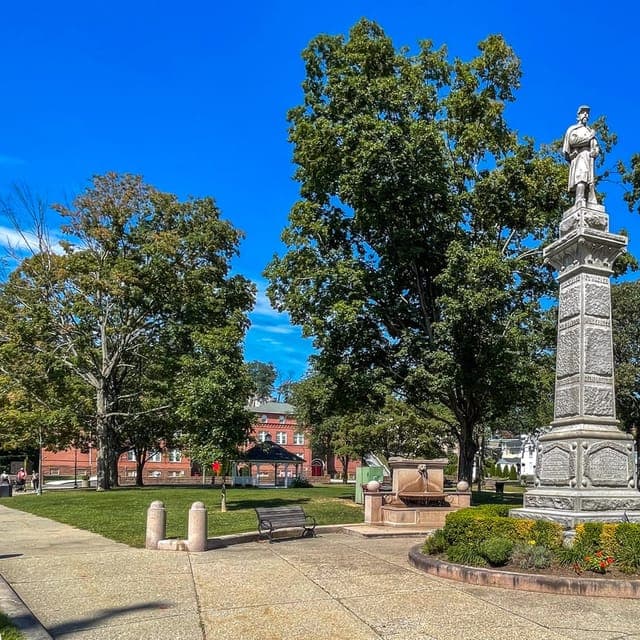
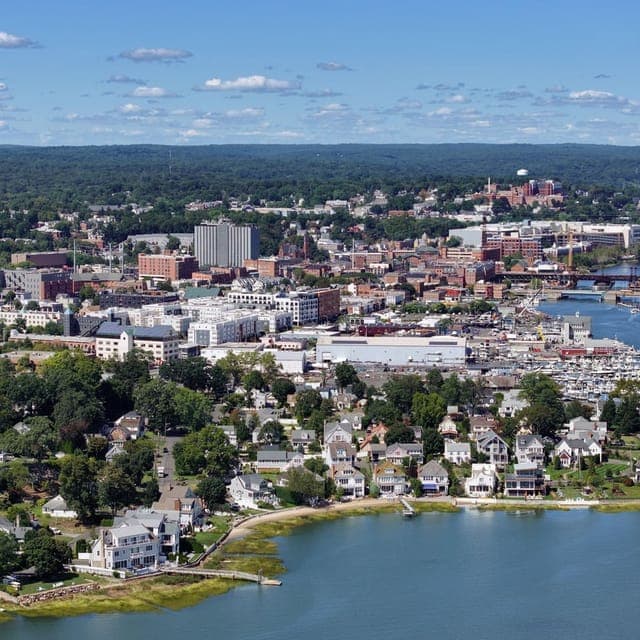
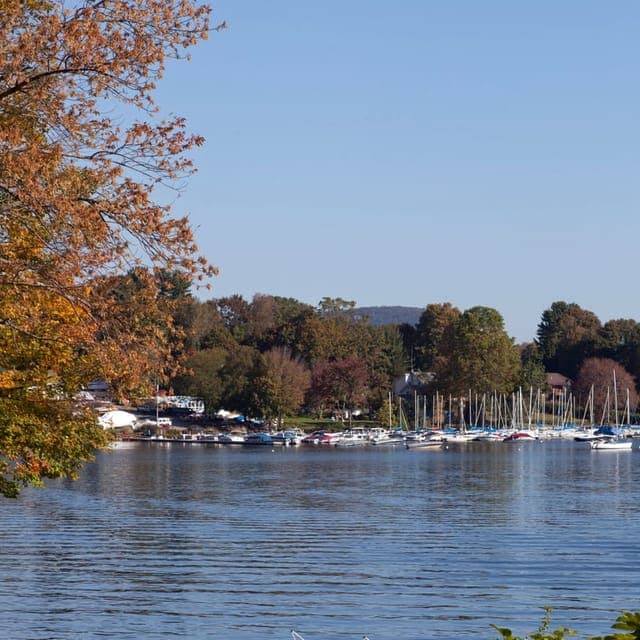
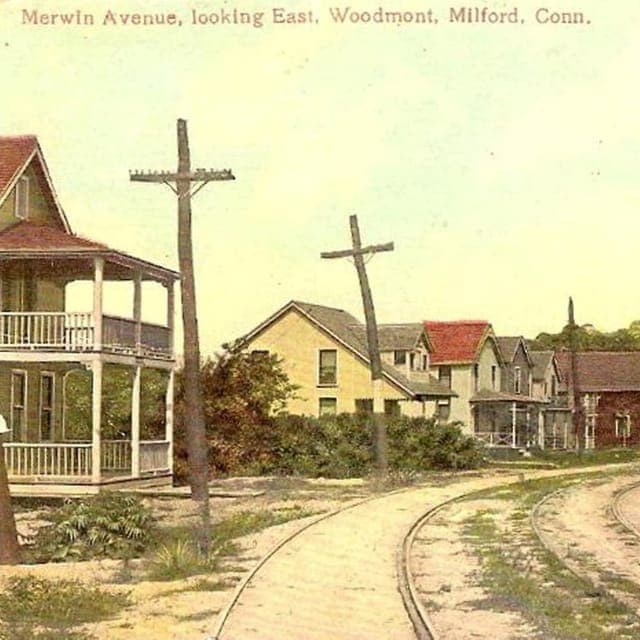
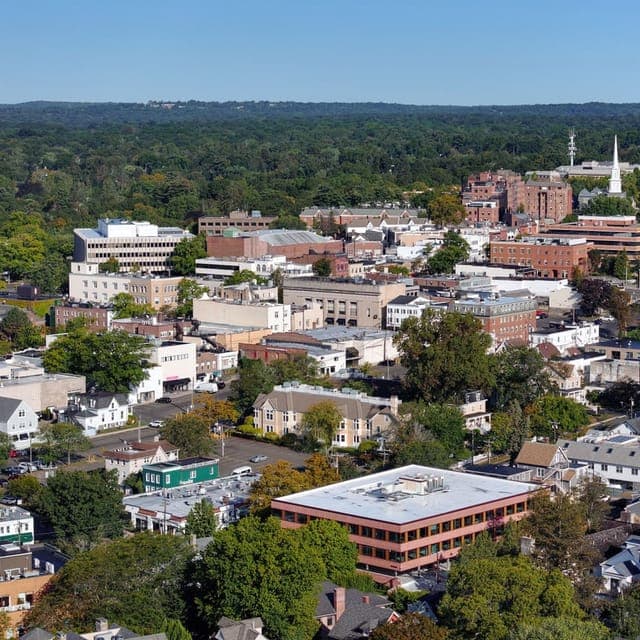
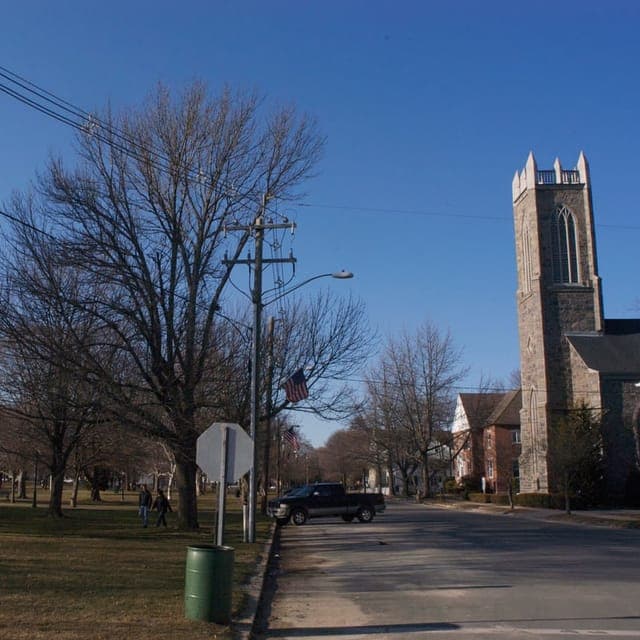
Top Cities for Quality of Life in Connecticut


* Values derived from national, state, county, city and local statistics and may differ in a specific area. Last updated: 2026-04-18T00:20:00.000Z
Narrative content on this page is AI-generated and may contain mistakes. Verify any details that matter before acting on them.
ReloMaps may earn a commission from affiliate links at no extra cost to you.

