Photo: Wikipedia
Find The Best Places To Live
in Bridgeport
PRO TIP! You can paste a Zillow or Redfin link to get info on that property.
What It's Like Living in Bridgeport, CT
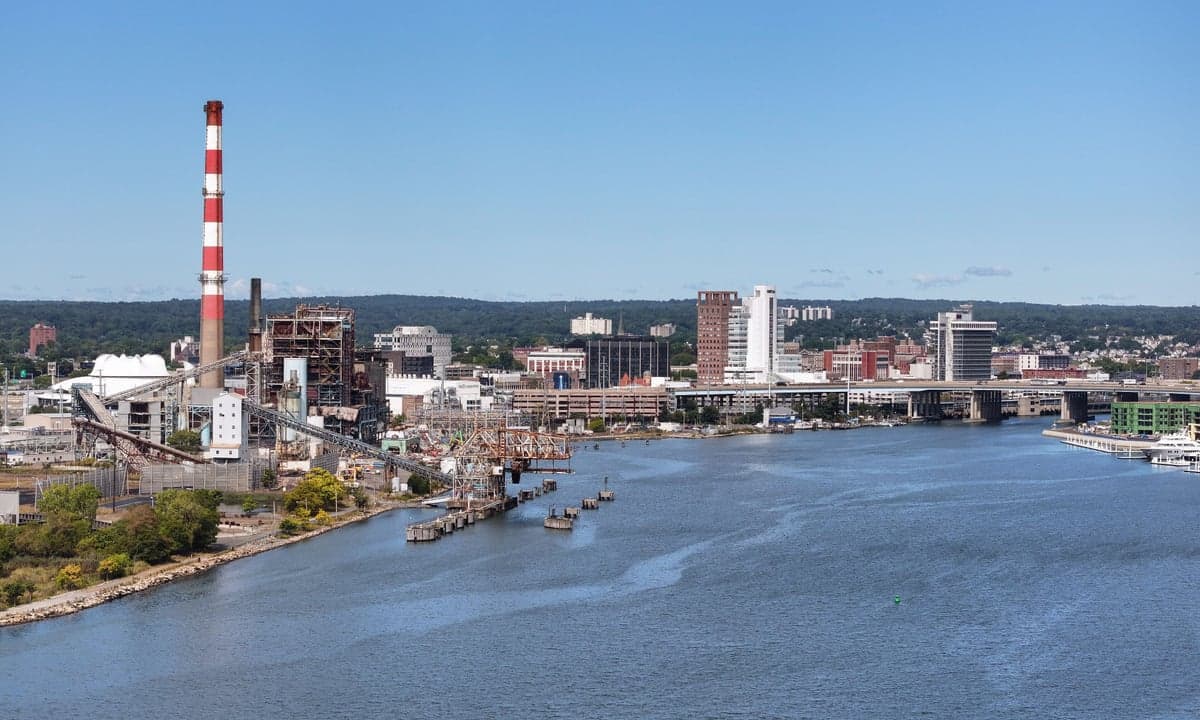
Bridgeport is Connecticut’s largest city, but it doesn’t feel like a big city in the way New Haven or Hartford do. It’s more of a gritty, blue-collar coastal town that’s been through decades of economic ups and downs, and the people who live here tend to be the kind who don’t mind a little wear and tear if it means affordable housing and a quick train ride to New York. You’ll find a mix of longtime Portuguese and Puerto Rican families, young renters priced out of Fairfield County’s tonier suburbs, and a growing number of artists and entrepreneurs looking for cheap studio space near the water.
The Daily Rhythm: What People Actually Do
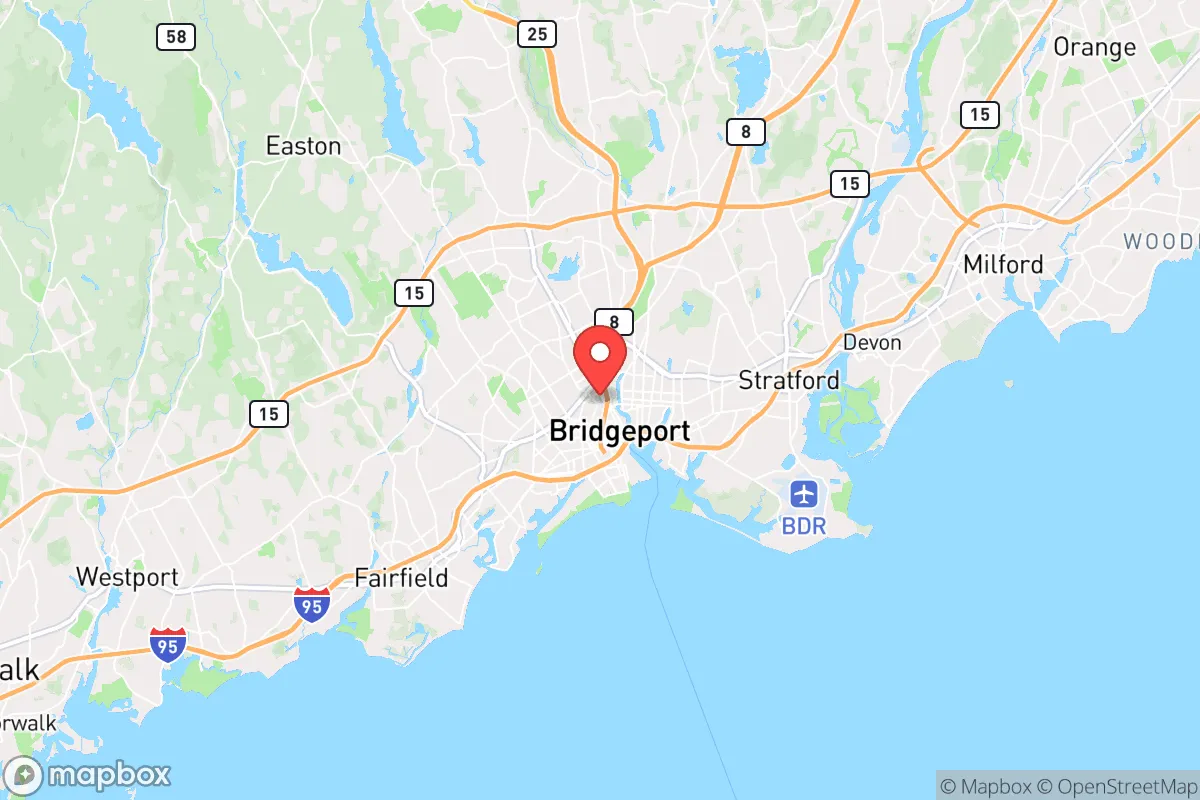
Most residents commute—the average drive is about 30 minutes, which is standard for the region, but a lot of people also take the Metro-North train from Bridgeport Station into Grand Central, a 90-minute ride that’s a grind but doable for a few days a week. If you work locally, you’re likely at a hospital (St. Vincent’s is a major employer), a school, or one of the smaller manufacturing or logistics firms that still operate along the harbor. Grocery shopping means hitting the Stop & Shop on North Avenue or the C-Town on East Main, and for weekend errands, the Trumbull Mall is a 15-minute drive north. The city’s layout is car-dependent, but the downtown core around McLevy Green is walkable enough for a coffee run or a quick lunch at a Portuguese bakery like Pasteis de Nata on Broad Street.
Weekends are often about escaping the city’s rougher edges. People head to Seaside Park—a 370-acre waterfront green space designed by Frederick Law Olmsted—for jogging, soccer, or just sitting on the beach looking out at Long Island Sound. The park also hosts the annual Barnum Festival, a summer tradition that includes a parade, a hot-air balloon rally, and a nod to P.T. Barnum, who was once Bridgeport’s mayor and biggest booster. For a night out, locals gravitate to the Bijou Theatre for live music or the Two Roads Brewing Company in neighboring Stratford, but within city limits, the dive bars on Fairfield Avenue (like the Brass Horse Cafe) are where you’ll find the real Bridgeport character—pool tables, cheap beer, and conversations that turn political fast.
Sports, Community, and the Local Identity
Bridgeport is a sports town in a low-key way. The Bridgeport Islanders (the AHL affiliate of the New York Islanders) play at Total Mortgage Arena downtown, and games are affordable and well-attended by families who can’t swing NHL prices. High school football is a bigger deal here than in many suburbs—Bridgeport Central, Harding, and Bassick have fierce rivalries that pack stands on Friday nights, and the city’s youth sports leagues (especially soccer and basketball) are deeply woven into neighborhood life. There’s no major college team in town, but the University of Bridgeport’s athletic programs (Division II) draw a small but loyal crowd for basketball and volleyball.
The city’s identity is proudly working-class and ethnically diverse. You’ll hear Portuguese, Spanish, and Haitian Creole spoken on the streets, and the annual Portuguese Feast in July on the East Side is a massive block party with grilled sardines, live fado music, and a parade that shuts down half the neighborhood. A quirk locals will tell you about: Bridgeport has a strong tradition of “three-decker” houses—triple-decker apartment buildings that house multiple generations of the same family, often with a grandmother on the first floor and cousins on the third. It’s a city where people know their neighbors, but also where you’ll hear complaints about the city’s chronic budget problems and the occasional pothole that swallows a tire.
What’s There to Do: Parks, Music, and Food
- Seaside Park is the crown jewel—beach, bike path, picnic areas, and the Discovery Museum and Planetarium for kids. In summer, the park hosts free concerts and the Sound on Sound music festival, which draws indie rock acts to the waterfront.
- The Klein Memorial Auditorium is a historic 1,400-seat venue that books everything from Broadway tours to stand-up comedy. It’s not fancy, but the acoustics are solid and tickets are cheap.
- Black Rock is the city’s most walkable neighborhood, with a small but growing strip of restaurants and bars—try Brewport for brick-oven pizza and craft beer, or Bloodroot for vegetarian fare with a feminist bookstore attached.
- Beardsley Zoo is a small but well-kept zoo that’s a hit with young kids, and Lake Mohegan in Fairfield (just over the town line) offers hiking trails and a swimming area that feels like a state park.
The food scene is underrated but not fancy. Portuguese bakeries (malasadas, custard tarts) and Puerto Rican cuchifritos joints are everywhere. For a sit-down dinner, El Charro on Main Street serves solid Mexican, and Mama’s Kitchen on Madison Avenue does Caribbean lunch plates that sell out by 1 p.m. Fine dining is scarce—you drive to Fairfield or Westport for that—but the takeout culture is strong and cheap.
Pros and Cons of Living Here
What locals love: The housing is genuinely affordable for coastal Connecticut. The median home value is around $252,000, which is half of what you’d pay in Milford or Fairfield. The commute to New York is feasible, and the city has a real, unpolished character that the suburbs lack. The parks and waterfront are underutilized and beautiful. The diversity means you can eat your way around the world without leaving city limits.
What frustrates them: The violent crime rate is 241 per 100,000—higher than the national average, and concentrated in certain neighborhoods (the East Side and parts of the South End). Property crime is a constant annoyance; car break-ins and package thefts are common. The school system struggles with funding and performance, which pushes many families to private or magnet schools. The city’s finances are perpetually shaky, leading to occasional tax hikes and cuts in services like trash pickup and road maintenance. Winters are gray and damp, with nor’easters that dump snow and shut things down for a day or two, but the coastal location means less snow than inland towns.
Bridgeport is not for everyone. If you want manicured lawns, top-tier schools, and a quiet suburban life, you’ll be happier in Trumbull or Monroe. But if you’re willing to trade some polish for affordability, diversity, and a city that feels like a real community rather than a bedroom suburb, it’s a place where you can put down roots without breaking the bank. The kind of person who fits here is someone who doesn’t mind a little grit, who values a good Portuguese pastry over a fancy brunch, and who understands that a city’s soul isn’t measured by its crime stats alone.

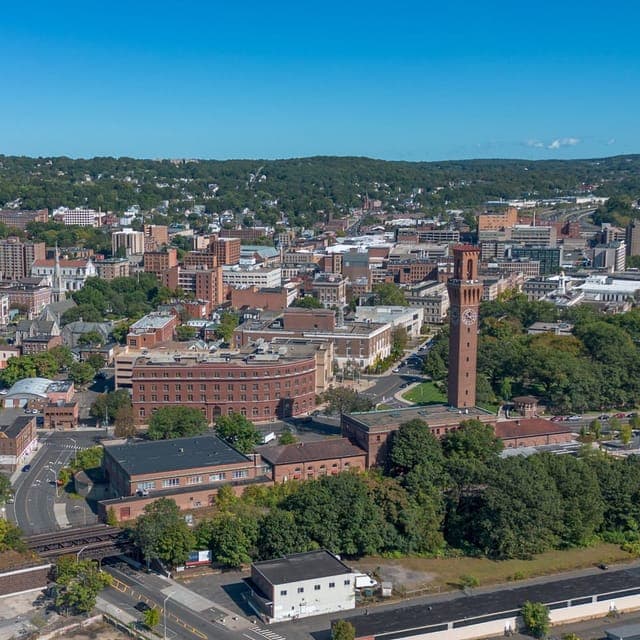
Similar small cities to Bridgeport
* Values derived from national, state, county, city and local statistics and may differ in a specific area. Last updated: 2026-04-24T12:22:16.000Z
Narrative content on this page is AI-generated and may contain mistakes. Verify any details that matter before acting on them.
ReloMaps may earn a commission from affiliate links at no extra cost to you.

