 Popular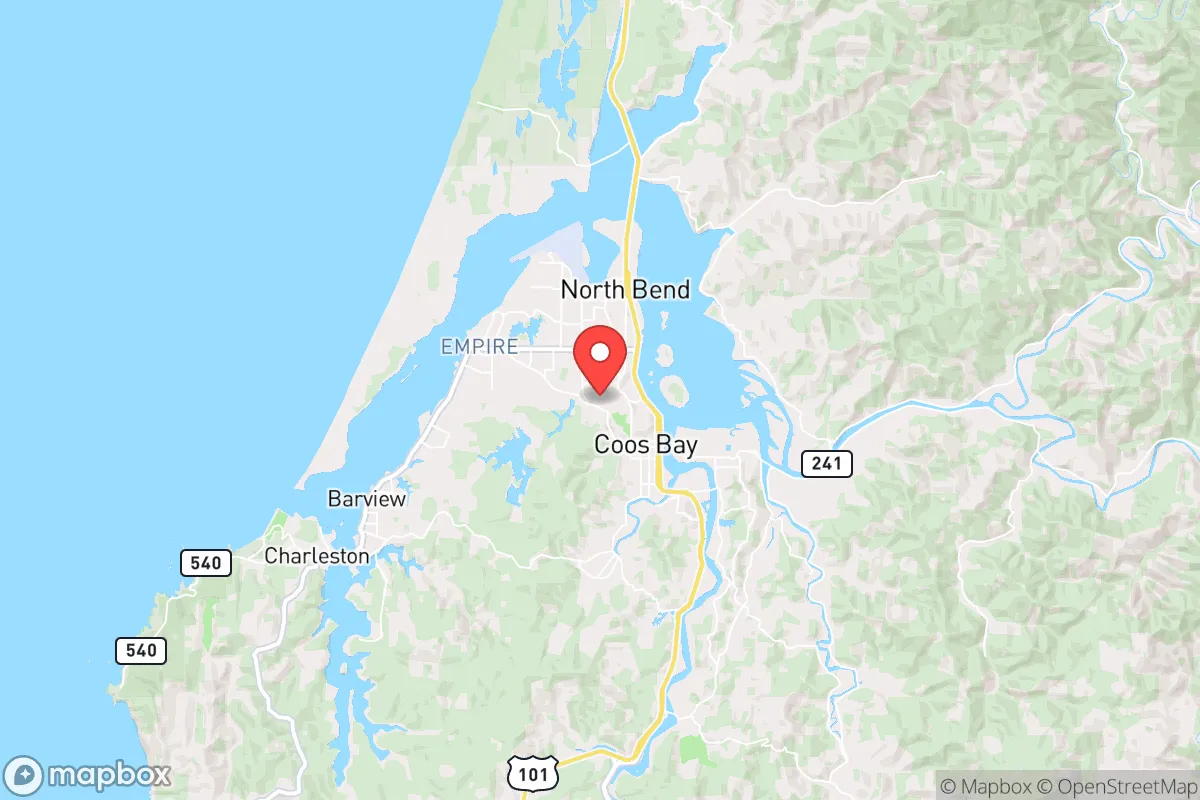

Photo: Wikipedia
Quality of Life in Coos Bay, OR
A high quality of life with strong walkability, manageable living costs, healthy neighborhood signals, and solid amenity access.
What does Quality of Life tell us?
Quality of Life blends cost of living, nearby amenities, socioeconomic signals, and neighborhood character. City-level scores represent the whole municipality; individual neighborhoods can differ.
What does this tell us?
Quality of Life blends cost of living, nearby amenities, socioeconomic signals, and neighborhood character. City-level scores represent the whole municipality; individual neighborhoods can differ.
Cost of Living
11% below national average
The Real Cost of Living in Coos Bay, OR for 2026
| Tier | Individual | Family (4) |
|---|---|---|
| Survival | $16k | $30k |
| Comfortable | $53k | $78k |
| Luxury | $90k+ | $140k+ |
| Elite (Top 5%) | $106k+ | $165k+ |
71%
The Area Signal
A metric tracking the socioeconomic signals of the area.
Hobbies
Explore the areaGroceries
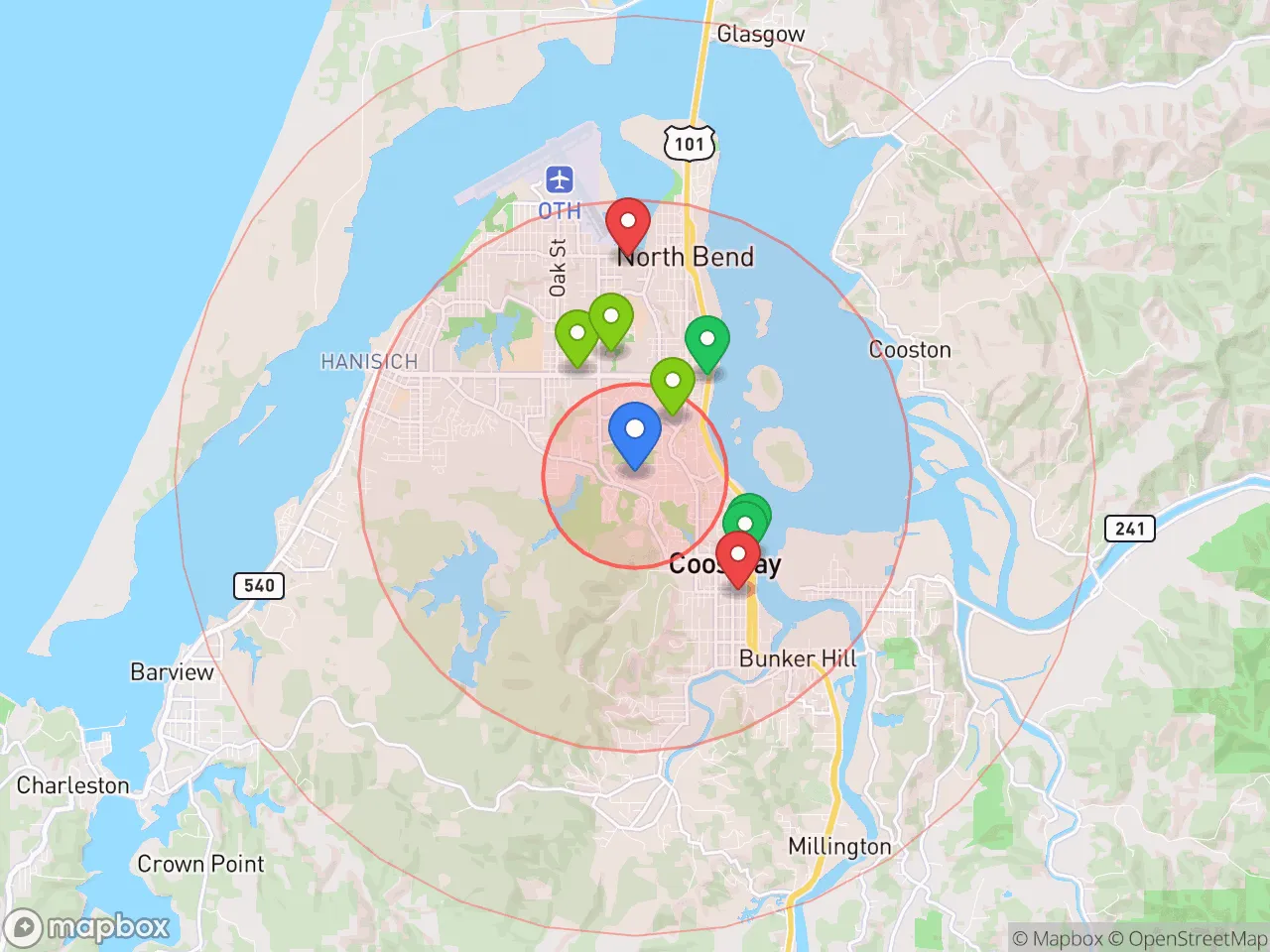
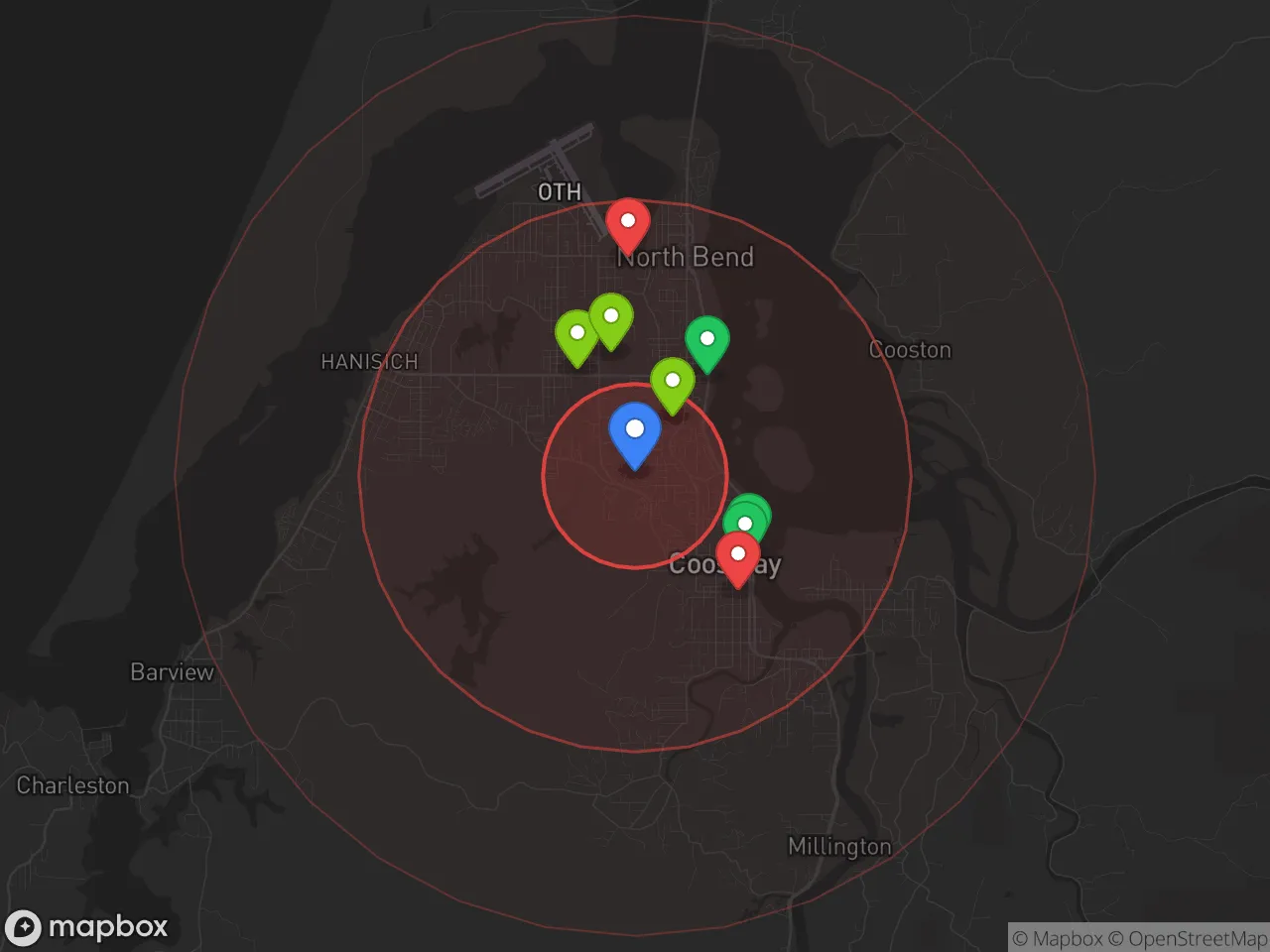
5 within 10 miles
Gas
8 within 10 miles
Hospital
2 within 20 miles
Airport
PDX — Portland International
Post Office
USPS — North Bend, OR
Critical Amenities
Quality-of-Life Analysis
Coos Bay, Oregon, presents a notably affordable quality of life compared to national averages, attracting a mix of working-class families, retirees, and outdoor enthusiasts. With a cost of living index of 89 (100 = U.S. average), the area offers significant financial breathing room, though this is balanced by a slower economic pace and limited high-wage job opportunities. The population skews older and more blue-collar than the Oregon state average, with a strong sense of community rooted in the region's maritime and timber heritage.
Cost of living, housing affordability, and how it compares to nearby areas
Housing is the primary driver of Coos Bay's affordability. The median home value sits at $272,100, well below the Oregon median of roughly $450,000 and far under the Portland metro's $550,000+. Renters also benefit: the median rent of $986 is roughly 30% lower than the state average. Compared to nearby Bandon (median home ~$400,000) or Florence (~$350,000), Coos Bay offers the most accessible entry point on the southern Oregon coast. The average commute of just over 15 minutes is exceptionally short, reflecting the area's compact layout and limited regional sprawl. However, lower housing costs correlate with a weaker local economy: median household income hovers around $45,000, meaning homeownership requires careful budgeting despite the low prices. Property taxes are moderate, and no local sales tax applies, which further stretches household budgets.
What daily life is like for families: schools, amenities, and local rhythm
Daily life in Coos Bay revolves around outdoor recreation and small-town convenience. The Coos Bay School District serves roughly 6,500 students, with Marshfield High School and North Bend High School as the main public options; test scores trail state averages, but smaller class sizes and community involvement are draws for families. Amenities cluster along Highway 101, with a Walmart Supercenter, Fred Meyer, and a regional hospital (Bay Area Hospital) meeting most needs. For dining and culture, the downtown area features local spots like the 7 Devils Brewing Company and the Egyptian Theatre, a restored 1920s movie house. The real daily rhythm, however, is shaped by the bay and ocean: residents fish, crab, hike the Oregon Dunes National Recreation Area, or walk the boardwalk at the Coos Bay waterfront. The pace is noticeably slower than inland Oregon cities, with limited nightlife and few chain retail options beyond the basics.
Coos Bay is best suited for those who prioritize affordability and outdoor access over career advancement or urban amenities. Retirees on fixed incomes, remote workers with stable salaries, and families willing to trade school rankings for a lower cost of living will find the area most rewarding. Job seekers in healthcare, education, or the Port of Coos Bay's emerging marine trades may also thrive, though opportunities in tech or professional services are scarce. For anyone seeking a quiet, nature-focused life on the Oregon coast without the premium price tag of Cannon Beach or Newport, Coos Bay delivers a genuine, if modest, quality of life.

Crime in Coos Bay, OR
Higher crime rates than 70% of comparable U.S. locations.
Violent CrimeViolent Crime Analysis
Property CrimeProperty Crime Analysis
Crime Analysis
Coos Bay, Oregon, reports a violent crime rate of 306.9 incidents per 100,000 residents and a property crime rate of 2,110.8 per 100,000, placing it above both state and national averages for property offenses. While not among the most dangerous cities in Oregon, these figures indicate a community where property crime is a tangible concern for residents and businesses. The city's safety profile is shaped by its coastal economy, population density, and the broader criminal justice environment in Coos County.
Crime in context
Coos Bay's violent crime rate of 306.9 per 100,000 is roughly 20% lower than the Oregon state average of approximately 380 per 100,000, but still above the national median. Property crime, however, tells a different story: at 2,110.8 per 100,000, it is nearly 40% higher than the national average of roughly 1,500 per 100,000. Theft, burglary, and motor vehicle theft drive this elevated rate, with larceny-theft alone accounting for the majority of reported incidents. These numbers reflect a pattern seen in many smaller coastal cities where economic opportunity is limited and property crime is more opportunistic than organized.
What residents experience
Residents report that property crime—particularly vehicle break-ins, package theft, and vandalism—is the most common safety issue in daily life. Violent crime is less frequent but not absent, with aggravated assault making up the bulk of incidents. The local justice system in Coos County operates under a progressive prosecutorial philosophy that emphasizes rehabilitation and alternatives to incarceration. While well-intentioned, this approach has drawn criticism from residents who feel it contributes to a revolving-door cycle for repeat property offenders, undermining deterrence and public confidence. Law enforcement response times can be slow in outlying areas, and the Coos Bay Police Department has faced staffing challenges that limit proactive patrols.
Neighborhood-level variation
Safety varies noticeably across Coos Bay. The downtown core and areas near the waterfront see higher concentrations of property crime, particularly around commercial corridors like Broadway Avenue and Newmark Avenue. Residential neighborhoods farther from the city center, such as those in the Eastside and Empire districts, tend to report fewer incidents. The nearby community of North Bend, while sharing similar crime trends, has slightly lower property crime rates due to a more dispersed population. For newcomers, choosing a home in a quieter residential pocket rather than near commercial zones can meaningfully reduce exposure to property crime. Overall, Coos Bay requires a practical approach to security—locked vehicles, well-lit properties, and neighborhood watch participation are standard precautions.
* Values derived from national, state, county, city and local statistics and may differ in a specific area. Last updated: 2026-05-18T00:01:06.000Z
Narrative content on this page is AI-generated and may contain mistakes. Verify any details that matter before acting on them.
ReloMaps may earn a commission from affiliate links at no extra cost to you.

