 Popular
Photo: Wikipedia
Find The Best Places To Live
in Coos Bay
PRO TIP! You can paste a Zillow or Redfin link to get info on that property.
What It's Like Living in Coos Bay, OR
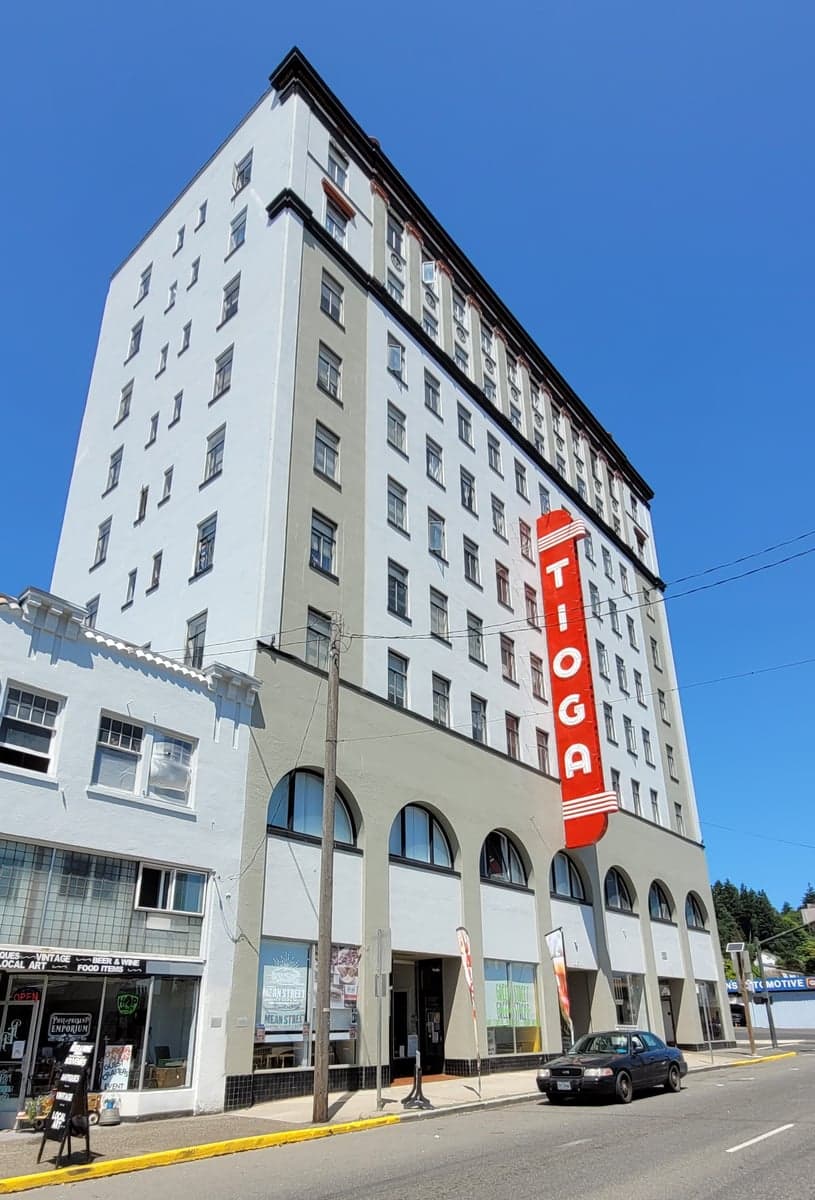
Coos Bay feels like a place that time forgot in the best and most frustrating ways. It’s a working-class coastal town where the bay is the center of gravity, the fog rolls in thick, and people know each other by their trucks. If you’re looking for a quiet, affordable slice of Oregon coast life where you can actually buy a house without a Silicon Valley salary, this is one of the few spots left where that’s still possible.
Daily Rhythm: What People Actually Do Here
Life in Coos Bay moves at a pace that matches the tide—slow and steady. The average commute is just over 15 minutes, so most people are home for lunch or at the kid’s school event by 3 p.m. The big employers are the local hospital (Bay Area Hospital), the school district, and a handful of timber and shipping operations at the port. There’s no rush hour to speak of, just a few minutes of backup on the 101 bridge when a logging truck slows down. Shopping is practical: Fred Meyer, Walmart, and a decent Ace Hardware cover the basics. For groceries with a local twist, people hit the Coos Bay Farmers Market in summer or swing by the Fishermen’s Seafood Market for fresh Dungeness crab right off the boat. Weekends often mean a drive to the dunes at Horsfall Beach, a hike up the Golden and Silver Falls trail, or a lazy afternoon at the Mill Casino—locals will tell you they go for the buffet and the view, not the slots.
Sports, Schools, and the Community Glue
High school sports are a surprisingly big deal here. Marshfield High School’s football and basketball games draw crowds that rival small-college attendance, especially when they play rival North Bend. The “Pirate” pride runs deep—you’ll see bumper stickers and yard signs year-round. There’s no pro or college team within two hours, so Friday night lights are the main event. The school system itself is a mixed bag: some elementary schools are well-regarded, but the district has struggled with funding and enrollment declines. For parents, the schools are a central part of social life—PTA meetings double as community networking events. The median age here is 42.6, so you’ll find plenty of families with older kids and empty-nesters, but fewer young couples with toddlers compared to Bend or Portland.
What’s There to Do (and What’s Not)
Outdoor recreation is the main draw. The Oregon Dunes National Recreation Area is a 15-minute drive south, and it’s a legitimate playground for ATVs, sandboarding, and hiking. Fishing and crabbing from the docks or a small boat are practically a birthright. The big annual event is the Oregon Coast Music Festival in July, which brings classical and jazz to the Marshfield Performing Arts Center. For nightlife, the options are limited but genuine: the 7 Devils Brewing Co. is the local hangout for craft beer and live music, and the Blue Heron Bistro serves solid German food in a dark-wood setting that feels like a hunting lodge. If you want a proper music venue or a comedy club, you’re driving 90 minutes to Eugene. That’s the trade-off—you get quiet and affordable, but you lose variety. The cost of living index is 89, well below the national average, and the median home value sits at $272,100. That’s a fraction of what you’d pay in Portland or even Astoria, and it’s the main reason people move here.
Honest Pros and Cons of Living Here
- Pro: Affordability. You can buy a three-bedroom house on a median income of $55,292 without being house-poor. Rent is also reasonable—a two-bedroom apartment runs around $1,100.
- Con: Job market. The economy is narrow. If you’re not in healthcare, education, timber, or retail, you’ll likely need to commute or work remote. Only 21.4% of adults have a college degree, which reflects the blue-collar base.
- Pro: Safety (mostly). The violent crime rate is 306.9 per 100,000—higher than the national average, but the vast majority of incidents are domestic or drug-related, not random street crime. Property crime is the bigger annoyance, especially car break-ins near the waterfront.
- Con: Weather. It’s gray from October through June. Not rainy like Seattle, but a persistent marine layer that can last weeks. Summers are gorgeous—70s and sunny—but winter months test your tolerance for overcast skies.
- Pro: Community feel. People look out for each other. If your car breaks down on the 101, someone will stop. The downside is that everyone knows your business, which can feel suffocating if you value privacy.
Cultural Quirks and Local Identity
Coos Bay doesn’t have a hipster vibe. It’s a town where logging trucks still rumble through downtown and the smell of pulp mills occasionally drifts in from the old mill site. The local identity is proudly independent and a bit skeptical of outsiders—but once you’re in, you’re in. The annual “Coos Bay Cruise” car show in August fills the streets with vintage muscle cars, and the “Blackberry Arts Festival” in late summer is a low-key street fair with craft vendors and pie contests. There’s no pretense here. People wear Carhartt jackets to dinner, and the best restaurant in town (the aforementioned Blue Heron) serves schnitzel and sauerkraut, not avocado toast. If you’re a conservative-leaning person who values self-reliance, quiet weekends, and a house with a yard you can actually afford, Coos Bay will feel like a find. If you need nightlife, career growth, or constant sunshine, it will feel like a trap.

Similar towns to Coos Bay
* Values derived from national, state, county, city and local statistics and may differ in a specific area. Last updated: 2026-05-18T00:01:06.000Z
Narrative content on this page is AI-generated and may contain mistakes. Verify any details that matter before acting on them.
ReloMaps may earn a commission from affiliate links at no extra cost to you.

