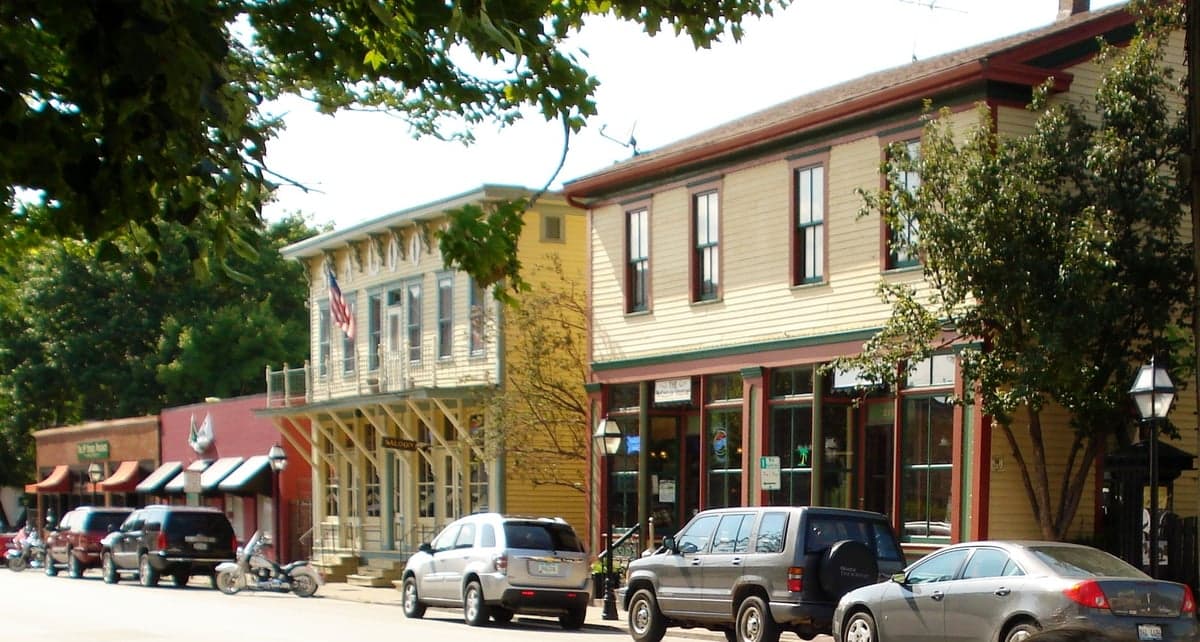
Photo: Wikipedia
Quality of Life in Davenport, IA
Above-average quality of iife. The area offers a reasonable cost of living, decent mobility, and a mix of neighborhood amenities.
What does Quality of Life tell us?
Quality of Life blends cost of living, nearby amenities, socioeconomic signals, and neighborhood character. City-level scores represent the whole municipality; individual neighborhoods can differ.
What does this tell us?
Quality of Life blends cost of living, nearby amenities, socioeconomic signals, and neighborhood character. City-level scores represent the whole municipality; individual neighborhoods can differ.
Cost of Living
29% below national average
The Real Cost of Living in Davenport, IA for 2026
| Tier | Individual | Family (4) |
|---|---|---|
| Survival | $15k | $28k |
| Comfortable | $32k | $47k |
| Luxury | $110k+ | $171k+ |
| Elite (Top 5%) | $130k+ | $201k+ |
139%
The Area Signal
A metric tracking the socioeconomic signals of the area.
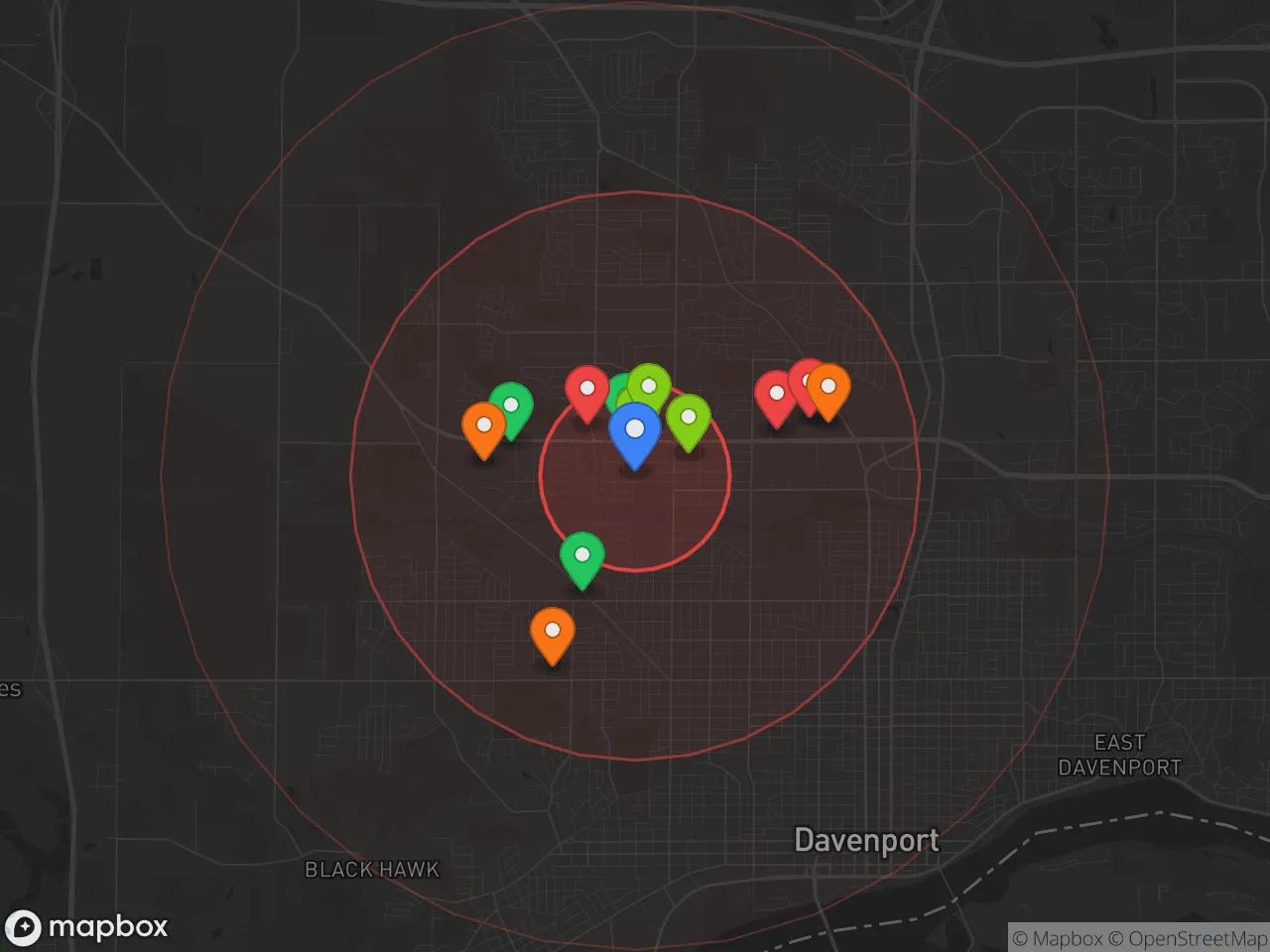
Hobbies
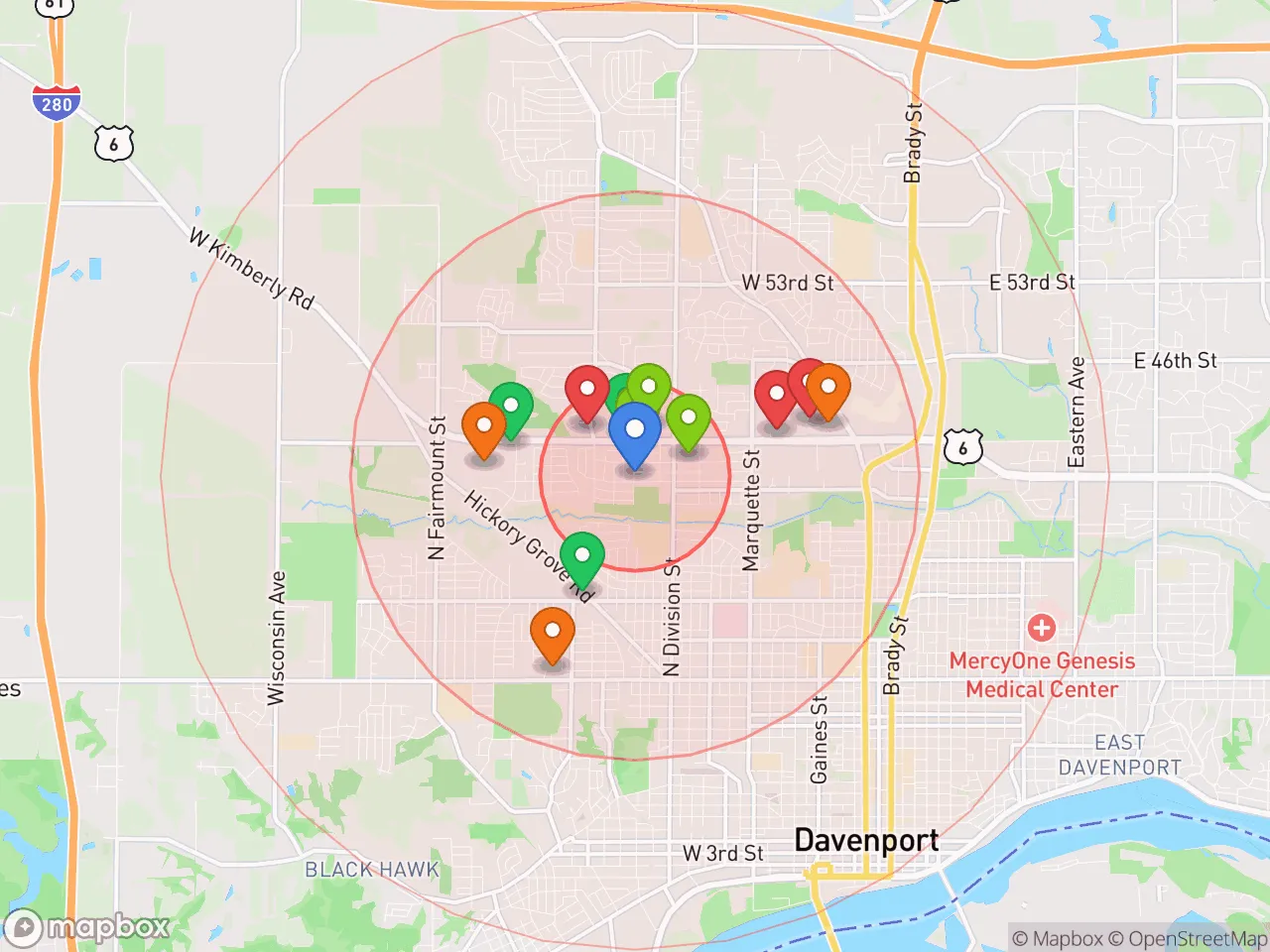
Explore the areaGroceries
5 within 10 miles
Gas
20 within 10 miles
Hospital
9 within 20 miles
Airport
ORD — O'Hare International
Post Office
USPS — Davenport, IA
Critical Amenities
Quality-of-Life Analysis
Davenport, Iowa, offers a notably affordable quality of life, with a cost of living index of 71—well below the national average of 100—making it one of the most budget-friendly mid-sized cities in the Midwest. The population is a mix of long-standing families, young professionals drawn to the Quad Cities’ growing healthcare and manufacturing sectors, and retirees seeking a lower cost of living without sacrificing urban amenities. Median household incomes hover around $52,000, reflecting a working- and middle-class character, while the city’s position on the Mississippi River provides a distinctive blend of industrial heritage and natural recreation.
Cost of living, housing affordability, and how Davenport compares to nearby cities
Davenport’s housing market is a primary driver of its low cost of living. The median home value sits at $162,900, roughly half the national median, while the median rent is $930 per month—significantly cheaper than in nearby larger metros like Chicago or Des Moines. Compared to its Quad Cities neighbor Bettendorf, Davenport homes are about 15-20% less expensive, though property taxes in Scott County average around 1.8% of assessed value, slightly higher than in rural Iowa counties. The average commute time of 18.7 minutes is well under the national average of 26 minutes, reducing transportation costs and giving residents more time at home. Utilities and groceries also run below national averages, with a typical monthly energy bill around $120 for a 1,000-square-foot apartment. For renters, the $930 median rent is affordable on a single income near the area’s median, though wages in retail and hospitality sectors can make saving for a down payment a longer process.
What daily life is like: schools, amenities, and the local rhythm
Daily life in Davenport centers on a manageable, car-dependent layout with walkable pockets downtown and along the riverfront. The Davenport Community School District serves over 14,000 students, with several elementary schools rated above average by the Iowa Department of Education, though high school graduation rates hover around 85%—slightly below the state average of 91%. For recreation, the city boasts over 50 parks, including the 400-acre Credit Island Park for biking and fishing, and the Figge Art Museum provides a cultural anchor. The local rhythm is slower than in larger cities; restaurants and shops along 2nd Street and the Village of East Davenport see steady foot traffic, but nightlife is modest. Healthcare is a major employment sector, with Genesis Health System and UnityPoint Health operating large facilities, ensuring residents have access to quality medical care without long waits. The Mississippi River defines the city’s character, with annual events like the Quad City Air Show and the Bix 7 road race drawing regional crowds.
Davenport is best suited for individuals and families who prioritize affordability and a relaxed pace over high-end dining or rapid career advancement. Young professionals in healthcare, manufacturing (notably John Deere and Arconic), or remote work will find the low housing costs and short commutes freeing, while retirees on fixed incomes can stretch savings further here than in most U.S. cities. Those seeking vibrant nightlife, elite public schools, or a fast-growing job market may find Davenport underwhelming, but for anyone wanting a stable, low-stress base with solid amenities and easy access to the outdoors, it delivers exceptional value.

Crime in Davenport, IA
Higher crime rates than 72% of comparable U.S. locations.
Violent CrimeViolent Crime Analysis
Property CrimeProperty Crime Analysis
Crime Analysis
Davenport, Iowa, reports a violent crime rate of 652 per 100,000 residents and a property crime rate of 3,178.8 per 100,000, placing it among the more dangerous cities in the Quad Cities metro area. These figures significantly exceed both the national average and the state of Iowa's averages, indicating a safety environment that demands careful consideration from potential residents. The city's crime challenges are compounded by its location within a larger metropolitan region that includes jurisdictions with progressive prosecutorial policies, a factor that can influence recidivism and overall public safety outcomes.
Crime in context
Davenport's violent crime rate of 652 per 100,000 is roughly 1.8 times the national average and more than double the Iowa state average of approximately 280 per 100,000. Property crime in Davenport, at 3,178.8 per 100,000, also runs well above the national benchmark of around 1,950 per 100,000. These statistics place Davenport in the bottom quartile of U.S. cities for safety, comparable to other mid-sized Midwestern industrial cities facing economic disinvestment. The Quad Cities region as a whole, which includes Moline and Rock Island in Illinois, has seen property crime rates that are elevated relative to smaller, non-metro Iowa communities.
What residents experience
Residents report that property crime—particularly vehicle break-ins, theft from porches, and residential burglary—is a routine concern, especially in denser neighborhoods near downtown and the riverfront. Violent crime, while less frequent, is concentrated in specific areas and often involves interpersonal disputes rather than random attacks on strangers. The presence of progressive district attorneys in nearby Illinois jurisdictions has been cited by local law enforcement as a contributing factor to a revolving-door justice system, where repeat offenders cycle through arrests and releases without meaningful consequences. This dynamic can erode community confidence and increase the sense of vulnerability among law-abiding residents.
Neighborhood-level variation
Safety conditions vary sharply across Davenport. The western neighborhoods, such as those near the Village of East Davenport and the McClellan Heights historic district, generally report lower crime rates and stronger community policing presence. In contrast, central and eastern areas—including parts of the 52801 and 52803 zip codes—experience higher concentrations of both violent and property offenses. Prospective renters and buyers should prioritize properties north of Locust Street and west of Brady Street for relatively lower crime exposure. The city's police department has implemented targeted patrols and community outreach programs, but the underlying socioeconomic factors—poverty, unemployment, and housing instability—remain persistent drivers of crime that no single initiative can quickly resolve.
* Values derived from national, state, county, city and local statistics and may differ in a specific area. Last updated: 2026-04-22T23:51:42.000Z
Narrative content on this page is AI-generated and may contain mistakes. Verify any details that matter before acting on them.
ReloMaps may earn a commission from affiliate links at no extra cost to you.

