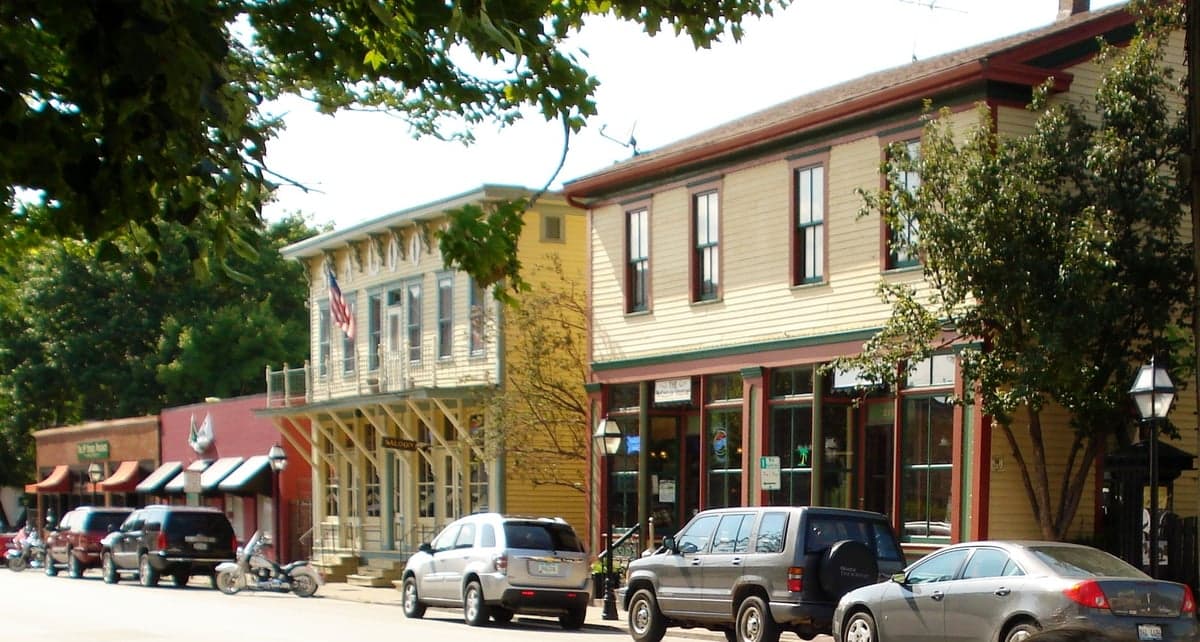
Photo: Wikipedia
Strategic Assessment of Davenport, IA
Meaningful friction. Expect exposure to either population pressure, blast zones, or natural disaster risk. Consider buying a retreat property.
What does the Strategic Assessment tell us?
Our Strategic Assessment grades tactical survivability of an area. Major population centers, military targets, fallout zones, natural disasters, and border exposure all drive risk — lower exposure means a more defensible position in a crisis.
This is heavily inspired by Joel Skousen's Strategic Relocation book. Highly recommended you checkout the book ($)What does this tell us?
Our Strategic Assessment grades tactical survivability of an area. Major population centers, military targets, fallout zones, natural disasters, and border exposure all drive risk — lower exposure means a more defensible position in a crisis.
This is heavily inspired by Joel Skousen's Strategic Relocation book. Highly recommended you checkout the book ($)Strategic Pillars

Key Distances
Regional Safe Places
Below is our recommended "safe zones" in Iowa and the surrounding area based on our strategic heuristics. For most people, it's unrealistic to live in a “safe zone” full-time due to work, family or other personal reasons. They tend to be more rural. However, many of these areas are perfect for second homes and retreat properties that double as a vacation home or even a short-term rental.
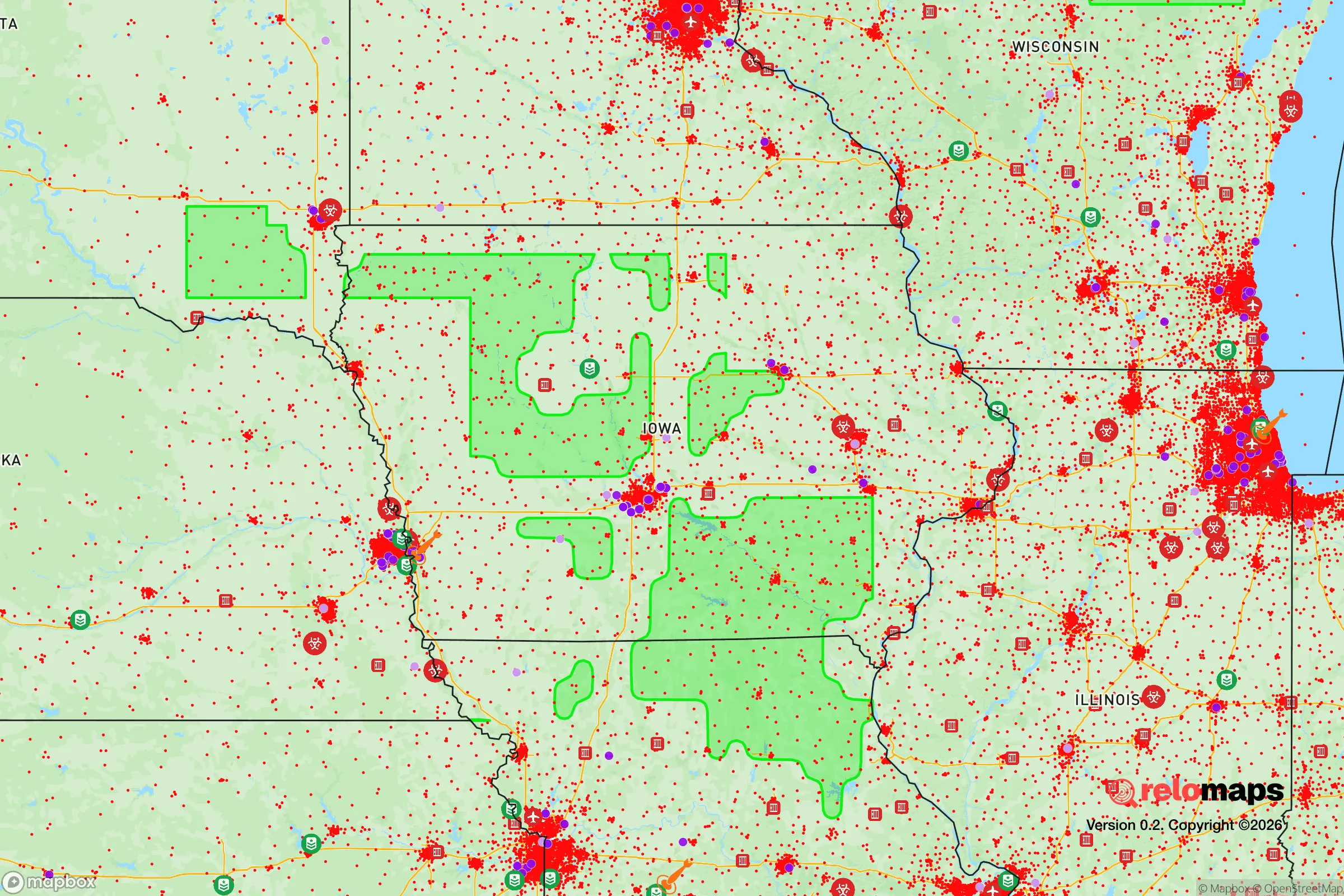
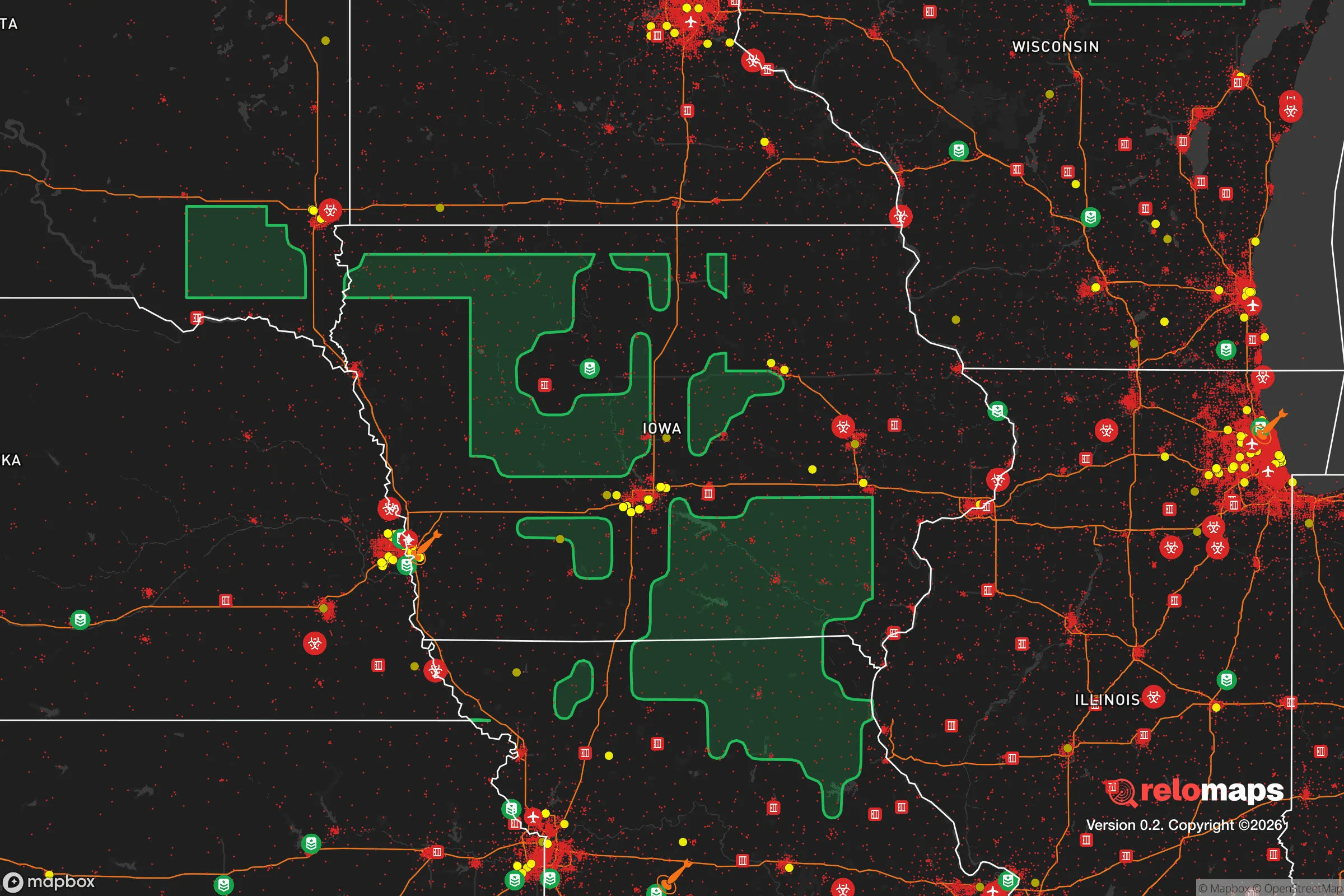


Important Note: For informational purposes only. This does not mean nothing bad ever happens in the green zones. Please use common sense. This is based on public data and modeled with AI. We tried to take a conservative approach but mistakes happen. We update this regularly as new information becomes available.
Solar Generator Recommendations
Backup power matters more here than in safer locations. We've picked three solar generators across budgets and capacity tiers — start with the budget unit if you only need a few essentials, or step up if you want to run a fridge and HVAC for days at a time.

Jackery Portable Power Station Explorer 300
Budget OptionPower on the Go: Weighing only 11 lbs, it's convenient to set up and store with book-sized foldable solar panels

BLUETTI Portable Power Station AC180
Designed for both indoor and outdoor scenarios, AC180 is highly capable as it has a robost capacity and continuous output power.

EF ECOFLOW DELTA Pro Ultra Power Station
Upgraded PickEcoFlow DELTA Pro Ultra is a whole-home energy system designed to grow with your family. Integrated with the Smart Home Panel 2, it scales to meet your evolving energy needs — keeping your home powered, intelligent, and secure through every stage of life.
We earn a commission, at no additional cost to you.
Strategic Assessment Analysis
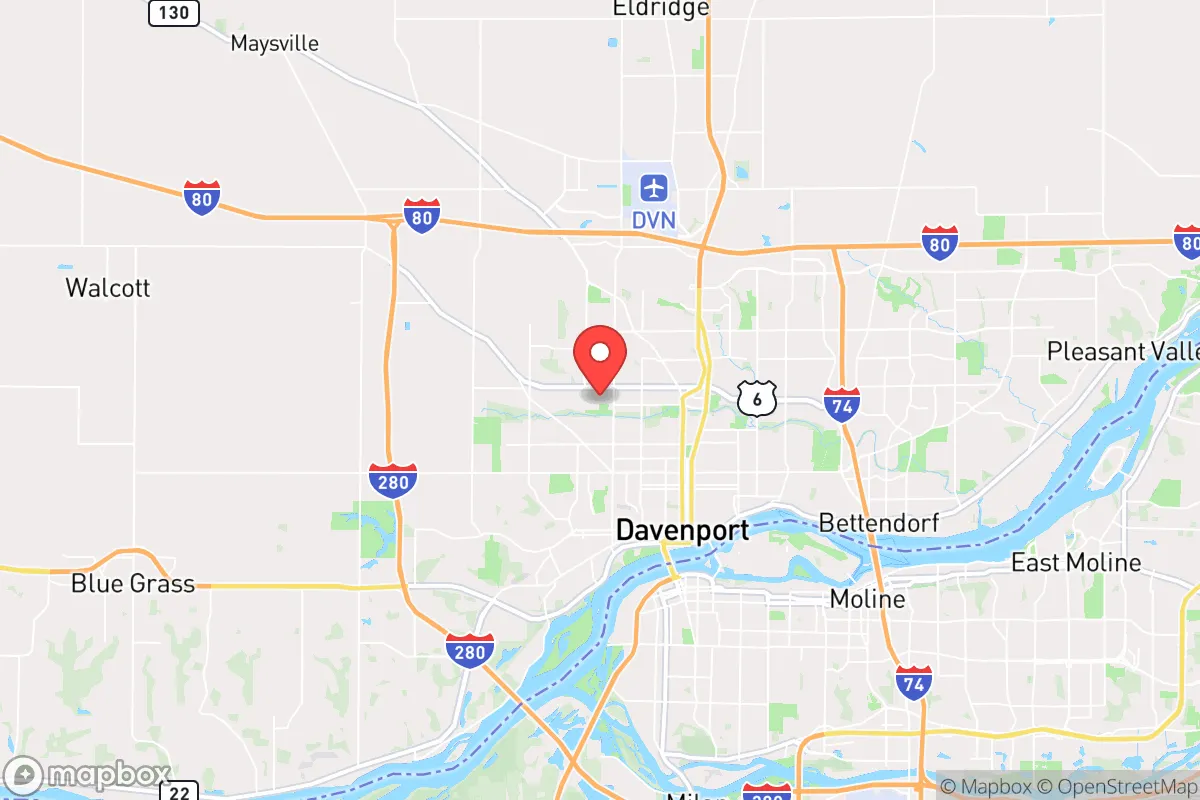
Davenport, Iowa, sits on the Mississippi River’s western bank, a position that offers a mix of genuine strategic advantages and notable vulnerabilities for a relocator thinking about long-term resilience. The Quad Cities metro area—Davenport, Bettendorf, Rock Island, and Moline—has a population around 380,000, making it large enough to support infrastructure but not so large that it becomes a primary target for civil unrest or fallout. The city’s industrial and agricultural base, anchored by John Deere and regional logistics hubs, gives it a working-class economic spine that tends to favor self-reliance and conservative values. For someone assessing this area through a prepper or survivalist lens, the key question is whether the Mississippi River corridor provides a defensible, resource-rich haven or simply a bigger bullseye on the map.
Geographic position and natural advantages for long-term security
Davenport’s location is a double-edged sword, but the edges are worth understanding. The Mississippi River is a massive natural barrier and a reliable water source, which is a huge plus for any long-term scenario. The city sits on the river’s west side, with Illinois directly across—meaning any threat from the east must cross one of the few bridges, which could be controlled or destroyed if needed. The surrounding terrain is mostly flat, fertile farmland, which is excellent for local food production but offers little in the way of natural cover or defensible high ground. The climate is continental, with cold winters and hot summers, so you’ll need to plan for heating fuel and winterization. The area is far from any major nuclear power plant—the closest is the Quad Cities Nuclear Power Station in Cordova, Illinois, about 30 miles northeast—which is a moderate risk but not a primary target. The real advantage is the distance from major population centers: Chicago is 160 miles east, Des Moines 170 miles west, and Minneapolis 260 miles north. That buffer means Davenport is unlikely to see the immediate chaos of a coastal or urban collapse, but it’s close enough to attract refugees or become a staging area for federal response.
Risks, exposures, and proximity to fallout-relevant landmarks
The biggest risk for Davenport is its position on the Mississippi River itself. In a major disaster—whether natural or man-made—the river could become a chokepoint for movement and a vector for contamination. Flooding is a recurring issue; the city has experienced major floods in 1993, 2008, and 2019, with the 2019 event causing over $1 billion in damages across the region. If you’re looking at property, avoid anything in the floodplain, which is extensive along both banks. More critically, the Quad Cities Nuclear Power Station is a concern. While it’s a boiling water reactor with a good safety record, any incident—accidental or targeted—could render the downwind areas uninhabitable for weeks or months. Davenport is generally upwind of the plant, but wind patterns shift, and the prevailing winds in this region are from the west and northwest, meaning fallout from a Cordova incident could drift toward the city. Additionally, the city’s industrial base includes chemical plants and rail yards that handle hazardous materials. The Interstate 80 and 74 corridors run through the area, and a major accident or attack on those bridges could paralyze the region. For a relocator, the proximity to these infrastructure nodes is a negative—you want to be far enough away that you’re not in the immediate blast or contamination zone, but close enough to monitor and respond. The city’s population density is moderate, but the metro area’s concentration of government buildings, hospitals, and transportation hubs makes it a plausible target for civil unrest or coordinated attacks. The 2020 protests in the Quad Cities were relatively small compared to larger cities, but they did occur, and the presence of the Rock Island Arsenal—a major military manufacturing and storage facility—adds another layer of risk. That facility is a potential target for sabotage or seizure, and its proximity to downtown Davenport (about 5 miles) means any incident there would directly affect the city.
Practical resilience for a relocator: food, water, energy, and defensibility
For someone serious about self-sufficiency, Davenport offers a mixed bag. The agricultural land surrounding the city is some of the most productive in the world, with corn and soybeans as the primary crops. If you can secure a property with acreage outside the city limits—say, in rural Scott County or across the river in Rock Island County—you have a solid foundation for food production. The local climate supports a growing season from April to October, and the soil is rich. Water is abundant from the Mississippi, but you’ll need filtration and treatment; the river carries agricultural runoff, industrial discharge, and upstream sewage. A well is a better bet, but groundwater quality varies. Energy is a concern: the grid is tied to the regional Midcontinent Independent System Operator (MISO) network, which has seen strain during extreme weather events. The 2021 Texas-style winter storm didn’t hit Iowa as hard, but the 2023 ice storms caused widespread outages. Solar is viable, but winter cloud cover reduces output; a backup generator with a fuel supply is essential. Defensibility is the weak point. The flat terrain means you can see threats coming from miles away, but it also means you have no natural cover. A rural property with a good perimeter, a well-stocked root cellar, and a reliable water source is your best bet. The local population is generally friendly and community-oriented, but the area has seen an uptick in drug-related crime and property theft, particularly in the urban core. The sheriff’s office in Scott County is well-regarded, but response times in rural areas can be 20-30 minutes. For a single individual or a family, the key is to establish a network of like-minded neighbors—there are active prepper and homesteading groups in the region, and the local gun culture is strong, with many residents owning firearms for hunting and defense. The state of Iowa has constitutional carry and a strong Second Amendment culture, which is a plus for those concerned about self-defense.
The overall strategic picture for Davenport is one of moderate resilience with significant caveats. It’s not a bug-out location—it’s too close to infrastructure and population centers for that—but it could serve as a viable relocation point if you’re willing to invest in rural property, build a self-sufficient homestead, and maintain a low profile. The area’s economic stability, agricultural base, and distance from major coastal targets give it a solid foundation. However, the flood risk, proximity to a nuclear plant, and vulnerability to river-based disruptions mean you need to plan carefully. For a conservative-leaning relocator who values community, self-reliance, and a slower pace of life, Davenport offers a realistic middle ground—not a fortress, but not a death trap either. The key is to buy land outside the floodplain, secure your water and energy, and build relationships with neighbors who share your mindset. The Quad Cities aren’t going to be the epicenter of a collapse, but they could be a place where you ride out the storm if you’re prepared.

* Values derived from national, state, county, city and local statistics and may differ in a specific area. Last updated: 2026-04-22T23:51:42.000Z
Narrative content on this page is AI-generated and may contain mistakes. Verify any details that matter before acting on them.
ReloMaps may earn a commission from affiliate links at no extra cost to you.

