Photo: Wikipedia
Find The Best Places To Live
in Newark
PRO TIP! You can paste a Zillow or Redfin link to get info on that property.
What It's Like Living in Newark, DE
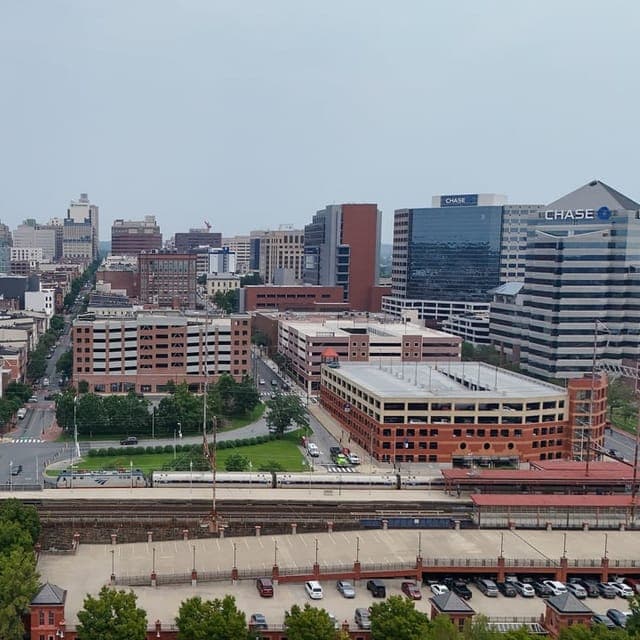
Newark, Delaware, is a college town that doesn’t feel like one—at least, not entirely. With the University of Delaware (UD) as its anchor, the city of 30,309 residents has a split personality: half bustling student hub, half quiet suburban enclave for families and professionals. The median age of 22 tells you the student presence is heavy, but the 57.5% college-educated population and median income of $71,373 hint at a stable, educated workforce that sticks around after graduation. The result is a place where you can grab a beer at a dive bar packed with undergrads on Main Street, then drive five minutes to a neighborhood where the biggest weekend event is a youth soccer game.
Daily Rhythm: Where Students and Families Collide
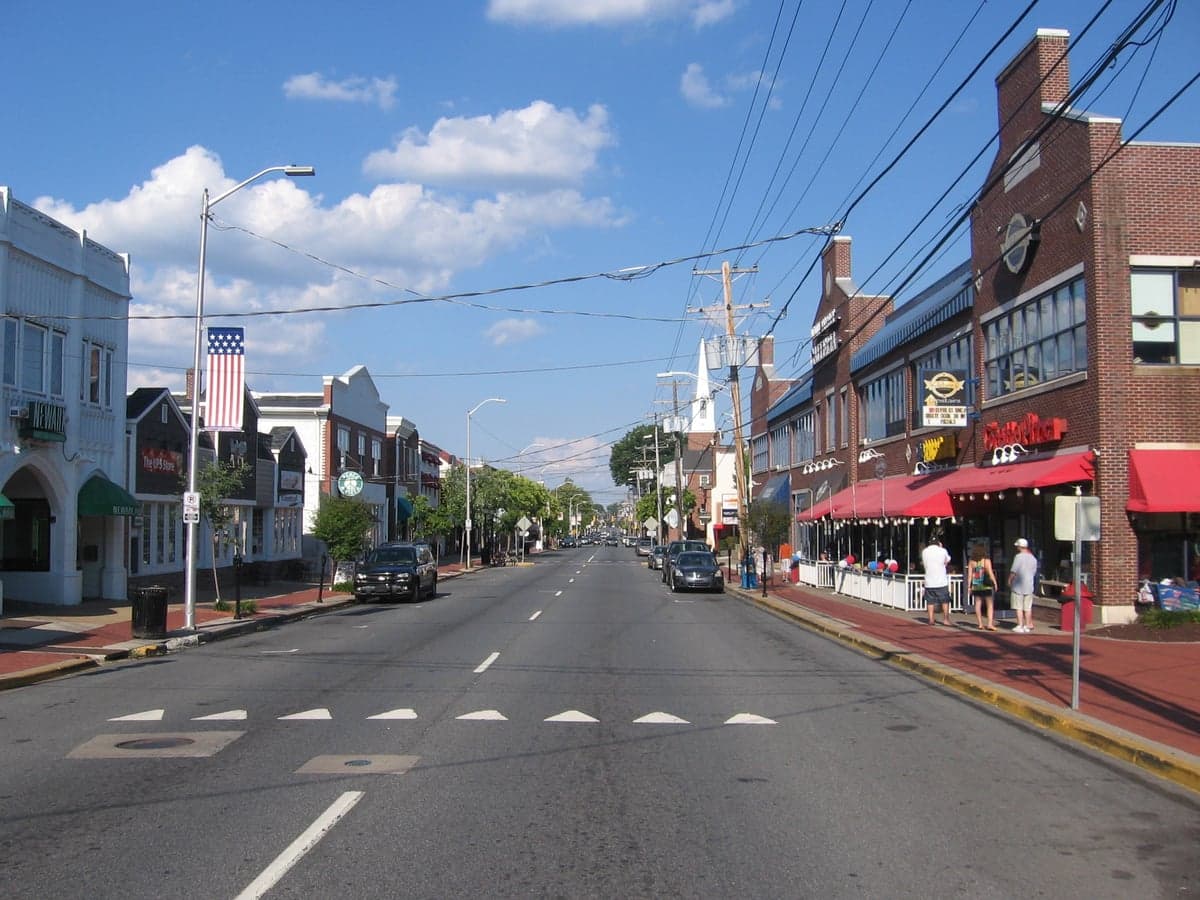
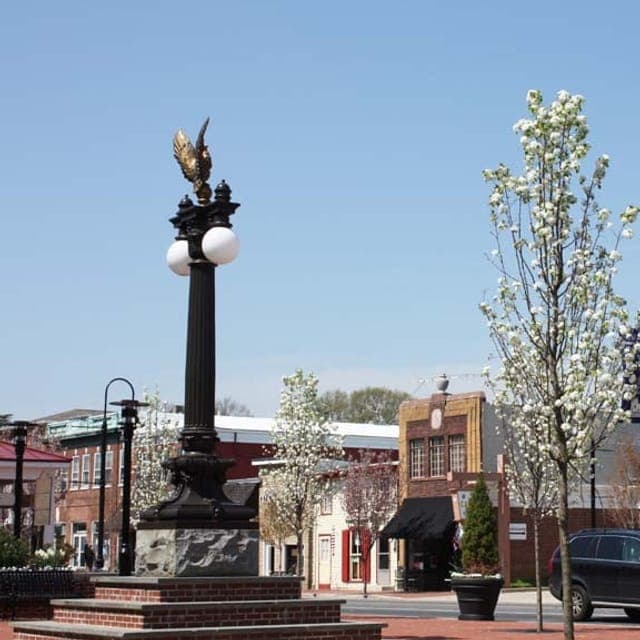
The pulse of Newark is Main Street, a stretch of brick sidewalks, independent coffee shops, and chain restaurants that feels like a smaller, less polished version of a New England college town. On a typical weekday, you’ll see UD students shuffling between classes at the Bob Carpenter Center or the Morris Library, while locals grab breakfast at Home Grown Café (known for its farm-to-table brunch) or Klondike Kate’s, a legendary saloon-style bar that’s been serving burgers and beer since 197稙. The Newark Farmers Market (Saturdays, April–November) draws a mix of students, young families, and retirees buying local produce and baked goods.
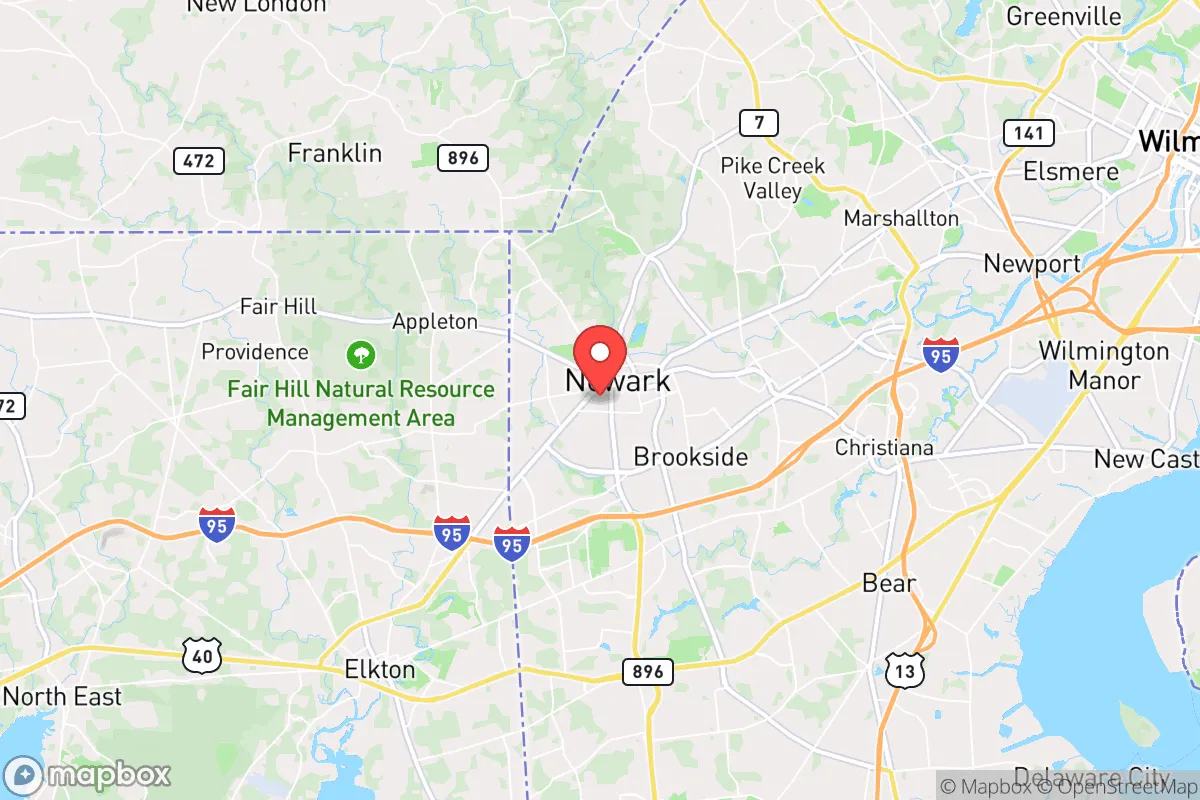
But the real daily life for most non-students happens in the neighborhoods east of Delaware Route 896 or south of Paper Mill Road. These are subdivisions of single-family homes—many built in the 1990s and 2000s—with median home values around $357,600, which is steep for Delaware but affordable compared to nearby Philadelphia suburbs. The average commute of just under 20 minutes is a genuine perk: most residents work at UD, the Christiana Care Health System (a major employer), or in Wilmington’s financial sector, 15 minutes north. Traffic on I-95 during rush hour can back up, but it’s nothing like the gridlock in northern Virginia or New Jersey.
Sports & Community: Blue Hens Fever and Friday Night Lights
Sports here are a big deal—specifically, University of Delaware Blue Hens football and basketball. The football team plays at Delaware Stadium (capacity: 22,000), and on fall Saturdays, the town empties out for games. Tailgating is a serious tradition, with families and alumni grilling in the parking lots hours before kickoff. The Blue Hens’ rivalry with Villanova and James Madison (before JMU moved to FBS) still draws passionate crowds. Basketball season at the Bob Carpenter Center is less intense but still draws solid attendance, especially when the women’s team—a consistent CAA contender—is playing.
High school sports are a quieter affair. Newark High School (home of the Yellowjackets) has competitive football and lacrosse teams, but the real energy is in youth leagues—soccer, baseball, and basketball—that fill the White Clay Creek State Park fields on weekends. The park itself is a gem: 3,600 acres of hiking and biking trails, fishing spots, and the Newark Reservoir, a popular walking loop. For a town of 30,000, the outdoor access is exceptional—you can be on a wooded trail within 10 minutes of downtown.
What’s There to Do: Festivals, Bars, and Quirky Traditions
Newark’s social scene revolves around a few annual events. The Newark Community Day (September) is a classic small-town fair with carnival rides, live music, and a parade. The Newark Film Festival (April) screens indie films at the Roselle Center for the Arts. And the Newark Halloween Parade (October) is a beloved tradition—one of the oldest in the region, with floats and costumed kids lining Main Street.
For nightlife, the options are student-heavy but not exclusively so. Deer Park Tavern (est. 1851) is a historic bar where Edgar Allan Poe supposedly drank—it’s a mix of undergrads and locals, especially during trivia nights. Two Stones Pub (on Main Street) draws an older crowd with craft beer and gastropub food. If you want quieter, Brewed Awakenings is a coffeehouse that doubles as a live music venue for acoustic acts.
One cultural quirk: Newark has a “town-gown” tension that’s common in college towns. Longtime residents grumble about student parties on South College Avenue and the annual “Slackfest” (a UD tradition of slacklining and drinking in the park). But the university also brings cultural events—lectures, concerts, and the UD Master Players concert series—that would be absent in a town this size otherwise.
Pros and Cons of Living Here
Let’s be honest about the trade-offs. On the plus side:
- Walkable downtown with real character—Main Street has independent shops, not just chains.
- Short commute (under 20 minutes average) and easy access to I-95 for Philadelphia (45 minutes) or Baltimore (1 hour).
- Strong schools—the Christina School District is mixed, but Newark’s elementary schools (like Meadowood and West Park Place) are well-regarded, and Newark Charter School is a popular alternative.
- Low violent crime compared to nearby Wilmington—the rate of 288.7 per 100K is higher than the national average but concentrated in specific areas near campus; most neighborhoods feel safe.
On the downside:
- Cost of living index of 134 (34% above the US average) is driven by housing—renting a one-bedroom near campus can run $1,500+.
- Student population dominates—if you’re over 30 and not affiliated with UD, you may feel like an outsider, especially during move-in weekend (August) or graduation (May), when the town is overrun.
- Limited nightlife for non-students—after 10 p.m., Main Street is mostly undergrads; the “grown-up” options are few.
- Weather—winters are gray and damp (average January high of 40°F), with occasional snow that shuts down the town for a day. Summers are humid and hot (July highs around 86°F), but the park trails offer shade.
Newark works best for people who want a small-town feel with big-city access, don’t mind the college energy, and value a walkable downtown and outdoor recreation. It’s less ideal if you’re looking for a quiet, retiree-style suburb or a vibrant cultural scene beyond what a mid-major university provides. The median income of $71,373 stretches further here than in the Philadelphia suburbs, but the housing market is competitive—homes under $350,000 often sell within days. If you’re a single professional or a parent who wants good schools and a 20-minute commute, Newark is a solid bet. Just be ready to share your town with 20,000 undergrads every fall.

Similar towns to Newark
* Values derived from national, state, county, city and local statistics and may differ in a specific area. Last updated: 2026-04-29T23:51:10.000Z
Narrative content on this page is AI-generated and may contain mistakes. Verify any details that matter before acting on them.
ReloMaps may earn a commission from affiliate links at no extra cost to you.

