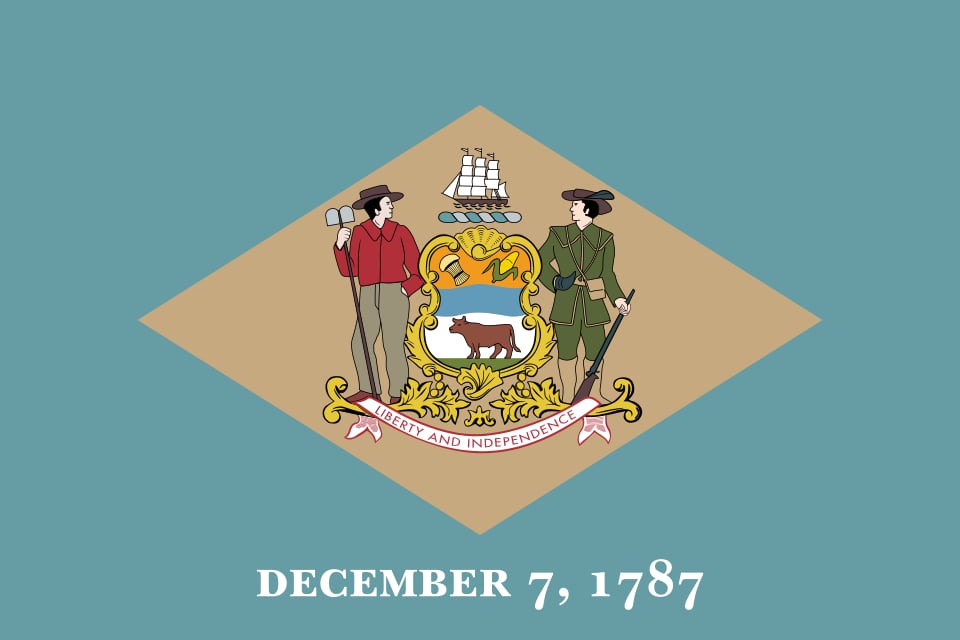
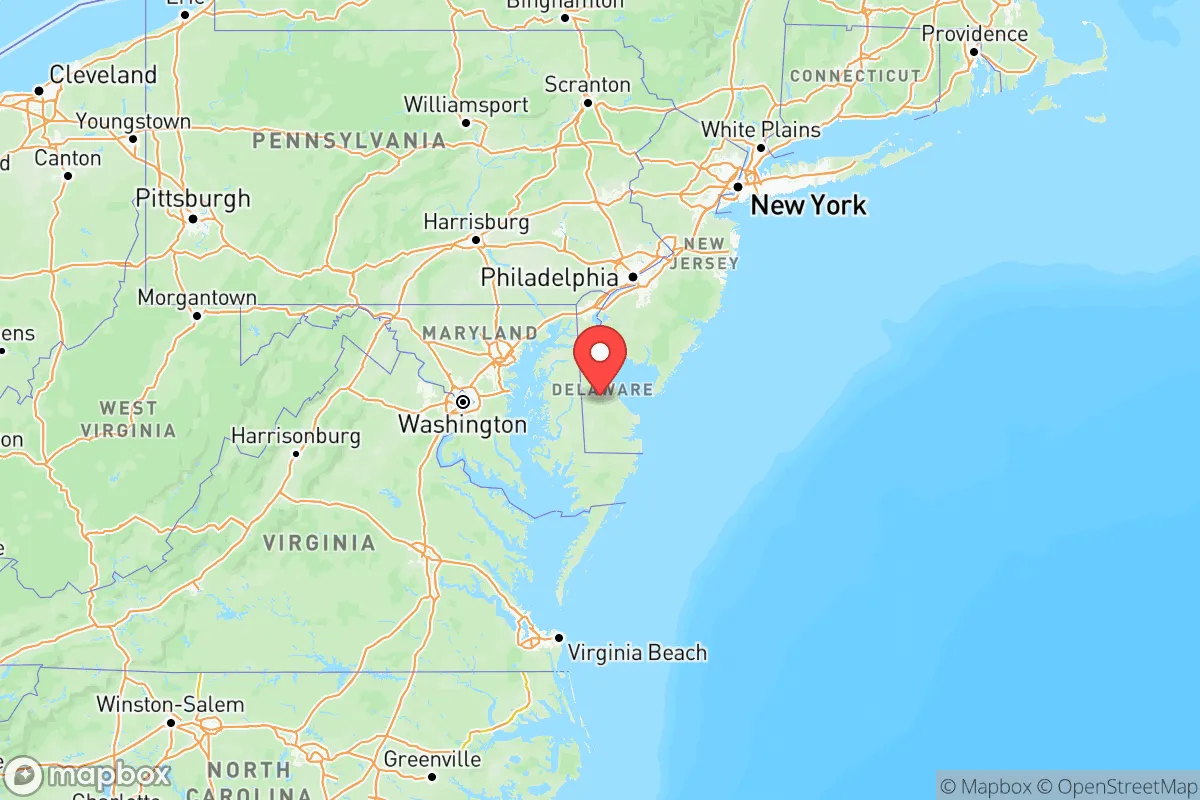
Photo: Wikipedia
Demographics of Delaware
Affluence Level in Delaware
A middle-class area roughly in line with national averages across income, home values, education, and employment.
People of Delaware
Delaware’s 1,005,872 residents form a compact, densely populated state that blends historic Eastern Seaboard character with modern suburban growth. The state is notably diverse, with a white population of 59.0%, a significant Black community at 21.4%, a growing Hispanic population of 10.7%, and smaller but distinct East/Southeast Asian (1.9%) and Indian subcontinent (2.2%) groups. Despite its small size, Delaware’s population is split between the urbanized, industrial north around Wilmington and the more rural, agricultural south, creating a unique cultural and political divide within a single state.
Settlement & growth (pre-1960)
Long before European arrival, the land now called Delaware was home to the Lenape (also known as the Delaware) people in the north and the Nanticoke in the south. These Algonquian-speaking nations lived in small, dispersed villages, relying on fishing, hunting, and agriculture along the Delaware River and Atlantic coast. Their population was severely reduced by disease and displacement following European contact, with the Lenape gradually pushed westward by colonial expansion.
The first European settlers were the Dutch, who established a short-lived trading post at Zwaanendael (near present-day Lewes) in 1631, but it was destroyed by the Lenape. The Swedes followed, founding the colony of New Sweden in 1638 at Wilmington (then called Fort Christina). These early Scandinavian settlers were farmers and fur traders, and their influence lingers in place names and a few architectural remnants. The Dutch conquered the colony in 1655, only to lose it to the English in 1664. Under English rule, Delaware became part of the Penn family’s holdings, though it maintained a separate assembly.
The 18th century saw a wave of English and Scots-Irish settlers moving down from Pennsylvania and Maryland. The Scots-Irish, in particular, were drawn by cheap land and religious freedom, settling in the interior of New Castle County and in the central part of the state around Dover. They were largely small farmers and tradesmen. At the same time, the plantation economy of the lower counties (now Kent and Sussex) relied heavily on enslaved African labor, brought primarily from the Chesapeake region. By the time of the American Revolution, Delaware had a substantial Black population, mostly enslaved, concentrated in the agricultural south around Georgetown and Seaford.
The 19th century brought industrialization to northern Delaware. The DuPont family, French immigrants who arrived in 1800, established a gunpowder mill on the Brandywine Creek near Wilmington, which grew into a global chemical empire. This drew waves of Irish immigrants in the 1840s and 1850s to work in the mills and on the railroad, followed by Italian and Polish immigrants in the late 19th and early 20th centuries. These groups settled in ethnic neighborhoods in Wilmington, such as the city’s Little Italy and the Polish enclave around St. Hedwig’s Church. Meanwhile, the state’s Black population, though legally free after the Civil War, remained largely rural and impoverished in the south, with many working as sharecroppers or laborers.
The Great Migration (1910-1970) saw tens of thousands of Black Americans leave the rural South for industrial jobs in the North. Delaware, with its proximity to Philadelphia and its own manufacturing base, was a destination. Many settled in Wilmington and its suburbs, transforming the city’s racial composition. By 1960, Wilmington was nearly 40% Black, a dramatic shift from its pre-war demographics. The state’s overall population grew steadily, reaching 446,292 by 1960, but remained heavily concentrated in New Castle County.
Modern era (post-1965)
The 1965 Hart-Cellar Act fundamentally reshaped Delaware’s demographics, though the effects were slower and more muted than in larger states. The state’s foreign-born population remains relatively low at 4.8%, but its composition has diversified. The most significant post-1965 immigrant group has been Hispanic, primarily from Mexico and Central America, who began arriving in the 1980s and 1990s. They were drawn by jobs in agriculture (especially poultry processing in Sussex County), construction, and landscaping. Today, the Hispanic population stands at 10.7%, with the largest concentrations in Georgetown and Millsboro in Sussex County, where they form a visible and growing community, and in the urban neighborhoods of Wilmington.
East/Southeast Asian immigration has been smaller but notable. A community of Chinese and Korean immigrants, many working in the chemical and pharmaceutical industries, has settled in the suburbs of northern New Castle County, particularly around Newark and Hockessin. The Indian subcontinent population, at 2.2%, is similarly concentrated in these same professional suburbs, drawn by jobs in finance, healthcare, and technology. These groups are highly educated and have integrated into the region’s middle and upper-middle class.
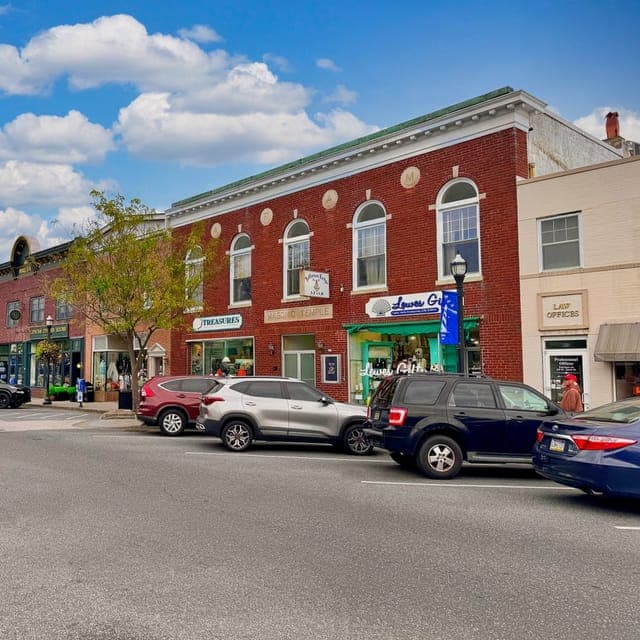
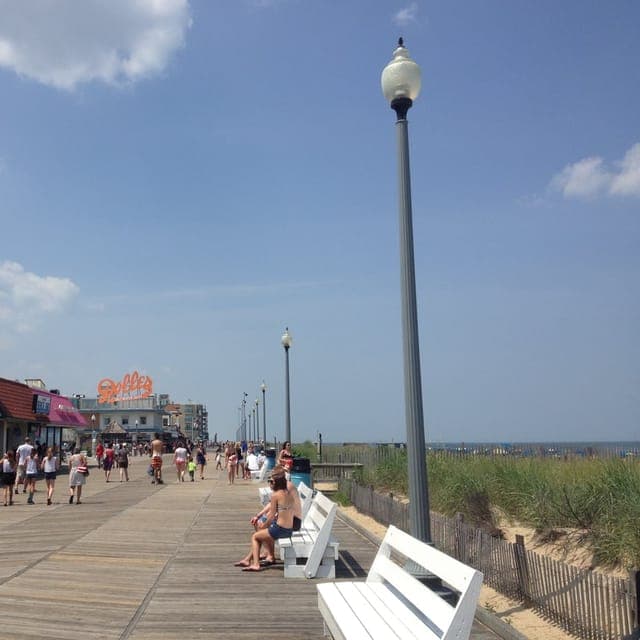
Domestic migration has been equally transformative. Since the 1970s, Delaware has experienced steady in-migration from the Rust Belt and the Northeast Corridor, particularly from Pennsylvania, New Jersey, and New York. Retirees and second-home buyers have flocked to the coastal areas, especially the beach towns of Rehoboth Beach, Bethany Beach, and Lewes, driving rapid population growth in Sussex County. This wave is predominantly white and affluent, and has shifted the state’s political balance, making the once-solidly Democratic southern counties more competitive. Suburbanization has also been a major force, with the population of New Castle County spreading outward from Wilmington into sprawling developments in Middletown and Bear, areas that have seen explosive growth since the 1990s.
The future
Delaware’s population is projected to continue growing, driven by domestic in-migration from the Northeast and a modest but steady influx of immigrants. The state is not homogenizing; rather, it is tribalizing into distinct geographic and cultural zones. The northern suburbs are becoming more diverse, with a mix of white professionals, Black families, and Asian and Indian immigrants, while the coastal areas are becoming whiter and more affluent as they attract retirees. The southern agricultural areas are seeing a growing Hispanic population, which is beginning to reshape local politics and culture, though it remains largely separate from the older, white, rural population.
The Hispanic community is growing and will likely continue to do so, driven by both immigration and higher birth rates. East/Southeast Asian and Indian communities are stable and assimilating into the professional class, with their children attending the state’s top universities and entering white-collar careers. The Black population, concentrated in Wilmington and a few southern towns, is plateauing, with some out-migration to the suburbs. The state’s cultural identity is being pulled in two directions: the north is becoming more cosmopolitan and liberal, while the south remains more traditional and conservative. This divide is likely to deepen.
For someone moving in now, Delaware offers a choice. The northern suburbs provide proximity to Philadelphia, diverse communities, and strong schools, but at a higher cost of living. The coastal areas offer a relaxed, resort-oriented lifestyle, but are increasingly expensive and seasonal. The southern interior remains affordable and rural, but is less diverse and offers fewer amenities. The state’s small size means that no matter where you settle, you are never far from the other Delaware—a fact that both unifies and divides its people.

Most Diverse Cities in Delaware
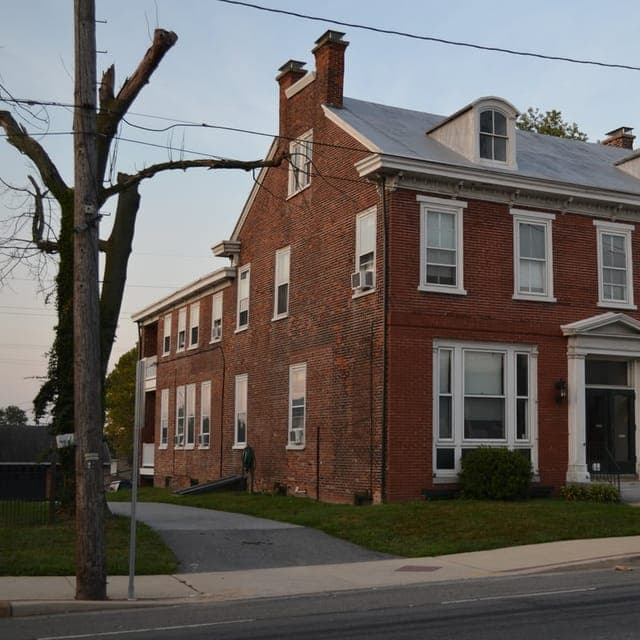
Most Homogenous Cities in Delaware
* Values derived from national, state, county, city and local statistics and may differ in a specific area. Last updated: 2026-04-18T22:17:47.000Z
Narrative content on this page is AI-generated and may contain mistakes. Verify any details that matter before acting on them.
ReloMaps may earn a commission from affiliate links at no extra cost to you.

