
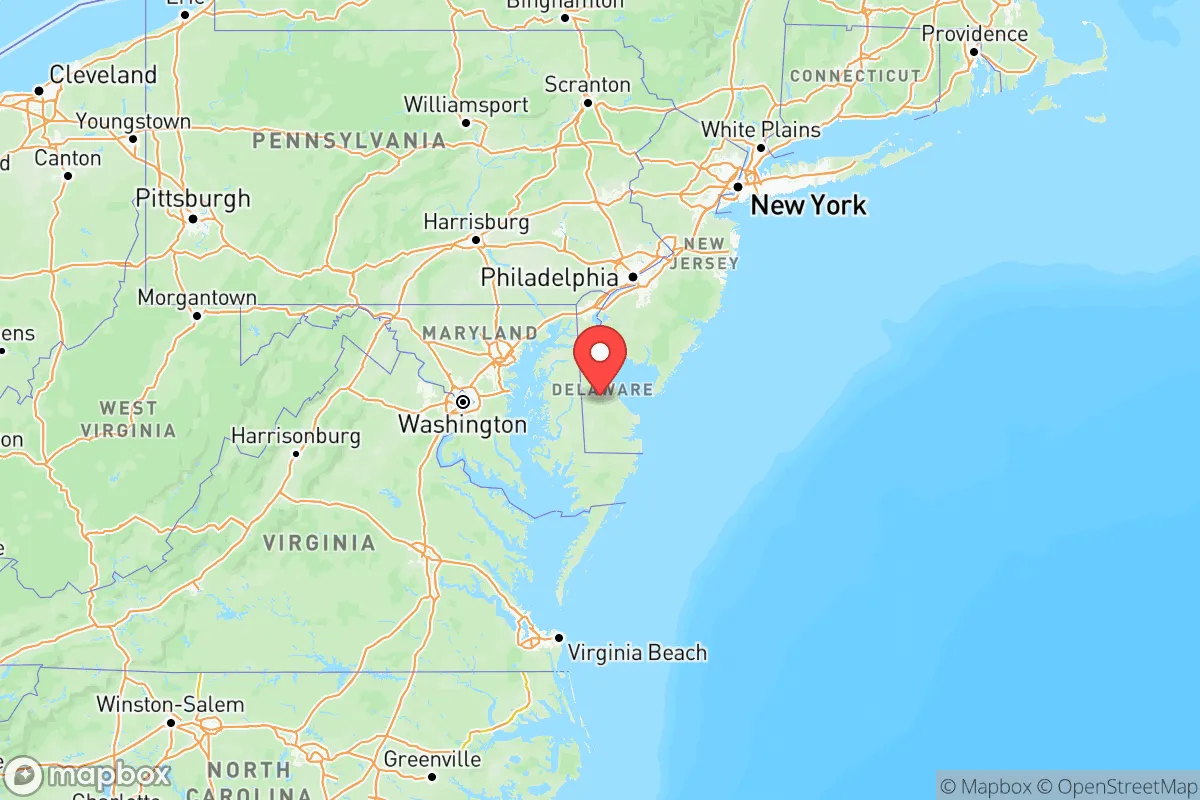
Photo: Wikipedia
Personal Sovereignty in Delaware
Viable for self-reliance. Generally workable, though some barriers may limit total independence.
What does Personal Sovereignty tell us?
Personal Sovereignty measures your capacity for self-reliance and independence with minimal government friction. Higher scores mean fewer barriers between you and the way you want to live... but it assumes you have the space you need and good neighbors.
What does this tell us?
Personal Sovereignty measures your capacity for self-reliance and independence with minimal government friction. Higher scores mean fewer barriers between you and the way you want to live... but it assumes you have the space you need and good neighbors.
State Policy
Energy independence: Importer (2% of energy produced in-state)
Personal Liberty
Homesteading

Personal Liberty Analysis
Delaware presents a deeply contradictory environment for personal sovereignty, where the state’s small size and dense population create a regulatory footprint that feels far more intrusive than its rural landscapes might suggest. For a conservative-leaning individual or family prioritizing autonomy—whether through self-defense, financial independence, or off-grid living—the First State offers pockets of relative freedom in its southern counties, but the overall trajectory leans toward centralized control, particularly in the northern corridor from Wilmington to Newark. The balance of power between state-level mandates and local discretion is heavily tilted toward Dover, meaning your personal sovereignty in Delaware is largely defined by how far you live from the state capital and the coastal resort towns that drive progressive policy.
Tax burden and regulatory posture: how Delaware’s corporate-friendly image masks a high personal cost
Delaware’s reputation as a tax haven for corporations—over 66% of Fortune 500 companies are incorporated here—does not extend to individuals. The state imposes a progressive income tax with rates from 2.2% to 6.6%, and while there is no state or local sales tax, the property tax burden is moderate but rising. For a prepper or homesteader, the real sovereignty hit comes from regulatory costs: Delaware’s environmental and land-use regulations are among the most stringent on the East Coast, particularly in New Castle County, where zoning boards in towns like Newark and Middletown routinely deny permits for alternative energy systems or rainwater collection. In contrast, Sussex County—home to Georgetown and Millsboro—offers more lenient building codes and lower property taxes, making it the preferred destination for those seeking to minimize government overhead on their land. The state’s business-friendly franchise tax structure is a double-edged sword: it attracts employers but also funds a regulatory apparatus that scrutinizes everything from septic system designs to home-based businesses, creating a climate where personal economic autonomy is constantly mediated by state approval.
Self-defense and gun law specifics: Delaware’s shift from a shall-issue to a may-issue reality
Delaware’s gun laws have tightened significantly since 2022, eroding what was once a relatively straightforward self-defense environment. The state now requires a permit to purchase a handgun, mandates a 10-day waiting period, and bans so-called assault weapons and magazines over 17 rounds. For the survivalist mindset, the most concerning change is the shift in concealed carry: while Delaware is technically a shall-issue state for permits, the new training requirements (including live-fire qualification) and the state’s broad “sensitive places” restrictions—which include parks, public transit, and any private property without explicit signage—create a de facto may-issue atmosphere in practice. In Dover and Wilmington, local law enforcement is known to be more restrictive with permit approvals, while rural Seaford and Laurel in Sussex County maintain a gun-friendly culture where open carry is still common and sheriff’s offices are more accommodating. Stand-your-ground laws do not exist in Delaware; the state imposes a duty to retreat in public spaces, which fundamentally alters the calculus for home defense. For those prioritizing Second Amendment sovereignty, the southern tip of the state near Selbyville offers the closest approximation of a free environment, but the legal landscape is trending uniformly toward restriction regardless of location.
Self-reliance and homesteading viability: lot sizes, zoning, and off-grid feasibility across Delaware’s counties
Delaware’s small geographic size—only 96 miles long—means that true rural isolation is difficult to achieve, but homesteading viability varies dramatically by county. In New Castle County, minimum lot sizes in agricultural zones are typically 2-3 acres, but zoning codes in towns like Middletown and Odessa prohibit off-grid systems such as composting toilets, solar arrays exceeding 10 kW, and rainwater harvesting for potable use without extensive permitting. Kent County, centered around Dover, offers slightly more flexibility with 1-acre minimums in rural districts and fewer restrictions on backyard chickens and small livestock, but the state’s well and septic regulations still require professional installation and annual inspections. Sussex County is the clear winner for self-reliance: areas near Millsboro and Georgetown allow 5-acre minimums in agricultural-residential zones, and the county’s building code explicitly permits off-grid solar with net metering, though battery storage is still subject to fire code reviews. The feasibility of complete off-grid living—no utility connections, no municipal water—is legally questionable statewide because Delaware’s health code mandates connection to public sewer where available, and the state’s coastal aquifer protection rules limit private well drilling in many areas. For the serious prepper, the best strategy is to target unincorporated Sussex County parcels of 10+ acres, where zoning enforcement is lax and neighbors are far enough apart that county inspectors rarely visit.
Personal liberties: parental rights, medical autonomy, speech, and property in Delaware’s legal landscape
Delaware’s record on parental rights is mixed, with the state mandating comprehensive sex education in public schools and allowing minors to consent to certain medical treatments without parental notification—a red flag for conservative families. The state’s medical autonomy environment is constrained by strict vaccine mandates for school attendance and a lack of religious or philosophical exemptions, which directly impacts homeschooling families who may still need to interact with the public health system. On property rights, Delaware’s use of eminent domain for economic development is aggressive, particularly in Wilmington and along the I-95 corridor, where the state has seized land for corporate campuses and transit projects. Free speech protections are generally robust, but the state’s hate crime statutes and social media monitoring programs in schools have raised concerns about viewpoint discrimination, especially in New Castle County districts. For those seeking to maximize personal liberties, the southern counties offer a more hands-off approach: Georgetown and Seaford have school boards that resist state curriculum mandates, and property tax rates are low enough that homeowners can afford legal challenges to zoning overreach. However, the state’s preemption laws limit local control on most issues, meaning Dover’s progressive tilt ultimately overrides local conservative preferences on everything from gun storage requirements to rental property regulations.
Overall, Delaware ranks as a middling-to-poor choice for personal sovereignty compared to states like Texas, Idaho, or New Hampshire, where county-level autonomy and constitutional carry create a more permissive environment. The state’s small size and dense regulatory framework mean that even in the most rural corners of Sussex County, you are never more than an hour from state enforcement agencies that can shut down a homestead or revoke a permit. For the strategic relocator with a survivalist mindset, Delaware offers a trade-off: proximity to East Coast markets and a low sales tax burden, but at the cost of constant bureaucratic oversight and a legal system that prioritizes collective safety over individual liberty. If you must be in the Mid-Atlantic, target the area south of the Chesapeake & Delaware Canal, specifically the unincorporated stretches near Millsboro and Laurel, and be prepared to invest in legal counsel as much as in solar panels and water storage. The state’s trajectory is toward more control, not less, and the window for establishing true personal sovereignty here is narrowing with each legislative session.

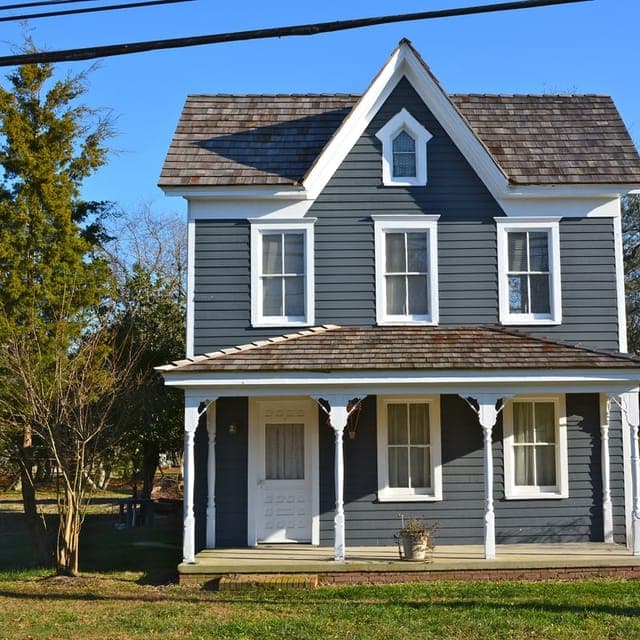
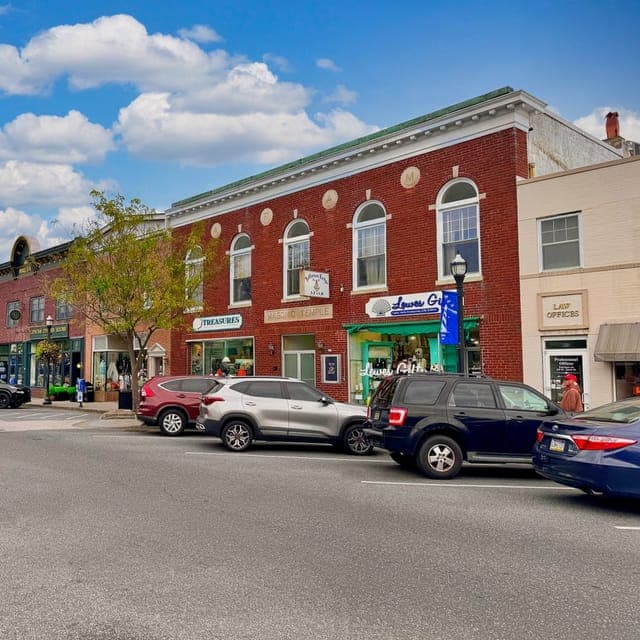
Top Cities for Personal Sovereignty in Delaware



* Values derived from national, state, county, city and local statistics and may differ in a specific area. Last updated: 2026-04-18T22:17:47.000Z
Narrative content on this page is AI-generated and may contain mistakes. Verify any details that matter before acting on them.
ReloMaps may earn a commission from affiliate links at no extra cost to you.

