 Popular
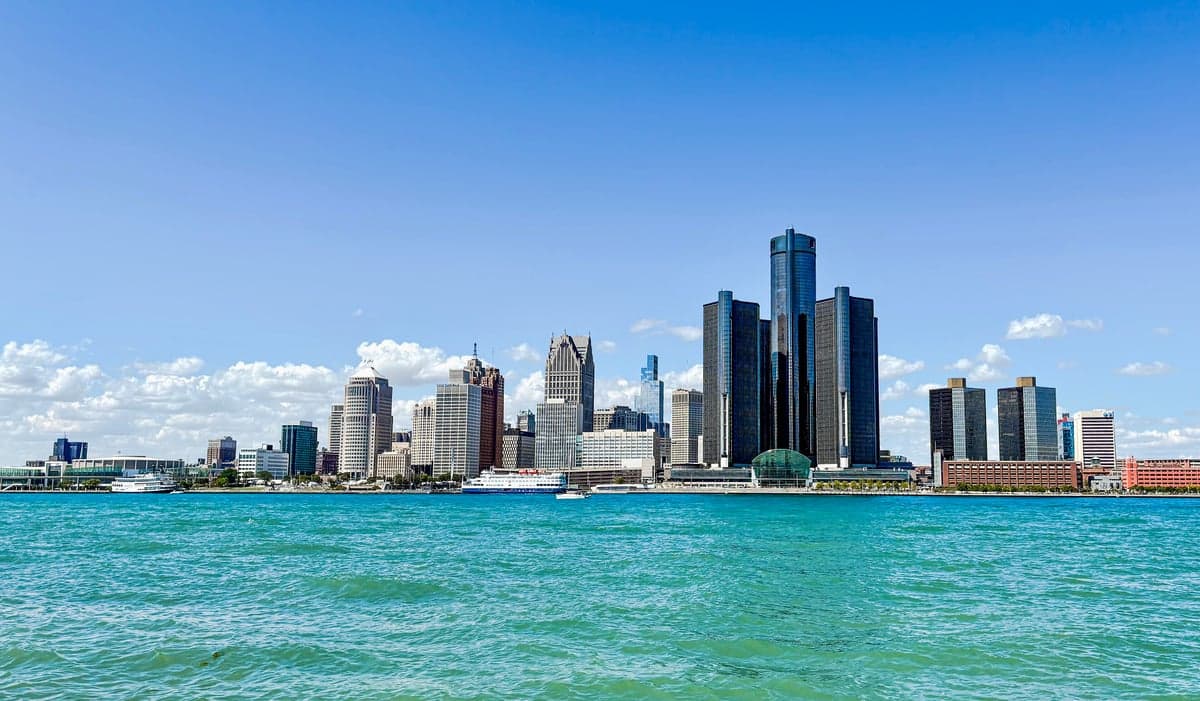
Photo: Wikipedia
Quality of Life in Detroit, MI
Above-average quality of iife. The area offers a reasonable cost of living, decent mobility, and a mix of neighborhood amenities.
What does Quality of Life tell us?
Quality of Life blends cost of living, nearby amenities, socioeconomic signals, and neighborhood character. City-level scores represent the whole municipality; individual neighborhoods can differ.
What does this tell us?
Quality of Life blends cost of living, nearby amenities, socioeconomic signals, and neighborhood character. City-level scores represent the whole municipality; individual neighborhoods can differ.
Cost of Living
36% below national average
The Real Cost of Living in Detroit, MI for 2026
| Tier | Individual | Family (4) |
|---|---|---|
| Survival | $17k | $31k |
| Comfortable | $26k | $39k |
| Luxury | $71k+ | $111k+ |
| Elite (Top 5%) | $97k+ | $151k+ |
103%
The Area Signal
A metric tracking the socioeconomic signals of the area.
Hobbies
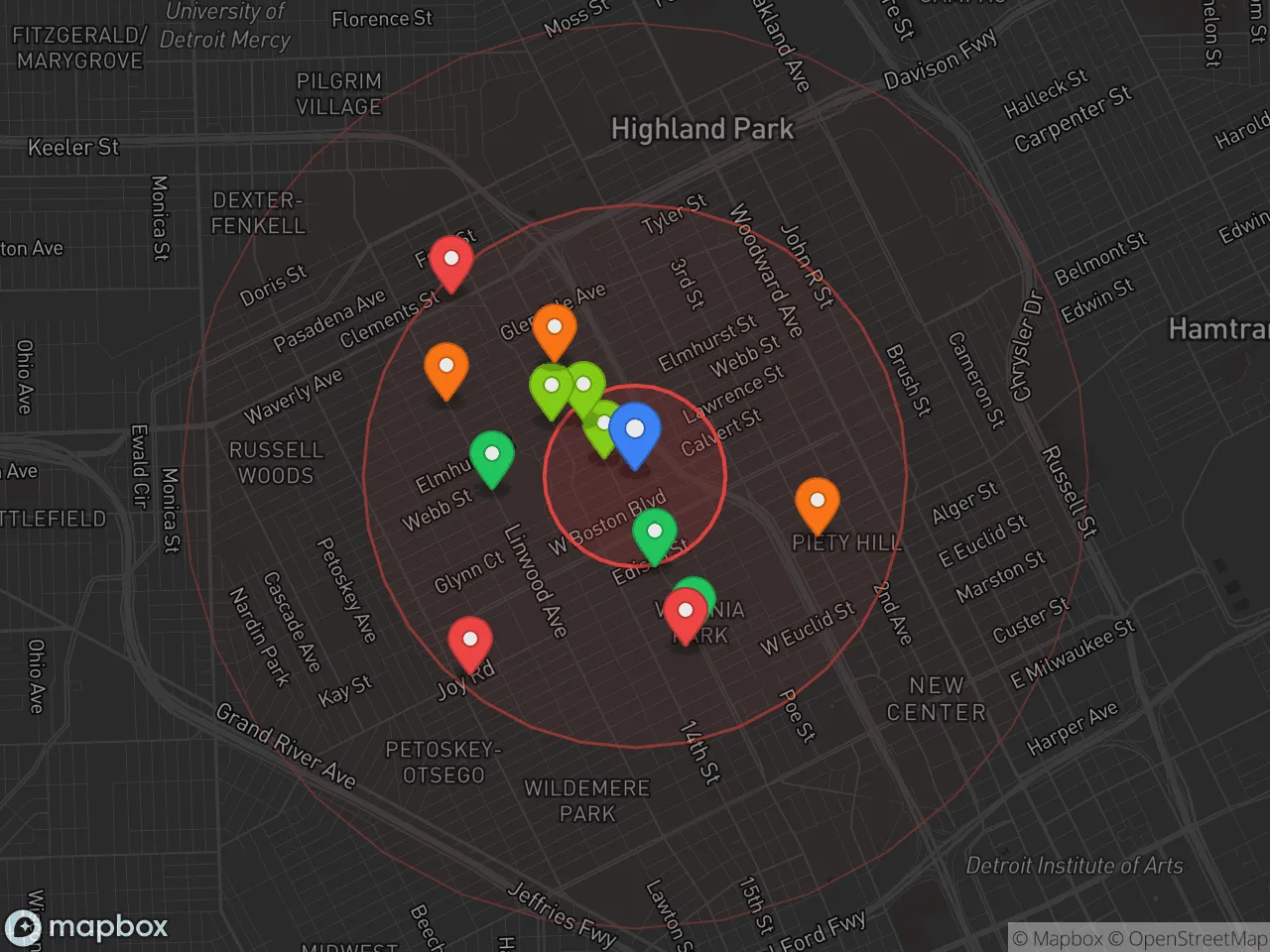
Explore the areaGroceries
7 within 10 miles
Gas
20 within 10 miles
Hospital
20 within 20 miles
Airport
DTW — Detroit Metropolitan Wayne County
Post Office
USPS — Detroit, MI
Critical Amenities
Quality-of-Life Analysis
Detroit, Michigan, presents a unique quality-of-life profile defined by stark contrasts: a cost of living far below the national average coexists with significant economic and social challenges. The city’s population, approximately 632,000 as of 2025, is a mix of long-standing residents, returning professionals drawn by the revitalized downtown core, and artists seeking affordable space. While the median household income of roughly $37,000 lags behind the state average, the city’s affordability attracts a demographic that values urban grit, cultural density, and the potential for property investment over suburban convenience.
Cost of living and housing affordability compared to nearby suburbs
Detroit’s cost of living index of 64 (where 100 equals the U.S. average) makes it one of the most affordable major cities in the country, a stark contrast to the national trend of rising urban costs. The median home value of $76,800 is dramatically lower than the Michigan state median of roughly $230,000 and a fraction of the $400,000+ median in nearby Ann Arbor. Median rent sits at $1,034, well below the national median of $1,400, though rental prices have risen 8-10% annually since 2022 in popular neighborhoods like Corktown and Midtown. The average commute time of 25.4 minutes is slightly below the national average of 27 minutes, reflecting the city’s relatively compact layout and the fact that many residents live within a 10-mile radius of downtown jobs. However, this affordability comes with trade-offs: property taxes in Detroit are among the highest in the state (roughly 2.5% of assessed value), and many homes in outlying neighborhoods require significant renovation, with some blocks still showing signs of abandonment from the 2008 housing crisis.
Daily life, schools, and neighborhood amenities
Daily life in Detroit varies sharply by neighborhood. The downtown core and Midtown offer walkable access to the Detroit Institute of Arts, the QLine streetcar, and a growing roster of restaurants and breweries, with a walkability score of 60 in these areas. In contrast, neighborhoods like Brightmoor or the East Side have limited grocery stores and public transit options, with bus frequency averaging every 30-45 minutes on major routes. The Detroit Public Schools Community District (DPSCD) has a graduation rate of 67%, below the state average of 81%, though charter schools and magnet programs like Cass Technical High School (ranked #1 in the city) provide alternatives. For families, the city’s 300+ parks, including the sprawling 982-acre Belle Isle Park, offer recreation, but many playgrounds and facilities are underfunded. The rhythm of life is punctuated by major events like the Detroit Jazz Festival and the Woodward Dream Cruise, which draw hundreds of thousands of visitors annually.
Who thrives in Detroit’s current environment
Detroit is best suited for individuals and families who prioritize affordability and urban authenticity over polished amenities. Young professionals in creative fields, entrepreneurs seeking low-cost commercial space, and investors willing to navigate the city’s complex property tax and renovation landscape often find opportunity here. Retirees on fixed incomes can stretch their dollars significantly, with a typical Social Security check covering rent in many neighborhoods. Conversely, those seeking top-tier public schools, low crime rates (the city’s violent crime rate is 2,000 per 100,000, roughly 4x the national average), or a seamless suburban infrastructure may find the city’s challenges outweigh its financial advantages. The city’s ongoing revitalization—anchored by the $1.7 billion Hudson’s Detroit development and the expansion of the QLine—suggests that quality of life will continue to improve in the core, but the pace of change remains uneven across the 139-square-mile city.

Crime in Detroit, MI
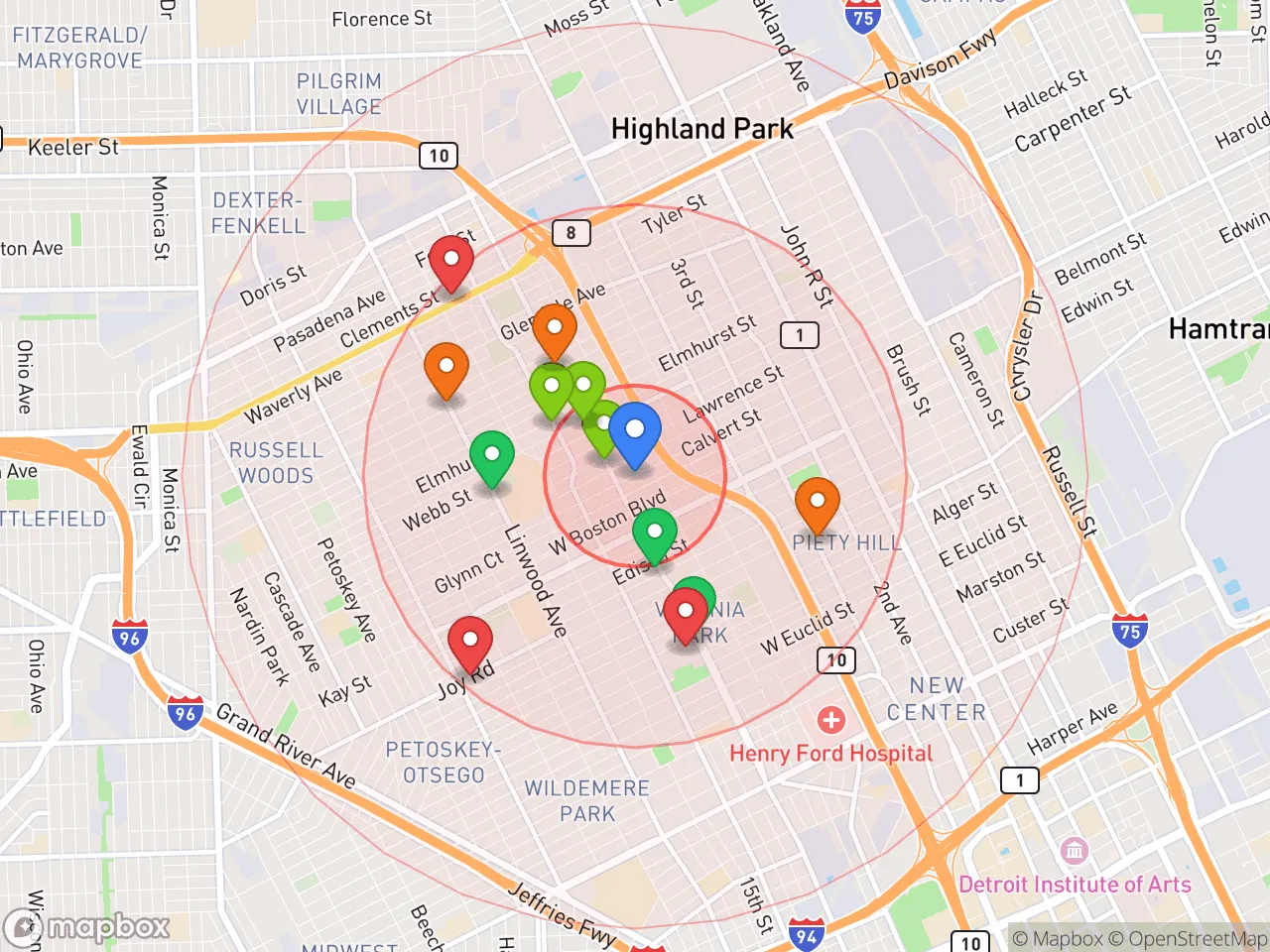
Significantly higher crime rates than 90% of comparable U.S. locations.
Violent CrimeViolent Crime Analysis
Property CrimeProperty Crime Analysis
Crime Analysis
Detroit, Michigan, faces significant public safety challenges, with crime rates that substantially exceed both state and national averages. The city's overall safety picture is complex, shaped by a combination of economic hardship, population decline, and a criminal justice system influenced by progressive policies that prioritize offender rehabilitation over strict enforcement. For potential residents, understanding these dynamics is critical, as the data reveals a city where both violent and property crimes are persistent concerns.
Crime in context
Detroit's violent crime rate stands at 408.1 incidents per 100,000 residents, a figure that is more than double the national average. Property crime is even more pronounced, with a rate of 3,940.2 per 100,000—roughly three times the national rate. These numbers place Detroit among the most dangerous large cities in the United States. When compared to the state of Michigan, Detroit's violent crime rate is approximately 2.5 times higher, and its property crime rate is nearly 3 times higher. The city's high crime rates are a direct consequence of decades of deindustrialization, concentrated poverty, and a justice system that, under progressive prosecutors, has increasingly moved toward leniency. This approach, while intended to reduce incarceration, has been linked to a rise in recidivism and a perception among criminals that consequences are minimal.
What residents experience
For those living in Detroit, the impact of crime is tangible and daily. Property crime, including theft, burglary, and motor vehicle theft, is the most common experience. Residents often report that leaving a vehicle unattended, even for a short time, carries a high risk of theft or break-in. Violent crime, while less frequent than property crime, is concentrated in specific areas and often involves firearms. The city's homicide rate, though declining from its peak, remains among the highest in the nation. The progressive policies of the Wayne County Prosecutor's Office, which have included reduced bail requirements and a reluctance to pursue charges for certain non-violent offenses, have been criticized for emboldening repeat offenders. This creates a climate where residents feel that the justice system is not fully on their side, leading to underreporting of crimes and a reliance on private security measures.
Neighborhood-level variation is stark. Areas like Indian Village, Palmer Woods, and Sherwood Forest—historic, affluent enclaves—have significantly lower crime rates and a stronger police presence, often supplemented by private security patrols. In contrast, neighborhoods on the east and west sides, such as the Gratiot-7 Mile area or the vicinity of Joy and Greenfield, experience the highest concentrations of violent crime and property offenses. The city's vast geography and population loss have created "urban prairies"—vacant lots and abandoned homes—that serve as havens for criminal activity. For a prospective resident, choosing a neighborhood with a strong block club, active community policing, and a history of low crime is essential. The overall safety picture in Detroit is not uniform, and the decision to move there requires careful, block-by-block research.
* Values derived from national, state, county, city and local statistics and may differ in a specific area. Last updated: 2026-04-30T00:21:54.000Z
Narrative content on this page is AI-generated and may contain mistakes. Verify any details that matter before acting on them.
ReloMaps may earn a commission from affiliate links at no extra cost to you.

