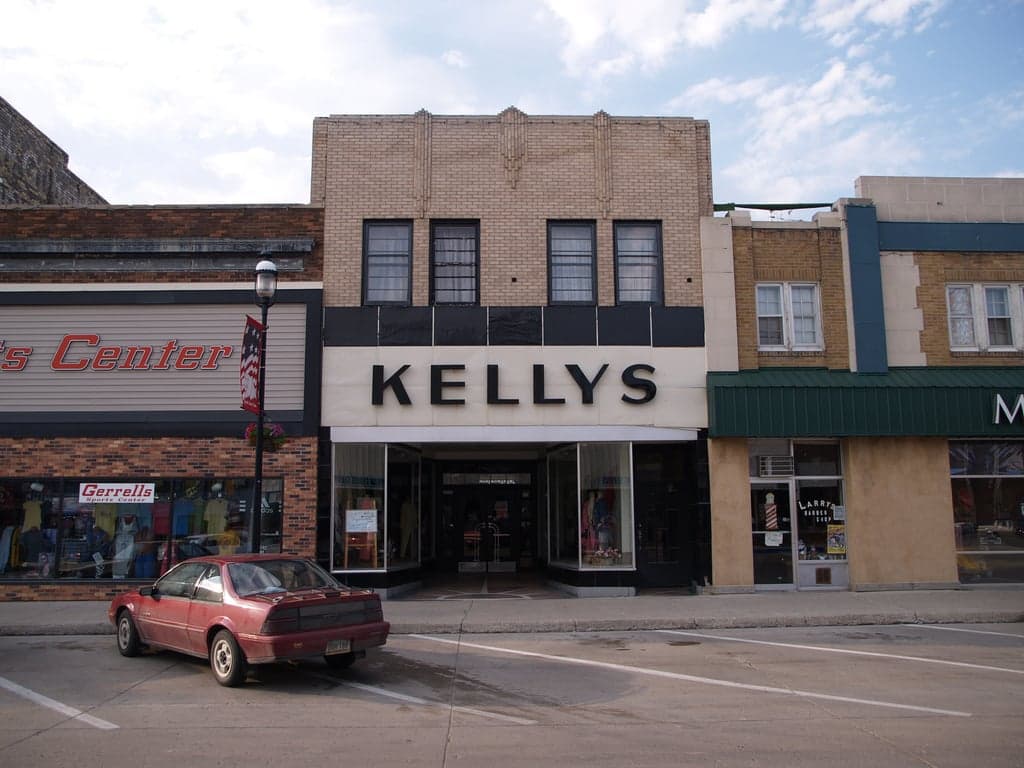
Photo: Wikipedia
Political ClimatePolitical Climate in Devils Lake, ND
District shown is the primary district for this city’s centroid. Cities may span multiple districts.
Inherited from parent state — no local data available.
Local Political AnalysisPolitical Analysis of Devils Lake, ND
Devils Lake, North Dakota, is about as solidly conservative as it gets, with a Cook PVI of R+18 that tells you exactly where the political winds blow. This area has been reliably Republican for generations, and while the national trends might be shifting leftward, folks around here have held the line pretty well. The local culture is built on self-reliance, common sense, and a healthy skepticism of government overreach—values that haven't changed much since the town was founded. If you're looking for a place where your rights aren't constantly being questioned by bureaucrats, this is still a safe bet.
How it compares
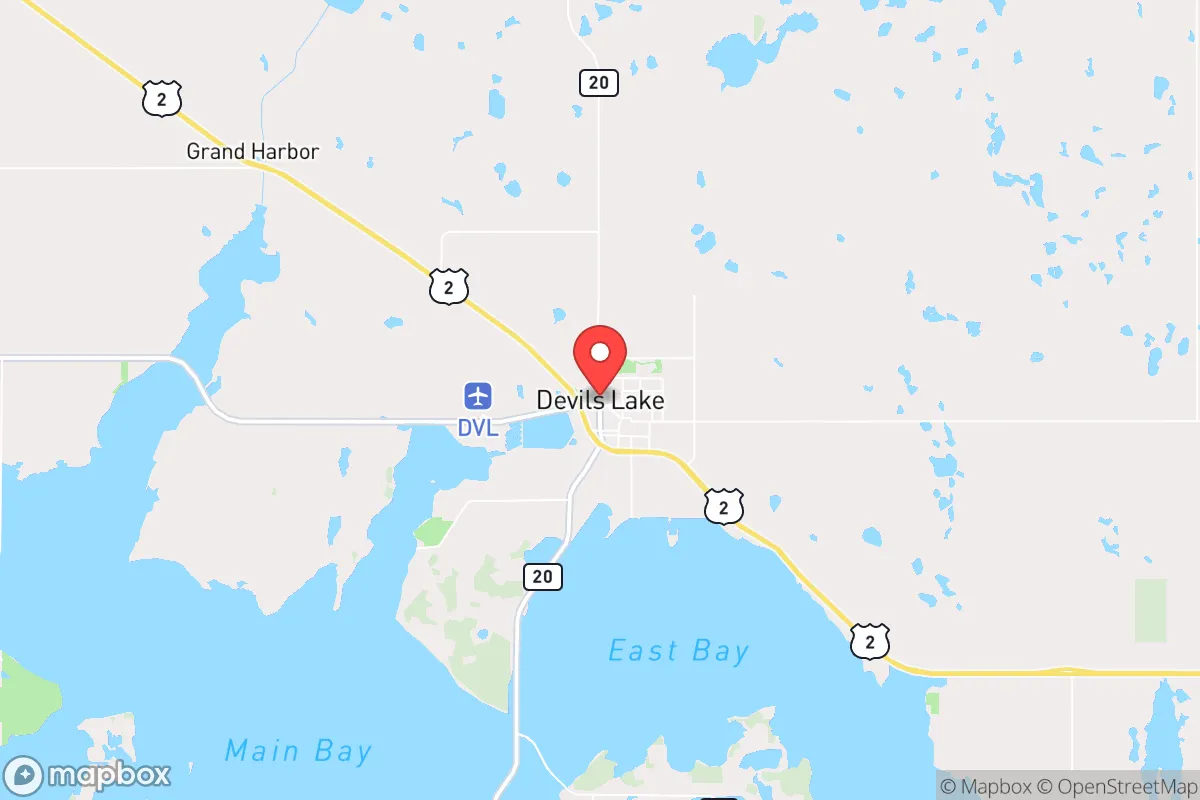
When you look at the surrounding region, Devils Lake is actually a bit of an outlier in its consistency. Drive an hour south to Grand Forks, and you'll find a more mixed political scene thanks to the university influence—there's a noticeable progressive undercurrent there that you just don't see up here. Over in Minot, it's similar to Devils Lake but with a bit more of a transient military population that can swing things slightly. The real contrast is with Fargo, which has been trending leftward for years, especially in the city proper. Out here in Ramsey County, we don't have that problem. The local elections are dominated by folks who believe in limited government, lower taxes, and keeping the feds out of our business. It's the kind of place where your neighbor knows your name and your business, but also knows when to mind his own.
What this means for residents
For the people living here, the conservative tilt means a few practical things. First, you're not going to see the kind of overreaching mandates or progressive social experiments that have plagued bigger cities. The local government tends to stay out of your personal life—no one's telling you what to do with your property, your business, or your family. Second, the tax burden is relatively light compared to blue states or even some of the more liberal towns in North Dakota. You keep more of what you earn, and the local economy reflects that. Third, there's a strong sense of community responsibility. People here don't look to the government to solve their problems; they handle things themselves, whether it's a winter storm or a local fundraiser. That said, there are some warning signs. The state's oil boom brought in some outside influence, and there's been a slow creep of progressive ideas through the school system and local media. It's not a crisis yet, but it's something to keep an eye on.
Culturally, Devils Lake remains a place where the Second Amendment is still respected, where hunting and fishing are part of life, and where the local churches are still the center of social activity. The policy distinctions are clear: the city council and county commission are dominated by Republicans who prioritize fiscal responsibility and individual liberty. There's no talk of defunding the police or implementing radical zoning changes. The biggest political fights here are usually about property taxes or the lake's water levels—not the culture war nonsense you see on the news. If you're looking for a place where you can live your life without the government breathing down your neck, Devils Lake is still holding strong. But don't get complacent—the same forces that have turned other parts of the country blue are always trying to get a foothold. Stay involved, vote in every local election, and keep an eye on the school board. That's how we keep this place what it is.

State Political ClimatePolitical Climate in North Dakota
State Political AnalysisPolitical Environment in the State
North Dakota has long been a reliably conservative state, but its political climate is more nuanced than the simple red-state label suggests. The state leans heavily Republican in federal elections, with Donald Trump winning by over 33 points in 2020 and 2024, but the dominant coalition is a mix of prairie populism, libertarian-leaning individualism, and a strong agricultural base. Over the past 20 years, the state has shifted rightward, driven by the oil boom in the Bakken region and a steady exodus of younger, more moderate voters from rural areas to the state’s few growing metros. However, the state’s small population and unique political history mean that local dynamics—especially in places like Fargo, Bismarck, and Minot—can surprise newcomers.
Urban vs. rural divide
The political map of North Dakota is defined by a stark urban-rural split, but it’s not as simple as “cities blue, country red.” Fargo, the largest city, is the state’s most moderate area, with Cass County voting about 10 points more Democratic than the state average in recent cycles. The city’s growth—driven by North Dakota State University, Sanford Health, and a thriving tech scene—has brought in younger, more educated residents who lean slightly left on social issues but remain fiscally conservative. In contrast, the oil patch counties of the northwest—Williams, McKenzie, and Mountrail—are among the most Republican in the nation, often voting 80% or more for GOP candidates. These areas, centered around Williston and Watford City, are dominated by energy workers and their families, who prioritize low taxes, gun rights, and minimal regulation. The state’s capital, Bismarck, and its neighbor Mandan are reliably conservative, with Burleigh County consistently voting 65-70% Republican. Minot, home to the Air Force base, leans conservative but has a transient military population that can shift local elections slightly. The rural counties in the east and south, like Walsh and Dickey, are deeply red but have been losing population for decades, reducing their political clout.
Policy environment
North Dakota’s policy environment is among the most conservative in the nation, but it’s not without its own brand of pragmatism. The state has no personal or corporate income tax, relying instead on oil extraction taxes, sales tax, and property taxes. This low-tax posture is a major draw for conservatives, but it also means the state budget is volatile—when oil prices crashed in 2015-2016, the state faced a $1 billion shortfall. The regulatory posture is business-friendly, with a right-to-work law and minimal zoning restrictions outside of cities. On education, the state has a strong school choice movement, with a 2023 law expanding charter schools and a voucher-like program for special needs students. However, the state’s rural districts often struggle with declining enrollment, leading to consolidation. Healthcare policy is a mixed bag: the state expanded Medicaid under the Affordable Care Act in 2013, a decision that still rankles some conservatives, but it also has some of the lowest per-capita healthcare costs in the nation. Election laws are strict: voter ID is required, same-day registration is not allowed, and absentee voting requires an excuse. The state has no ballot initiative process for constitutional amendments, which has frustrated both left-wing and right-wing activists over the years.
Trajectory & freedom
North Dakota is becoming more free in several key areas, but there are warning signs for conservatives. On gun rights, the state passed constitutional carry in 2017, allowing permitless carry for anyone over 18, and in 2023 it passed a law prohibiting local governments from enacting stricter gun ordinances than the state. On parental rights, the 2023 “Parents’ Bill of Rights” requires schools to notify parents of any curriculum changes involving sexuality or gender identity and to obtain parental consent before a student can change their name or pronouns. This law has been a flashpoint, with the ACLU suing the state. On medical autonomy, North Dakota has some of the most restrictive abortion laws in the nation—a near-total ban with exceptions only for rape, incest, and life of the mother, passed in 2023 after the Dobbs decision. However, the state has not yet passed a school choice voucher program for all students, and property taxes remain a persistent complaint among homeowners. The state’s libertarian streak is strong, but it’s tempered by a pragmatic willingness to accept federal funds for infrastructure and healthcare. The biggest threat to freedom, in the eyes of many locals, is the growing influence of out-of-state money in local elections, particularly from dark-money groups on both sides.
Civil unrest & political movements
North Dakota has seen its share of political flashpoints, most notably the Dakota Access Pipeline protests in 2016-2017, which drew thousands of activists from across the country to the Standing Rock Reservation. The protests were a major test of the state’s law enforcement and political leadership, with then-Governor Jack Dalrymple and the state’s congressional delegation firmly supporting the pipeline. The aftermath saw a surge in conservative activism, with groups like the North Dakota Republican Party pushing for stricter protest laws and increased penalties for trespassing. On the left, the state has a small but vocal progressive movement centered in Fargo, with groups like the North Dakota Democratic-NPL Party pushing for expanded Medicaid, renewable energy, and criminal justice reform. Immigration politics are relatively quiet, as the state has a very small foreign-born population (about 4%), but there have been localized tensions in the oil patch over housing and labor. Election integrity has been a hot topic since 2020, with the state legislature passing a 2021 law requiring all ballots to be returned by Election Day and banning the use of private funding for election administration. There is no serious secession or nullification movement in North Dakota, but there is a strong strain of “state sovereignty” rhetoric, particularly around federal land management and environmental regulations.
Projection
Over the next 5-10 years, North Dakota is likely to become even more conservative, but with a growing urban-rural tension. The state’s population is projected to grow slowly, driven by the Fargo metro and the oil patch, while rural counties continue to shrink. This demographic shift will amplify the political influence of Fargo, which could become a more competitive area for Democrats if the city’s growth continues. However, the state’s Republican supermajority in the legislature is likely to hold, as the rural areas that are losing population are also the most conservative. The biggest wildcard is the energy transition: if the demand for oil declines, the Bakken region could see a population exodus, which would shift the state’s political center of gravity eastward. On policy, expect more school choice legislation, further restrictions on abortion, and continued battles over property taxes. The state’s libertarian streak will likely push back against any federal overreach, especially on environmental regulations and gun control. For a conservative moving in now, the state will remain a safe haven for traditional values and economic freedom, but the growing influence of Fargo’s progressive elements and the volatility of the oil economy are factors to watch.
For a new resident, the bottom line is this: North Dakota offers a high degree of personal freedom, low taxes, and a government that largely stays out of your business. The state is deeply conservative, but it’s not a monolith—Fargo and the oil patch are very different worlds. If you’re looking for a place where your vote counts, your rights are protected, and your children can attend schools that respect your values, North Dakota is a strong choice. Just be prepared for long winters, a small-town pace of life, and a political culture that values independence above all else. The state is not without its challenges—property taxes, healthcare access in rural areas, and the looming threat of federal overreach—but for those who value liberty and self-reliance, it remains one of the best options in the country.
* Values derived from national, state, county, city and local statistics and may differ in a specific area. Last updated: 2026-04-19T08:58:25.000Z
Narrative content on this page is AI-generated and may contain mistakes. Verify any details that matter before acting on them.
ReloMaps may earn a commission from affiliate links at no extra cost to you.

