Photo: Wikipedia
Find The Best Places To Live
in Eau Claire
PRO TIP! You can paste a Zillow or Redfin link to get info on that property.
What It's Like Living in Eau Claire, WI
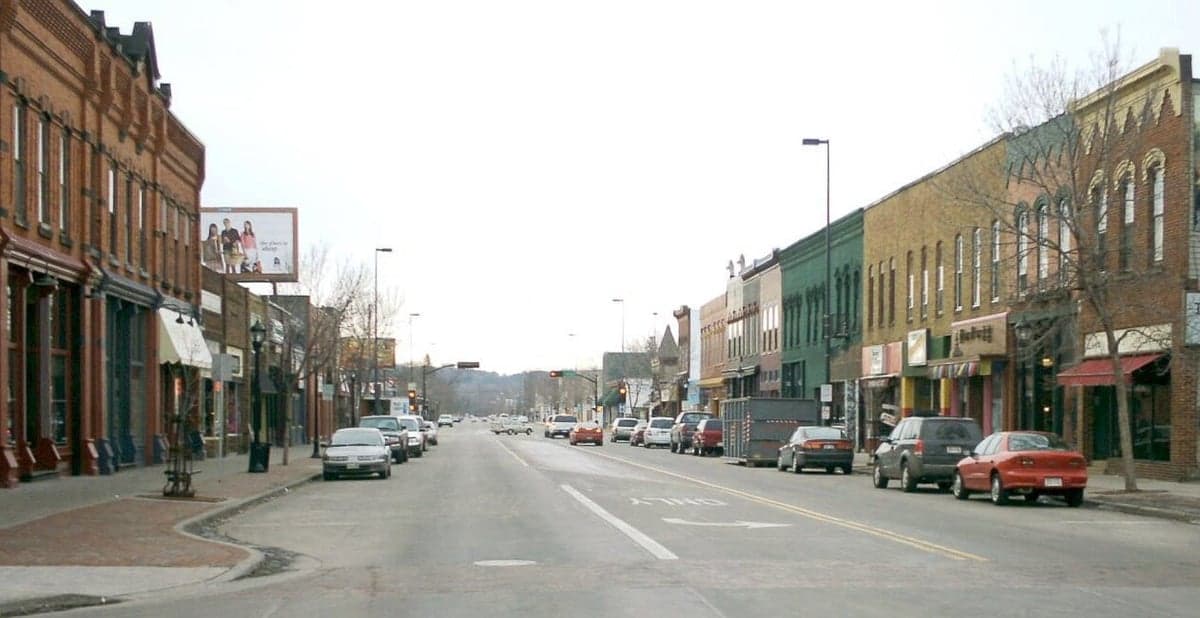
Eau Claire feels like a place that grew up around its rivers and its music scene, a mid-sized Wisconsin city where the downtown still has the bones of a lumber town but the energy of a college town. You get the sense that people here are comfortable with who they are—there’s not much pretension, and the pace of life is deliberate without being slow. It’s the kind of place where you can grab a craft beer after work, paddle the Chippewa River on a Saturday, and still be home in time to grill brats before the mosquitoes come out.
The Daily Rhythm: What People Actually Do
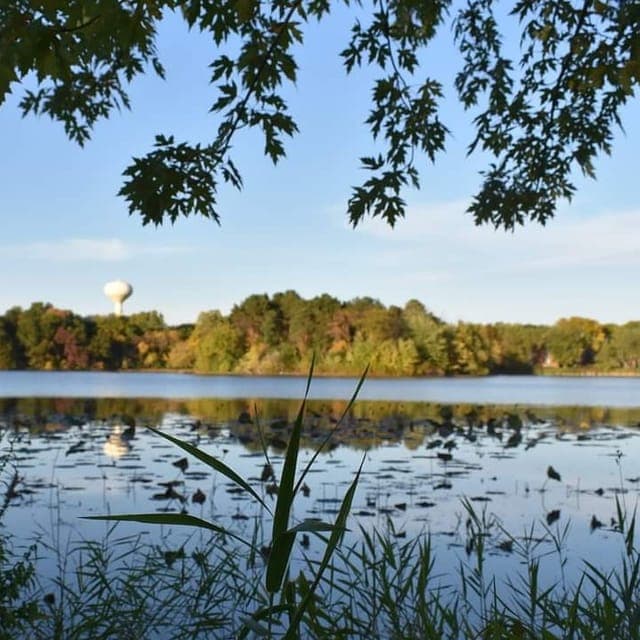
Most days in Eau Claire revolve around a few core anchors: work, the outdoors, and a surprisingly active social scene for a city of 69,274. The median commute is just over 16 minutes, which means you’re not burning an hour of your day in traffic—you’re home in time to actually do something. That something is often outdoors: the Chippewa River State Trail and the Lowes Creek County Park are popular for biking and hiking, and the confluence of the Chippewa and Eau Claire rivers downtown is a natural gathering spot. People shop at the downtown farmers market on Saturdays (it’s a big deal, running from spring through fall) or hit the Oakwood Mall for chain stores. Grocery shopping is split between Festival Foods and Woodman’s, both local favorites. The median household income is $65,369, which goes further here than in many places—the cost of living index is 82, well below the national average of 100. That means a median home value of $228,000 gets you a solid three-bedroom house in a decent neighborhood, not a fixer-upper.
Sports, Music, and the Weekend Vibe
Sports here are a mix of high school pride and college fandom. The University of Wisconsin-Eau Claire Blugolds draw decent crowds for hockey and basketball, but the real energy is around the Eau Claire Express, a Northwoods League collegiate summer baseball team that plays at Carson Park. Games are cheap, family-friendly, and feel like a small-town summer ritual. High school football and basketball games, especially for Memorial and North High Schools, are well-attended and matter to locals. But the city’s biggest cultural export is music: Eau Claire is the hometown of Bon Iver, and the annual Eaux Claires music festival (when it runs) brings national acts to the city’s Phoenix Park. The local music scene is active year-round at venues like The Plus and the Pablo Center at the Confluence, a modern performing arts center that anchors downtown. For a city its size, the arts punch above their weight—35% of adults have a college degree, and the median age of 33 suggests a younger, creative crowd that fuels the coffee shops and breweries.
Pros and Cons of Living Here
What longtime residents love: the access to nature is genuine—you can be on a river trail or in a state forest within 15 minutes. The cost of living is a real advantage; a median income of $65,369 buys a comfortable lifestyle, and the low commute means more time for family or hobbies. The downtown has improved dramatically over the last decade, with places like the Revival Records & Clothing, the informal music hub, and the Lazy Monk Brewing taproom giving it character. The schools—particularly the Eau Claire Area School District—are solid and community-focused, with strong parent involvement.
What frustrates people: winters are long and real. From November through March, you’re dealing with snow, cold, and gray skies. The violent crime rate is 168.4 per 100,000, which is below the national average but not nonexistent—property crime is the more common complaint, especially around the university area. Job options outside of healthcare (Mayo Clinic Health System is a major employer) and education can feel limited; the local economy doesn’t have a huge corporate sector, so career growth sometimes means leaving town. And while the music scene is a draw, the nightlife is modest—if you want a big-city club scene, you’re driving to Minneapolis (90 minutes west).
Who Fits In—and Who Might Not
Eau Claire works best for people who value a slower, more grounded lifestyle. It’s a strong fit for young families who want good schools and a safe environment without the high cost of the suburbs. It also suits creatives and remote workers who want a lower cost of living and a community that values the arts. It’s less ideal for someone looking for a fast-paced career track, a diverse urban environment, or warm winters. The city leans politically mixed—the university brings a liberal influence, but the surrounding county is more conservative, so you get a blend that mostly coexists peacefully. The local identity is proudly Wisconsin: Friday fish fries, Packers fandom (even though Green Bay is two hours away), and a general friendliness that means strangers will chat with you at the grocery store. If that sounds like your speed, Eau Claire is worth a serious look.

Similar small cities to Eau Claire

* Values derived from national, state, county, city and local statistics and may differ in a specific area. Last updated: 2026-04-21T10:10:02.000Z
Narrative content on this page is AI-generated and may contain mistakes. Verify any details that matter before acting on them.
ReloMaps may earn a commission from affiliate links at no extra cost to you.

