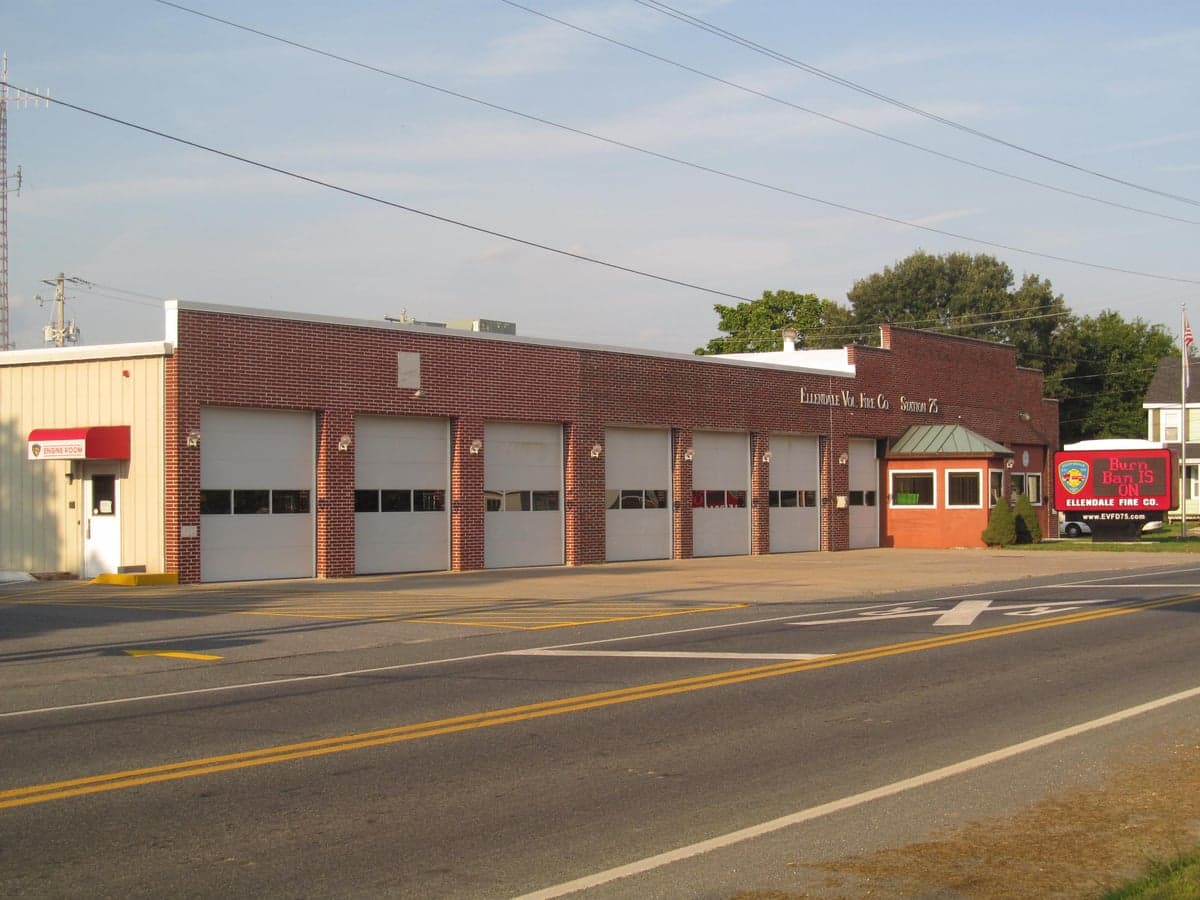
Photo: Wikipedia
Strategic Assessment of Ellendale, DE
Multiple tactical vulnerabilities. Population density, target proximity, or disaster risk are likely compounding. A retreat property and exit planning is required.
What does the Strategic Assessment tell us?
Our Strategic Assessment grades tactical survivability of an area. Major population centers, military targets, fallout zones, natural disasters, and border exposure all drive risk — lower exposure means a more defensible position in a crisis.
This is heavily inspired by Joel Skousen's Strategic Relocation book. Highly recommended you checkout the book ($)What does this tell us?
Our Strategic Assessment grades tactical survivability of an area. Major population centers, military targets, fallout zones, natural disasters, and border exposure all drive risk — lower exposure means a more defensible position in a crisis.
This is heavily inspired by Joel Skousen's Strategic Relocation book. Highly recommended you checkout the book ($)Strategic Pillars

Key Distances
Regional Safe Places
Below is our recommended "safe zones" in Delaware and the surrounding area based on our strategic heuristics. For most people, it's unrealistic to live in a “safe zone” full-time due to work, family or other personal reasons. They tend to be more rural. However, many of these areas are perfect for second homes and retreat properties that double as a vacation home or even a short-term rental.
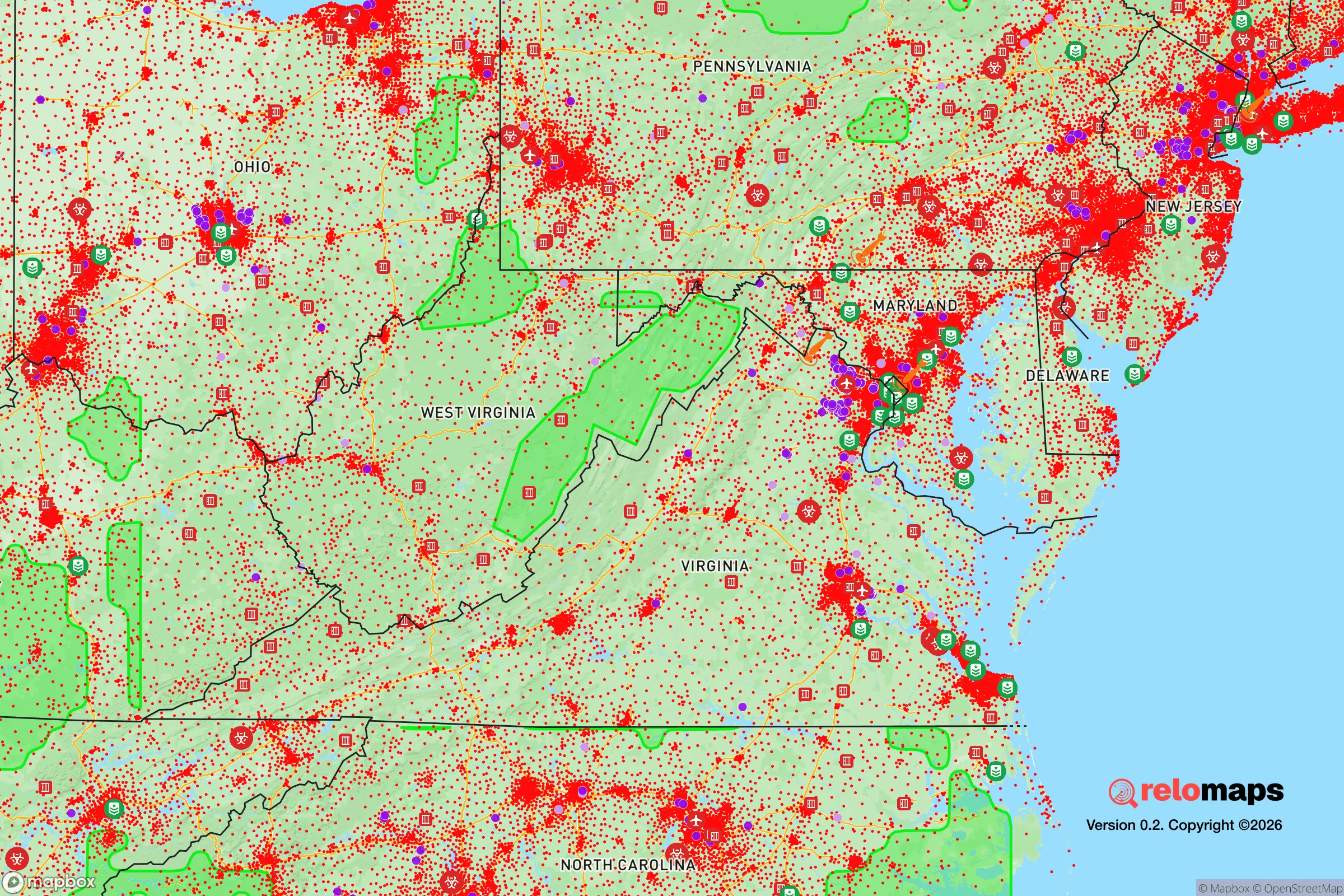
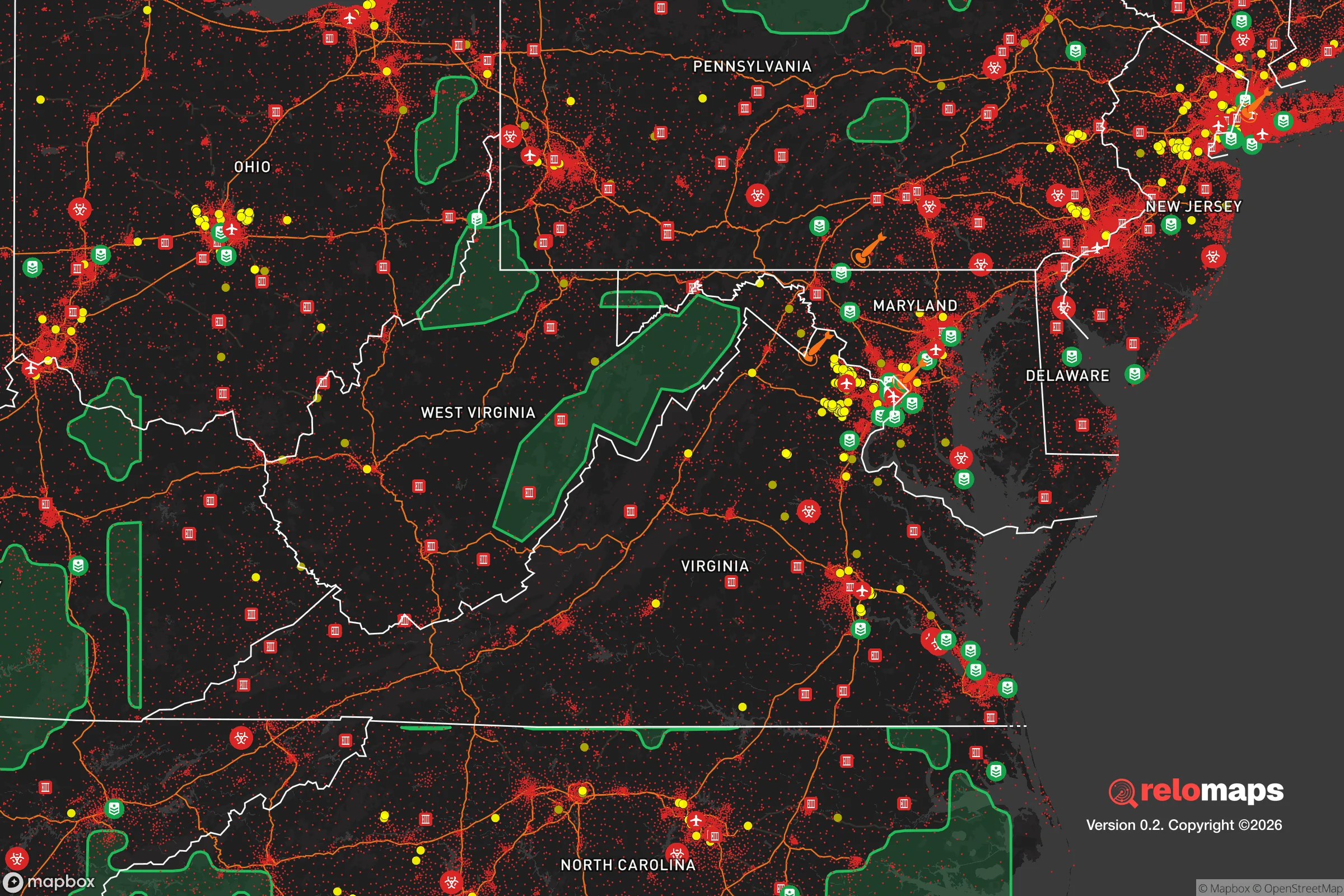


Important Note: For informational purposes only. This does not mean nothing bad ever happens in the green zones. Please use common sense. This is based on public data and modeled with AI. We tried to take a conservative approach but mistakes happen. We update this regularly as new information becomes available.
Solar Generator Recommendations
Backup power matters more here than in safer locations. We've picked three solar generators across budgets and capacity tiers — start with the budget unit if you only need a few essentials, or step up if you want to run a fridge and HVAC for days at a time.

Jackery Portable Power Station Explorer 300
Budget OptionPower on the Go: Weighing only 11 lbs, it's convenient to set up and store with book-sized foldable solar panels

BLUETTI Portable Power Station AC180
Designed for both indoor and outdoor scenarios, AC180 is highly capable as it has a robost capacity and continuous output power.

EF ECOFLOW DELTA Pro Ultra Power Station
Upgraded PickEcoFlow DELTA Pro Ultra is a whole-home energy system designed to grow with your family. Integrated with the Smart Home Panel 2, it scales to meet your evolving energy needs — keeping your home powered, intelligent, and secure through every stage of life.
We earn a commission, at no additional cost to you.
Strategic Assessment Analysis
Ellendale, Delaware, presents a surprisingly resilient strategic position for those prioritizing long-term stability and self-sufficiency, particularly when viewed through a survivalist lens. Nestled in Sussex County, this small town sits far enough from the major I-95 corridor to avoid the immediate chaos of a metropolitan collapse, yet remains close enough to critical resources and evacuation routes. Its location offers a rare blend of rural seclusion and practical access, making it a viable base for those preparing for civic unrest, supply chain disruptions, or large-scale disasters.
Geographic position and natural advantages for long-term stability
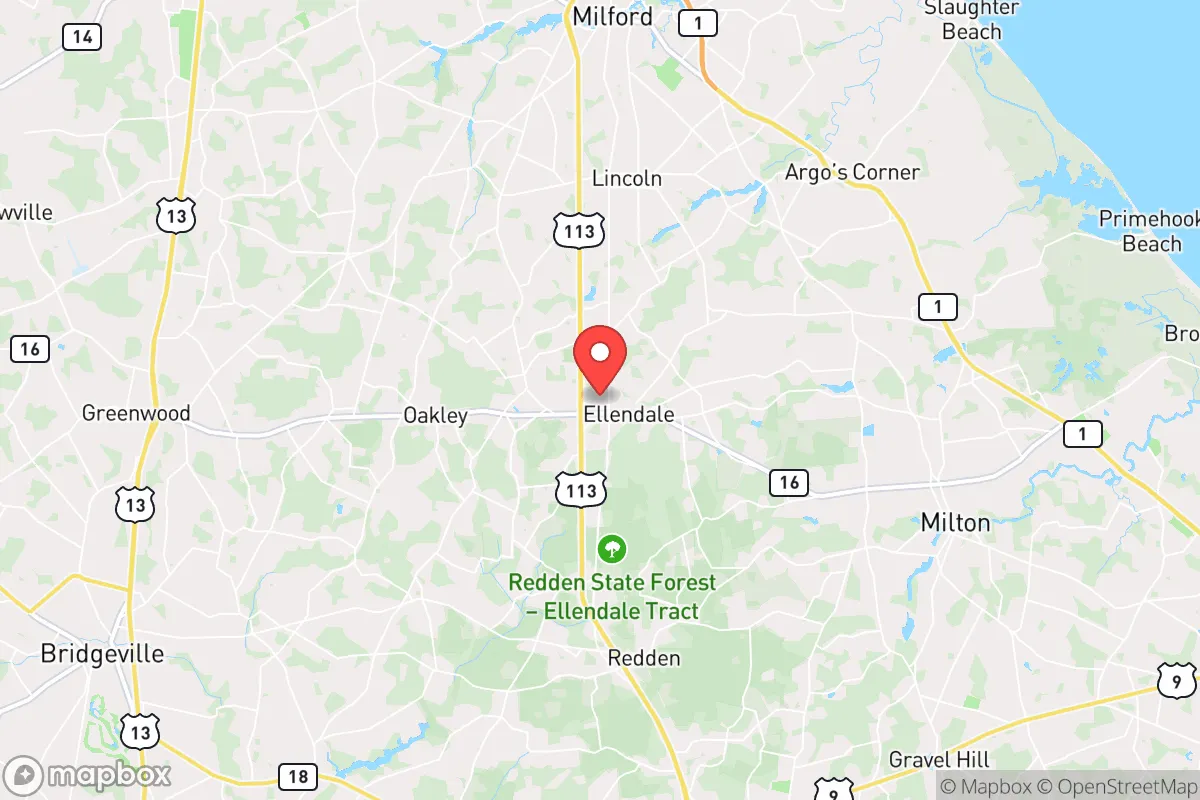
Ellendale’s geography is its primary strategic asset. The town is situated roughly 15 miles inland from the Atlantic coast, placing it outside the direct blast zone of a potential hurricane storm surge while still benefiting from the moderating effects of the Delaware Bay. The surrounding landscape is flat, agricultural, and sparsely populated, which provides natural defensibility and reduces the likelihood of being caught in a mass evacuation gridlock. The area is part of the Delmarva Peninsula, a region that is effectively an island in terms of major transportation arteries—only two bridges (the Delaware Memorial Bridge and the Chesapeake Bay Bridge) connect it to the mainland. In a crisis, this chokepoint can be a double-edged sword, but for a prepared relocator, it means that large-scale refugee flows from the north and west are significantly slowed. The local water table is high, and the region is dotted with small creeks and ponds, offering off-grid water sourcing potential. The soil is fertile, supporting a robust local farming community that can be tapped for food security. The climate is temperate, with no extreme cold or heat that would stress off-grid power systems or food storage.
Risks, exposures, and proximity to fallout-relevant landmarks
No location is without risk, and Ellendale has specific vulnerabilities that a strategic relocator must acknowledge. The most significant exposure is its proximity to the Indian River Power Plant, a coal and natural gas facility located roughly 10 miles southeast. While not a nuclear reactor, its presence means that a major industrial accident or targeted attack could create localized contamination or a power grid disruption. More critically, Ellendale lies within 50 miles of the Salem and Hope Creek nuclear generating stations in New Jersey, across the Delaware Bay. In the event of a nuclear incident, prevailing winds from the west could carry fallout across the peninsula. The town is also within 100 miles of the Philadelphia metropolitan area, a major population center that would become a focal point for civil unrest, disease outbreaks, and resource scarcity during a national emergency. The nearby Delaware beaches—Rehoboth, Bethany, and Lewes—are seasonal population magnets, meaning that during a summer disaster, the area could see a sudden influx of panicked tourists. The flat terrain offers little natural cover or concealment, making the area less defensible than mountainous regions. Finally, the Delmarva Peninsula’s reliance on the two bridges for supply lines means that any disruption to those crossings would severely limit resupply and evacuation options.
Practical resilience for a relocator: food, water, energy, and defensibility
For a relocator focused on practical self-sufficiency, Ellendale offers a workable foundation. Water is abundant—the area’s shallow aquifer means that a simple hand pump or a well-drilling operation can provide a reliable off-grid water source. Rainwater collection is also viable given the region’s average 45 inches of annual precipitation. Food security is strong due to the surrounding agricultural land. Sussex County is a top producer of poultry, corn, and soybeans, and local farmers’ markets and roadside stands are common. Establishing relationships with local growers before a crisis is a straightforward way to secure a food supply. Energy independence is achievable with solar panels; the region gets about 200 sunny days per year, and net metering policies in Delaware allow for grid-tied systems that can provide backup power. For off-grid living, a small solar array with battery storage can easily cover the needs of a single family. Defensibility is moderate. The flat, open landscape means that a prepared property with clear sightlines and a perimeter fence offers good visibility against intruders. The low population density—Ellendale itself has fewer than 400 residents—means that a tight-knit community can be formed, which is a force multiplier in a crisis. However, the lack of natural barriers like hills or forests means that a determined group could approach undetected, so layered security measures (motion sensors, dogs, reinforced entry points) are recommended. The local government is small and responsive, and the Sussex County Sheriff’s Office maintains a presence, but in a widespread collapse, residents would largely be on their own.
The overall strategic picture for Ellendale is one of calculated trade-offs. It is not a remote mountain redoubt, but it is a defensible, resource-rich enclave that avoids the worst of the urban collapse risks. The town’s isolation on the Delmarva Peninsula is both a shield and a cage—it protects against mass migration but also limits escape routes. For a conservative-minded relocator who values community, agricultural self-sufficiency, and a low profile, Ellendale offers a realistic path to resilience without the extreme isolation of a bunker lifestyle. The key is to prepare for the specific risks: stockpile supplies for a bridge closure, invest in water filtration and solar power, and build relationships with local farmers and neighbors. In a world where the next crisis could come from any direction—economic collapse, pandemic, civil unrest, or natural disaster—Ellendale provides a solid, if unglamorous, foundation for weathering the storm.

* Values derived from national, state, county, city and local statistics and may differ in a specific area. Last updated: 2026-04-23T00:41:31.000Z
Narrative content on this page is AI-generated and may contain mistakes. Verify any details that matter before acting on them.
ReloMaps may earn a commission from affiliate links at no extra cost to you.

