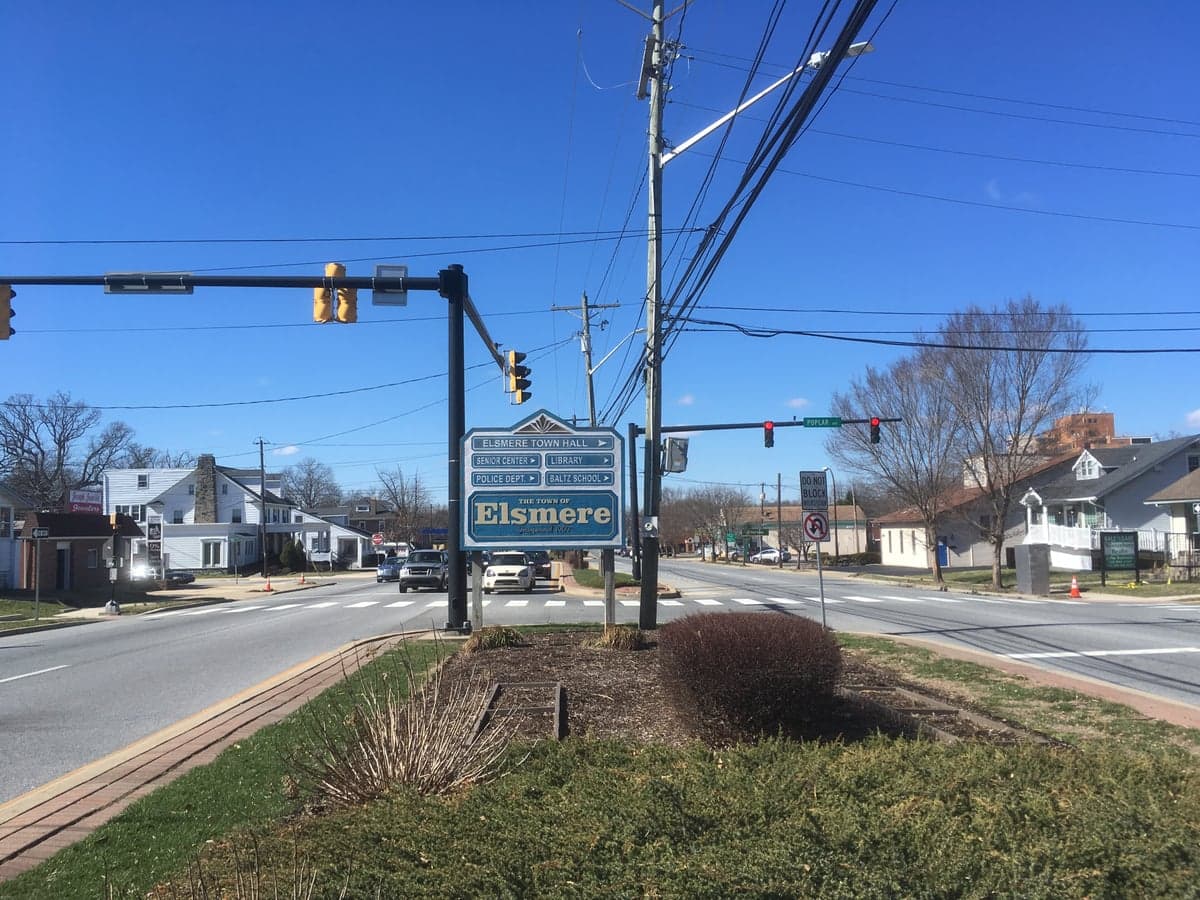
Photo: Wikipedia
Strategic Assessment of Elsmere, DE
Multiple tactical vulnerabilities. Population density, target proximity, or disaster risk are likely compounding. A retreat property and exit planning is required.
What does the Strategic Assessment tell us?
Our Strategic Assessment grades tactical survivability of an area. Major population centers, military targets, fallout zones, natural disasters, and border exposure all drive risk — lower exposure means a more defensible position in a crisis.
This is heavily inspired by Joel Skousen's Strategic Relocation book. Highly recommended you checkout the book ($)What does this tell us?
Our Strategic Assessment grades tactical survivability of an area. Major population centers, military targets, fallout zones, natural disasters, and border exposure all drive risk — lower exposure means a more defensible position in a crisis.
This is heavily inspired by Joel Skousen's Strategic Relocation book. Highly recommended you checkout the book ($)Strategic Pillars

Key Distances
Regional Safe Places
Below is our recommended "safe zones" in Delaware and the surrounding area based on our strategic heuristics. For most people, it's unrealistic to live in a “safe zone” full-time due to work, family or other personal reasons. They tend to be more rural. However, many of these areas are perfect for second homes and retreat properties that double as a vacation home or even a short-term rental.
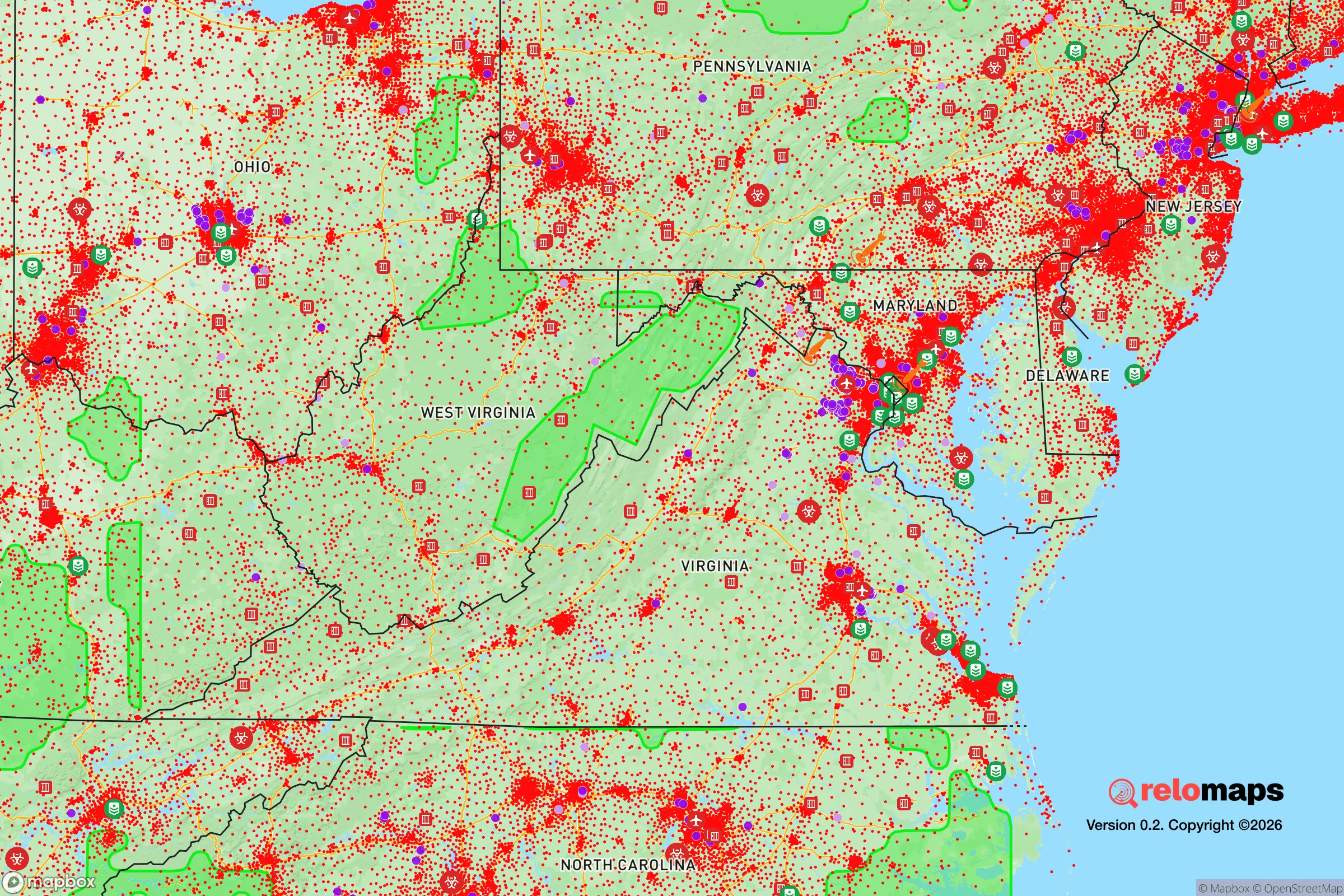
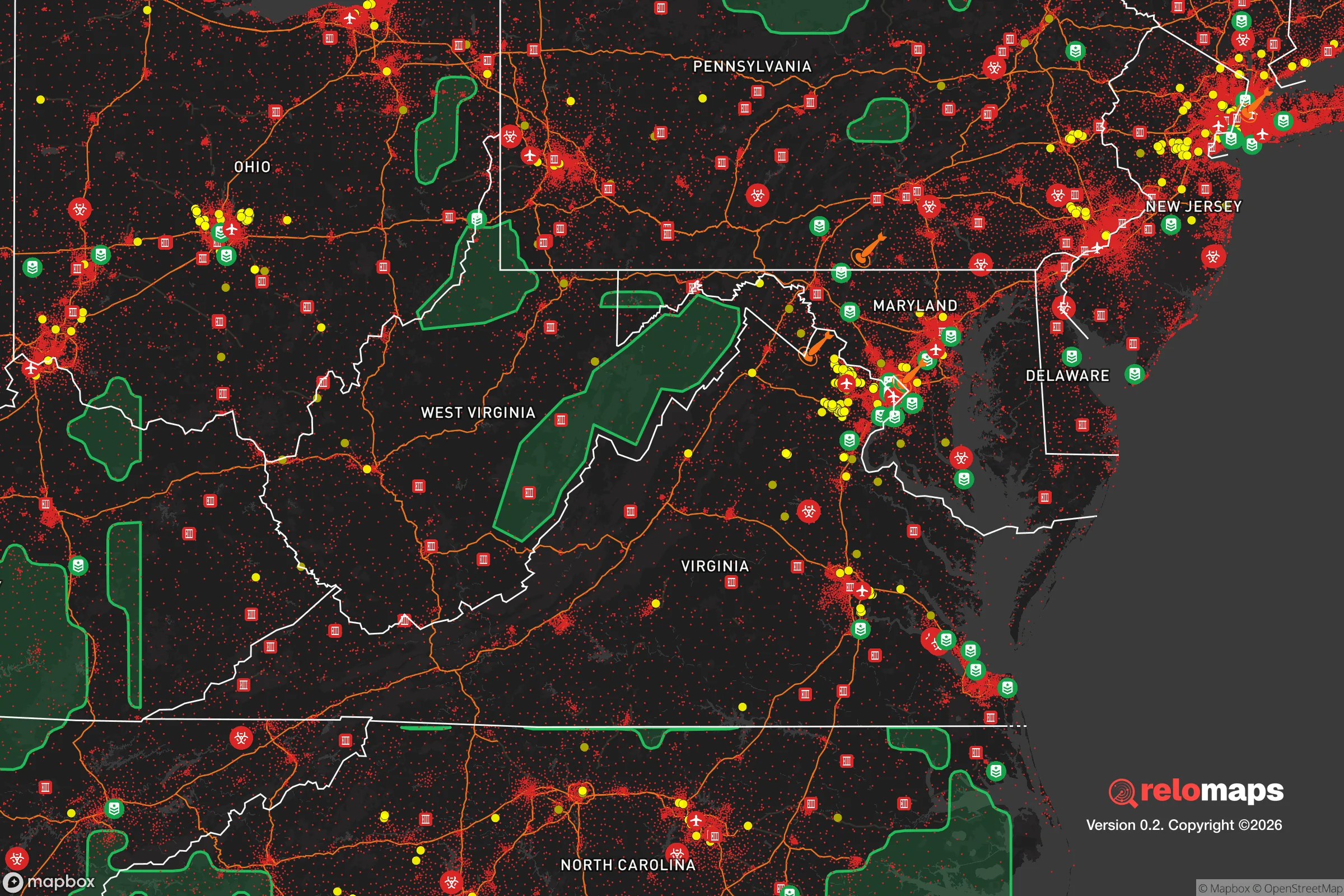


Important Note: For informational purposes only. This does not mean nothing bad ever happens in the green zones. Please use common sense. This is based on public data and modeled with AI. We tried to take a conservative approach but mistakes happen. We update this regularly as new information becomes available.
Solar Generator Recommendations
Backup power matters more here than in safer locations. We've picked three solar generators across budgets and capacity tiers — start with the budget unit if you only need a few essentials, or step up if you want to run a fridge and HVAC for days at a time.

Jackery Portable Power Station Explorer 300
Budget OptionPower on the Go: Weighing only 11 lbs, it's convenient to set up and store with book-sized foldable solar panels

BLUETTI Portable Power Station AC180
Designed for both indoor and outdoor scenarios, AC180 is highly capable as it has a robost capacity and continuous output power.

EF ECOFLOW DELTA Pro Ultra Power Station
Upgraded PickEcoFlow DELTA Pro Ultra is a whole-home energy system designed to grow with your family. Integrated with the Smart Home Panel 2, it scales to meet your evolving energy needs — keeping your home powered, intelligent, and secure through every stage of life.
We earn a commission, at no additional cost to you.
Strategic Assessment Analysis
Elsmere, Delaware, sits in a precarious strategic position that demands a clear-eyed assessment. Its location just west of Wilmington and within the I-95 corridor offers some logistical advantages, but for the survival-minded relocator, the town's proximity to major population centers and critical infrastructure introduces significant vulnerabilities. While Elsmere itself is a small, quiet borough of roughly 6,000 residents, its resilience is heavily dependent on factors outside its immediate control—namely, its exposure to the cascading effects of unrest, supply chain disruption, and potential fallout from nearby high-value targets. This analysis weighs those factors for a conservative-leaning individual or family prioritizing preparedness and self-reliance.
Geographic position and natural advantages for long-term survival
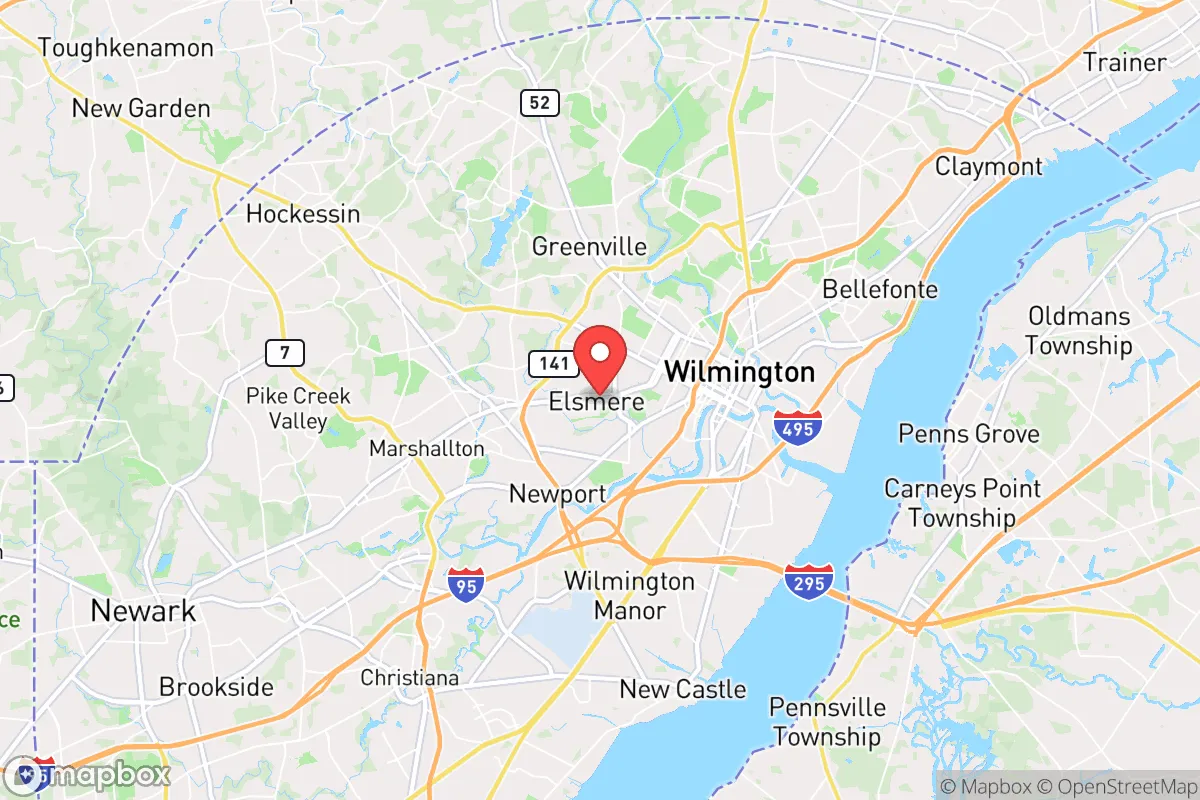
Elsmere's location in northern New Castle County places it roughly 30 miles southwest of Philadelphia and about 70 miles northeast of Baltimore, placing it within the dense BosWash corridor. For a prepper, this is a double-edged sword. On the positive side, the area sits on the fall line, where the Piedmont plateau meets the Atlantic Coastal Plain, providing varied terrain that includes gentle hills, wooded patches, and access to the Christina River watershed. The local climate is temperate, with four distinct seasons and roughly 45 inches of annual rainfall—enough to support small-scale gardening and rainwater catchment without extreme drought risk. The soil in the region is a mix of sandy loam and silt, workable for subsistence farming if properly amended. Elsmere itself is landlocked but lies within a few miles of the Delaware River, a major water artery that could become a contested resource in a crisis. The town's small footprint and low population density relative to Wilmington offer some degree of natural buffering, but the surrounding suburban sprawl limits true isolation. For a relocator seeking defensible space, the immediate area lacks the topographic chokepoints—mountains, dense forests, or significant waterways—that would make a stand-and-hold position viable. The best natural advantage here is the relatively mild climate and adequate water supply, but those are baseline requirements, not strategic strengths.
Risks, exposures, and proximity to fallout-relevant landmarks
The most glaring vulnerability for Elsmere is its proximity to Wilmington, just three miles east, and the broader Philadelphia metro area. Wilmington is a hub for banking, chemical manufacturing, and transportation infrastructure, including the Port of Wilmington and major rail lines. In a scenario involving civil unrest, mass casualty events, or a breakdown of order, these assets become magnets for looting, sabotage, and population displacement. Elsmere sits directly in the path of any exodus from Wilmington, as Kirkwood Highway (DE-2) and I-95 both run through or near the borough. The town is also within 10 miles of the Delaware Memorial Bridge, a critical I-95 crossing over the Delaware River that would likely be a chokepoint—and a target—in any regional crisis. Additionally, the area is within 50 miles of the Salem and Hope Creek nuclear generating stations in New Jersey, both located on the Delaware River. While a full meltdown is statistically unlikely, the prevailing winds in the region blow from the west and southwest, meaning fallout from a New Jersey incident could drift toward Elsemere. The town also lies within the FEMA-designated floodplain for the Christina River, with portions of the borough subject to moderate flood risk during heavy rain events—a concern that compounds in a grid-down scenario where drainage and emergency response are compromised. For the survival-minded relocator, these exposures make Elsemere a high-risk location for long-term habitation, especially compared to more rural areas in central or southern Delaware.
Practical resilience for a relocator: food, water, energy, and defensibility
For a single individual or family looking to establish a resilient household in Elsemere, the practical challenges are significant. Municipal water comes from the City of Wilmington's treatment system, which draws from the Brandywine Creek and is vulnerable to contamination, cyberattack, or infrastructure failure. A well is not an option in most of Elsemere's developed lots, so a prepper would need to invest in rainwater collection, storage tanks, and high-quality filtration systems—Berkey or similar—to maintain an independent supply. The electrical grid is served by Delmarva Power, a subsidiary of Exelon, and is tied into the PJM Interconnection, meaning any regional blackout will affect Elsemere directly. Solar panels with battery backup are feasible given the region's moderate sun exposure (about 200 sunny days per year), but roof orientation and HOA restrictions in some neighborhoods could be limiting factors. Natural gas is available for heating, but reliance on a single utility is a vulnerability; a wood-burning stove or propane backup is advisable. Food resilience is hampered by the lack of available land—most lots are quarter-acre or smaller, and zoning restricts livestock. Community gardens exist but are not secure. Foraging and hunting are minimal within borough limits; the nearest public hunting land is the C&D Canal Wildlife Area, about 20 miles south. Defensibility is the weakest point: Elsemere's street grid is open, with multiple access points from major roads, and the town's police force is small (roughly 15 officers). In a prolonged crisis, the borough would likely be overwhelmed by refugees from Wilmington, and the lack of natural barriers or a cohesive community defense structure makes it a poor location for a stand-alone retreat. The best strategy for a relocator here would be to treat Elsemere as a temporary staging point while establishing a more secure secondary location in a lower-density area, such as Kent or Sussex County.
The overall strategic picture for Elsemere is one of calculated risk with limited upside for the serious prepper. Its location in the I-95 corridor offers convenience for daily life in stable times, but that same connectivity becomes a liability when the system falters. The town's small size and quiet character are deceptive—it is not isolated enough to avoid the fallout from Wilmington's collapse, nor resourced enough to mount an independent defense. For a conservative-leaning individual or family who values self-reliance and long-term security, Elsemere is best viewed as a transitional location rather than a final destination. If you are already here, invest in water independence, backup power, and a robust security plan. If you are considering a move, look further south, where population density drops, land is cheaper, and the strategic calculus shifts in your favor. In a world where the unthinkable becomes routine, Elsemere is a place to pass through, not to dig in.

* Values derived from national, state, county, city and local statistics and may differ in a specific area. Last updated: 2026-04-29T20:09:49.000Z
Narrative content on this page is AI-generated and may contain mistakes. Verify any details that matter before acting on them.
ReloMaps may earn a commission from affiliate links at no extra cost to you.

