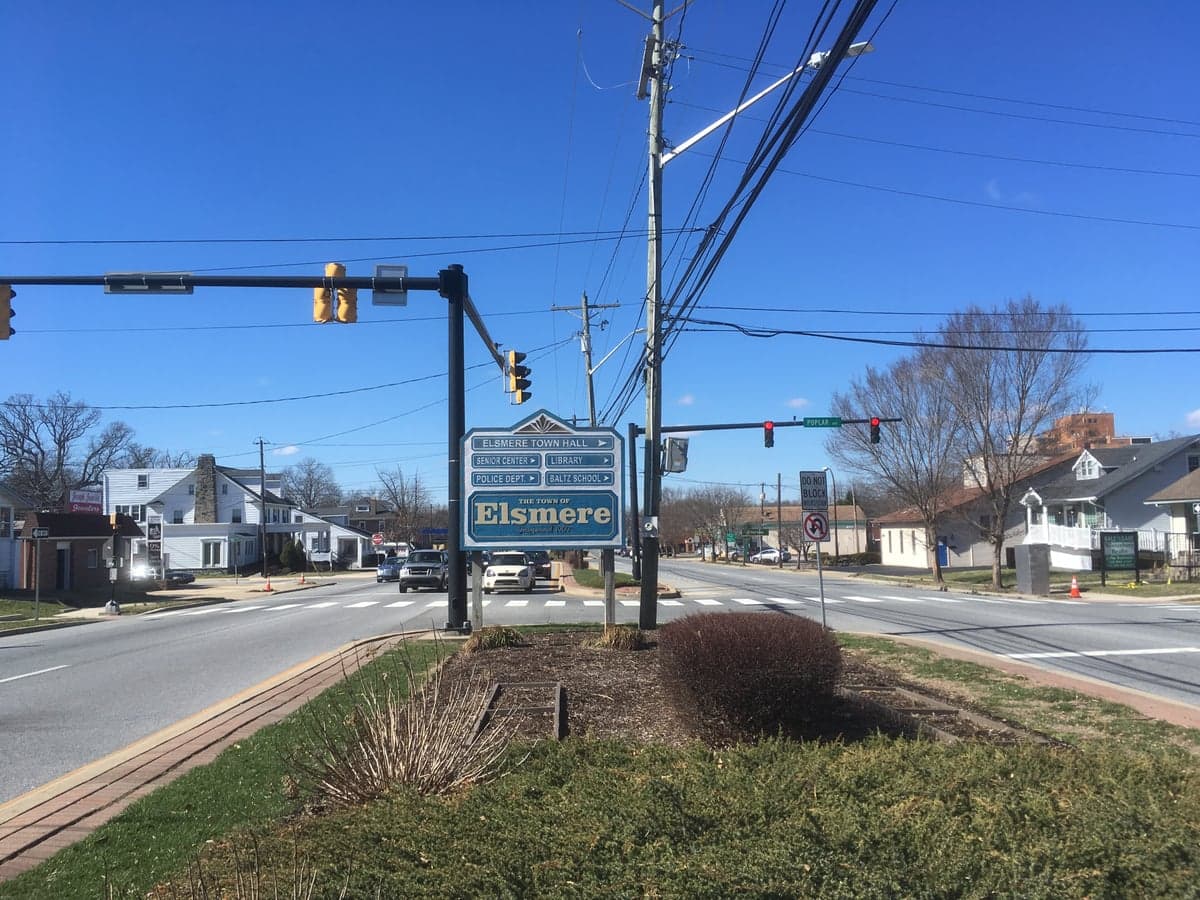
Photo: Wikipedia
Political ClimatePolitical Climate in Elsmere, DE
District shown is the primary district for this city’s centroid. Cities may span multiple districts.
Inherited from parent state — no local data available.
Local Political AnalysisPolitical Analysis of Elsmere, DE
Elsmere, Delaware, leans heavily Democratic with a Cook PVI of D+8, and honestly, it’s been trending that way for a while now. I remember when this town was a bit more of a mixed bag politically—you’d see yard signs for both sides, and folks kept their noses out of each other’s business. But over the last decade or so, the local government has shifted pretty hard toward progressive policies, and it feels like the old-school, live-and-let-live vibe is getting squeezed out. If you’re looking for a place where personal freedoms and common-sense governance still hold sway, you might want to keep reading before you pack your bags.
How it compares
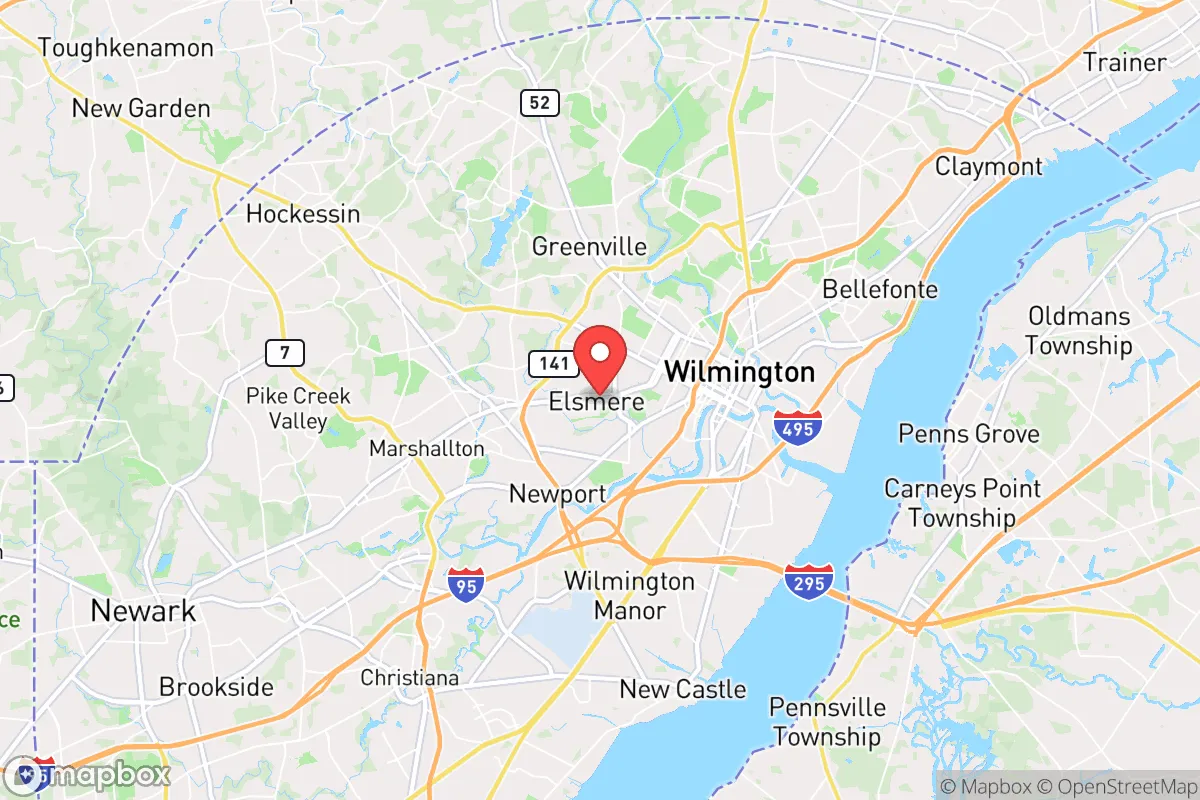
Elsmere sits in New Castle County, which is the bluest part of Delaware, so it’s not exactly a shocker that it votes D+8. But the contrast with nearby towns is stark. Hop over to Newark, and you’ll find a similar progressive tilt, driven by the University of Delaware crowd. Drive a little farther south to Middletown or Smyrna, though, and you’ll hit a more balanced political scene—places where people still push back on tax hikes and zoning overreach. Even Wilmington, just a few miles north, has a more diverse political mix in its suburbs than what you’ll find in Elsmere’s city council meetings. The town’s leadership has been cozying up to state-level progressive agendas, from affordable housing mandates to environmental regulations that sound good on paper but often land hard on small property owners. It’s a pattern you see in a lot of inner-ring suburbs: the closer you are to the urban core, the more you feel the weight of government telling you how to live.
What this means for residents
For folks living here, the political climate translates into real-life headaches. Property taxes have crept up as the town adopts more state-mandated programs, and there’s been a push for stricter rental inspection rules that some landlords say are just a backdoor way to control who can rent. The local school board has also leaned into progressive curriculum changes, which has sparked quiet grumbling among parents who’d rather see a focus on basics than social experiments. If you value keeping your own business private and not having the town council meddle in every little decision—like what kind of fence you can put up or how many cars you can park in your driveway—Elsmere’s trajectory is a bit of a red flag. The old days of “mind your own business” are fading fast, replaced by a growing list of do’s and don’ts from Dover.
One cultural distinction worth noting: Elsmere has a strong sense of community, with block parties and volunteer fire companies that still draw a crowd. But that community spirit is increasingly at odds with the political direction. You’ll hear longtime residents at the diner grumbling about how the town’s priorities have shifted from keeping streets safe and taxes low to chasing state grants for bike lanes and diversity programs. It’s not a bad place to live—yet—but if you’re someone who believes in limited government and personal responsibility, you might feel like a stranger in your own hometown before long. Keep an eye on the next few election cycles; if the trend holds, Elsmere could become a poster child for progressive overreach in small-town America.

State Political ClimatePolitical Climate in Delaware
State Political AnalysisPolitical Environment in the State
Delaware has long been a blue state in presidential elections, but its political climate is far more nuanced than the national headlines suggest. The state’s overall partisan lean is Democratic, driven primarily by the densely populated northern corridor from Wilmington to Newark, while the southern counties of Kent and Sussex remain reliably Republican. Over the past 20 years, the state has shifted leftward on social and economic issues, but the pace of that shift has been uneven, with recent in-migration from the Northeast and Mid-Atlantic accelerating progressive policy adoption in Dover and Wilmington.
Urban vs. rural divide
The political map of Delaware is a tale of two regions. New Castle County, home to over half the state’s population, is the Democratic stronghold. Wilmington, the state’s largest city, and its suburbs—like Newark, Bear, and Hockessin—vote overwhelmingly blue, often by margins of 60-70% in statewide races. This is where the state’s corporate headquarters, universities, and professional class are concentrated, and where progressive activism is most visible. In contrast, Kent County, anchored by Dover, is a swing area that has trended redder in recent cycles, while Sussex County—home to beach towns like Rehoboth Beach, Lewes, and Bethany Beach—is solidly Republican outside the tourist zones. The rural interior of Sussex, around towns like Georgetown and Millsboro, votes like the Deep South, with GOP margins often exceeding 20 points. This urban-rural split means that statewide elections are effectively decided in New Castle County, leaving southern Delaware feeling politically marginalized.
Policy environment
Delaware’s policy environment reflects its Democratic leadership, but with a moderate bent compared to neighboring states like Maryland or New Jersey. The state has no sales tax, which is a major draw for conservatives, but its income tax rates are among the highest in the region—ranging from 2.2% to 6.6%—and property taxes are moderate. The regulatory posture is business-friendly in name, but recent years have seen a push for stricter environmental rules and labor mandates. Education policy is a flashpoint: the state’s school choice program is limited, and the Biden administration’s influence has pushed for more federal-style curriculum mandates. Healthcare is heavily regulated, with a state-run exchange and Medicaid expansion. Election laws are a concern for conservatives: Delaware has no voter ID requirement, same-day registration, and no-excuse absentee voting, which critics argue undermines election integrity. The state also has a “blue slip” system for judicial appointments that gives the governor outsized control over the courts.
Trajectory & freedom
Over the past five years, Delaware has become less free in several key areas. The most alarming trend for conservatives is the erosion of Second Amendment rights. In 2024, Governor John Carney signed a package of gun control laws that included a ban on “assault weapons,” a 10-round magazine limit, and a requirement for a permit to purchase a handgun—one of the strictest in the nation. Parental rights have also taken a hit: the state’s Department of Education has pushed for “culturally responsive” curricula that critics say sidestep parental input, and a 2023 law expanded access to gender-affirming care for minors without parental consent. Medical autonomy is under pressure from vaccine mandates for healthcare workers and school staff, though these have been partially rolled back. Property rights remain relatively strong, but the state’s land use planning process is increasingly centralized, with Dover imposing growth boundaries on rural counties. On the tax front, there is no sign of relief: the state’s budget has grown by over 30% since 2020, and a proposed wealth tax on high earners was only narrowly defeated in 2025.
Civil unrest & political movements
Delaware has seen its share of political flashpoints, though they are less dramatic than in larger states. The most visible unrest came in 2020, when Wilmington experienced several nights of protests and property damage following the George Floyd killing, with activists calling for defunding the police—a demand that was largely rejected by the city council. Since then, the left-leaning activist group “Delaware Action” has organized around housing policy and environmental justice, while conservative groups like the “Delaware Family Alliance” have mobilized around school board elections and parental rights. Immigration politics are relatively quiet, but the state’s sanctuary policies—Wilmington and New Castle County have “welcoming city” ordinances—have drawn criticism from rural residents. Election integrity remains a hot-button issue: the 2024 election saw a lawsuit over the state’s use of drop boxes, and the Republican Party has called for a forensic audit of the 2020 results, though none has been conducted. A new resident would notice the political divide most acutely in the state’s media landscape, with Wilmington’s News Journal leaning left and the Delaware State News in Dover offering more balanced coverage.
Projection
Looking ahead five to ten years, Delaware is likely to continue its leftward drift, but the pace may slow as in-migration from red states like Florida and Texas brings more conservative voters to Sussex County. The biggest wildcard is the demographic shift: New Castle County is aging and losing young families to lower-cost areas, while Sussex County is booming with retirees and remote workers. If this trend holds, the political balance could shift, but the state’s gerrymandered legislative districts and the concentration of Democratic power in Wilmington make a statewide flip unlikely. The most realistic scenario is a continued stalemate: progressive policies in Dover and Wilmington, with rural areas fighting rear-guard actions on gun rights, school choice, and taxes. A new resident moving to Delaware in 2026 should expect to see more gun control, higher taxes, and a growing cultural divide between the northern suburbs and the southern countryside.
Bottom line for a new resident: Delaware offers a low-tax, low-regulation environment in its southern counties, but the state government in Dover is increasingly progressive. If you value gun rights, parental control over education, and limited government, you’ll find a welcoming community in Sussex County or rural Kent County, but you’ll need to stay politically engaged to protect those freedoms. The state’s small size means your vote matters more than in larger states, but the Democratic machine in New Castle County is well-entrenched. Choose your town carefully—Rehoboth Beach is a liberal enclave, while Millsboro is a conservative stronghold—and be prepared for a political climate that is friendlier to individual liberty in the south than in the north.
* Values derived from national, state, county, city and local statistics and may differ in a specific area. Last updated: 2026-04-29T20:09:49.000Z
Narrative content on this page is AI-generated and may contain mistakes. Verify any details that matter before acting on them.
ReloMaps may earn a commission from affiliate links at no extra cost to you.

