Photo: Wikipedia
Quality of Life in Essex Junction, VT
A high quality of life with strong walkability, manageable living costs, healthy neighborhood signals, and solid amenity access.
What does Quality of Life tell us?
Quality of Life blends cost of living, nearby amenities, socioeconomic signals, and neighborhood character. City-level scores represent the whole municipality; individual neighborhoods can differ.
What does this tell us?
Quality of Life blends cost of living, nearby amenities, socioeconomic signals, and neighborhood character. City-level scores represent the whole municipality; individual neighborhoods can differ.
Cost of Living
28% above national average
The Real Cost of Living in Essex Junction, VT for 2026
| Tier | Individual | Family (4) |
|---|---|---|
| Survival | $23k | $43k |
| Comfortable | $73k | $108k |
| Luxury | $147k+ | $229k+ |
| Elite (Top 5%) | $173k+ | $269k+ |
88%
The Area Signal
A metric tracking the socioeconomic signals of the area.
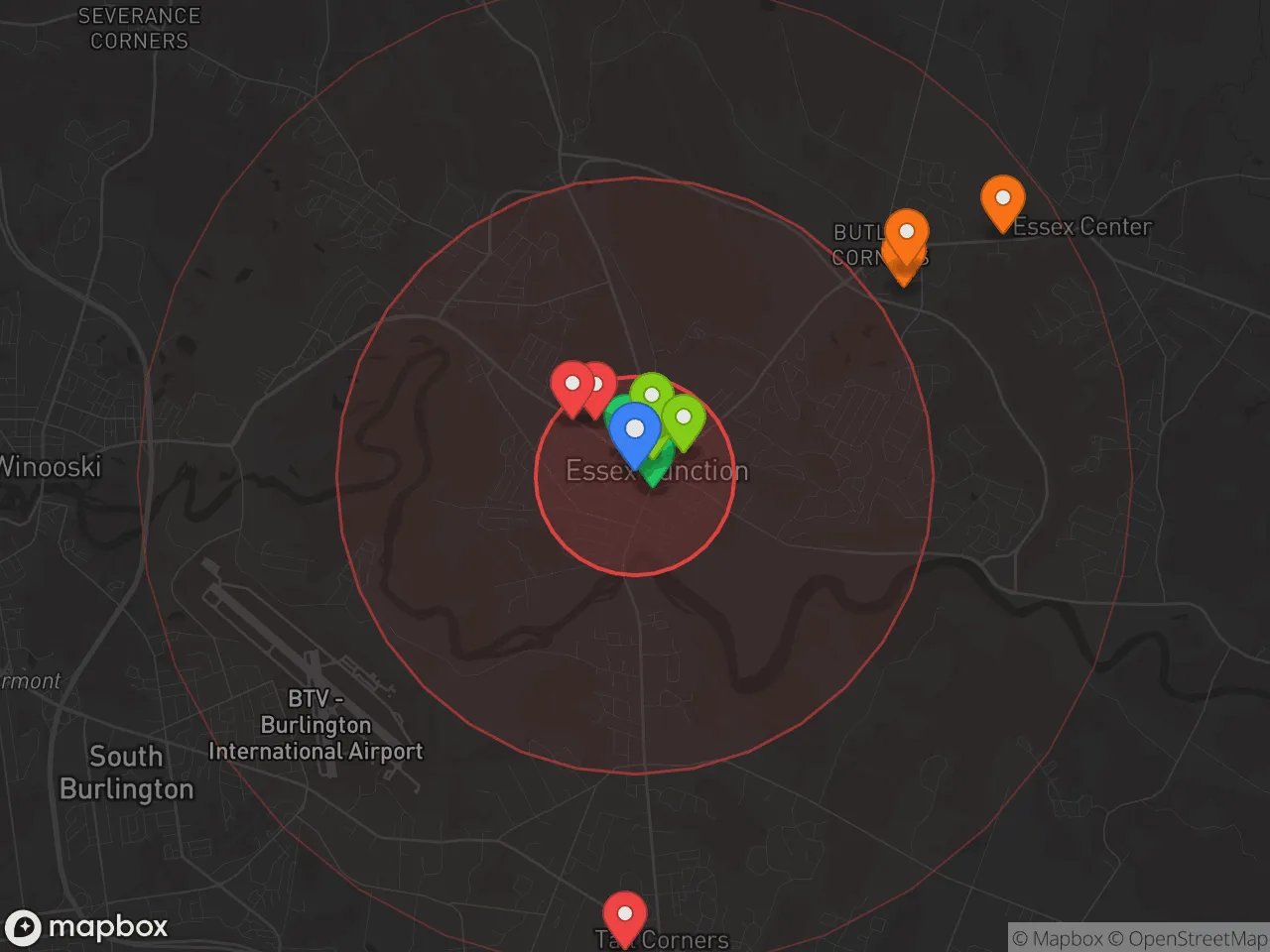
Hobbies
Explore the areaGroceries
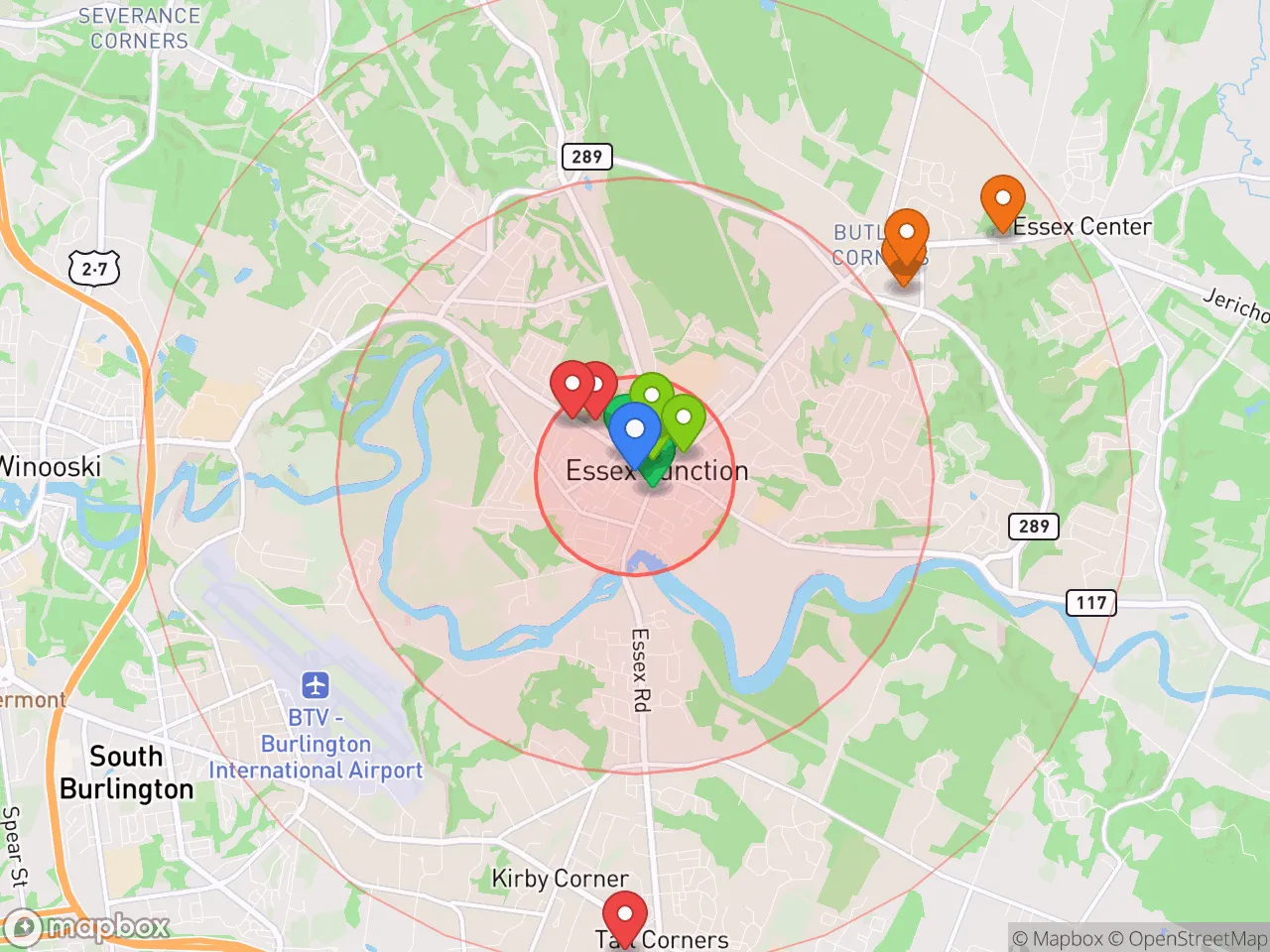
7 within 10 miles
Gas
20 within 10 miles
Hospital
1 within 20 miles
Airport
PDX — Portland International Jetport
Post Office
USPS — Essex Junction, VT
Critical Amenities
Quality-of-Life Analysis
Essex Junction, Vermont, is a prosperous and family-oriented village within the town of Essex, consistently ranking among the state’s most desirable places to live. With a cost of living index of 128 (28% above the U.S. average), the community attracts professionals, tech workers, and families drawn to its strong schools, low crime rates, and proximity to Burlington’s job market. The population skews educated and upper-middle-class, with a median household income well above Vermont’s state average, creating a stable, amenity-rich environment that feels both suburban and connected to nature.
Cost of living, housing, and how Essex Junction compares to nearby Burlington
Essex Junction’s cost of living is notably higher than the U.S. average, driven primarily by housing. The median home value sits at $376,800, significantly above Vermont’s statewide median of roughly $290,000, though still below Burlington’s median of around $450,000. Renters face a median monthly rent of $1,439, which is competitive compared to Burlington’s average of $1,600+ for a two-bedroom unit. While housing is expensive, residents benefit from lower property taxes than in Chittenden County’s core—Essex Town’s effective tax rate is about 1.8%, versus Burlington’s 2.2%. The average commute time of just over 20 minutes is a major advantage, as most workers can reach Burlington, South Burlington, or Winooski in under 25 minutes, avoiding the congestion found in larger metro areas. For those seeking affordability, neighboring towns like Colchester or Williston offer slightly lower home prices, but Essex Junction’s walkable village core and school system often justify the premium.
What daily life is like: amenities, schools, and local character
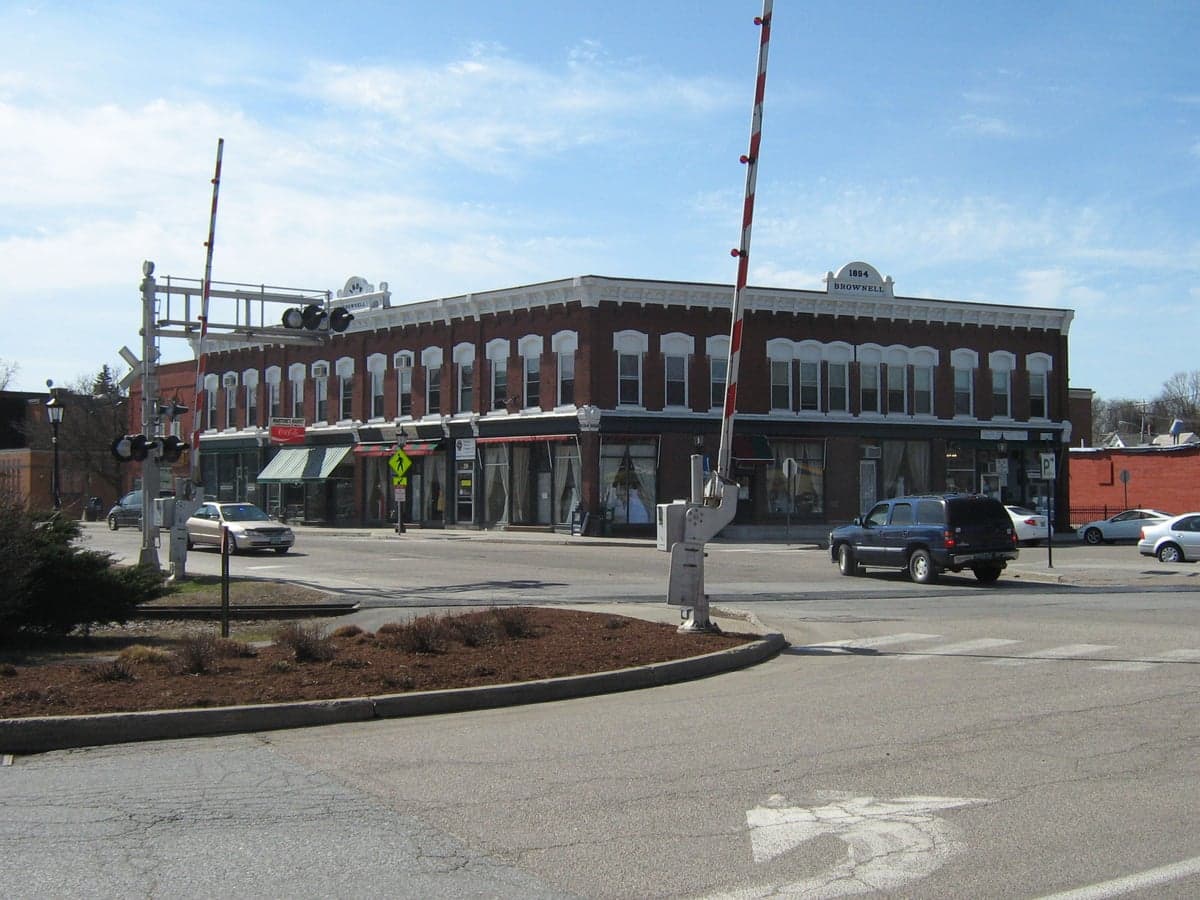
Daily life in Essex Junction revolves around its compact, walkable downtown—the Five Corners area—which hosts a library, coffee shops, a farmers’ market, and the Essex Experience retail complex. The village is served by the highly rated Essex Westford School District, with Essex High School consistently ranking among Vermont’s top public high schools for college prep and STEM programs. Outdoor recreation is immediate: the Indian Brook Reservoir and Essex Dog Park are within a 10-minute drive, and the 13-mile Island Line Trail connects cyclists to Burlington’s waterfront. The village lacks a major hospital, but the University of Vermont Medical Center in Burlington is only 15 minutes away. Dining leans toward farm-to-table casual, with staples like Pizzeria Verità and Kountry Kart Deli anchoring the food scene. The rhythm is quiet and family-centric—weekends often involve soccer games at Maple Street Park or volunteering at the local food shelf. While nightlife is minimal, the village hosts seasonal events like the Essex Junction Summer Concert Series and the Vermont Festival of the Arts.
Essex Junction is best suited for families, remote workers, and professionals who prioritize excellent schools, short commutes, and a safe, tight-knit community over urban excitement. Singles and young professionals may find the social scene limited compared to Burlington, but the village’s low crime rate, strong civic engagement, and access to nature make it a top choice for those raising children or seeking a slower pace. With housing costs that demand a solid dual-income household, the area rewards those who can afford its premium with a high quality of life that blends suburban convenience with Vermont’s outdoor ethos.

Crime in Essex Junction, VT
Generally safer than 71% of comparable U.S. locations.
Violent CrimeViolent Crime Analysis
Property CrimeProperty Crime Analysis
Crime Analysis
Essex Junction, Vermont, presents a crime profile that is notably higher than the state average but still below national benchmarks for similar-sized communities. With a violent crime rate of 213.8 per 100,000 residents and a property crime rate of 1,415.9 per 100,000, the village offers a mixed safety picture that prospective residents should examine closely, particularly given the progressive criminal justice policies prevalent in Chittenden County.
Crime in context
Essex Junction’s violent crime rate is roughly double the Vermont state average of approximately 110 per 100,000, though it remains significantly below the national average of about 380 per 100,000. Property crime in the village is also elevated relative to the state norm of roughly 1,100 per 100,000, but again falls short of the U.S. average of approximately 1,950 per 100,000. These figures place Essex Junction in a middle tier: safer than many urban centers nationwide, but notably riskier than most other Vermont communities. The village’s proximity to Burlington, a larger metro area with its own crime challenges, likely contributes to these elevated numbers through spillover effects.
What residents experience
Residents of Essex Junction report that property crime—particularly theft from vehicles and bicycle theft—is the most common public safety concern. The village’s walkable downtown and popular Five Corners intersection see occasional incidents of shoplifting and vandalism. Violent crime, while less frequent, is not absent; incidents of assault and robbery occur, often concentrated in the evening hours near commercial areas. A critical factor for potential residents is the influence of Chittenden County’s progressive judicial philosophy. The area’s district attorneys and judges have adopted policies emphasizing diversion programs, reduced cash bail, and lenient sentencing for non-violent offenders. While these measures aim to reduce incarceration rates, they have been linked to higher recidivism and a perception that property crimes carry minimal consequences. This environment can frustrate victims and create a sense that the justice system prioritizes offender rehabilitation over public safety.
Neighborhood-level variation
Safety in Essex Junction is not uniform. The newer, more affluent residential areas east of the village center—such as those near the Essex High School and the Essex Outlets—experience significantly lower crime rates than the older, denser neighborhoods around the Five Corners and the railroad tracks. The Maple Street and Park Street corridors see more frequent police calls for disturbances and theft. For those considering a move, choosing a home in the eastern or northern sections of the village can meaningfully reduce exposure to both property and violent crime. Regardless of location, residents should adopt standard urban precautions: locking vehicles, securing bicycles, and avoiding isolated areas after dark.
* Values derived from national, state, county, city and local statistics and may differ in a specific area. Last updated: 2026-04-24T12:16:37.000Z
Narrative content on this page is AI-generated and may contain mistakes. Verify any details that matter before acting on them.
ReloMaps may earn a commission from affiliate links at no extra cost to you.

