Photo: Wikipedia
Find The Best Places To Live
in Eugene
PRO TIP! You can paste a Zillow or Redfin link to get info on that property.
What It's Like Living in Eugene, OR
Eugene is a city that wears its contradictions on its sleeve. It’s a liberal college town with a deep streak of counterculture, yet it’s also a place where people genuinely care about their neighbors and the outdoors. You’ll see Subarus with “Keep Oregon Weird” bumper stickers parked next to pickup trucks at the Saturday Market, and the vibe is less “crunchy granola” and more “earnest, slightly damp, and ready for a hike.” It’s a city that feels smaller than its population of 177,520, largely because the University of Oregon dominates so much of the daily rhythm and identity.
Daily Rhythm: What People Actually Do
Most days in Eugene start with a coffee from a local roaster like Wandering Goat or Tailored Coffee, often followed by a walk or bike ride along the Willamette River. The city is built for active, outdoor-oriented living, and the average commute of just over 18 minutes means you’re not wasting hours in traffic. People shop at the Eugene Saturday Market (a massive, long-running open-air market with local produce, crafts, and food carts) or hit the 5th Street Public Market for a more curated experience. Weekends are often spent hiking in Spencer Butte or Mount Pisgah, or floating the Willamette River in the summer. The food scene is solid but not flashy—think farm-to-table staples like Marché and Plaid Pantry for quick bites, plus a surprising number of excellent food carts. For a night out, locals gravitate toward The Bier Stein for craft beer or Level Up for arcade games and pizza.
Sports & Community: The Ducks Are Everything
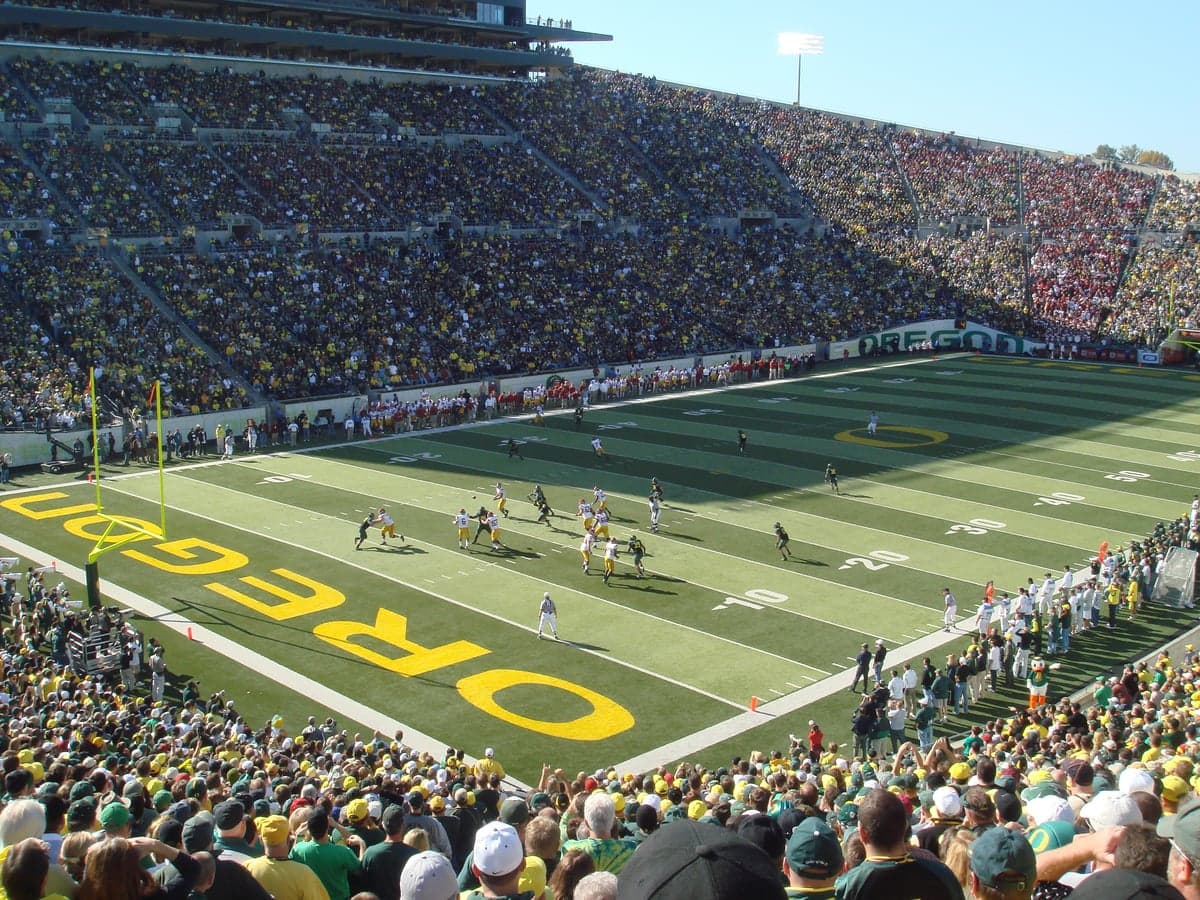
If you live in Eugene, you live with the Oregon Ducks. University of Oregon football is the city’s biggest shared experience—game days at Autzen Stadium turn the entire town into a sea of green and yellow, with tailgating starting at dawn. It’s not just football; Oregon men’s basketball and track and field (Hayward Field is legendary) also draw huge crowds. High school sports are a big deal too, especially at South Eugene High School and Sheldon High School, where cross-country and soccer are deeply woven into the community. There’s no major pro team, but the Eugene Emeralds (a minor league baseball team) offer a low-key, family-friendly summer option. For a conservative-leaning audience, it’s worth noting that the Ducks’ culture is more about civic pride than political alignment—it’s one of the few things that unites the whole city.
What’s There to Do: Festivals, Parks, and Quirks
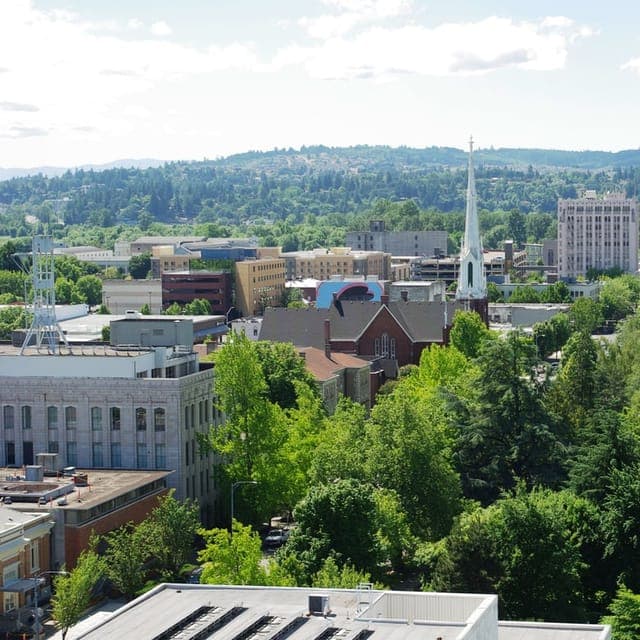
Eugene punches above its weight in festivals. The Oregon Country Fair (just outside town) is a massive, three-day arts-and-crafts festival that’s equal parts hippie and family-friendly. The Eugene Celebration and Art & the Vineyard are more mainstream. Music venues like McDonald Theatre and WOW Hall host everything from indie rock to folk. Outdoor life is the main draw: Skinner Butte offers a quick hike with city views, Alton Baker Park has miles of trails, and the Willamette River is a central feature for kayaking and fishing. A notable quirk: Eugene is home to the Eugene Ballet and a surprisingly active classical music scene, but also to the Britt Festival in nearby Jacksonville. The city’s identity is proudly progressive, with a strong emphasis on sustainability—recycling and composting are taken very seriously, and you’ll see more bike lanes than you might expect for a city of this size.
Pros and Cons of Living Here
What longtime residents love: The access to nature is unmatched—you can be in the Cascade Mountains or on the Oregon Coast within 90 minutes. The community is genuinely friendly and engaged, with a strong sense of local identity. The cost of living, while high (index of 131, with a median home value of $435,400), is still lower than Portland or Bend. The weather is mild year-round, though it rains a lot (about 45 inches annually).
What frustrates them: The violent crime rate is 344.9 per 100,000, which is above the national average and a real concern, especially in areas near downtown and the university. Property crime, particularly bike theft and car break-ins, is a constant annoyance. The job market is heavily tied to the university and healthcare (PeaceHealth is a major employer), with a median income of $63,836—decent but not high for the cost of living. The city’s politics are overwhelmingly liberal, which can feel isolating for conservative residents, though most people are polite about it. Traffic is minimal by big-city standards, but the lack of a major highway means getting anywhere takes longer than you’d expect. Schools are generally good, with Eugene School District 4J offering strong programs, though many families opt for private or charter options.
Eugene is a place for people who value community, the outdoors, and a slower pace—but who can tolerate rain, a higher cost of living, and a political culture that leans hard left. It’s not for everyone, but for the right person, it’s a genuinely good place to put down roots.

Similar small cities to Eugene
* Values derived from national, state, county, city and local statistics and may differ in a specific area. Last updated: 2026-05-02T08:40:01.000Z
Narrative content on this page is AI-generated and may contain mistakes. Verify any details that matter before acting on them.
ReloMaps may earn a commission from affiliate links at no extra cost to you.

