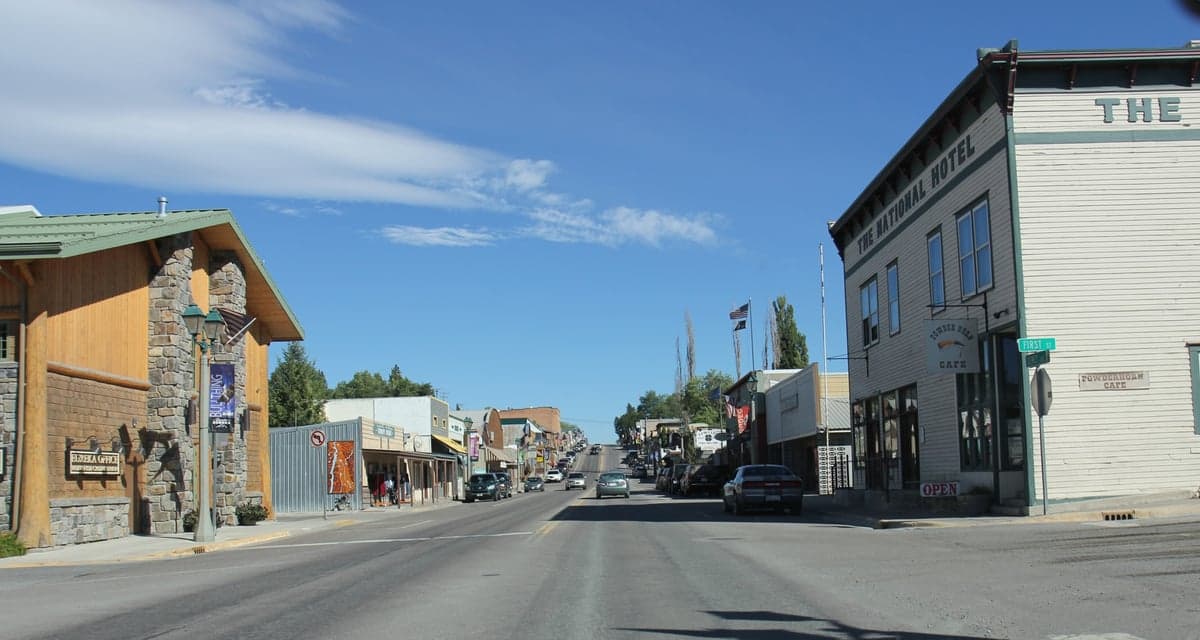
Photo: Wikipedia
Find The Best Places To Live
in Eureka
PRO TIP! You can paste a Zillow or Redfin link to get info on that property.
What It's Like Living in Eureka, MT
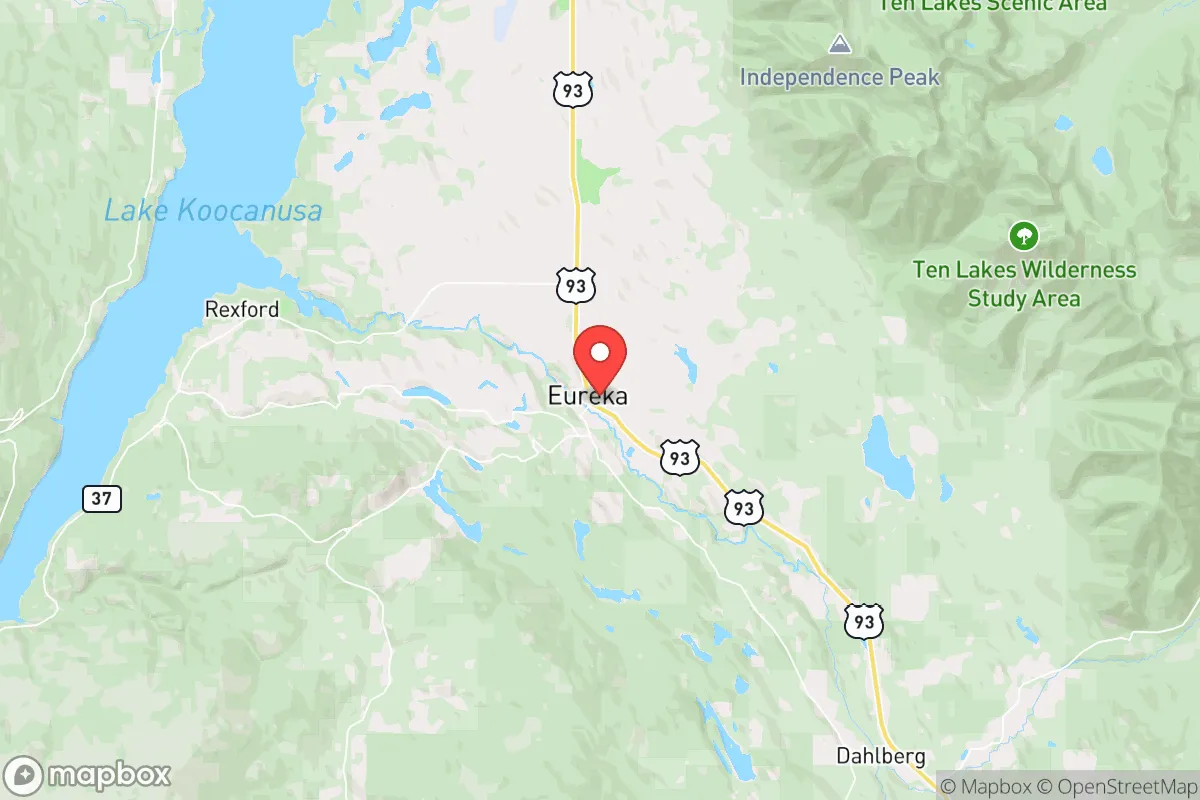
Eureka, Montana, sits just a few miles from the Canadian border in the Kootenai River valley, and it feels like a place that time forgot in the best possible way. With a population hovering around 2,000, this is a working-class town where people know each other by name, and the biggest decision of the day is whether to hit the lake or the woods after work. It’s not for everyone, but for the right person—someone who values quiet, self-reliance, and a deep connection to the outdoors—it can feel like a hidden gem.
The Daily Rhythm: Slow, Self-Reliant, and Rooted in the Outdoors
Life in Eureka moves at a pace that can feel jarring to someone from a city. The average commute is just over 19 minutes, which means most people work locally—often in logging, small-scale manufacturing, or the service industry—or they make the longer drive to Libby or even Kalispell for work. The median household income is $43,750, which is modest, but the cost of living index sits at 77 (well below the national average of 100), so that money stretches further here than almost anywhere else in the state. A median home value of $172,300 means a solid three-bedroom house is within reach for a family with one steady income, something that’s becoming rare in Montana’s more popular towns.
Weekends are spent on the water or in the forest. Lake Koocanusa, a massive reservoir created by the Libby Dam, is a 15-minute drive west and is the center of summer life—fishing for walleye and rainbow trout, boating, and camping at spots like Rexford Bench. In winter, the focus shifts to snowmobiling and ice fishing, with the nearby Tobacco River offering a quieter alternative. The town itself has a small grocery store, a hardware store, and a handful of local eateries like the Branding Iron for steaks and the Koocanusa Café for a no-frills breakfast. There’s no mall, no chain restaurants beyond a Subway, and no movie theater—entertainment is what you make it.
Sports, Community, and the Local Identity
High school sports are the heartbeat of Eureka’s social calendar. The Eureka Lions (Class B) draw a solid crowd for Friday night football in the fall, and basketball games in the winter pack the gym. There’s no pro or college team within two hours, so the Lions are the main event. The community takes genuine pride in the kids, and a state championship run—the Lions have had a few in football and wrestling—is a town-wide celebration. Beyond school sports, the local identity is shaped by the Tobacco Valley Rodeo, held every July, which brings in competitors from across the region and is the biggest social gathering of the year. It’s a classic small-town rodeo: mutton busting, barrel racing, and a parade down the main drag.
Cultural quirks are subtle but real. People here are fiercely independent and generally skeptical of government overreach, which aligns with the broader conservative leaning of Lincoln County. You’ll see more pickup trucks than sedans, and the local bars—like the Silver Spur Saloon—are places where logging crews and ranchers unwind after a long day. There’s a strong volunteer ethic: the fire department is all-volunteer, and the annual Eureka Festival in August is run entirely by locals. The median age is 37.7, which is younger than many rural Montana towns, suggesting a steady trickle of families and younger couples who’ve chosen this life deliberately.
What’s There to Do: Honest Pros and Cons of Living Here
The biggest pro is the safety and peace of mind. The violent crime rate is literally zero per 100,000 people—that’s not a typo. Property crime is low, and most people don’t lock their doors. For parents, this is a place where kids can ride bikes to the park without worry, and the local school system, while small (K-12 in one building), is tight-knit and involved. The downside is that only 7.4% of adults hold a college degree, which reflects the limited white-collar job market. If you work remotely or have a trade, you’ll do fine; if you’re looking for a tech hub or a vibrant arts scene, you’ll be disappointed.
- Pros: Unbeatable outdoor access (hunting, fishing, hiking, snowmobiling), extremely low crime, affordable housing, strong community bonds, minimal traffic.
- Cons: Limited job diversity, few dining or entertainment options, harsh winters (heavy snow, temps below zero for weeks), remote location—nearest major airport is Kalispell (2 hours) or Spokane (3 hours).
The weather is a real factor. Winters are long and snowy, with the valley often socked in by inversion clouds. Summers are short but glorious—warm, dry, and bug-free compared to other parts of Montana. The seasonal rhythm dictates everything: spring is for prepping gardens and boats, summer is for the lake, fall is for hunting season (deer and elk are abundant), and winter is for hunkering down or hitting the snowmobile trails. It’s a life that rewards self-sufficiency and a tolerance for solitude. If that sounds like your speed, Eureka might just be the quiet corner of Montana you’ve been looking for.

Similar small towns to Eureka
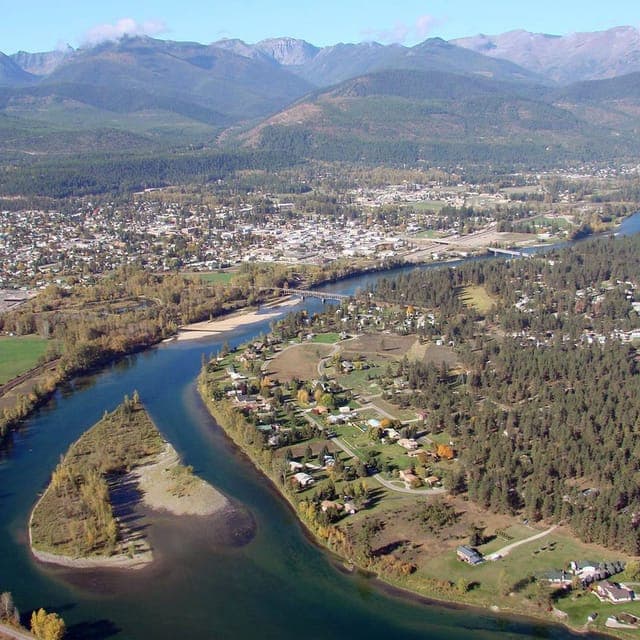
* Values derived from national, state, county, city and local statistics and may differ in a specific area. Last updated: 2026-04-30T03:00:54.000Z
Narrative content on this page is AI-generated and may contain mistakes. Verify any details that matter before acting on them.
ReloMaps may earn a commission from affiliate links at no extra cost to you.

