Photo: Wikipedia
Find The Best Places To Live
in Stevensville
PRO TIP! You can paste a Zillow or Redfin link to get info on that property.
What It's Like Living in Stevensville, MT
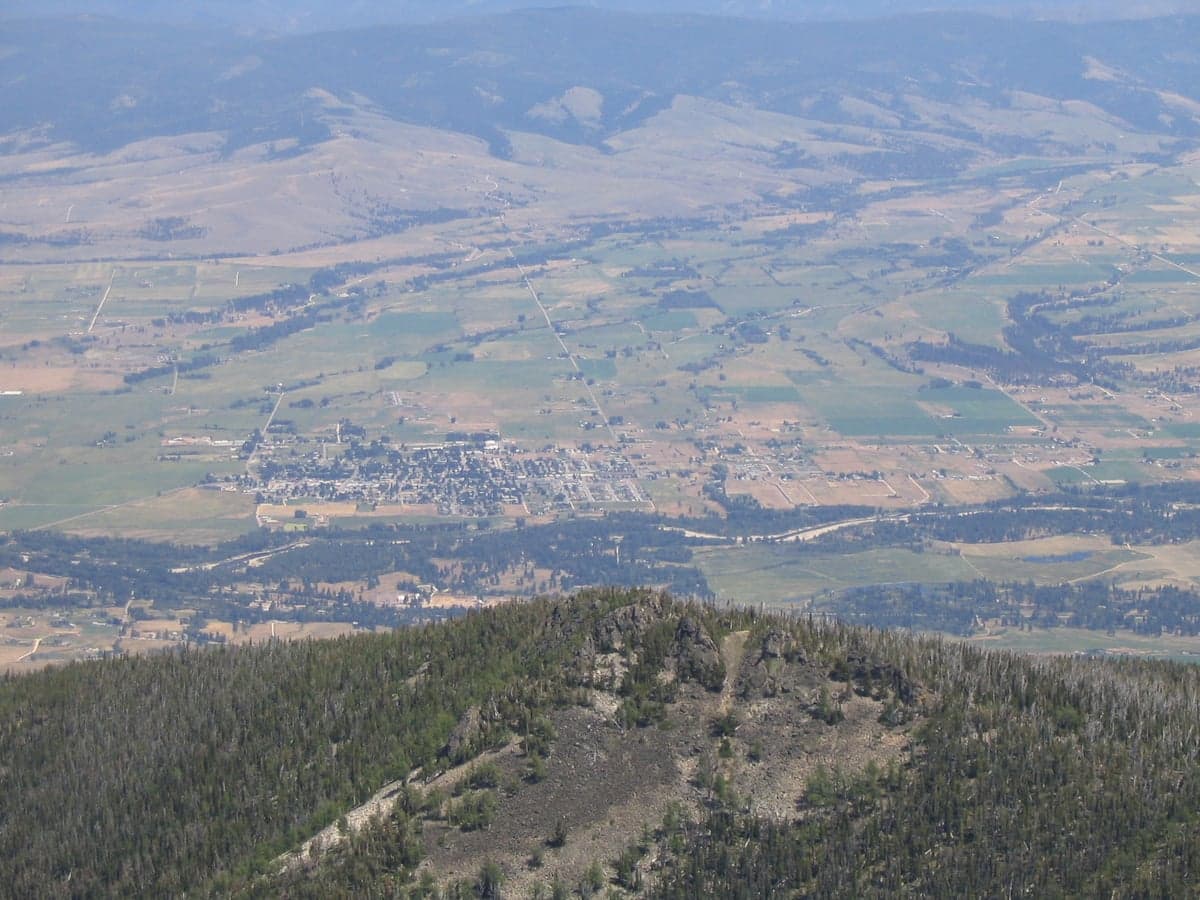
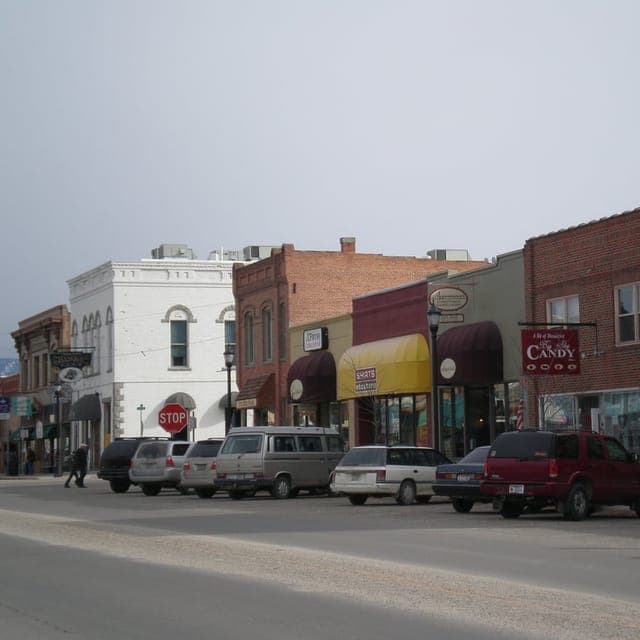
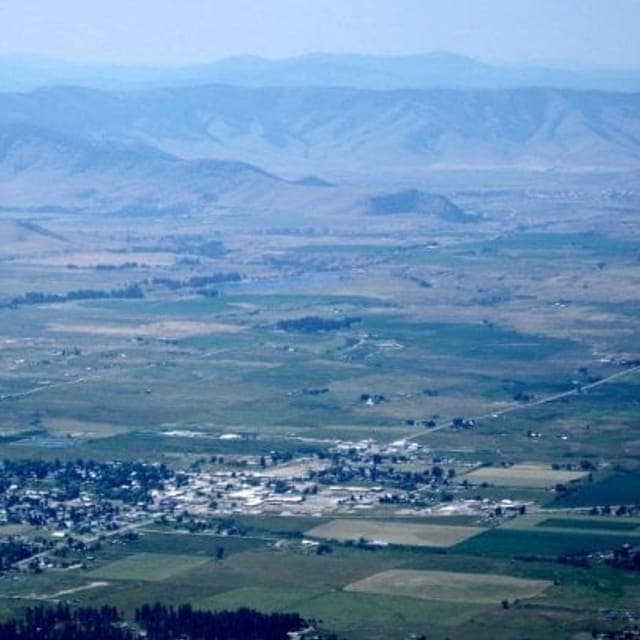
Stevensville feels less like a town and more like a front porch where everyone knows your dog’s name. With just over 2,100 residents, it’s the quiet, unpretentious neighbor of the Bitterroot Valley—a place where the main drag still has a hardware store that sells fishing licenses, and the biggest traffic jam is a tractor turning onto Highway 93. If you’re looking for a Montana that hasn’t been polished for Instagram, this is it.
The Daily Rhythm: Slow Mornings and Long Views
Life here moves at a pace that takes city transplants a full season to adjust to. Most people work in Missoula (a 25-minute commute up the valley) or in local trades, agriculture, or the school district. The average commute clocks in at just under 25 minutes, which feels about right—long enough to listen to a podcast, short enough that you’re never truly away from the mountains. The median household income sits at $52,745, which goes further here than in many places because the cost of living is exactly at the national average (index of 100). That’s a rare balance in western Montana, where housing has shot up faster than wages. Groceries happen at the local IGA or the Missoula Costco run, and weekend mornings are for grabbing coffee at Black Coffee Roasting Company on Main Street, then heading to the Stevensville Farmers Market (June through September) for produce and handmade goods.
Who Fits In—and Who Doesn’t
Stevensville attracts people who value quiet over convenience and community over amenities. The median age is 38.9, which tilts slightly older than the national average, but you’ll find a mix of young families priced out of Missoula, retirees who want a slower pace, and tradespeople who grew up here and never left. About 23.4% of adults hold a college degree—lower than the national average, but that reflects a workforce heavy on construction, farming, and small business rather than white-collar remote work. The kind of person who thrives here is someone who doesn’t mind driving 20 minutes for a sit-down dinner, who can entertain themselves with a fishing rod or a hiking trail, and who values knowing their neighbors by first name. If you need a nightlife scene, a Target, or a sense of anonymity, this isn’t the place.
Sports, Community, and the Things That Bring People Together
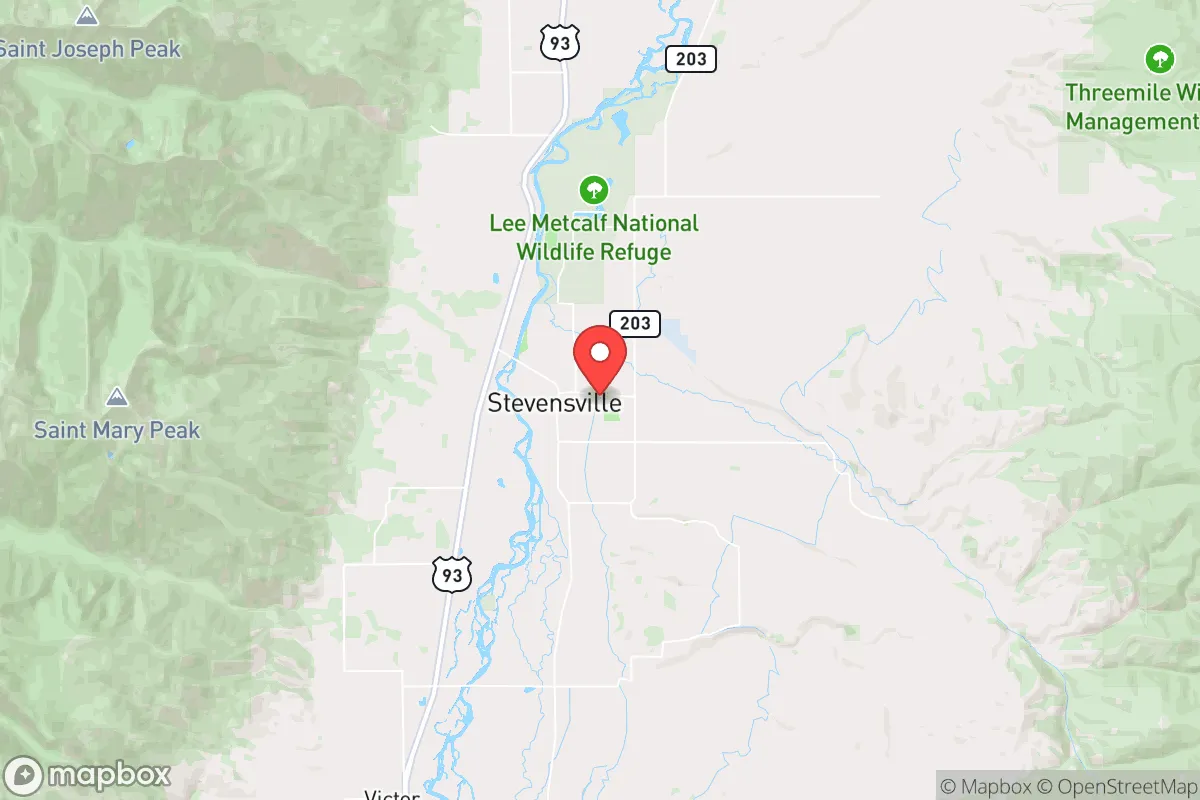
High school sports are the main event. Stevensville High School Yellowjackets football and basketball games draw the whole town on Friday nights—not because the teams are state powerhouses (though they’ve had their years), but because there’s genuinely nothing else competing for attention. The bleachers are full of parents, grandparents, and local business owners who’ve sponsored a jersey. There are no professional or college sports teams within an hour, so the community rallies around its own. Beyond athletics, the Stevensville Creamery Picnic Days in July is the town’s biggest annual event—a parade, a carnival, and a chance for everyone to catch up. The Lee Metcalf National Wildlife Refuge, just south of town, is where locals go for birdwatching, flat walks, and the occasional bald eagle sighting. For serious hiking, the Bitterroot National Forest trails start 15 minutes east of town.
Pros and Cons of Living in Stevensville
- Pro: Safety. The violent crime rate is literally zero per 100,000 residents. People leave their keys in their trucks and their doors unlocked. It’s the kind of place where a lost wallet shows up on your porch the next day.
- Pro: Housing value. The median home value is $336,500. That’s steep for a town this size, but it’s still $100,000 less than Missoula and $200,000 less than Bozeman. You get more house and more land for the money.
- Con: Limited amenities. There’s no hospital (closest is in Hamilton, 15 minutes south), no movie theater, and no chain restaurants beyond a Subway and a Pizza Hut. For anything beyond basic groceries or a hardware store item, you’re driving to Missoula.
- Con: Winter isolation. From November through March, the valley can get socked in with inversions—gray skies and cold that last for weeks. The snow isn’t as deep as the mountains, but the lack of sun wears on some people.
- Con: Job market. With a median income of $52,745, local wages don’t always match the rising home prices. Most well-paying jobs require a commute or remote work.
The Cultural Quirks That Define the Place
Stevensville is the oldest permanent settlement in Montana (founded in 1841 by Jesuit missionaries), and that history is a quiet point of pride. The St. Mary’s Mission site is a local landmark, and the town’s identity is rooted in agriculture and self-reliance rather than tourism. You’ll see more lifted trucks than Subarus, more American flags than yard signs. The local bar, The Frontier Club, is where you go for a beer and a burger—no craft cocktail list, no pretension. The biggest cultural friction point is the tension between longtime ranching families and newer arrivals from California or Washington, but it’s a polite tension; people wave at everyone regardless of license plates. The schools—Stevensville Public Schools—are the social hub for families, with parent-teacher events and sports doubling as the town’s social calendar. If you’re a parent, you’ll know every teacher by name by the end of your first year.

Similar small towns to Stevensville

* Values derived from national, state, county, city and local statistics and may differ in a specific area. Last updated: 2026-04-30T04:41:02.000Z
Narrative content on this page is AI-generated and may contain mistakes. Verify any details that matter before acting on them.
ReloMaps may earn a commission from affiliate links at no extra cost to you.

