Photo: Wikipedia
Political ClimatePolitical Climate in Fernley, NV
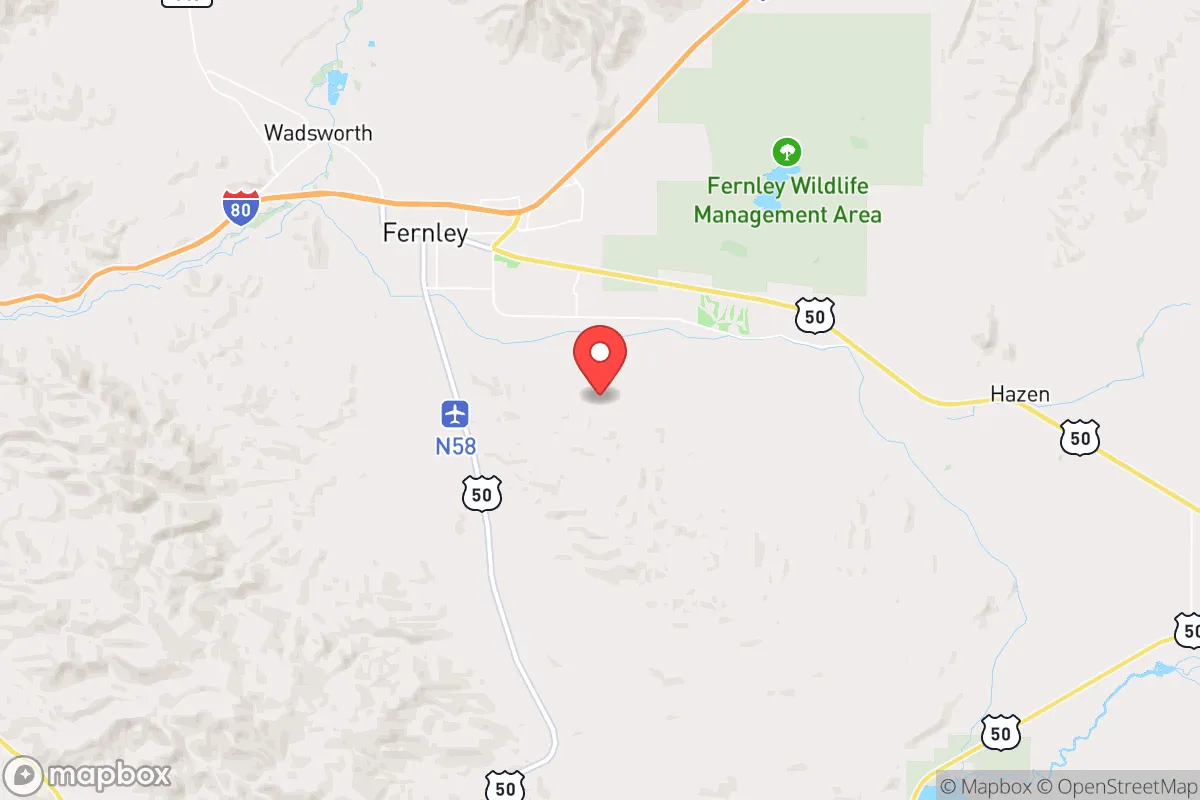
District shown is the primary district for this city’s centroid. Cities may span multiple districts.
Local Political AnalysisPolitical Analysis of Fernley, NV
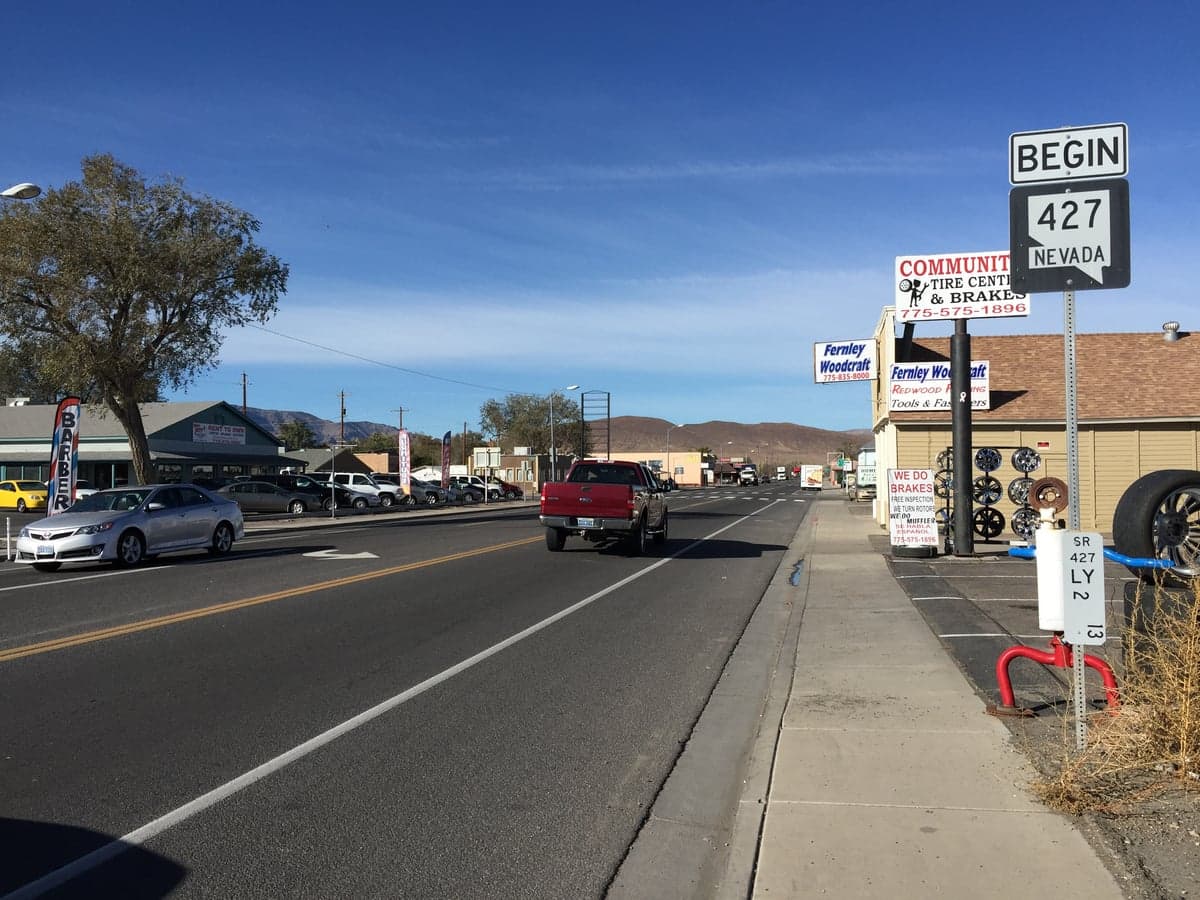
Fernley, Nevada, has long been a solidly conservative community, and that hasn't changed much despite the state's broader blue shift. The Cook PVI of R+7 tells you the math: this area leans Republican by a comfortable margin, and it's been that way for decades. You'll see it in local elections, in the yard signs, and in the general attitude around town. But I've been here long enough to notice the winds shifting, and not always for the better. The real story is how Fernley's politics compare to the chaos in Reno and the steady leftward drift of the state capitol, and what that means for folks who just want to be left alone to live their lives.
How it compares
Drive twenty minutes west to Sparks or Reno, and you're in a different world. Washoe County has been trending blue for years, and Reno's city council is full of folks who think more government is the answer to everything. Fernley, by contrast, feels like a holdout. We're closer in spirit to Fallon or Yerington—smaller towns where people still believe in personal responsibility and don't want some bureaucrat telling them how to run their business or what to do with their property. Lyon County as a whole votes red, but Fernley is the anchor. The contrast is stark: you can go from a place where the county commission respects the Second Amendment and property rights to a city where they're debating zoning restrictions and "equity" programs in under an hour. That's the kind of split that makes you appreciate what we've got here, even as you worry about it slipping away.
What this means for residents
For the average person living in Fernley, the conservative lean means lower taxes and fewer headaches from local government. You're not dealing with the kind of overreach you see in bigger cities—no mask mandates that last forever, no heavy-handed business closures, no nonsense about "sanctuary city" policies that put law-abiding citizens at risk. The county commission here generally understands that their job is to keep the roads paved and the sheriff funded, not to micromanage your life. But there's a creeping concern. As Reno's housing crisis pushes more people east, we're seeing new faces who bring big-city ideas with them. Some of those folks want to "improve" things—more regulations, more fees, more committees. So far, the old guard has held the line, but it's something to keep an eye on. If you value your freedoms, you want to make sure the next election cycle doesn't flip the balance.
One thing that sets Fernley apart culturally is the no-nonsense attitude toward property and privacy. You can still buy a decent piece of land out here without a dozen permits and a year of waiting. The local government hasn't gone down the path of telling you what color to paint your house or how many chickens you can keep. That's a big deal for folks who moved here to escape the suffocating rules of California or even just Reno. The downside? The infrastructure is catching up slowly, and there's a tension between keeping things free and keeping things functional. But I'd rather have a little dust on the roads than a zoning board in my backyard. Long-term, if Fernley stays true to its roots, it'll remain a refuge for people who want to live their own way. If it starts chasing the progressive trends of the cities to the west, we'll lose what makes this place worth fighting for.

State Political ClimatePolitical Climate in Nevada
State Political AnalysisPolitical Environment in the State
Nevada is a classic swing state with a libertarian streak, but over the last 20 years it has shifted from a reliably red-leaning purple state to a blue-leaning one, driven almost entirely by the explosive growth of the Las Vegas metro area. The state’s overall partisan lean is now a narrow Democratic tilt — Biden won it by just 2.4 points in 2020, and the 2022 gubernatorial race was a nail-biter — but that veneer hides a deeply divided political landscape where the rural counties vote like Texas and Clark County votes like California. For a conservative considering relocation, the key question is whether the state’s famous “live and let live” ethos still holds, or if the progressive wave from the Strip is washing over the rest of the state.
Urban vs. rural divide
The political map of Nevada is a tale of two worlds. Clark County (Las Vegas) contains about 73% of the state’s population and votes reliably Democratic — in 2020, Biden won it by 9 points. The city of Las Vegas itself is a Democratic stronghold, but its suburbs tell a more nuanced story. Henderson, the second-largest city, has been trending left but still has competitive pockets, especially in the master-planned communities like Green Valley and Anthem where fiscally conservative, socially moderate voters live. Reno and Sparks in Washoe County are the swing counties — Washoe went for Biden by 5 points in 2020, but it’s a bellwether that can flip. The real conservative heartland is everywhere else: Elko in the northeast, Pahrump in Nye County, and Mesquite in the Virgin River valley all vote Republican by 30-40 point margins. Douglas County (Minden/Gardnerville) is the most reliably conservative suburban area, voting +35 R in 2024. The urban-rural divide is so stark that a conservative moving to rural Nevada will feel like they’re in a different country than someone in downtown Las Vegas.
Policy environment
Nevada’s policy environment is a mixed bag for conservatives. The good news: no state income tax is enshrined in the constitution, and the sales tax is moderate (around 8.25% in Clark County). Property taxes are capped at 3% annual increases, making long-term homeownership predictable. The bad news: the state has a heavy regulatory posture on housing and land use, especially in Clark County, where the Southern Nevada Water Authority and the Bureau of Land Management control most developable land. Education policy is a sore spot — Nevada consistently ranks near the bottom nationally in K-12 outcomes, and the teachers’ union (NSEA) is powerful. School choice exists in the form of charter schools and a modest Education Savings Account program (passed in 2015 but gutted by court challenges), but it’s not the robust system you’d find in Arizona or Florida. Healthcare is dominated by a few large systems (Renown in Reno, UMC in Vegas), and the state expanded Medicaid under the ACA. Election laws are relatively loose: no voter ID requirement (though a 2021 law added signature verification), universal mail-in ballots were made permanent in 2021, and same-day registration is allowed. For a conservative, the tax structure is a major draw, but the regulatory and education environments are headwinds.
Trajectory & freedom
On the freedom front, Nevada is a study in contradictions. Gun rights are strong — the state has permitless carry (passed in 2021), no magazine bans, and a “Shall Issue” concealed carry system. But in 2023, the Democratic legislature passed a ban on “ghost guns” and raised the purchase age for semiautomatic rifles to 21, which was signed by Governor Lombardo (a Republican). Parental rights took a hit in 2023 when the state passed a law allowing minors as young as 12 to consent to gender-affirming care without parental notification — a flashpoint for conservative families. Medical autonomy is mixed: the state has legal recreational marijuana (since 2016) and a robust medical cannabis program, but vaccine mandates were enforced during COVID, and the state health department retains broad emergency powers. Property rights are under pressure from the federal government, which owns about 85% of Nevada’s land — the “Sagebrush Rebellion” is alive and well in rural counties like Nye and Elko, where locals resent BLM control. The trajectory is concerning: the legislature has been under Democratic control since 2019, and while Governor Lombardo has vetoed some overreach (like a 2023 bill that would have banned firearms on public transit), the progressive agenda is advancing incrementally. The state is becoming less free on social issues and parental rights, even as it remains tax-friendly.
Civil unrest & political movements
Nevada has seen its share of political flashpoints. The 2020 election integrity controversy was intense here — Clark County’s mail-in ballot process was heavily scrutinized, and the state GOP filed multiple lawsuits. The “Stop the Steal” movement had a strong presence in rural counties, with rallies in Carson City and Elko. On the left, the 2020 George Floyd protests in Las Vegas turned violent, with looting on the Strip and a state of emergency declared. The sanctuary state debate is ongoing: Nevada is not a formal sanctuary state, but Clark County has a “welcoming city” ordinance limiting cooperation with ICE, which has created tension with rural sheriffs. The “Sagebrush Rebellion” is a persistent movement in rural Nevada, with activists pushing for state control of federal lands — a 2024 bill in the legislature to study land transfer was killed by Democrats. Immigration politics are a live wire: the state’s large Latino population (about 30%) is a key voting bloc, and both parties court it. A new resident would notice the political polarization most visibly in the stark contrast between a Las Vegas Strip billboard (often progressive messaging) and a Pahrump gun show (where “Don’t Tread on Me” flags fly).
Projection
Over the next 5-10 years, Nevada is likely to continue its slow leftward drift, but not as fast as California or Colorado. The key demographic driver is in-migration from California — about 40,000 Californians move to Nevada each year, and while many are fiscally conservative refugees, a significant portion bring progressive voting habits. The Las Vegas suburbs (Henderson, Summerlin) are filling up with moderate Democrats and independents, while rural counties are aging and losing population. The 2024 election will be a critical test: if Trump wins Nevada (he lost it by 33,000 votes in 2020), it could signal a rural backlash that slows the leftward trend. But the long-term math favors Democrats as Clark County grows. For a conservative moving in now, expect to see: continued Democratic control of the legislature, more restrictions on gun rights (magazine bans are likely), expansion of “sanctuary” policies, and a growing cultural divide between the Vegas metro and the rest of the state. The tax advantage will remain, but the social and regulatory environment will become more California-like over time.
Bottom line for a new resident: Nevada is still a good bet for a conservative who values low taxes and gun rights, but you need to pick your county carefully. If you move to Douglas County or Elko, you’ll find a community that shares your values. If you move to Las Vegas or Reno, you’ll be in a blue bubble where the culture war is real. The state’s trajectory is concerning — the progressive agenda is advancing, and the legislature is increasingly hostile to parental rights and gun ownership. But the tax structure and the libertarian ethos that still lingers in rural areas make it a better option than most blue states. Just don’t expect it to stay the same for the next decade.
* Values derived from national, state, county, city and local statistics and may differ in a specific area. Last updated: 2026-04-30T01:27:57.000Z
Narrative content on this page is AI-generated and may contain mistakes. Verify any details that matter before acting on them.
ReloMaps may earn a commission from affiliate links at no extra cost to you.

