Quality of Life in Filadèlfia, PA
A livable area that tracks near national norms for affordability, walkability, and neighborhood health.
What does Quality of Life tell us?
Quality of Life blends cost of living, nearby amenities, socioeconomic signals, and neighborhood character. City-level scores represent the whole municipality; individual neighborhoods can differ.
What does this tell us?
Quality of Life blends cost of living, nearby amenities, socioeconomic signals, and neighborhood character. City-level scores represent the whole municipality; individual neighborhoods can differ.
Cost of Living
1% above national average
The Real Cost of Living in Filadèlfia, PA for 2026
| Tier | Individual | Family (4) |
|---|---|---|
| Survival | $21k | $40k |
| Comfortable | $45k | $66k |
| Luxury | $110k+ | $170k+ |
| Elite (Top 5%) | $154k+ | $238k+ |
91%
The Area Signal
A metric tracking the socioeconomic signals of the area.
Hobbies
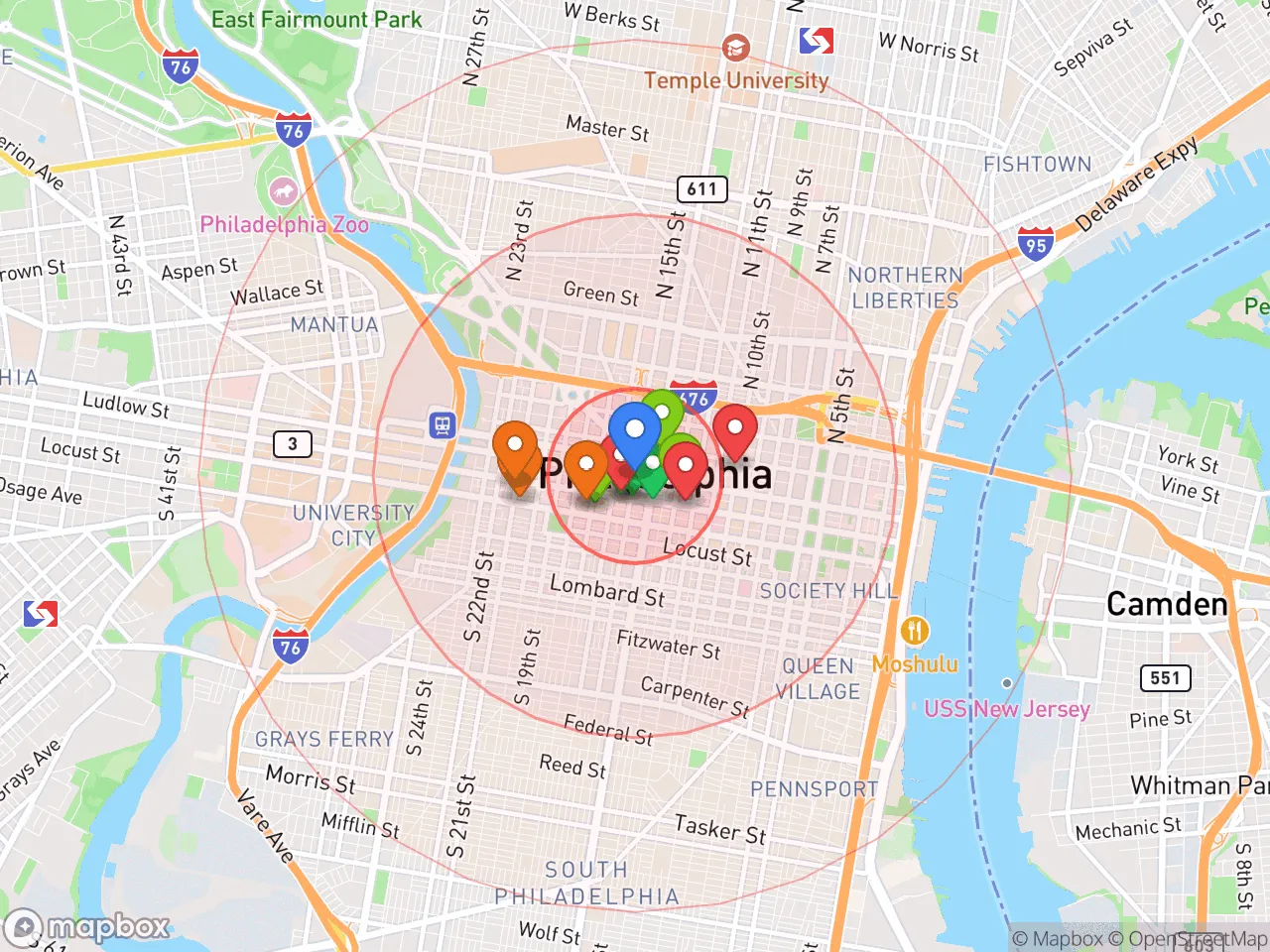
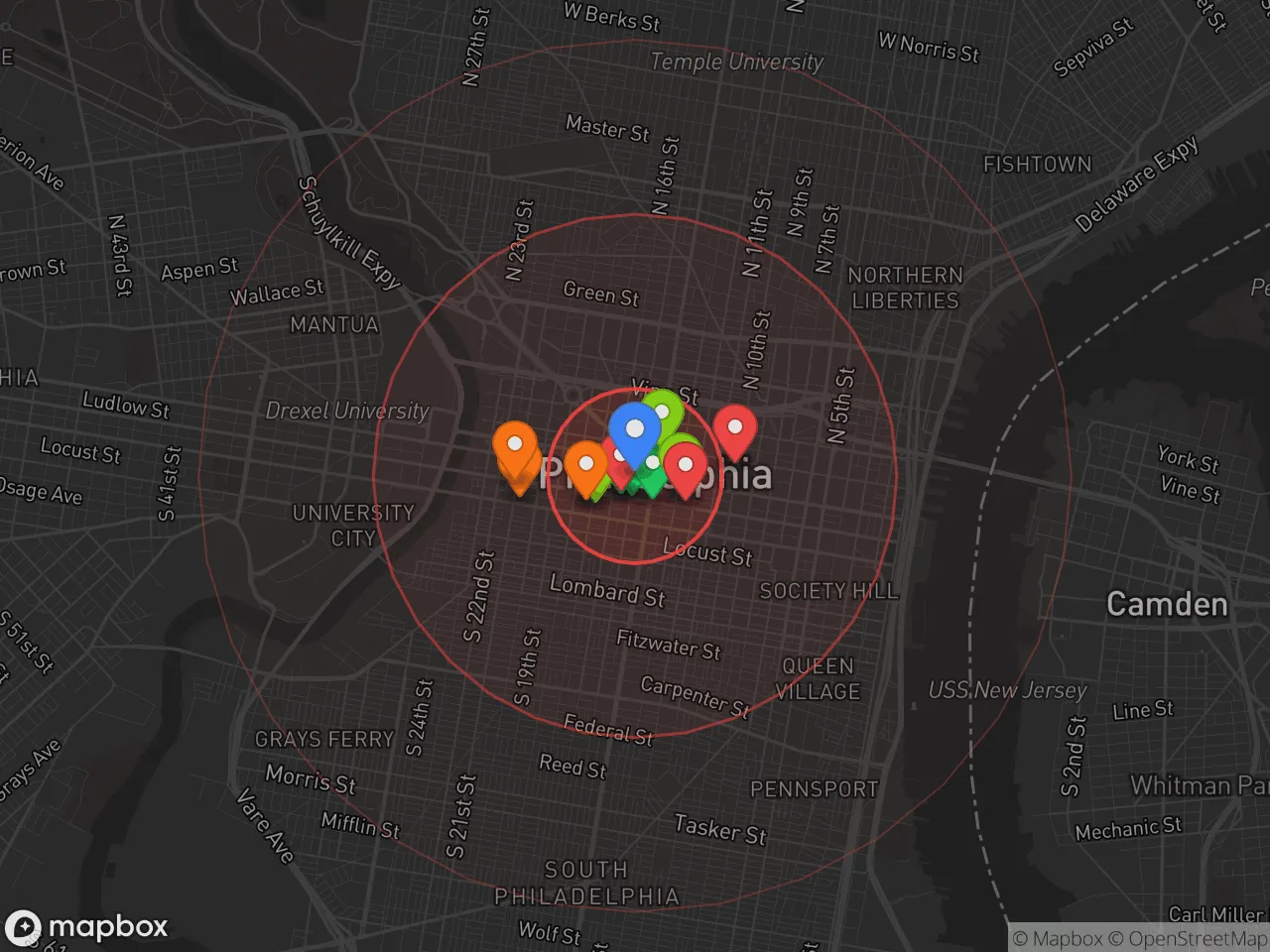
Explore the areaGroceries
6 within 10 miles
Gas
20 within 10 miles
Hospital
20 within 20 miles
Airport
PHL — Philadelphia International
Post Office
USPS — Filadèlfia, PA
Critical Amenities
Quality-of-Life Analysis
Filadèlfia, Pennsylvania, presents a quality of life defined by its status as a major urban center with a cost of living that closely mirrors the national average, attracting a diverse population of professionals, students, and long-term residents. With a cost of living index of 101 (where 100 equals the U.S. average), the city offers a slightly above-average expense profile that is significantly more affordable than other major Northeastern hubs like New York City or Boston. The area is home to a mix of young professionals drawn by the robust job market in healthcare, education, and technology, alongside families and retirees who value the city's deep historical roots and cultural density.
Cost of living, housing affordability, and how it compares to nearby areas
Housing in Filadèlfia remains a key factor in its affordability equation, with a median home value of $232,400 and a median rent of $1,323, both of which are well below the averages seen in the broader New York metropolitan area. While the overall cost of living index of 101 is on par with the national baseline, housing costs are notably lower than in nearby suburbs like Main Line communities or Cherry Hill, New Jersey, where home values can exceed $400,000. However, the city's average commute time of 32 minutes is longer than the national average of about 26 minutes, reflecting the dense urban layout and reliance on roadways and public transit like SEPTA. For renters and buyers, the trade-off is clear: more affordable housing stock in exchange for a longer daily commute, particularly for those working in Center City or the University City district.
What daily life is like for families, amenities, and school quality
Daily life in Filadèlfia is shaped by its walkable neighborhoods, extensive public transit network, and a wealth of cultural amenities that include world-class museums like the Philadelphia Museum of Art and the Barnes Foundation. Families often gravitate toward neighborhoods such as Fairmount, Chestnut Hill, or Mount Airy, which offer a mix of green spaces, local schools, and community feel. The School District of Philadelphia provides a range of options, including magnet and charter schools, though educational quality varies significantly by catchment area, prompting many families to research specific school performance data. The city's food scene, from Reading Terminal Market to South Philly's Italian Market, anchors a vibrant daily rhythm, while parks like Fairmount Park offer over 2,000 acres of recreational space. For commuters, the 32-minute average travel time is manageable, though it can spike during peak hours on I-76 or the Schuylkill Expressway.
Filadèlfia is best suited for individuals and families who prioritize urban energy, cultural access, and historical character over suburban sprawl or low commute times. Those who thrive here are typically comfortable with a slightly higher-than-average cost of living that still undercuts other East Coast cities, and they value the trade-off of a longer commute for more affordable housing and a dense, walkable environment. The city's mix of professional opportunities in healthcare, education, and tech, combined with its deep-rooted neighborhoods, makes it a strong fit for people seeking an authentic, non-corporate urban experience without the extreme costs of New York or Washington, D.C.

Crime in Filadèlfia, PA
WARNING: The crime statistics are unreliable for this jurisdiction. Local authorities have either not reported or under reported their data to the FBI. This could be due to bad intentions, incompetence or technical issues. Regardless, we suggest skepticism.
Higher crime rates than 62% of comparable U.S. locations.
Violent CrimeViolent Crime Analysis
Property CrimeProperty Crime Analysis
Crime Analysis
Filadèlfia, Pennsylvania, presents a crime profile that demands careful consideration, particularly given its location within a large, progressive metro area. With a violent crime rate of 227.3 per 100,000 residents and a property crime rate of 1,349.3 per 100,000, the city’s safety landscape is shaped by both local conditions and the broader criminal justice philosophy of Philadelphia County. Readers should be aware that the area’s liberal judicial and prosecutorial policies, while well-intentioned, often result in reduced consequences for offenders, which can embolden criminal activity and undermine public safety.
Crime in context
Filadèlfia’s violent crime rate of 227.3 per 100,000 is notably lower than Philadelphia’s citywide average of roughly 450 per 100,000, but it still exceeds the national median for similar-sized suburbs. Property crime, at 1,349.3 per 100,000, is elevated compared to the national average of approximately 1,950 per 100,000 for all cities, but remains a concern for residents. The presence of progressive district attorneys and judges in the Philadelphia metro area has been linked to higher recidivism rates and a perception of leniency, as policies like cash bail reform and reduced sentencing for nonviolent offenses can lead to more criminals returning to the streets. This context is critical: even if Filadèlfia’s numbers appear moderate, the surrounding legal environment can amplify risks over time.
What residents experience
Daily life in Filadèlfia involves navigating a mix of neighborhood-specific safety realities. Property crimes—including theft, burglary, and motor vehicle theft—are the most common incidents residents report. Car break-ins and package thefts are frequent complaints, particularly in areas near transit corridors or commercial zones. Violent crime, while less common, includes aggravated assault and robbery, with incidents often concentrated in specific blocks rather than spread evenly. The local police force works within a legal framework that prioritizes diversion and rehabilitation over incarceration, which can frustrate victims seeking justice. Residents often advise newcomers to invest in home security systems and avoid leaving valuables in vehicles, as the justice system’s focus on offender treatment does not always deter repeat property crimes.
Neighborhood-level variation is significant. Areas closer to the Delaware River and major thoroughfares tend to see higher property crime rates, while more residential pockets with active block watches report lower incident numbers. Neighborhoods with stronger community policing ties and higher homeownership rates generally experience less crime, as residents are more invested in reporting suspicious activity. However, the overarching influence of progressive judicial policies means that even in safer enclaves, residents remain wary of the system’s ability to hold offenders accountable. For those considering relocation, understanding that Filadèlfia’s safety is a product of both local vigilance and a lenient metro-wide justice approach is essential for making an informed decision.
* Values derived from national, state, county, city and local statistics and may differ in a specific area. Last updated: 2026-08-19T14:46:47.000Z
Narrative content on this page is AI-generated and may contain mistakes. Verify any details that matter before acting on them.
ReloMaps may earn a commission from affiliate links at no extra cost to you.

