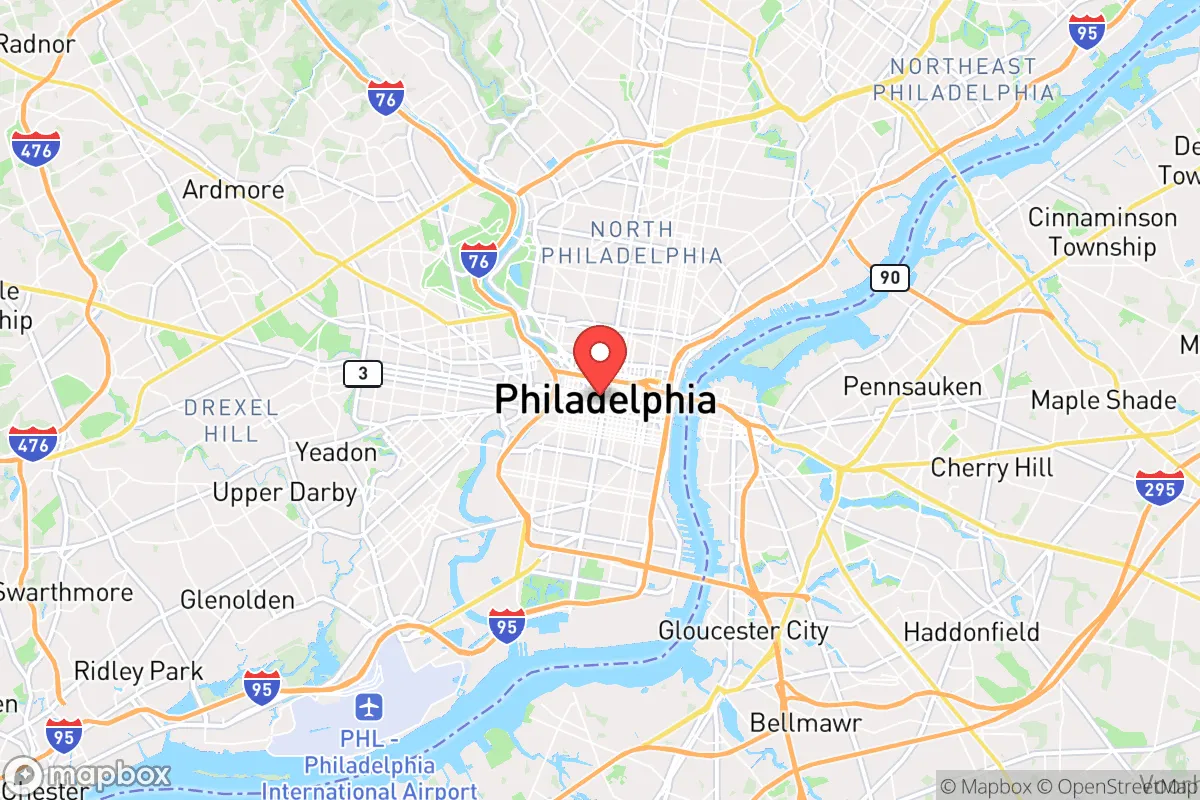
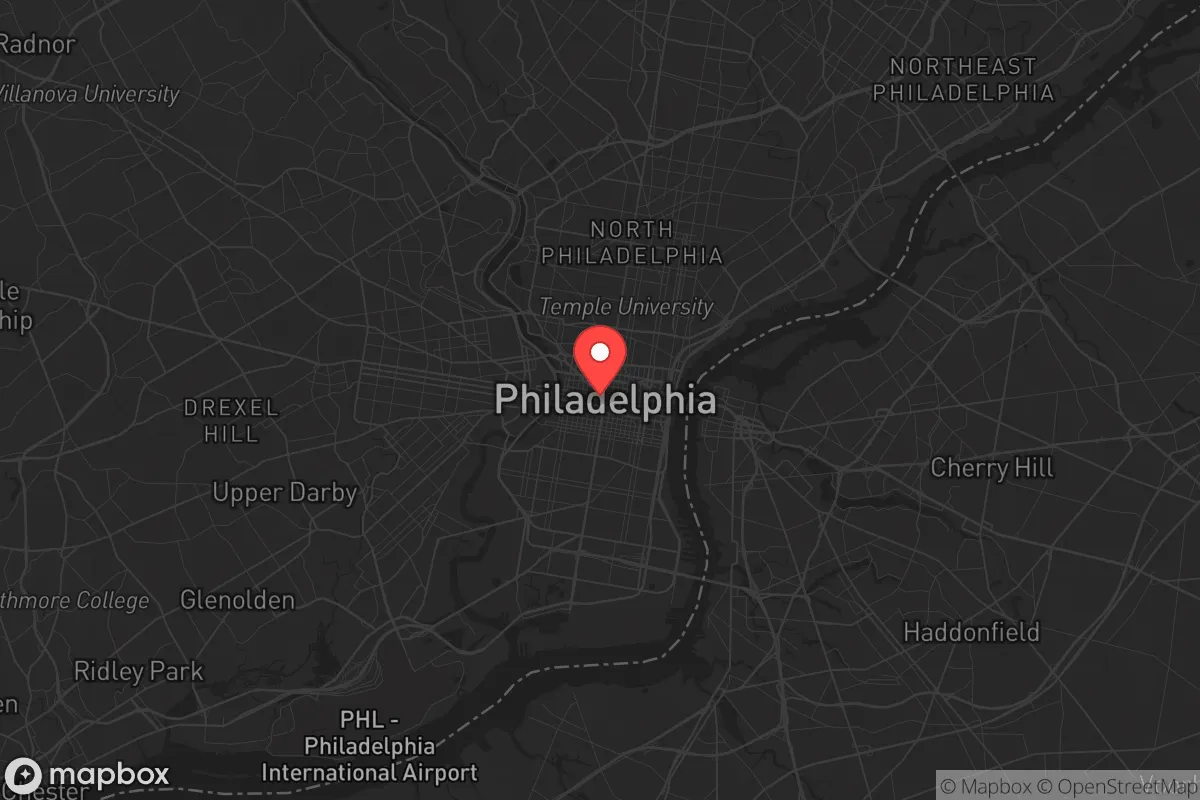
An Unincorporated Community in Philadelphia County, Pennsylvania
Find The Best Places To Live
in Filadèlfia
PRO TIP! You can paste a Zillow or Redfin link to get info on that property.
What It's Like Living in Filadèlfia, PA
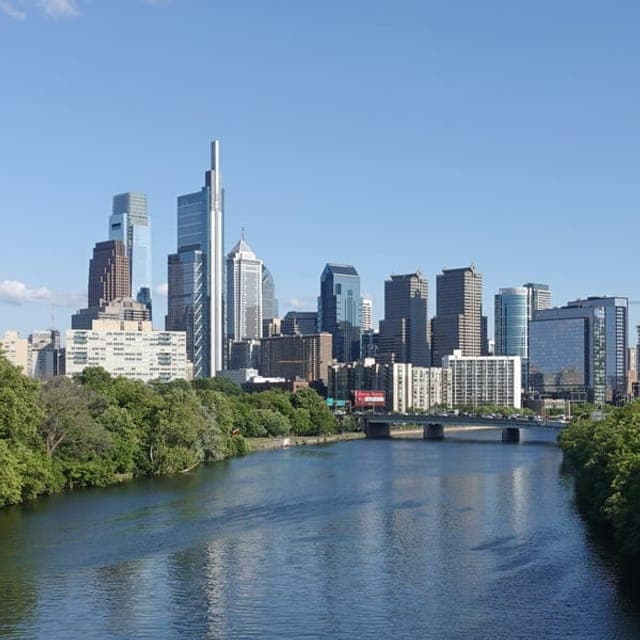
Living in Philadelphia means embracing a city that’s gritty, proud, and unapologetically itself—a place where history lives on cobblestone streets and cheesesteak debates are taken seriously. With roughly 1.58 million residents, it’s the sixth-largest city in the U.S., but it often feels like a collection of tight-knit neighborhoods rather than one sprawling metropolis. You’ll find a mix of young professionals, longtime blue-collar families, and recent transplants, all drawn by the city’s affordability compared to other East Coast hubs and its no-nonsense character.
Daily Rhythm: The Neighborhoods That Define You
Life in Philadelphia revolves around your neighborhood. In Fishtown or Northern Liberties, you’ll see 30-somethings grabbing pour-over coffee at a corner café before heading to jobs in tech, healthcare, or education. In South Philly, the rhythm is older—Italian Market vendors hosing down sidewalks at dawn, kids walking to parochial schools, and neighbors sitting on stoops as the sun sets. The average commute clocks in at about 32 minutes, which is manageable for a major city, though SEPTA’s regional rail and the Broad Street Line are the lifelines for anyone working in Center City or University City. Weekends often mean hitting Reading Terminal Market for a roast pork sandwich with broccoli rabe, or biking along the Schuylkill River Trail—a 30-mile greenway that feels worlds away from the traffic above.
The median household income here is $60,698, which is below the national average, but the cost of living index sits at 101—essentially on par with the U.S. as a whole. That means your paycheck stretches further than in New York or D.C., especially when it comes to housing. The median home value is $232,400, a figure that lets first-time buyers actually get a foothold in a decent row home in neighborhoods like Port Richmond or Mayfair. The catch? Property taxes can sting, and older homes often come with quirks like knob-and-tube wiring or a basement that floods twice a year.
Sports & Community: Where Fandom Is a Blood Sport
Sports aren’t just entertainment here—they’re a civic identity. The Eagles, Phillies, Sixers, and Flyers each have their own season of obsession, and you’ll hear “Go Birds” yelled from car windows year-round. Tailgating at Lincoln Financial Field before an Eagles game is a rite of passage, and the energy is electric even in a down year. High school sports matter too: Catholic League football games at Northeast High or La Salle College High draw thousands, and the annual Public League championships are a big deal. The city’s median age is 35.1, which means a lot of young families are raising kids who’ll grow up arguing about whether the 2008 Phillies were better than the 1980 squad.
Beyond the stadiums, local bars like The Trestle Inn in Spring Garden or Dirty Franks in South Philly are where you’ll find people debating politics, the mayor’s latest misstep, or why Wawa is superior to Sheetz. The city’s cultural quirks run deep: you’ll learn to say “wooder” for water, you’ll develop a strong opinion on who makes the best hoagie, and you’ll accept that parking is a contact sport. The Mummers Parade on New Year’s Day—a string-band spectacle of sequins and strutting—is either beloved or bewildering, but it’s undeniably Philly.
What’s There to Do: Parks, Festivals, and the Arts
Philadelphia punches above its weight in entertainment. Fairmount Park is one of the largest urban park systems in the country, with 2,000 acres of trails, the historic Boathouse Row, and the Philadelphia Zoo. In the summer, the “Parks on Tap” pop-up beer garden rotates through different green spaces, and the Made in America music festival draws big names to the Benjamin Franklin Parkway. For a quieter night, the Kimmel Center hosts the Philadelphia Orchestra, while smaller venues like Union Transfer and The Fillmore book indie acts. The city’s restaurant scene has exploded over the last decade—places like Zahav (modern Israeli) and Vetri Cucina (Italian) have earned national acclaim, but you can still grab a perfectly fine cheesesteak at John’s Roast Pork or a soft pretzel from a street cart for under $3.
The downsides are real, though. The violent crime rate sits at 227.3 per 100,000 residents—higher than the national average, and it’s concentrated in certain neighborhoods like Kensington and parts of North Philly. Longtime residents will tell you to keep your wits about you, avoid certain blocks after dark, and never leave a bag visible in your car. Property crime, especially car break-ins, is a persistent annoyance. The school system is a mixed bag: some magnet schools like Central High and Masterman are nationally ranked, but many neighborhood schools struggle with underfunding and aging facilities. Families who can afford it often opt for private or parochial schools, which adds a layer of expense.
Pros and Cons of Living Here
- Pro: Walkable, historic, and affordable. You can live without a car in many neighborhoods, and the housing stock—brownstones, trinities, and Victorians—has character you won’t find in a suburban subdivision.
- Con: Infrastructure frustrations. SEPTA delays, pothole-riddled streets, and a city government that can feel slow to respond to basic complaints like trash pickup or broken streetlights.
- Pro: Deep community ties. Block parties, corner bars where everybody knows your name, and a fierce local pride that makes newcomers feel like they’ve joined something real.
- Con: Weather extremes. Humid summers that hit 90°F with dew points that make you rethink leaving the house, and winters that can dump a foot of snow overnight—though the city’s plowing response is notoriously uneven.
About 34.6% of adults hold a bachelor’s degree or higher, which is slightly below the national average but reflects a city where trade skills and union jobs still command respect. You’ll meet electricians, nurses, teachers, and artists living side by side. The kind of person who thrives here is someone who doesn’t mind a little rough around the edges—who values authenticity over polish, and who can laugh at the absurdity of a SEPTA bus showing up 20 minutes late on a freezing morning. If you want manicured lawns and silent streets, the suburbs are 20 minutes away. But if you want a city that feels lived-in, opinionated, and endlessly interesting, Philadelphia delivers.

Similar major cities to Filadèlfia
* Values derived from national, state, county, city and local statistics and may differ in a specific area. Last updated: 2026-08-19T14:46:47.000Z
Narrative content on this page is AI-generated and may contain mistakes. Verify any details that matter before acting on them.
ReloMaps may earn a commission from affiliate links at no extra cost to you.

