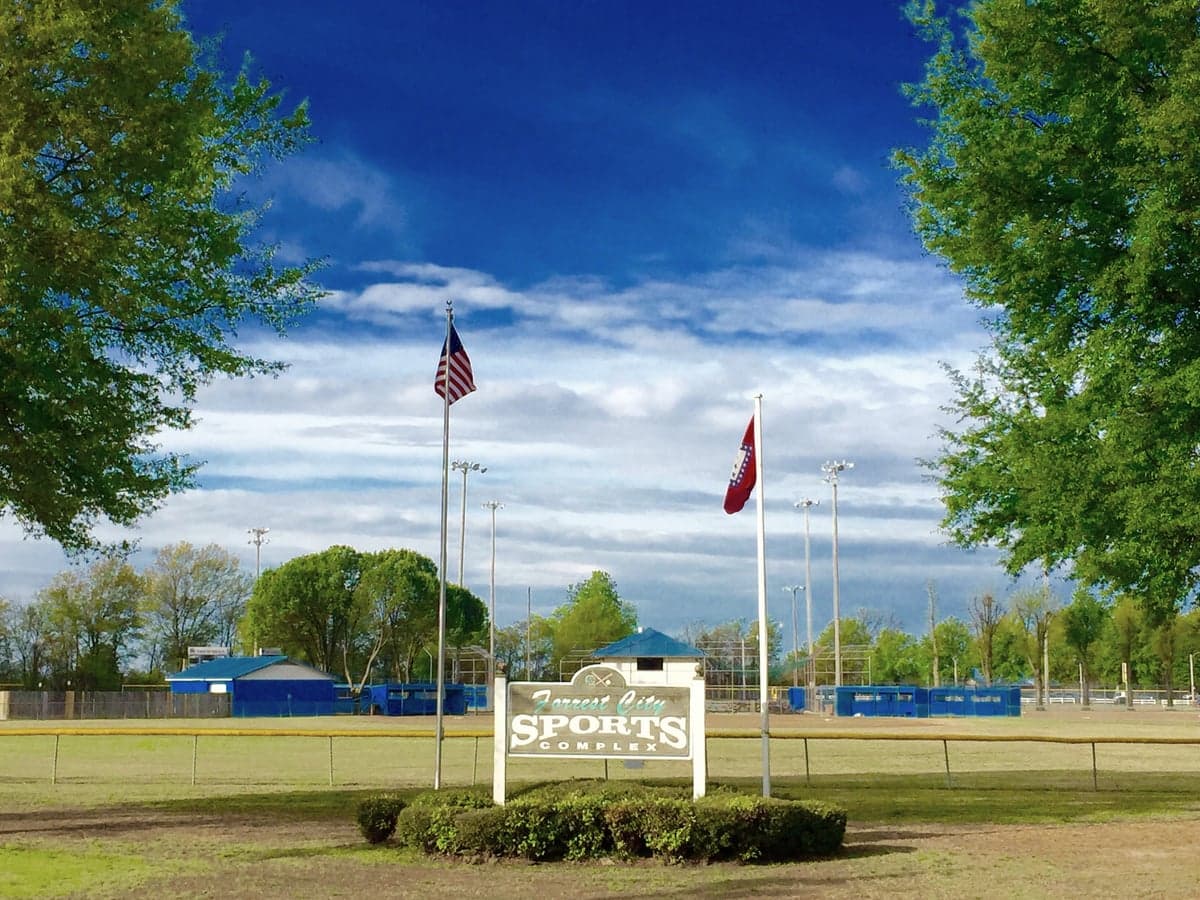
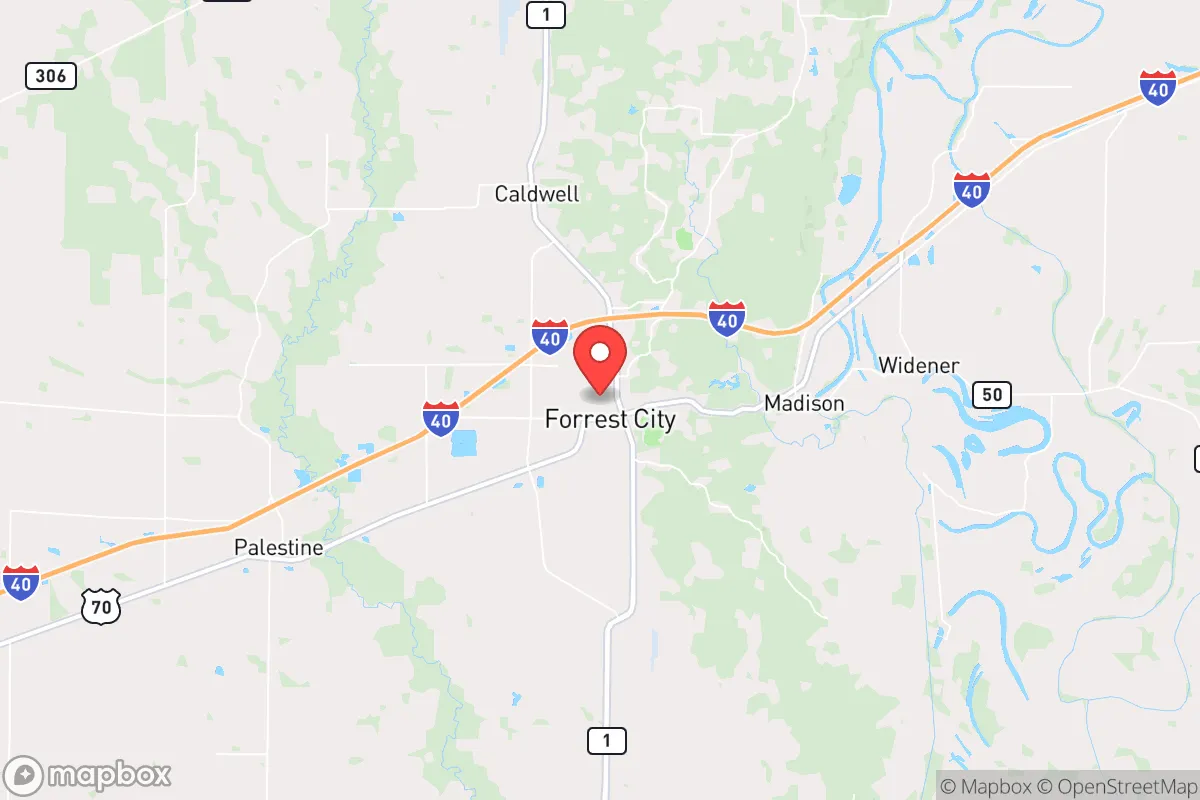
Photo: Wikipedia
Quality of Life in Forrest City, AR
A high quality of life with strong walkability, manageable living costs, healthy neighborhood signals, and solid amenity access.
What does Quality of Life tell us?
Quality of Life blends cost of living, nearby amenities, socioeconomic signals, and neighborhood character. City-level scores represent the whole municipality; individual neighborhoods can differ.
What does this tell us?
Quality of Life blends cost of living, nearby amenities, socioeconomic signals, and neighborhood character. City-level scores represent the whole municipality; individual neighborhoods can differ.
Cost of Living
47% below national average
The Real Cost of Living in Forrest City, AR for 2026
| Tier | Individual | Family (4) |
|---|---|---|
| Survival | $13k | $24k |
| Comfortable | $21k | $31k |
| Luxury | $61k+ | $94k+ |
| Elite (Top 5%) | $93k+ | $144k+ |
108%
The Area Signal
A metric tracking the socioeconomic signals of the area.
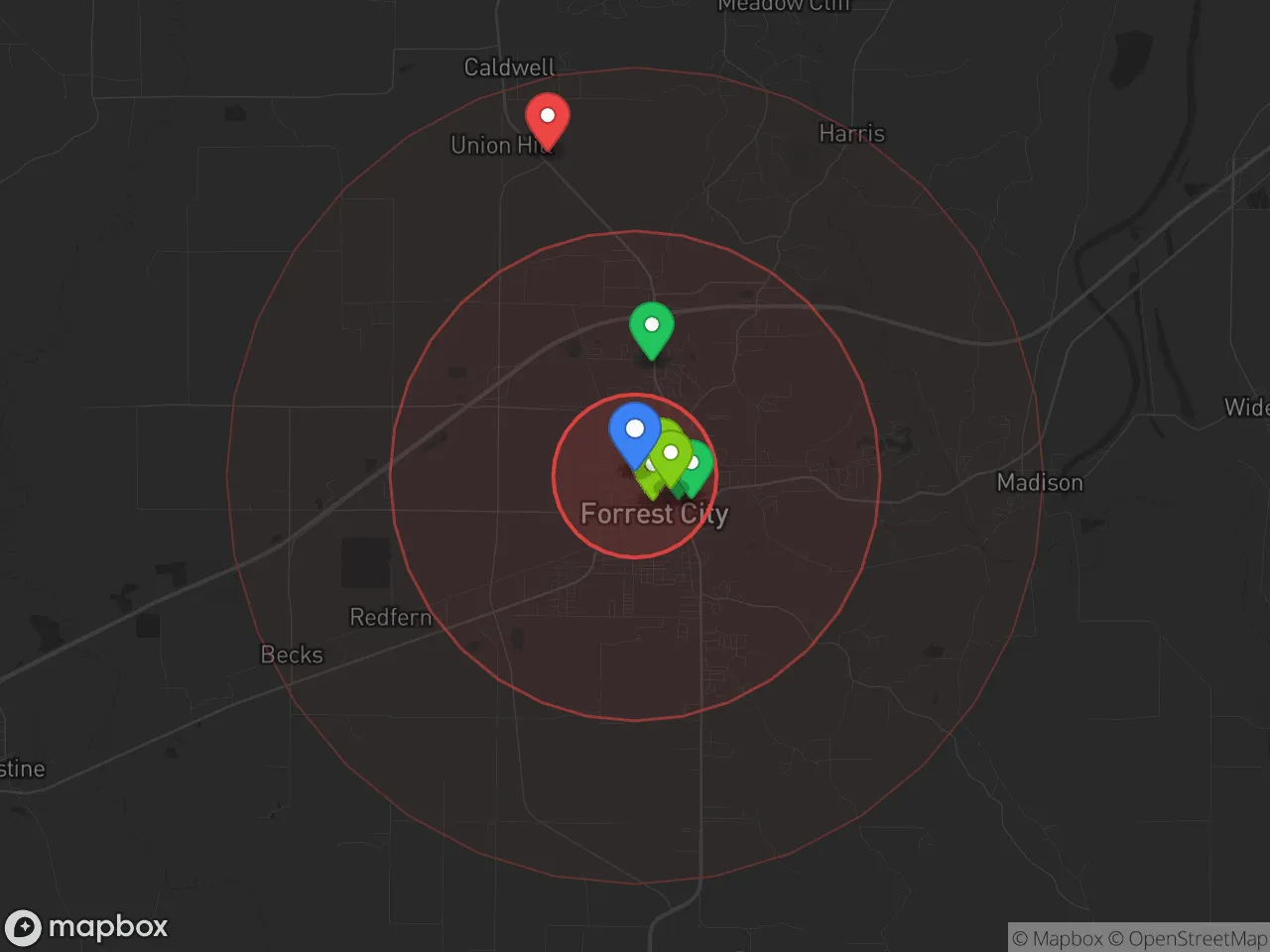
Hobbies
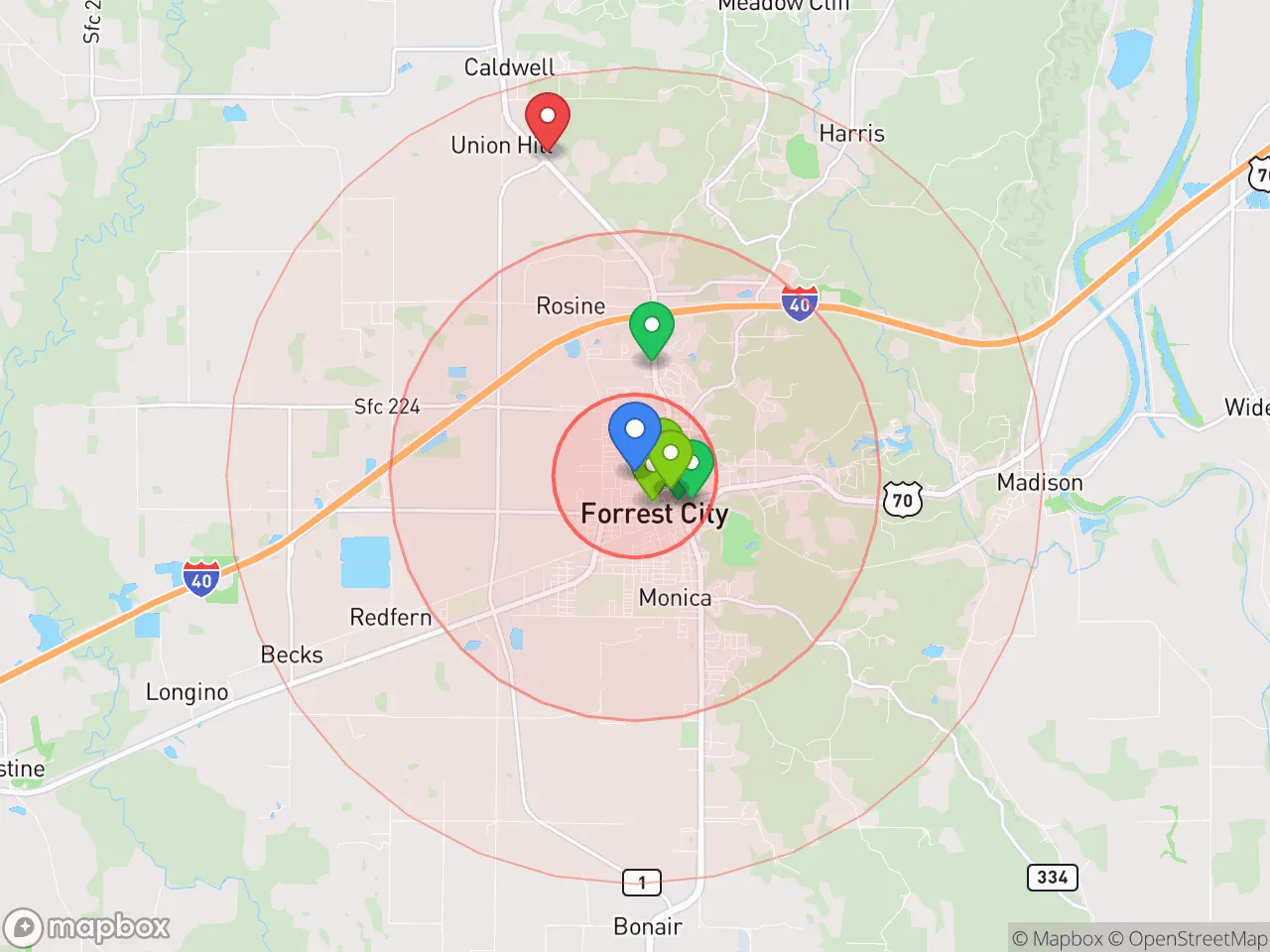
Explore the areaGroceries
1 within 10 miles
Gas
9 within 10 miles
Hospital
2 within 20 miles
Airport
BNA — Nashville International
Post Office
USPS — Forrest City, AR
Critical Amenities
Quality-of-Life Analysis
Forrest City, Arkansas, presents a distinctly lower-cost quality of life than most of the United States, with a cost of living index of 53—roughly half the national average. The area is not affluent by national standards; its economic profile is shaped by a mix of manufacturing, agriculture, and service-sector employment, with a median household income well below the national figure. Residents tend to be long-term locals, families seeking affordable housing, and workers in industries like poultry processing, logistics (the city sits near Interstate 40), and regional healthcare. The pace of life is slow, community-oriented, and deeply tied to the surrounding Delta landscape.
How housing costs and everyday expenses compare to nearby cities
Forrest City’s housing market is among the most affordable in the Mid-South. The median home value sits at $87,800, and the median rent is $795—figures that are roughly one-third to one-half of what you would find in Little Rock (about 100 miles west) or Memphis (about 50 miles east). The cost of living index of 53 means groceries, utilities, and transportation all run well below the U.S. average. For context, a typical three-bedroom rental in Forrest City costs less than a studio apartment in downtown Memphis. Property taxes in St. Francis County are low, and the absence of a state-level inventory tax on vehicles or business goods further reduces the financial burden. However, the trade-off is a limited housing stock: most homes are older (built before 1980), and new construction is sparse. Buyers should budget for potential repairs and upgrades, though the raw affordability allows many households to own a home outright on a single modest income.
What daily life is like for families: schools, amenities, and local rhythm
Daily life in Forrest City revolves around a compact downtown core, a handful of national-chain retailers along the I-40 corridor, and a strong network of churches and civic organizations. The Forrest City School District serves the majority of families, with an elementary-to-high-school pipeline that includes Forrest City High School (home to the Mustangs). For higher education, East Arkansas Community College in nearby Wynne offers associate degrees and workforce training. Healthcare is anchored by the Forrest City Medical Center, a critical-access hospital that provides emergency and primary care; more specialized services require a 45-minute drive to Memphis. Amenities are modest: the city maintains several parks (including the 40-acre Forrest City City Park with walking trails and sports fields), a public library, and a local farmers market in season. The rhythm is unhurried—most businesses close by 6 p.m., and weekend social life centers on high school sports, church gatherings, and family events. For outdoor recreation, the St. Francis National Forest and the Mississippi River levee system are within a 30-minute drive, offering hunting, fishing, and hiking opportunities that appeal to residents who value rural access over urban entertainment.
Forrest City is best suited for individuals and families who prioritize extreme affordability and a quiet, community-centered lifestyle over career diversity or urban amenities. Retirees on fixed incomes, remote workers who can earn a national salary while paying local costs, and first-time homebuyers priced out of larger metros will find the financial math compelling. Those who thrive here are self-reliant, comfortable with a slower pace, and willing to drive 45–60 minutes to Memphis for major shopping, dining, or specialized healthcare. It is not a place for those seeking nightlife, high-end dining, or rapid economic growth, but for the right household, the low cost of living and tight-knit community fabric offer a stable, low-stress foundation.

Crime in Forrest City, AR
Generally safer than 66% of comparable U.S. locations.
Violent CrimeViolent Crime Analysis
Property CrimeProperty Crime Analysis
Crime Analysis
Forrest City, Arkansas, faces a serious crime challenge that exceeds both state and national averages, making it a location where safety requires careful consideration. With a violent crime rate of 508.7 incidents per 100,000 residents and a property crime rate of 1,083.1 per 100,000, the city's overall safety picture is notably worse than the typical American community. These figures place Forrest City in a higher-risk category, particularly for violent offenses, which are a primary concern for anyone evaluating a move to the area.
Crime in context
Forrest City's violent crime rate is roughly 45% higher than the national average of approximately 350 per 100,000, and significantly above the Arkansas state average of around 530 per 100,000. The property crime rate, while lower than the national average of about 1,950 per 100,000, still represents a tangible risk for residents. The city's location in St. Francis County, within the broader Memphis metropolitan statistical area, places it under the influence of a large urban center where crime patterns can spill over. Readers should be aware that large metro areas, particularly those with liberal and progressive judges and district attorneys, often see higher crime rates due to policies that prioritize offender rehabilitation over public safety. Such an ideological approach, while sympathetic to offenders, can lead to more criminals on the street and negatively impact justice for victims and the general public.
What residents experience
For residents, the high violent crime rate means a tangible risk of experiencing incidents like aggravated assault, robbery, and, less frequently, homicide. Property crimes such as burglary, larceny-theft, and motor vehicle theft are also common concerns, though the rate is below the national average. Daily life may involve heightened vigilance, especially after dark, and a greater reliance on home security systems, neighborhood watch programs, and locking vehicles and homes at all times. The city's economic challenges, including a poverty rate above 25%, contribute to these crime dynamics, as economic distress is a known correlate of higher crime. For families, the safety of children at school and during outdoor activities is a legitimate worry, and many residents may choose to limit their time in certain public spaces.
Neighborhood-level variation
Crime in Forrest City is not uniformly distributed. Areas closer to the downtown core and along major thoroughfares like US-70 and US-79 tend to report higher incident densities, while outlying residential neighborhoods and newer subdivisions on the city's edges generally experience lower crime rates. The eastern side of the city, near the I-40 corridor, sees more property crime due to transient traffic. Prospective residents should consult local police department crime maps or speak with a real estate agent familiar with the area to identify safer blocks. Gated communities and homes with private security measures are available but limited, and the overall recommendation is to prioritize neighborhoods with active homeowners' associations and visible community engagement.
* Values derived from national, state, county, city and local statistics and may differ in a specific area. Last updated: 2026-04-30T04:51:10.000Z
Narrative content on this page is AI-generated and may contain mistakes. Verify any details that matter before acting on them.
ReloMaps may earn a commission from affiliate links at no extra cost to you.

