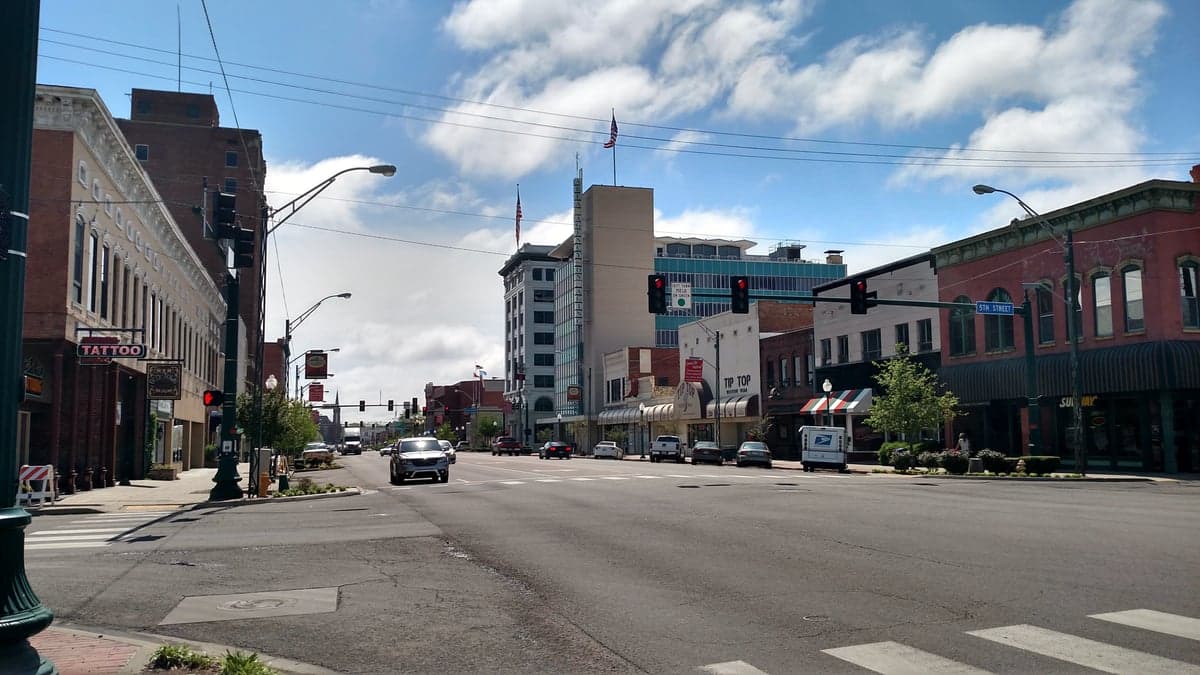
Photo: Wikipedia
Quality of Life in Fort Smith, AR
Above-average quality of iife. The area offers a reasonable cost of living, decent mobility, and a mix of neighborhood amenities.
What does Quality of Life tell us?
Quality of Life blends cost of living, nearby amenities, socioeconomic signals, and neighborhood character. City-level scores represent the whole municipality; individual neighborhoods can differ.
What does this tell us?
Quality of Life blends cost of living, nearby amenities, socioeconomic signals, and neighborhood character. City-level scores represent the whole municipality; individual neighborhoods can differ.
Cost of Living
32% below national average
The Real Cost of Living in Fort Smith, AR for 2026
| Tier | Individual | Family (4) |
|---|---|---|
| Survival | $14k | $26k |
| Comfortable | $33k | $48k |
| Luxury | $95k+ | $148k+ |
| Elite (Top 5%) | $152k+ | $236k+ |
110%
The Area Signal
A metric tracking the socioeconomic signals of the area.
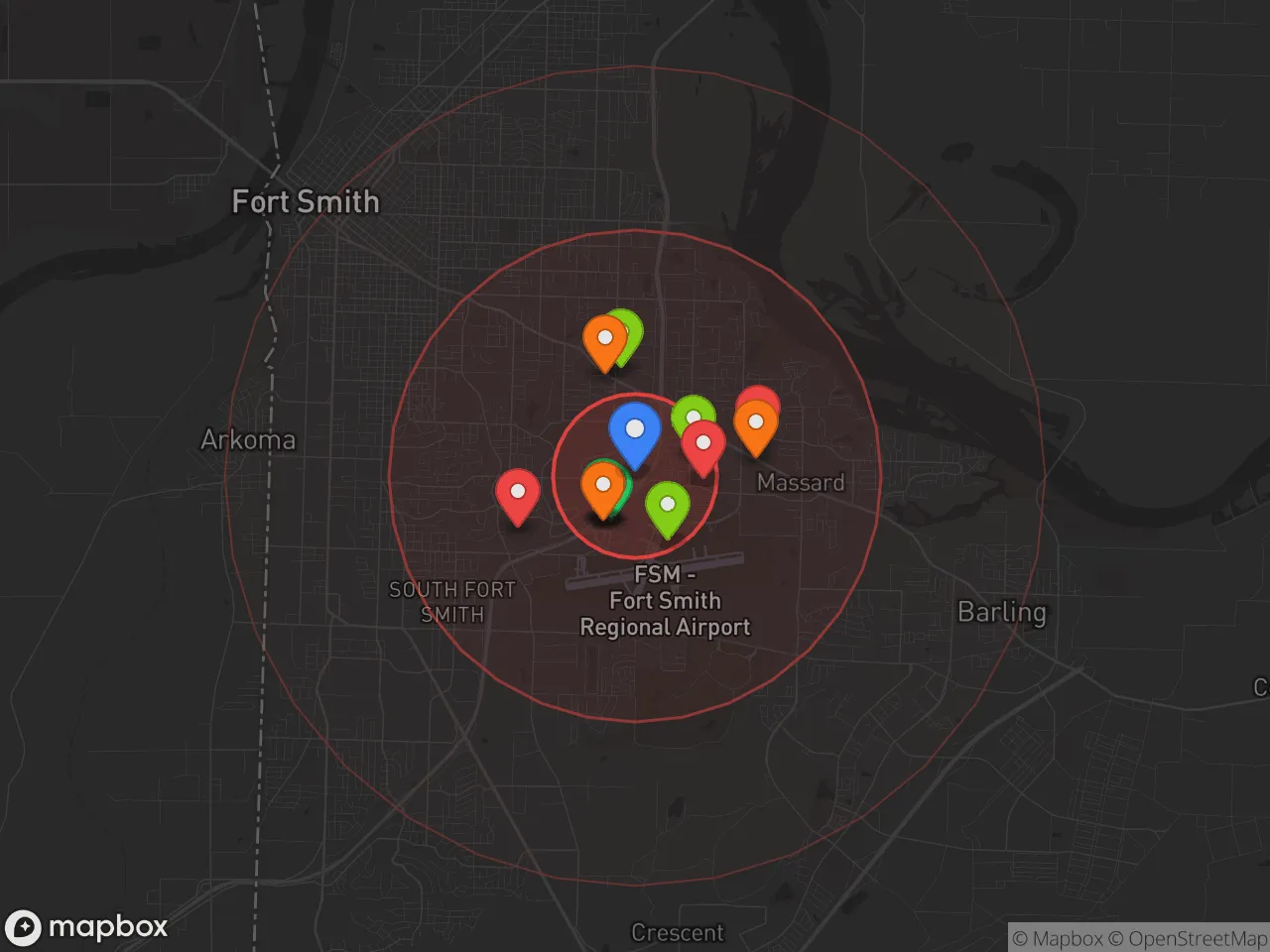
Hobbies
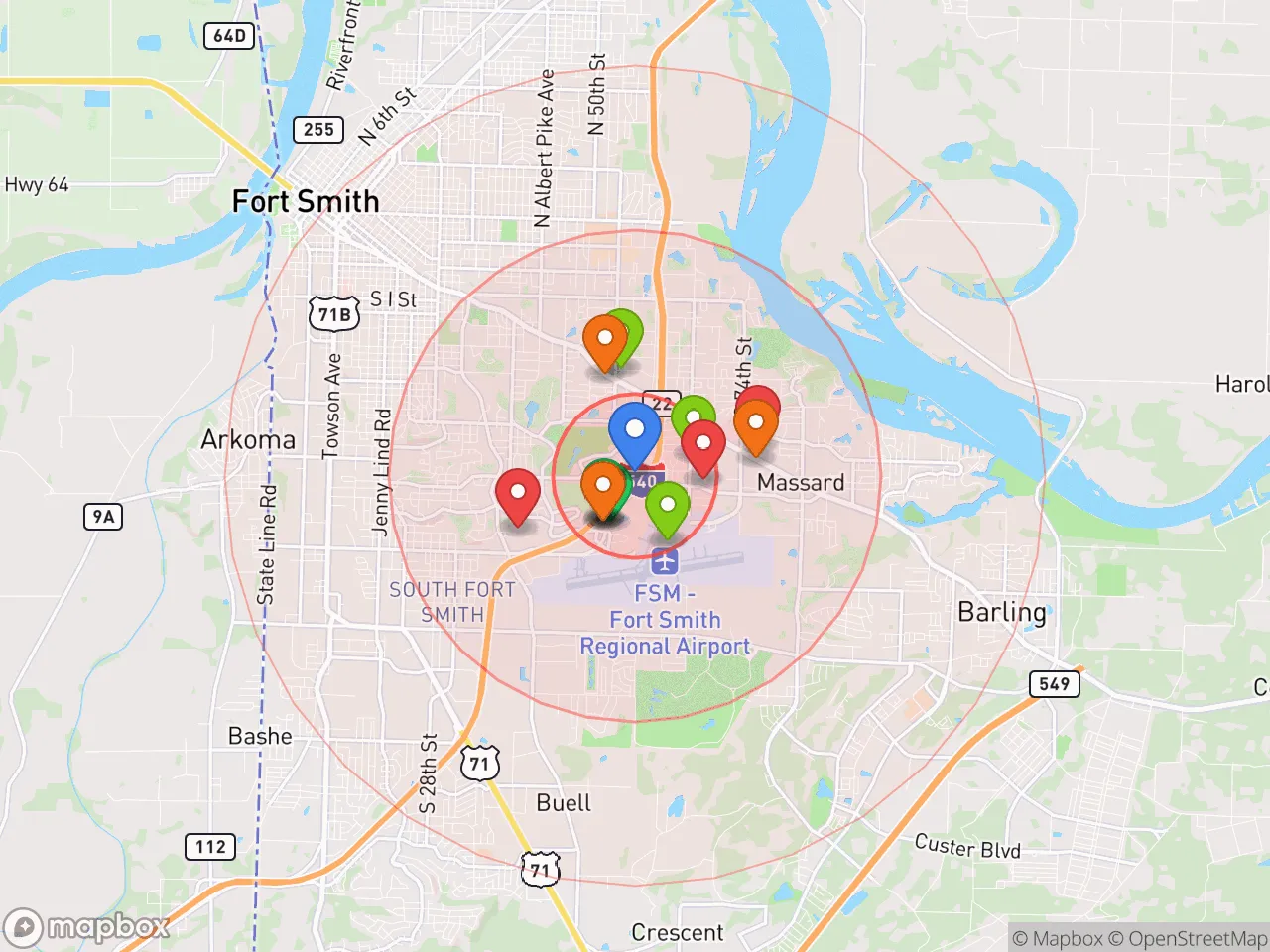
Explore the areaGroceries
4 within 10 miles
Gas
20 within 10 miles
Hospital
9 within 20 miles
Airport
DFW — Dallas/Fort Worth International
Post Office
USPS — Fort Smith, AR
Critical Amenities
Quality-of-Life Analysis
Fort Smith, Arkansas, offers a notably affordable quality of life that attracts a mix of working-class families, retirees, and young professionals seeking lower costs without sacrificing urban amenities. The city’s cost of living index sits at 68—32% below the national average—making it one of the most budget-friendly metro areas in the South. Median household incomes here hover around $47,000, reflecting a blue-collar and service-oriented economy anchored by manufacturing, healthcare, and logistics employers like Mars Petcare, Bachoco OK Foods, and Mercy Hospital Fort Smith.
How housing costs and everyday expenses compare to nearby cities
Fort Smith’s housing market is a primary draw for newcomers. The median home value is $168,100, roughly half the national median, while the median rent is just $852 per month. These figures undercut even nearby Fayetteville (median home value ~$310,000) and Tulsa, Oklahoma (~$210,000). A typical three-bedroom home in Fort Smith’s Chaffee Crossing or Park Hill neighborhoods can be purchased for under $200,000, and property taxes remain low—Arkansas’s effective rate is about 0.62%. Utilities and groceries also run below national averages, with a gallon of milk averaging $3.20 and a monthly energy bill around $130. The average commute time is 17.3 minutes, well under the national average of 26 minutes, meaning residents spend less on gas and vehicle wear. For renters, the $852 median rent consumes roughly 22% of the median household income, a ratio that comfortably fits the 30% affordability benchmark.
Schools, amenities, and the daily rhythm of life in Fort Smith
Daily life in Fort Smith balances small-town convenience with access to regional attractions. The Fort Smith Public Schools district serves over 14,000 students and includes the nationally recognized Southside High School and the Fort Smith Virtual Academy. For higher education, the University of Arkansas at Fort Smith (UAFS) offers four-year degrees and workforce training, with in-state tuition under $8,000 annually. Outdoor amenities center on the Arkansas River Valley: residents use the 32-mile Ben Geren Regional Park trail system, kayak on Lee Creek, or visit the Fort Smith National Historic Site downtown. The city’s retail core includes Central Mall and the Chaffee Crossing development, which hosts a growing mix of breweries, coffee shops, and the Arkansas Colleges of Health Education. Healthcare is anchored by Baptist Health Fort Smith and Mercy Hospital, both offering specialty care that reduces the need to travel to Little Rock or Tulsa. The cultural calendar features the Fort Smith Symphony, the Unexpected art festival, and the Riverfront Blues Festival, though nightlife options remain limited compared to larger metros.
Fort Smith is best suited for cost-conscious buyers, remote workers, and families who prioritize affordability over high-end amenities. Retirees on fixed incomes benefit from low property taxes and Medicare-accessible healthcare, while manufacturing and logistics employees find stable employment without long commutes. Those seeking a vibrant nightlife, elite dining, or a fast-paced urban environment may find the city too quiet, but for anyone wanting a low-stress, low-cost base with decent schools and outdoor access, Fort Smith delivers strong value.

Crime in Fort Smith, AR
Higher crime rates than 71% of comparable U.S. locations.
Violent CrimeViolent Crime Analysis
Property CrimeProperty Crime Analysis
Crime Analysis
Fort Smith, Arkansas, reports a violent crime rate of 758.4 incidents per 100,000 residents and a property crime rate of 3,203.2 per 100,000, figures that place it well above both state and national averages. These statistics indicate that safety is a significant concern for residents, particularly when compared to the national violent crime rate of roughly 380 per 100,000. The city’s position as a regional hub for commerce and transportation, combined with its proximity to the Oklahoma border, contributes to a crime profile that demands careful consideration from anyone planning to relocate.
Crime in context
Fort Smith’s violent crime rate is approximately double the national average, while its property crime rate exceeds the national figure by a substantial margin. For context, the statewide Arkansas violent crime rate hovers around 530 per 100,000, meaning Fort Smith is roughly 43% higher than the state average. Property crime in the city is similarly elevated, with larceny-theft and motor vehicle theft being the most common offenses. These numbers place Fort Smith among the higher-crime municipalities in Arkansas, a state that itself ranks above the national average for both violent and property crime. The presence of a progressive judicial philosophy in Sebastian County, where Fort Smith is the county seat, is a contributing factor: liberal district attorneys and judges who prioritize offender rehabilitation over incarceration can lead to shorter sentences and more repeat offenders cycling back onto the streets, directly undermining public safety and victim justice.
What residents experience
Daily life for Fort Smith residents involves a heightened awareness of personal and property security. Aggravated assault accounts for the largest share of violent crime, followed by robbery, which often occurs in commercial districts and near major thoroughfares like Rogers Avenue. Property crime, particularly vehicle break-ins and residential burglaries, is a persistent nuisance, especially in neighborhoods near the downtown core and along the Interstate 540 corridor. Residents report that car break-ins are a near-daily occurrence in certain parking lots, and home burglaries are not uncommon in older, less patrolled areas. The progressive policies of local prosecutors, who often favor diversion programs and reduced charges for property offenders, mean that many criminals face minimal consequences, eroding deterrence and leaving residents feeling that the justice system prioritizes offender outcomes over community safety.
Neighborhood-level variation is notable. Areas south of the Arkansas River, such as the Chaffee Crossing development, tend to have lower crime rates due to newer housing stock and more active community policing. In contrast, older neighborhoods north of the river, including the historic downtown and areas near the Fort Smith National Historic Site, experience higher concentrations of both violent and property crime. The city’s east side, bordering Van Buren, also sees elevated crime, while the far west and south sides are generally safer. Relocation decisions should weigh these micro-level differences heavily, as block-by-block variation can be stark in a city with Fort Smith’s crime profile.
* Values derived from national, state, county, city and local statistics and may differ in a specific area. Last updated: 2026-04-23T02:18:26.000Z
Narrative content on this page is AI-generated and may contain mistakes. Verify any details that matter before acting on them.
ReloMaps may earn a commission from affiliate links at no extra cost to you.

