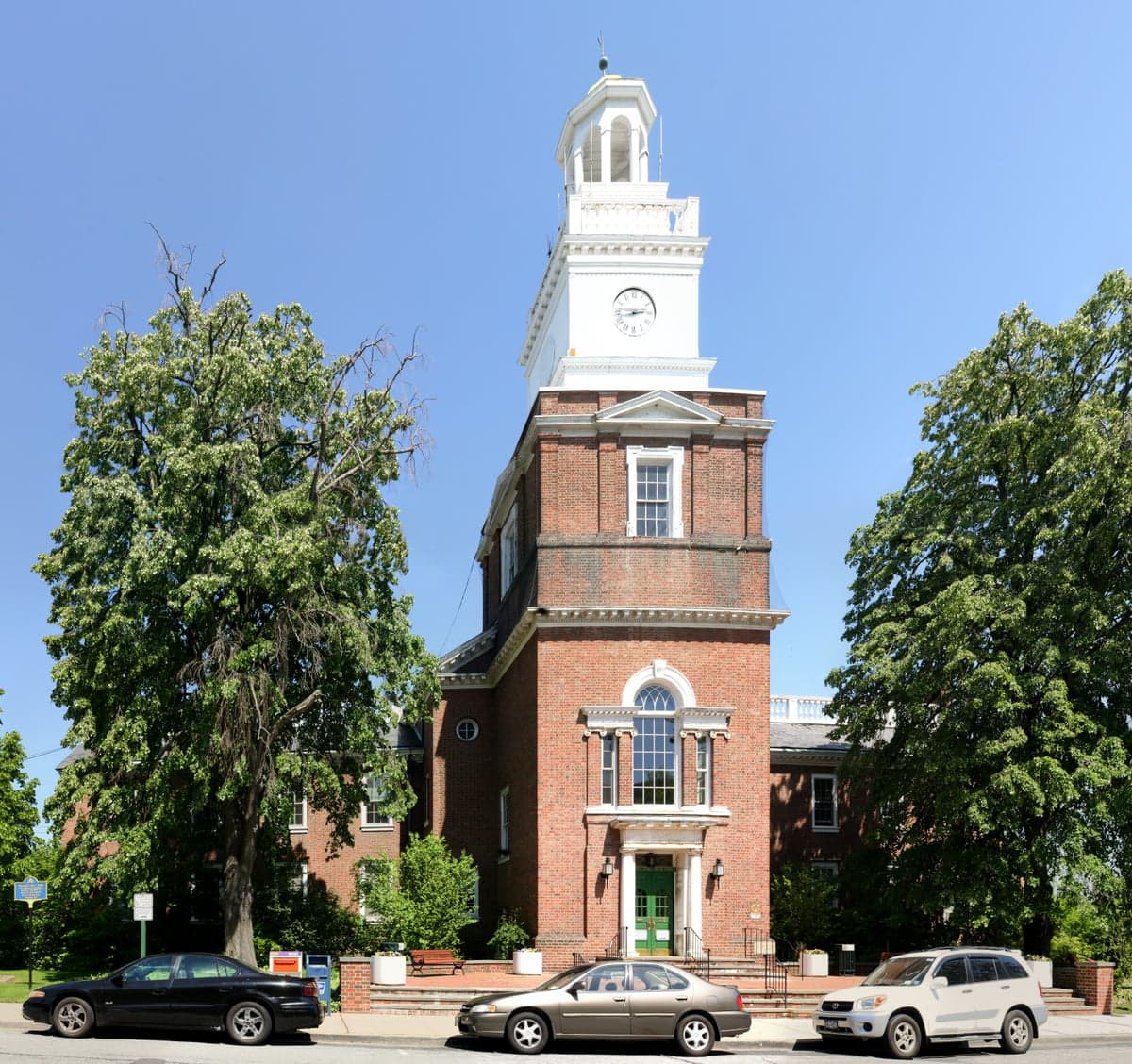
Photo: Wikipedia
Quality of Life in Freeport, NY
A high quality of life with strong walkability, manageable living costs, healthy neighborhood signals, and solid amenity access.
What does Quality of Life tell us?
Quality of Life blends cost of living, nearby amenities, socioeconomic signals, and neighborhood character. City-level scores represent the whole municipality; individual neighborhoods can differ.
What does this tell us?
Quality of Life blends cost of living, nearby amenities, socioeconomic signals, and neighborhood character. City-level scores represent the whole municipality; individual neighborhoods can differ.
Cost of Living
70% above national average
The Real Cost of Living in Freeport, NY for 2026
| Tier | Individual | Family (4) |
|---|---|---|
| Survival | $32k | $60k |
| Comfortable | $93k | $137k |
| Luxury | $176k+ | $273k+ |
| Elite (Top 5%) | $207k+ | $321k+ |
87%
The Area Signal
A metric tracking the socioeconomic signals of the area.


Hobbies
Explore the areaGroceries
4 within 10 miles
Gas
0 within 10 miles
Hospital
3 within 20 miles
Airport
JFK — John F. Kennedy International
Post Office
USPS — Flushing, NY
Critical Amenities
Quality-of-Life Analysis
Freeport, New York, presents a quality-of-life profile defined by its position as a relatively affluent suburban village on Long Island’s South Shore, attracting a mix of established families, young professionals, and commuters who work in New York City. With a cost-of-living index of 170—70 percent above the national average—the area is notably expensive, yet it remains more affordable than many neighboring Nassau County communities, drawing residents who seek a balance of coastal living, strong public schools, and reasonable proximity to Manhattan. The population skews toward middle- to upper-middle-class households, with a significant number of dual-income families and long-term homeowners who value the village’s waterfront amenities and historic downtown.
Cost of living, housing prices, and affordability compared to nearby areas
Freeport’s cost of living is driven primarily by housing and property taxes, which are among the highest in the nation. The median home value sits at $479,700, a figure that is roughly 30 percent lower than the Nassau County median of about $680,000, making Freeport one of the more accessible entry points for homeownership on the South Shore. Median rent is $1,984 per month, which is competitive compared to nearby communities like Long Beach (median rent ~$2,400) or Rockville Centre (~$2,600). However, the average commute time of 33.4 minutes—longer than the national average of 26 minutes—reflects the trade-off many residents accept: lower housing costs in exchange for a daily trip to jobs in Manhattan or western Nassau County. Property taxes on a median-value home typically exceed $10,000 annually, a burden that is partially offset by the absence of city income tax for those who work in New York City. For renters, the market is tight, with vacancy rates below 3 percent, and many units are older multi-family homes or garden apartments near the Nautical Mile and Guy Lombardo Marina.
Local amenities, school quality, and what daily life feels like
Daily life in Freeport revolves around its 2.2-mile-long Nautical Mile waterfront district, which offers a concentration of seafood restaurants, charter fishing boats, and seasonal events like the annual Freeport Summer Concert Series. The Freeport School District serves roughly 7,000 students and includes Caroline G. Atkinson School (elementary) and Freeport High School, which has a graduation rate of 88 percent and offers Advanced Placement courses and a strong athletics program. For families, the village provides 11 public parks, including Cow Meadow Park and Smith Pond Park, with playgrounds, sports fields, and kayak launches. The Freeport Recreation Center houses an indoor pool, basketball courts, and a fitness center, while the Freeport Library is one of the busiest in Nassau County, hosting children’s story times and adult education classes. Commuters rely on the Freeport LIRR station, which offers express trains to Penn Station in about 35 minutes, and the n6 and n19 bus lines connect to Hempstead and Jones Beach. The village’s walkability is moderate—downtown and the Nautical Mile are pedestrian-friendly, but most errands require a car, and parking can be competitive near the waterfront on summer weekends.
Freeport is best suited for families and professionals who prioritize a strong school system, waterfront recreation, and a shorter commute than farther-out Long Island suburbs, while accepting a high cost of living and property tax burden. Retirees on fixed incomes may struggle with the expense, but dual-income households earning above $120,000 annually typically find the trade-offs worthwhile. Those who value quiet, low-density living may prefer neighboring Baldwin or Merrick, while buyers seeking a more walkable, urban feel might look to Long Beach. For residents who want a genuine South Shore village with a working waterfront, active civic life, and direct train access to Manhattan, Freeport delivers a distinctive quality of life that justifies its premium price tag.

Crime in Freeport, NY
Lower crime rates than 75% of comparable U.S. locations.
Violent CrimeViolent Crime Analysis
Property CrimeProperty Crime Analysis
Crime Analysis
Freeport, New York, presents a mixed safety profile for prospective residents. The village’s violent crime rate of 120.6 per 100,000 residents is notably lower than the national average, but its property crime rate of 741.5 per 100,000 exceeds both state and national benchmarks. As a densely populated community within the New York City metropolitan area, Freeport’s public safety is shaped by broader regional crime trends and the progressive criminal justice policies prevalent in Nassau County and New York State.
Crime in context
Freeport’s violent crime rate of 120.6 per 100,000 is roughly 65% lower than the national average of 380 per 100,000, placing it among the safer communities for violent offenses in Nassau County. However, the property crime rate of 741.5 per 100,000 is approximately 15% higher than the national average of 650 per 100,000 and significantly above New York State’s average of around 500 per 100,000. This disparity means residents face a higher likelihood of theft, burglary, and vehicle break-ins compared to typical suburban communities. The village’s proximity to New York City and its role as a transit hub contribute to these property crime numbers, as transient offenders can easily access the area.
What residents experience
Daily life in Freeport involves a tangible awareness of property crime. Residents commonly report package thefts, car break-ins, and occasional home burglaries, particularly in neighborhoods near the Nautical Mile and the Long Island Rail Road station. Violent crime, while rare, is not absent—incidents are often concentrated in specific pockets rather than spread evenly. The local police department maintains a visible presence, but the broader legal environment in Nassau County, where progressive district attorneys and judges prioritize diversion programs and reduced sentencing, creates a system that critics argue prioritizes offender rehabilitation over public protection. This approach can lead to repeat offenders cycling back onto the streets, undermining deterrence and frustrating residents who feel the justice system does not adequately prioritize their safety.
Neighborhood-level variation
Safety in Freeport varies noticeably by area. The waterfront communities along the Nautical Mile and the more affluent South Freeport neighborhoods generally report lower crime rates, benefiting from stronger community watch programs and higher property values. In contrast, the central and northern sections of the village, particularly around the downtown commercial corridor and areas with higher rental density, experience elevated property crime and occasional violent incidents. Prospective renters and homebuyers should research block-level crime maps and consider visiting at different times of day, as the difference between a quiet residential street and a higher-risk block can be stark. The village’s overall safety is a function of both local policing and the permissive legal climate in New York, which residents must weigh carefully when choosing a neighborhood.
* Values derived from national, state, county, city and local statistics and may differ in a specific area. Last updated: 2026-04-19T20:25:13.000Z
Narrative content on this page is AI-generated and may contain mistakes. Verify any details that matter before acting on them.
ReloMaps may earn a commission from affiliate links at no extra cost to you.

